Research Group Aquaculture Systems
About us
Because of the worldwide overfishing of the seas and the growing relevance of sustainability, aquaculture is getting more and more important. However, the sector is facing great challenges: aquaculture systems cause environmental emissions and are frequently subject to criticism because of animal welfare.
The objective of the research group Aquaculturesystems is to find and develop approaches and solutions, to allow an environmental friendly, sustainable and species-appropriate fish, plant and microalgae production.
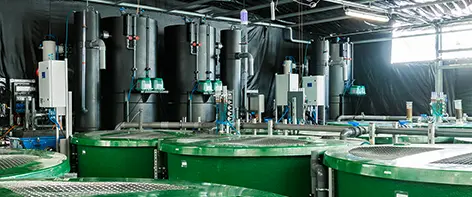
Recirculating aquaculture systems
Our goal is to improve water quality, reduce emissions, optimize energy consumption and simplify operational processes in fish farming, thereby enabling economically and ecologically sustainable production of fish with species-appropriate husbandry.
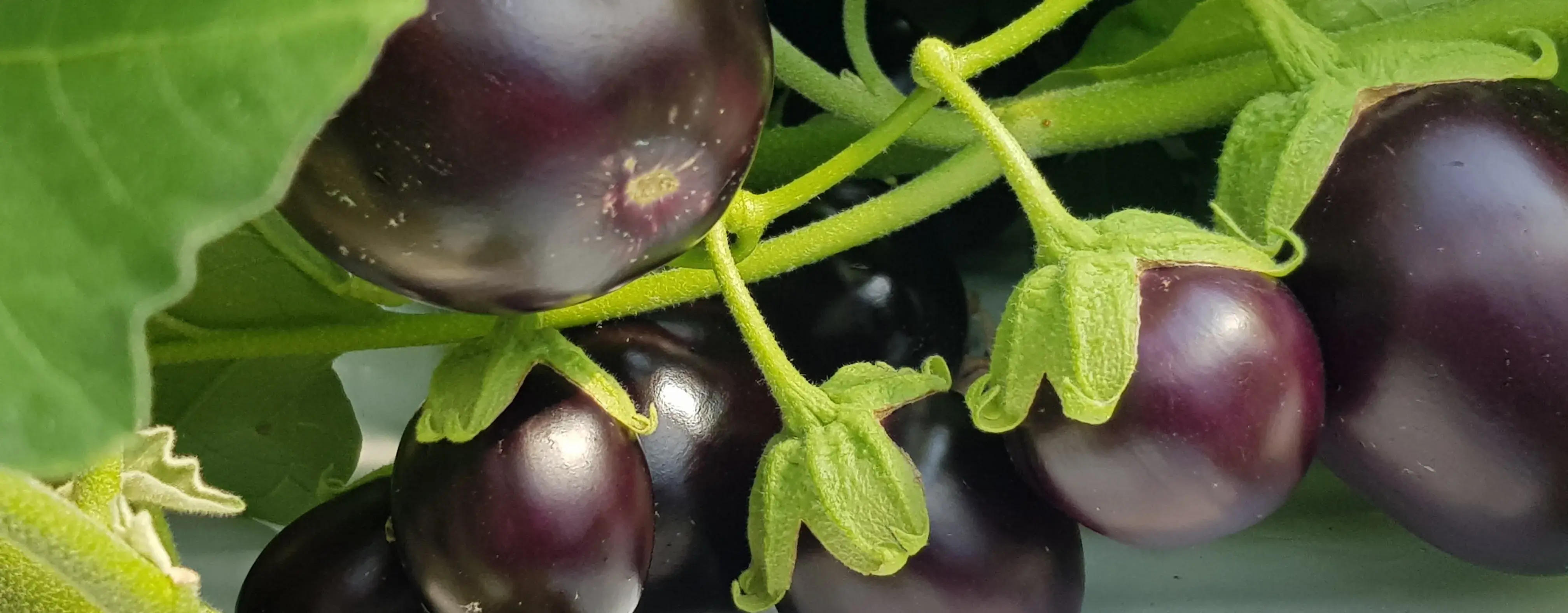
Soilless technologies and indoor farming
We research sustainable solutions for food production with a focus on the principles: Nutrient Reuse, Efficient Use of Resources, Closed Cycles, and Soil-Independent Food Production.
Microalgae
For the future, the use of finite resources must be reduced and recycling processes must be developed. This is where we come in and use microalgae to produce feed and valuable materials in an environmentally friendly way. To fertilize the algae, we use nutrients from wastewater, so we hope to reduce emissions from other processes and close loops.

AWACS
AWACS short for "Animal Welfare Assessment and Control System for Fish Farms" is an innovation project in collaboration with Urban Blue. In the project, fish-based aspects are studied and algorithms are implemented to develop a comprehensive farm management system that takes into account the health and welfare of fish.

Sun-Oxygen-System
Through a training program (workshops, etc.) and pond aeration technology, an educational and operational foundation will be created to enable women in rural areas in Cambodia to independently manage and operate a pond aquaculture business.
Bioplastic from microalgae
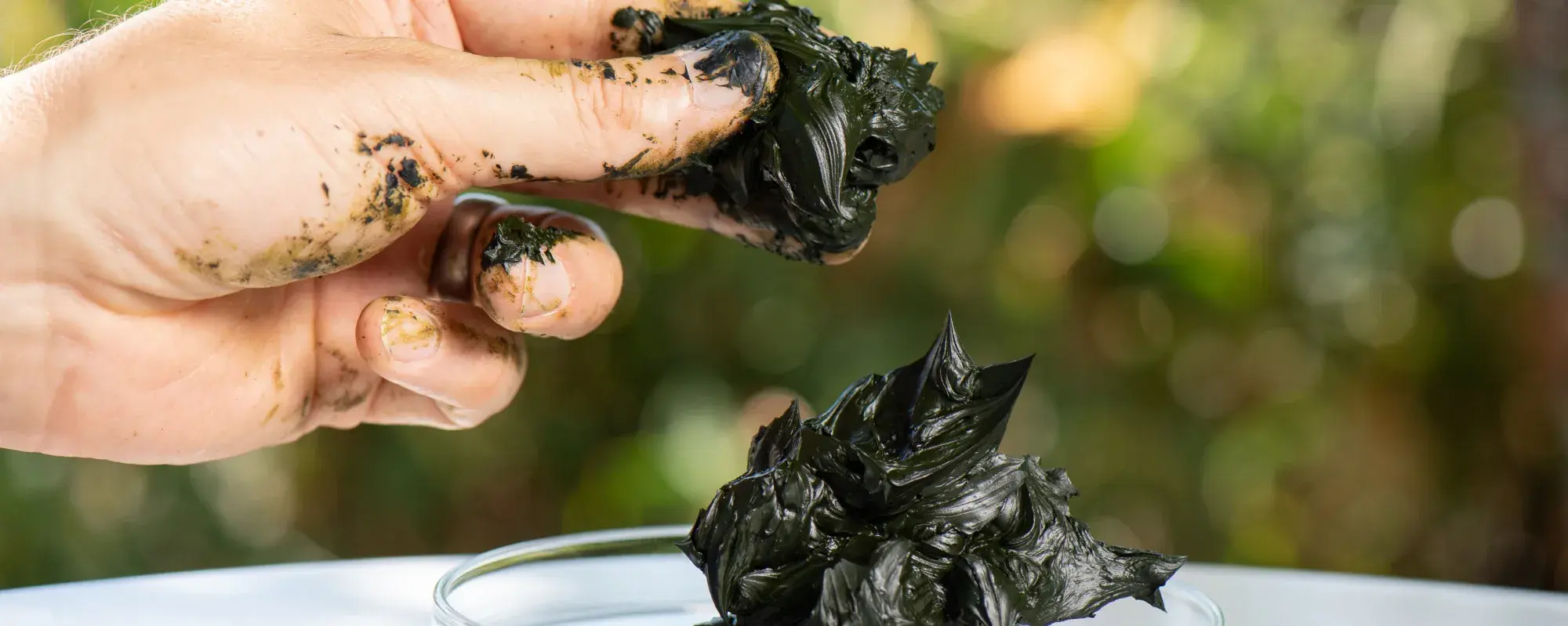
Bio-based materials are the future: Cyanobacteria are able to form a biopolymer from renewable resources. In this project we have shown that it is possible to cultivate cyanobacteria in an open system on a larger scale using wastewater as fertilizer.
Conversion of a WWTP into an aquaculture
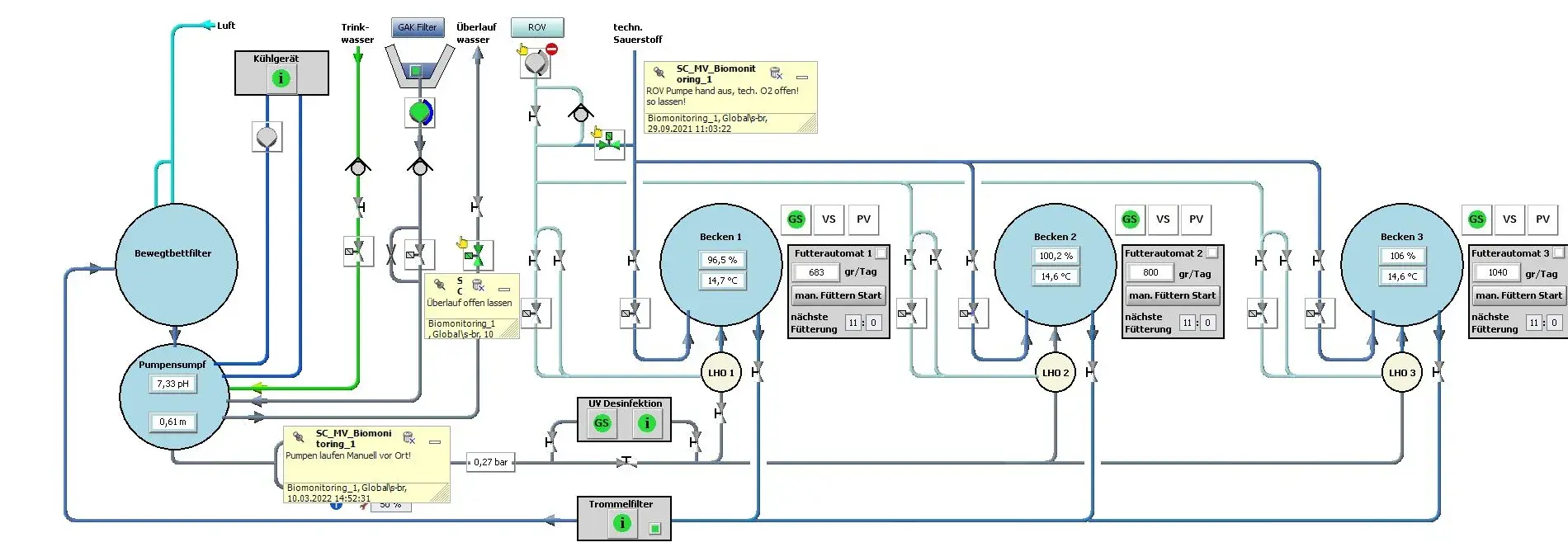
The feasibility study on the conversion of a wastewater treatment plant into a fish farm investigated whether the infrastructure of decommissioned wastewater treatment plants can be used for fish production. A demonstration plant at the AVA Altenrhein site shows the use of existing interfaces in an operating wastewater treatment plant.
Continuing education
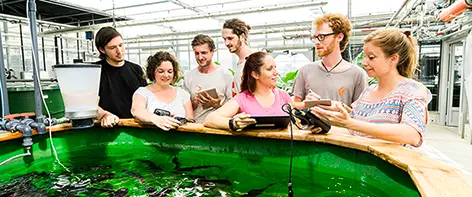
Our education and training offers range from beginner level to expert knowledge in a wide variety of events.
MOOC Aquaponics
Aquaponics is a polyculture that combines aquaculture and hydroponics, i.e. fish farming and soil-independent food production, in a recirculating system. The goal is to recycle nutrients from fish farming wastewater for crop production. In this Massive Online Open Course at the ZHAW, you will learn the key points of aquaponics and how to plan and design such a sustainable production system. In the six-week course with a workload of 4-6 hours per week, you will learn the basics of aquaculture, hydroponics and aquaponics. The program includes learning videos, course literature, hands-on exercises, individual work, and quizzes. In addition, participants can interact with aquaponics enthusiasts from around the world through forum posts and discussions. Interested parties have the opportunity to participate in the MOOC course free of charge and, if interested, to obtain a certificate for successful course participation.
The MOOC Aquaponics is offered twice a year as a self-paced course.