Agrobiodiversity Summer School 2026
Agrobiodiversity and the transition to agroecological food systems
About the Summer School
Agrobiodiversity includes the diversity of crops and livestock species and varieties, the diversity of production and food supply systems, different agricultural practices and intensities and the biodiversity that indirectly supports agriculture through provisioning ecosystem services. Agrobiodiversity is therefore essential for locally adapted and resilient land use systems across the globe and ultimately contributes to the achievement of several Sustainable Development Goals (SDGs).
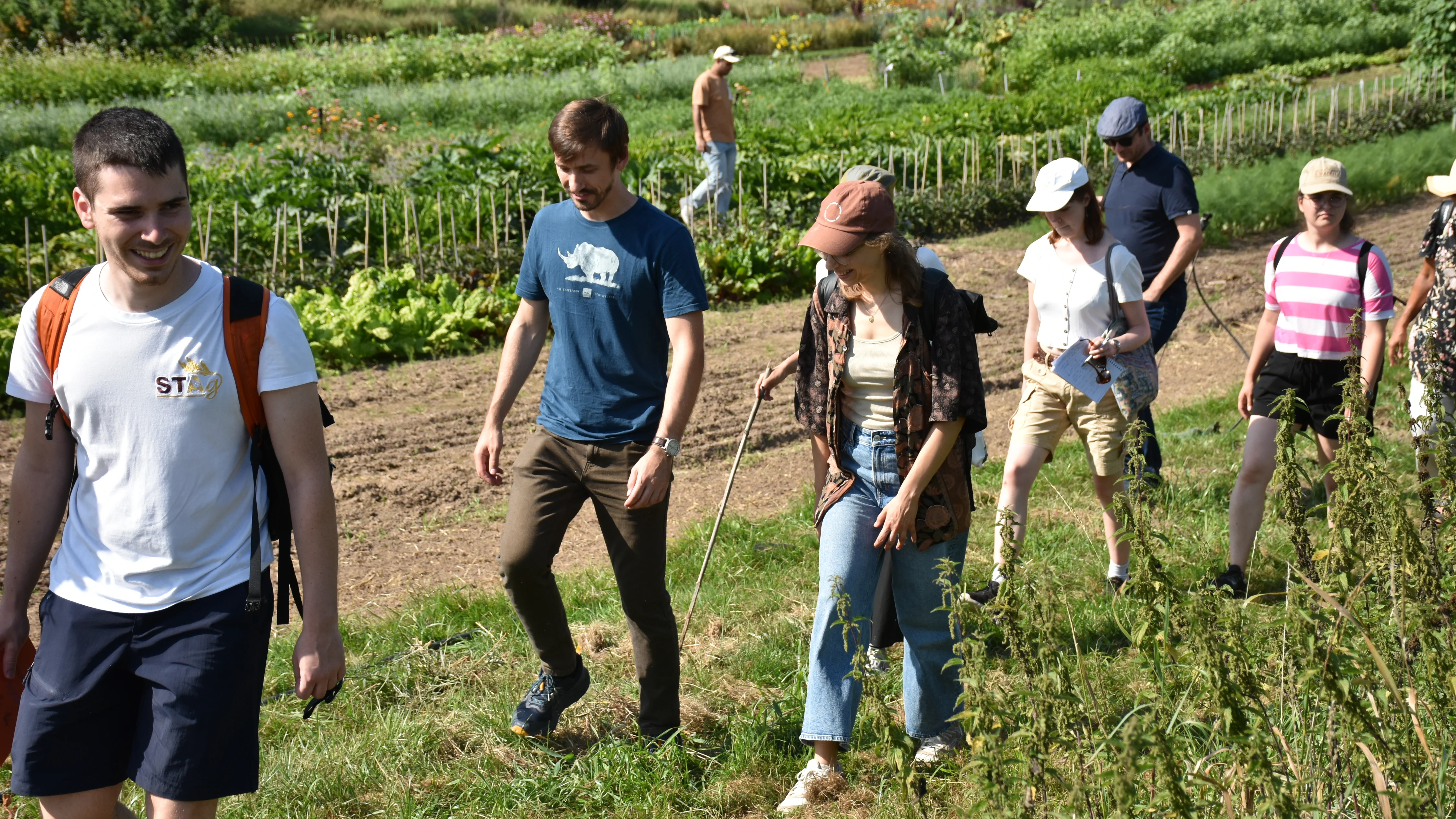
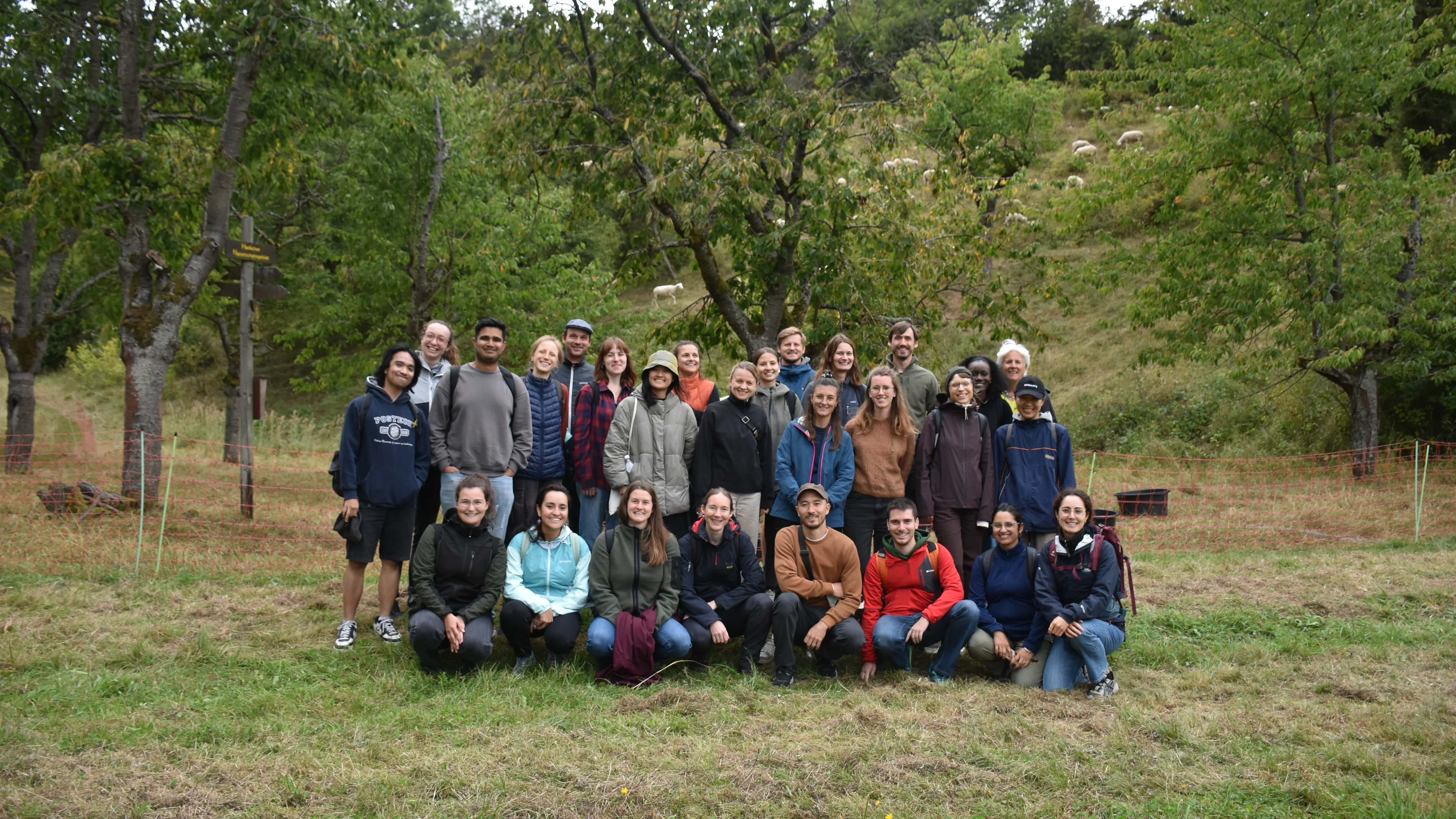
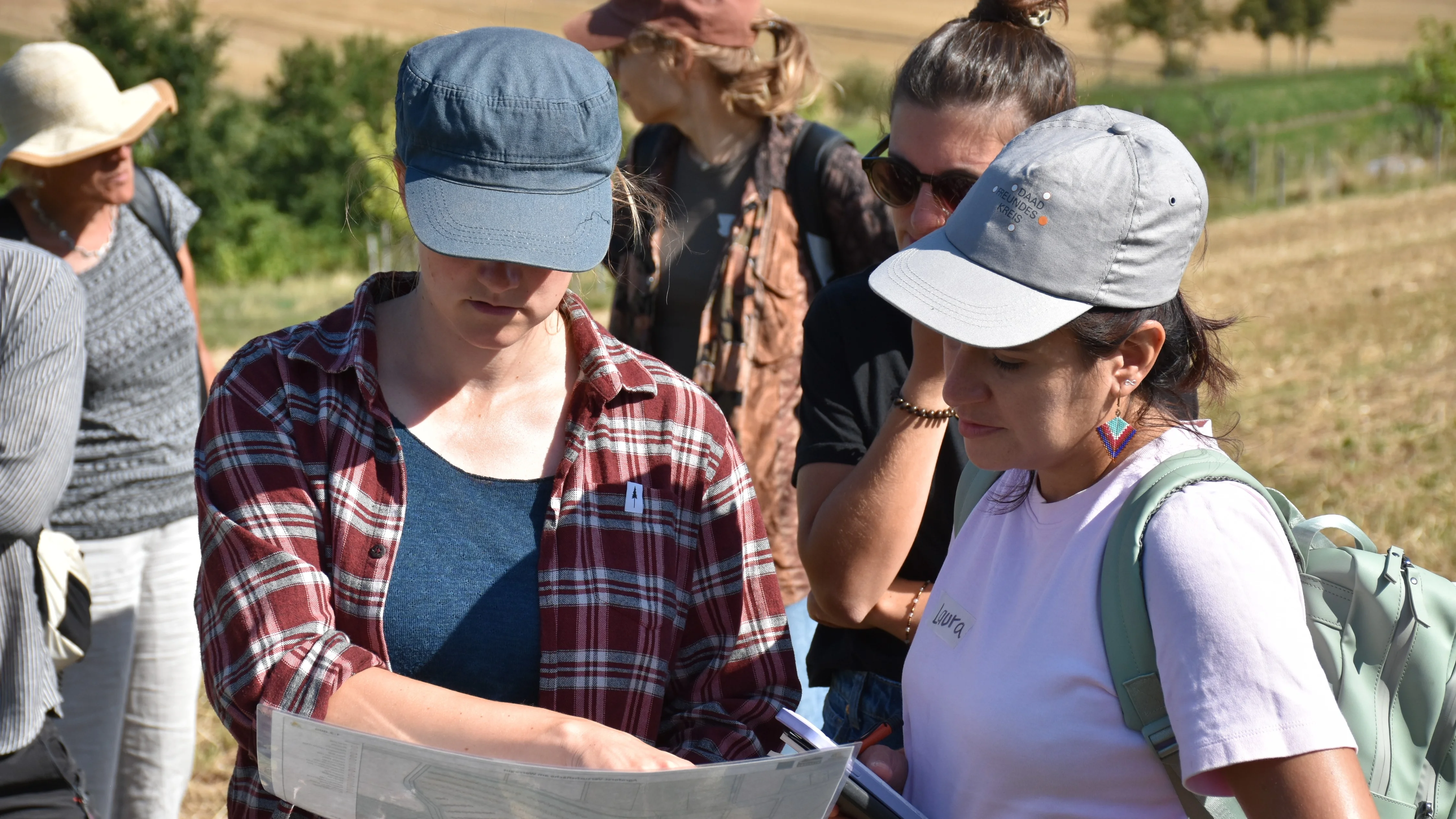
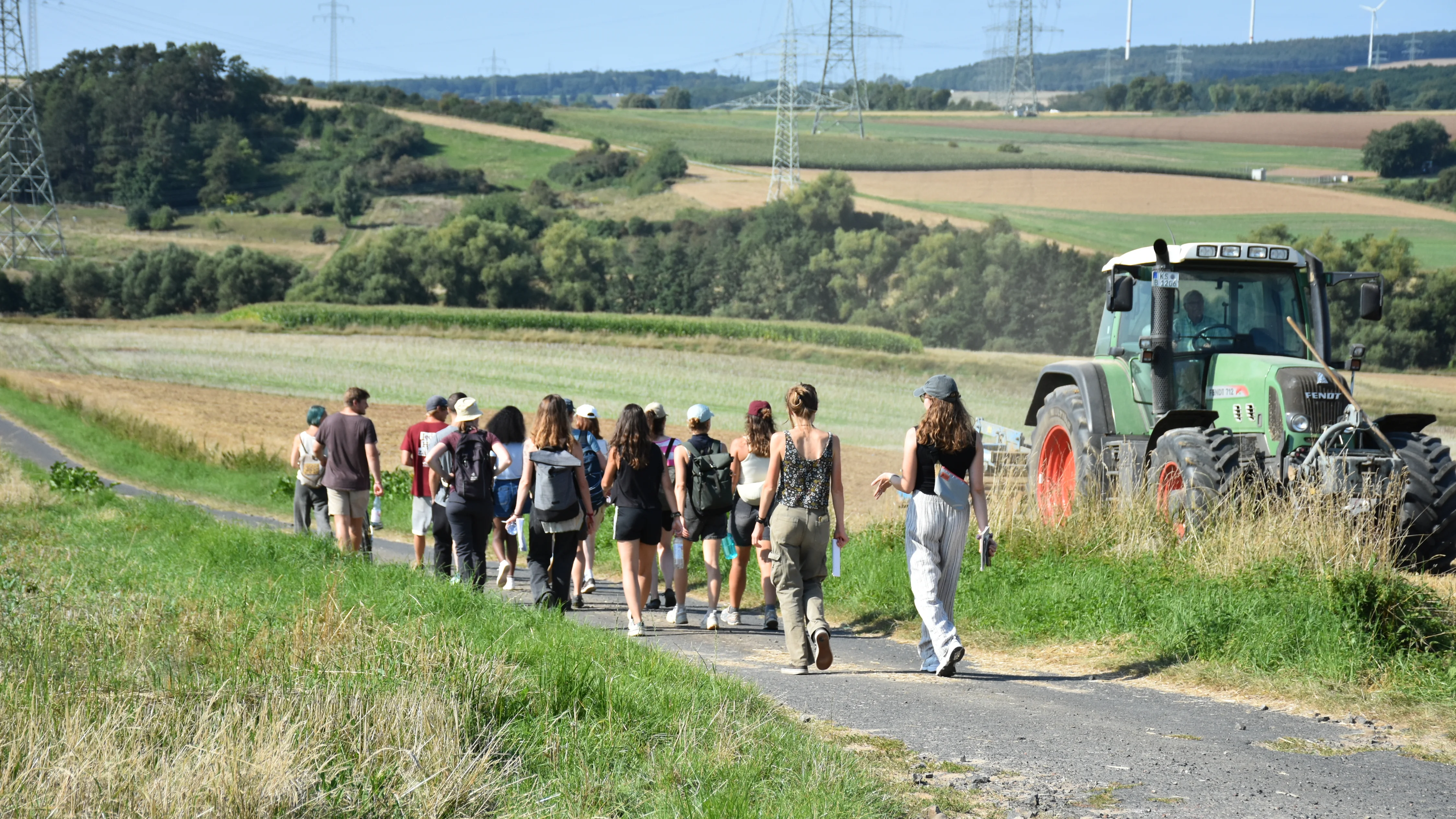
In this International Summer School, you will learn about various perspectives on agrobiodiversity and its contribution to the sustainability and resilience of food systems. In small groups of international students and experts, you will have the chance to deeply investigate opportunities and challenges of the existing local production systems and food supply chains and how they are connected to agrobiodiversity. Together with local stakeholders, you will develop strategies and solutions for addressing their challenges through different aspects of agrobiodiversity. In this program, you will also have the chance to improve your intercultural competencies to work in an international and interdisciplinary context.
Program
The Agrobiodiversity Summer School (ABS) is a collaboration between the ZHAW research group Geography of Food, the Research Institute of Organic Agriculture (FiBL) in Switzerland, the Interuniversity Research Centre for Atlantic Cultural Landscapes (CISPAC) in Spain, a university in Slovenia and a research institute in Hungary - it will be held at a different location every year.
In 2026, the Summer School will take place in Galicia, an autonomous region in northwest Spain with its own language, rich history, and strong cultural identity. Its landscape of rivers, coastal “rías,” and mountain areas has shaped a remarkable diversity of agroecosystems and ways of living. This unique interplay between people, nature, and production systems makes Galicia an inspiring place to explore forward-looking sustainability ideas.
The Summer School consists of a preparatory phase and a 10-days study week. In the preparatory phase (April - September 2026) you will conduct a mini case study related to the local agrobiodiversity of your home country or place of study. During the study week in Galicia, Spain (2nd - 12th of September 2026), you will present the results of your mini case study, visit various case studies in different regions and work on a group project with other participants. After successful completion of the course, you will be awarded 6 ECTS.
Interested to apply for the ABS?
Applications for the ABS 2026 are now closed. Fill the form below, to let us know you are interested and we will inform you as soon as applications for the ABS 2027 are open.
Felder mit Sternchen sind Pflichtfelder.
Past editions
Curious about the Agrobiodiversity Summer School 2025 in Germany? Find photos and stories in our news post.
Listen to our podcast episode below to hear what participants of the Agrobiodiversity Summer School 2023 in Hungary experienced and learned.

Mini Case Studies
As a preparation to the Agrobiodiversity Summer School participants conduct a mini case study. They are asked to analyze and describe a real case from their country, where agrobiodiversity is a relevant aspect. The finished product is a poster that participants present during the study week.
Below, you can find the mini case study posters from 2025 and 2024.
Partners