Geography of Food Research Group
About us
Our food system faces major challenges that require fundamental changes throughout the entire food value chain. Our work focuses on promoting the protein transition and plant-based production for human consumption, closing loops throughout the entire value chain, and strengthening decentralized structures and local food systems. In this way, we enhance the diversity, sustainability, and resilience of the system and drive forward an agroecological transformation—both locally and globally.
An agroecological transformation requires adaptations at all levels of the food system. Thus, we are looking for new solutions in the field (Agriculture & Climate Change), within the value chain (Sustainable Value Chains & Consumption) and across the food system (Regional Food Systems).
Regional Food Systems
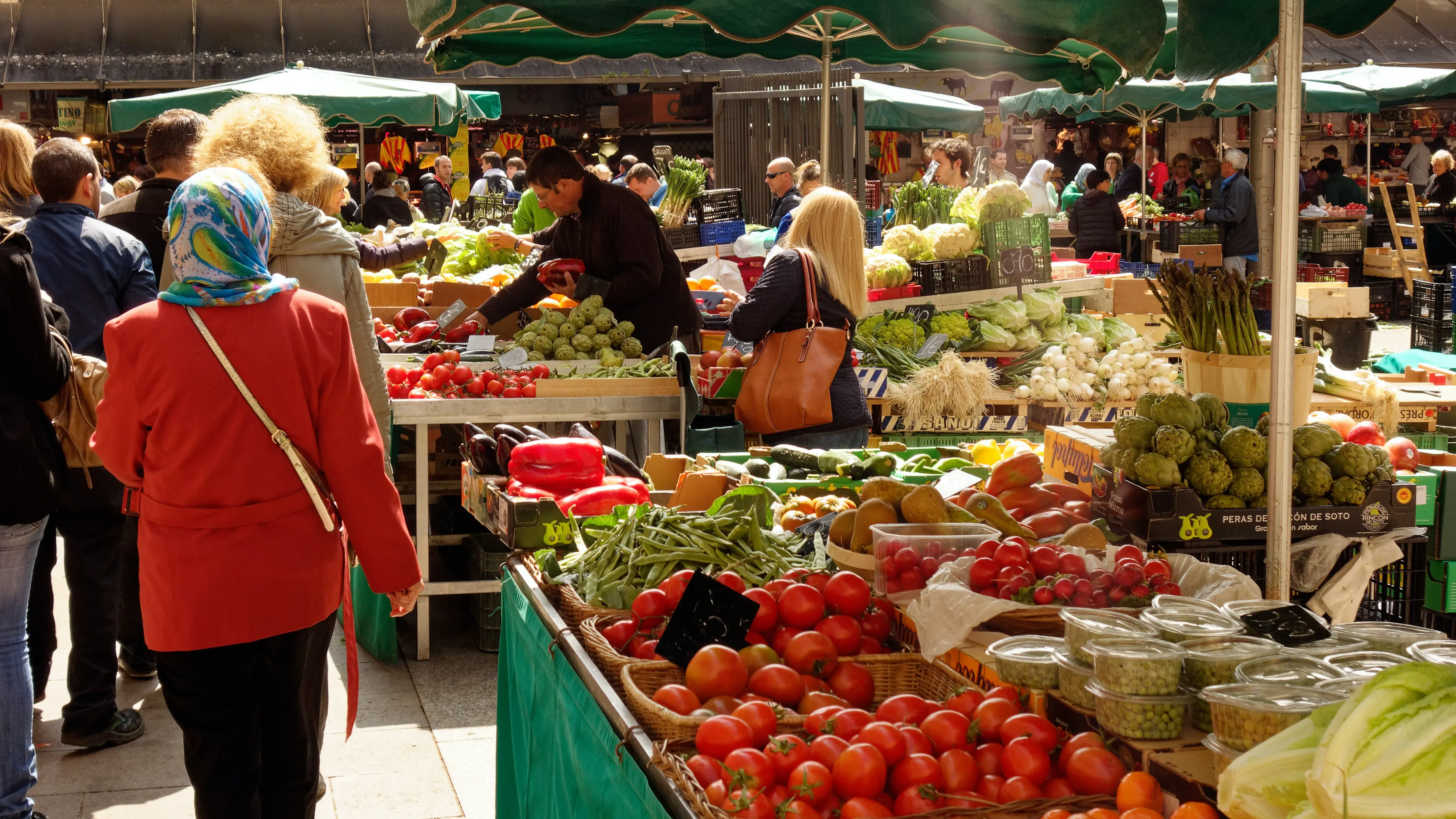
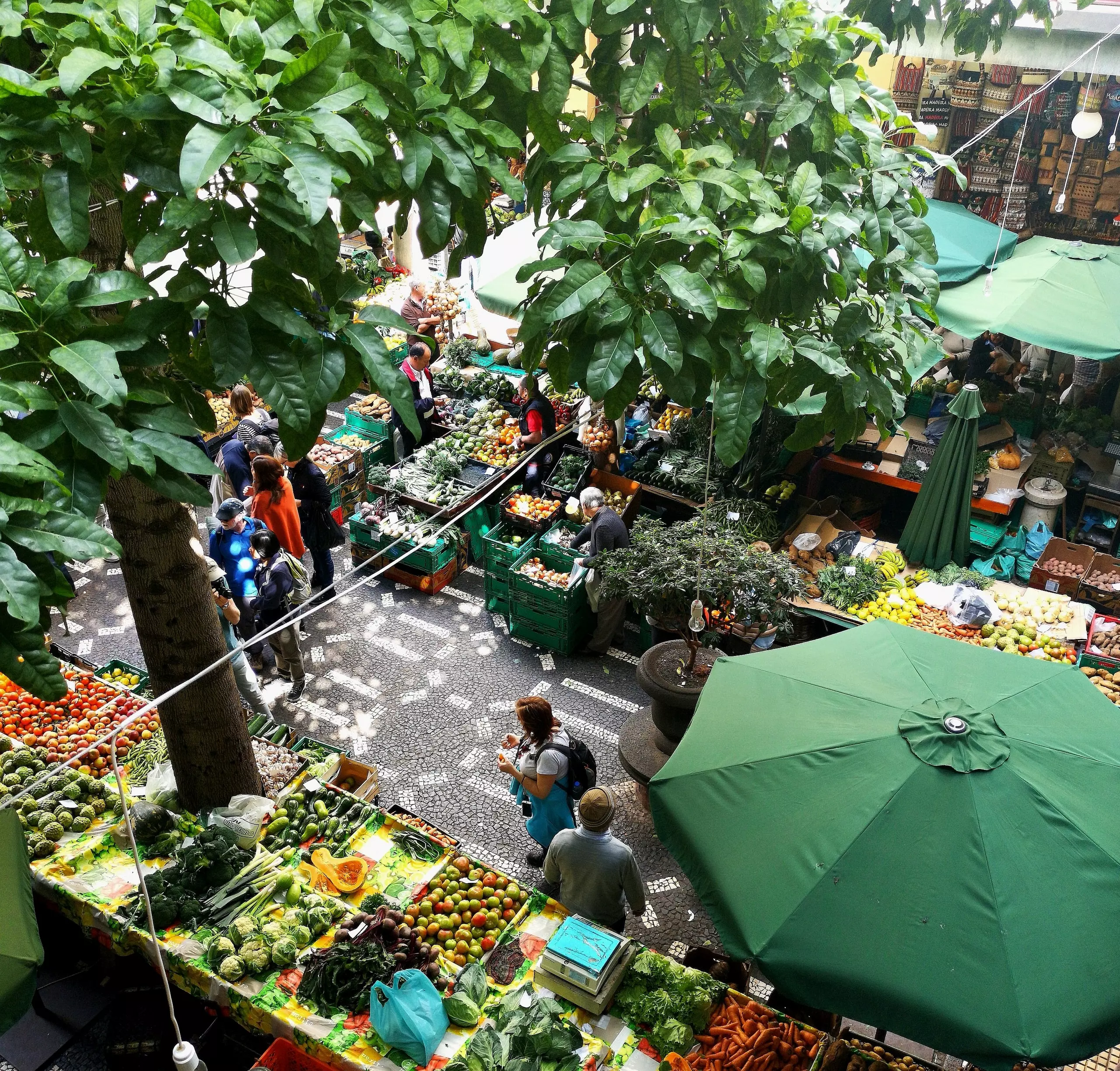
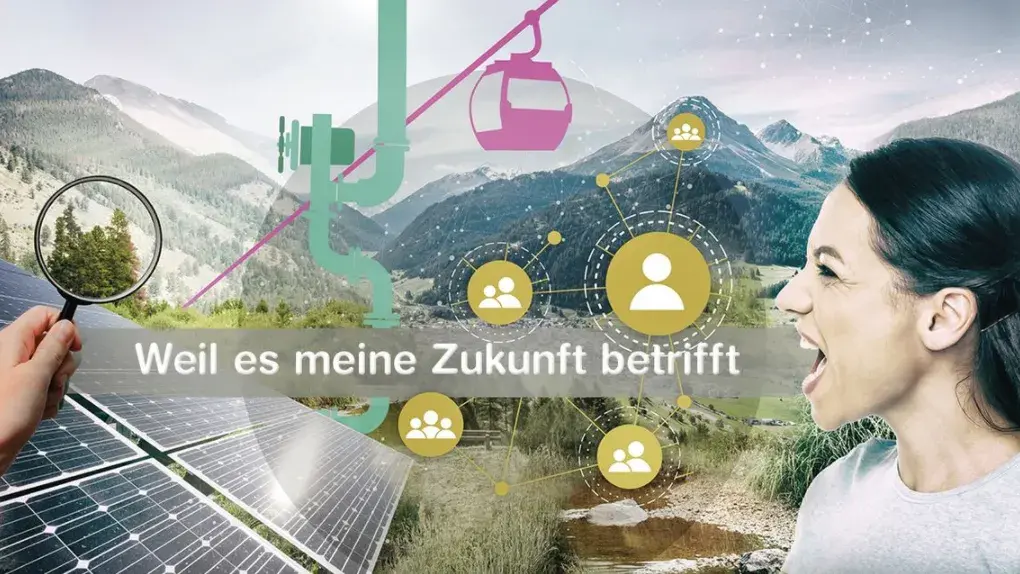
We initiate and support applied projects for a participatory transformation towards more resilient food systems. Regional and circular food strategies enable local value creation, resource-conserving production and resilient societies - for example in Swiss mountain regions.
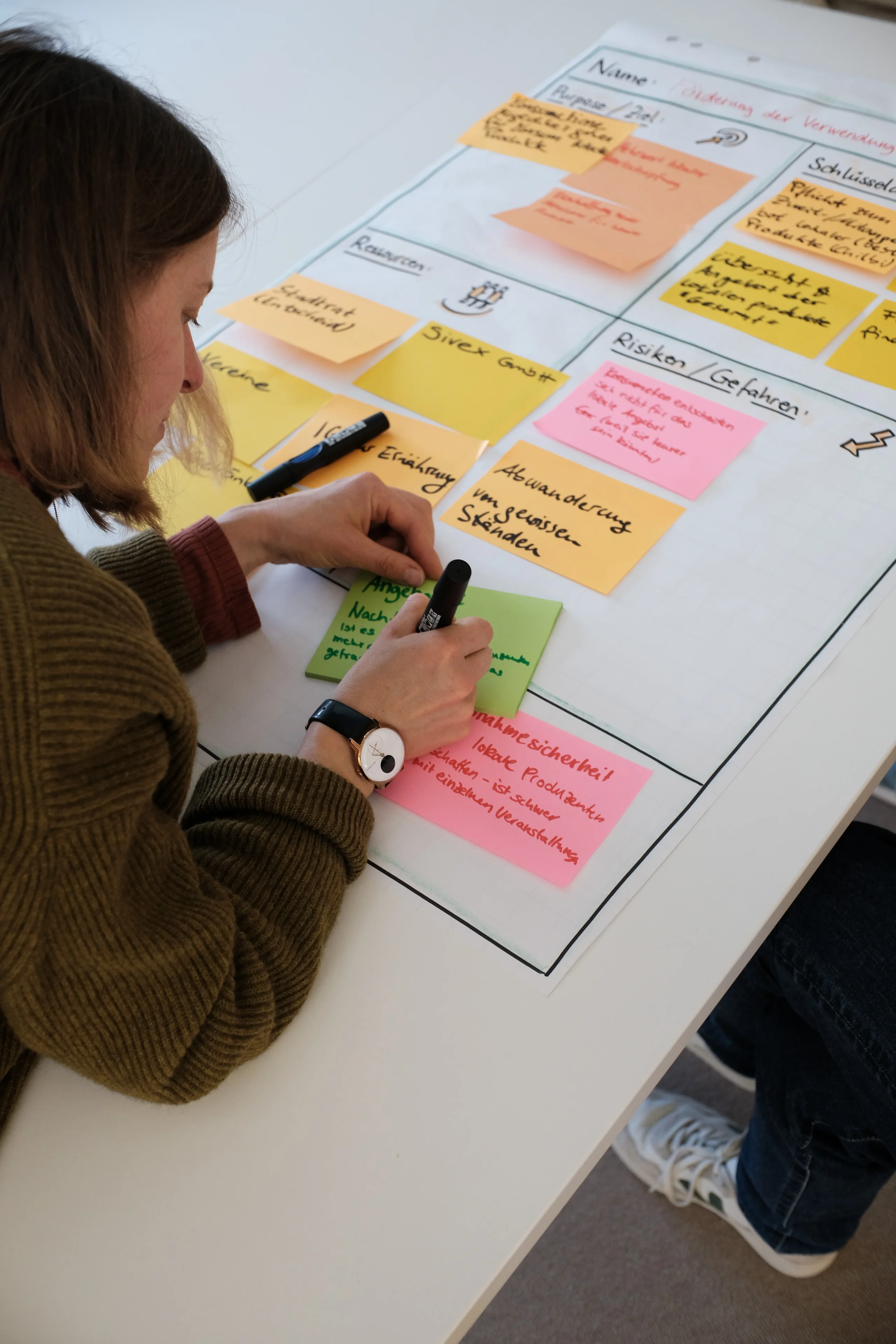
We support the development of alternative food networks and new collaborations. Cooperation with the local population and actors from politics, administration and practice is central to the joint design of regional food systems. Locally adapted solutions are implemented and investigated using participatory methods.
Reference project: Participatory decision-making in food system transformation
Sustainable Value Chains and Consumption
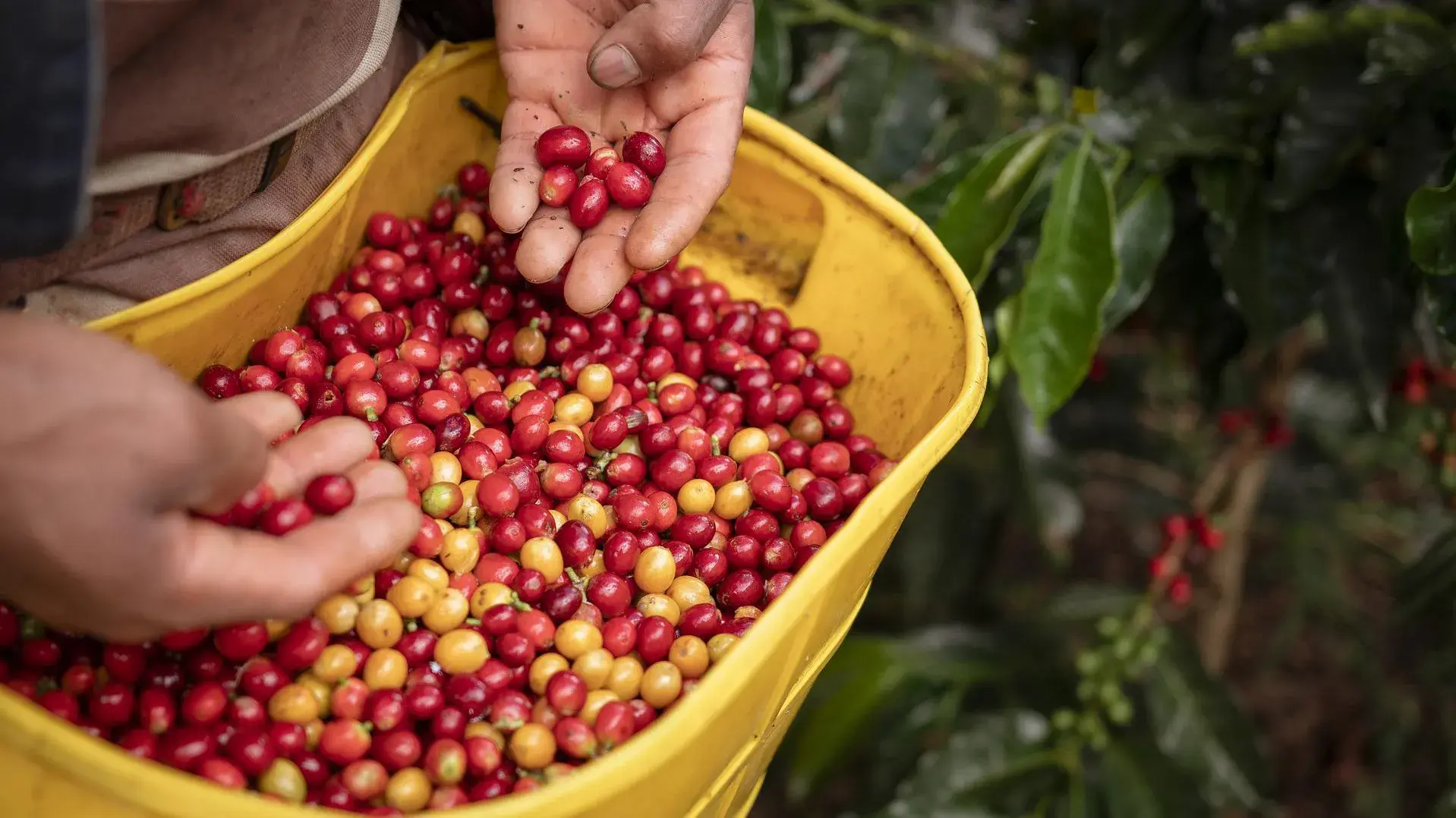
Our goal is to strengthen value chains that contribute to local and global sustainable development. We identify challenges and develop innovative solutions in collaboration with stakeholders in the field. Our approaches range from resource-efficient production to sustainable and healthy offerings in institutional food service, to supporting conscious consumer choices through labeling.
We are committed to promoting short and transparent value chains, fair trade relationships, and closing loops.
Reference projects: MOVING - Mountain Valorization through Interconnectedness and Green Growth
Agriculture and Climate Change
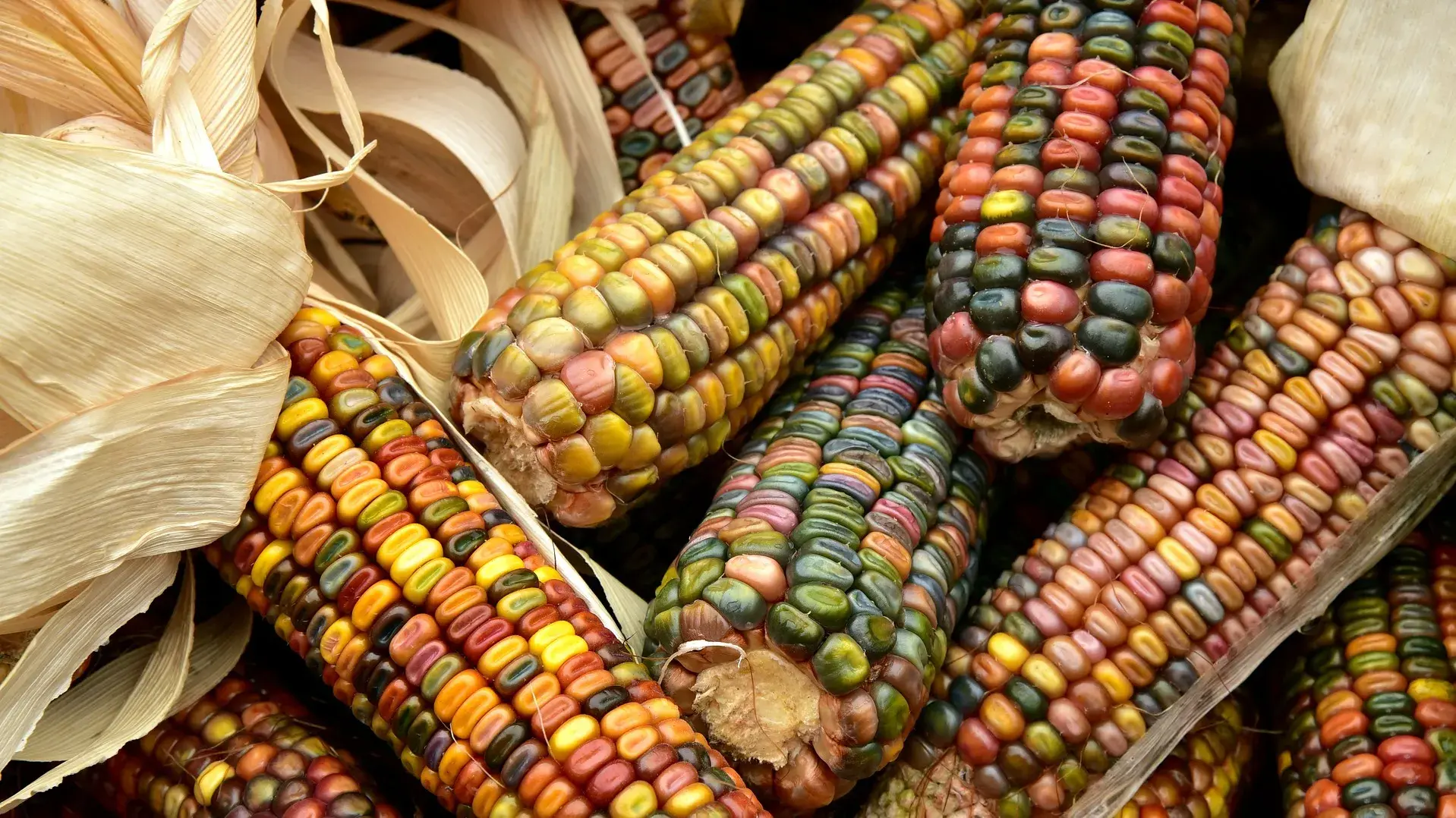
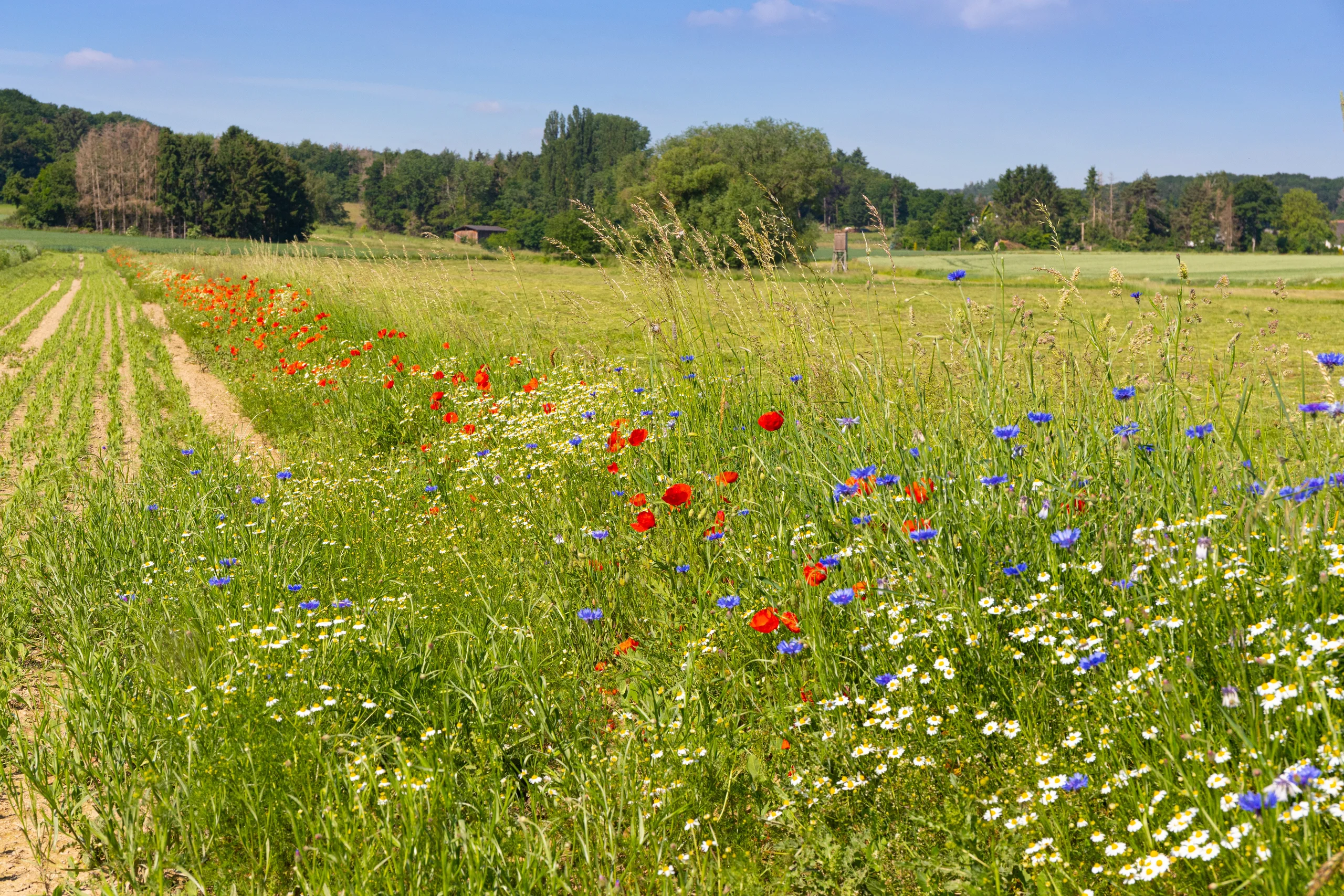
Agriculture is not only heavily affected by the impacts of climate change, but also generates high levels of greenhouse gas emissions itself.
Together with partners from research and the field, we are seeking solutions for climate change adaptation and mitigation. For example, we evaluate the suitability of niche crops for cultivation, develop future scenarios for location-adapted, sustainable production, and conduct research on closing resource cycles. The goal is a diversified, resilient agricultural and food system in accordance with the principles of agroecology.
Reference project: Peatless - Overcoming barriers for the adoption of alternative substrates with less peat content to support the Green Transition in horticulture
As an interdisciplinary team, we combine natural and social science perspectives. In our applied research projects, we explore and develop potential solutions from the field to the plate, supporting decision-makers in policy, practice and at the individual level.
Our competencies include:
- Systems analysis and sustainability assessment in the food system
- Participatory research and project development
- Spatial suitability analyses for sustainable production systems and niche crops
- Foresight studies and scenario development
- Sustainability analysis of value chains
- Awareness raising for sustainable nutrition through scientainment and gamification
In Teaching & Education
Our graduates are committed to the transformation of agricultural and food systems. You will acquire the necessary skills in our modules and in student projects within our interdisciplinary research projects.
Classes & Theses
We teach the following modules in the BSc in Natural Resource Sciences, the MSc in Environment and Natural Resources and the MSc in Circular Economy Management.
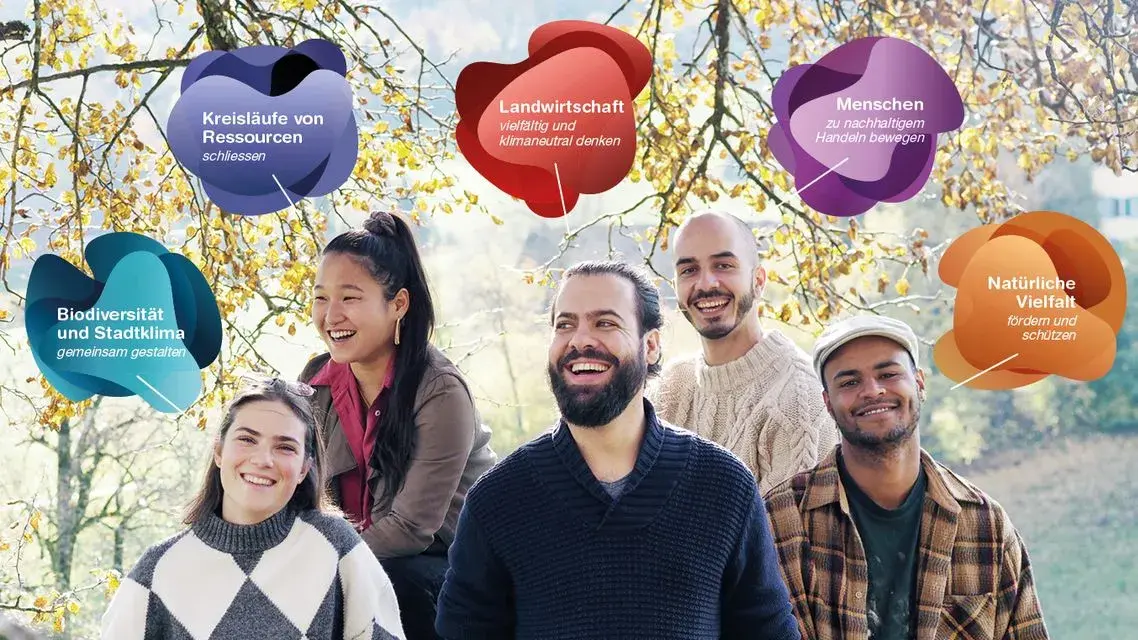
- Ernährungssysteme
- Produzierende Stadt
- Landwirtschaft im Wandel
- Nachhaltigkeitsmonitoring
- Projektmanagement
MSc in Environment and Natural Resources
- Agroecology and Food Systems
- Agriculture for the Future
- Natural Resource Management in Emerging Economies
- Agrobiodiversity Summer School
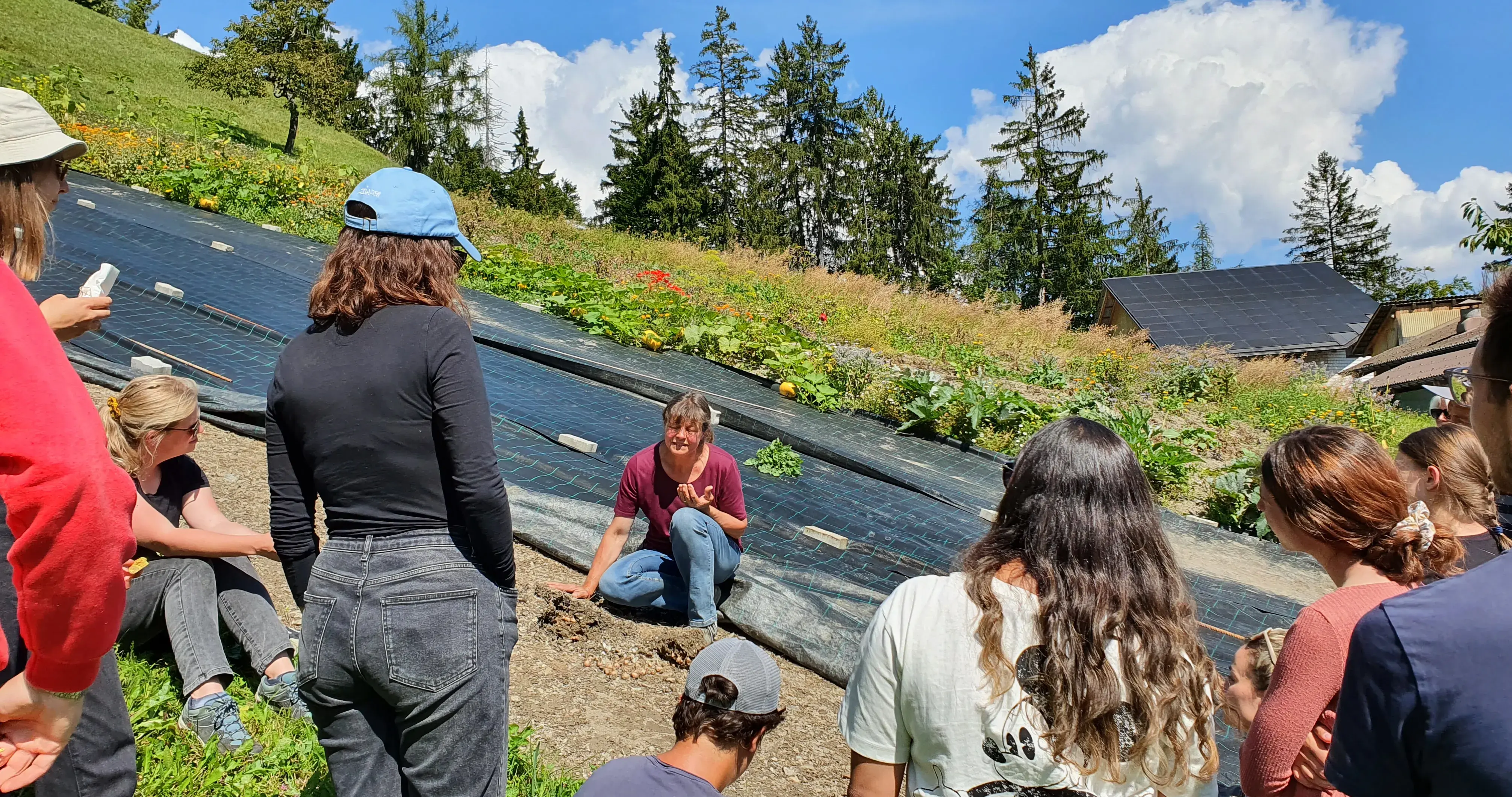
Summer School
Students of ZHAW and other universities have the chance to participate in our International Agrobiodiversity Summer School.
Theses
As a student you contribute directly to our research projects with term papers, bachelor's theses and master's theses. Our interdisciplinary team always offers a variety of topics to choose from.

E-learning courses
Our free e-learning courses are aimed at anyone who is interested in sustainable food systems and wants to contribute to change.
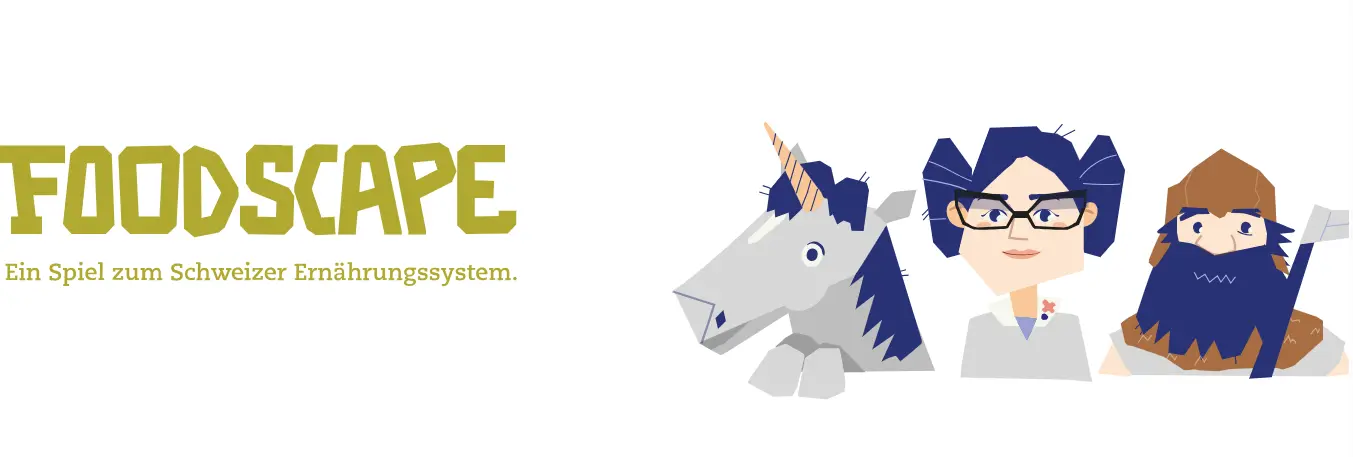
Foodscape
For a younger audience we have developed the online game Foodscape . The game teaches the connections between nutrition, a healthy lifestyle and the use of resources in a playful way.
Cooperations
We would like to thank all our national and international cooperation partners from research, politics, practice and society for the exciting collaboration.







This is a cooperation project between the IUNR and the Research Institutes of Organic Agriculture (FiBL) in Switzerland and Germany. The project is supported by Stiftung Mercator Schweiz. 







This might also interest you
Continuing education
Find out about our wide offer on CAS and courses in continuing education.
IUNR research projects
Find out about the breadth of subjects covered by our Institute.
Study
Continuing education
IUNR research projects
Find out about BSc and MSc programmes at IUNR.
Find out about our wide offer on CAS and courses in continuing education.
Find out about the breadth of subjects covered by our Institute.