Research, Robotics and a Swiss Summer
From autonomous robots and AI-powered navigation to ethical decision-making in power grids – five engineering students from the University of Toronto spent their summer immersed in research projects at the ZHAW School of Engineering. Their experiences show how international collaboration can create opportunities that extend far beyond a traditional semester exchange.
Five undergraduate students from the University of Toronto spent their summer working alongside researchers at the ZHAW School of Engineering. Hosted by the Institute of Mechatronic Systems (IMS) and the Centre for Artificial Intelligence (CAI), they contributed to ongoing research projects in robotics and artificial intelligence while gaining first-hand experience in applied research. The Summer Research Exchange Programme offers students the opportunity to spend up to three months at ZHAW, combining academic exchange with practical project work in internationally connected research teams.
A change of pace
Coming from one of North America's largest universities, the students quickly noticed a very different atmosphere at ZHAW. One student summed it up perfectly: “The University of Toronto is a huge university, probably the size of Winterthur as a whole.” And he was correct:
University of Toronto
approximately 102,400 students and 26.400 employees across three campuses
City of Winterthur
approximately 122,800 residents
That difference was reflected in everyday life. Instead of navigating a vast campus and large lecture halls, the students experienced a close-knit university where research groups are small, collaboration comes naturally and familiar faces quickly become part of daily life.
Turning Ideas into Reality
For all five students, the opportunity to apply what they had learned in class to real research projects was one of the highlights of their stay. While studying at the University of Toronto provides a strong theoretical foundation, working at ZHAW allowed them to experience engineering in action.
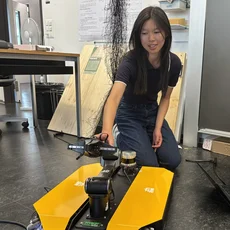
“I really enjoy applying the theoretical knowledge I learned at my home university to practice in the lab here, building a robot that can move autonomously.”
Emily Yanjun Ye
Emily worked on a robotic arm manipulator, teaching it to move autonomously. Seeing code come to life in physical hardware after hours of debugging gave her a completely new perspective on robotics.
Engineering Beyond the Classroom
The projects challenged the students to step beyond their comfort zones. Whether designing mechanical components, developing navigation algorithms or combining robotics with artificial intelligence, every day brought new opportunities to learn.
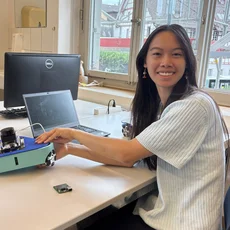
"I love that I have the opportunity to build my knowledge from the ground up and try my hand at many different things, such as mechanical design and software implementation."
Chi Lan Tran
For Chi Lan, working on the next generation of mobile robots that ZHAW uses to help students learn robotics fundamentals, meant understanding not only how robots are programmed, but also how hardware and software interact to create intelligent systems.
Stepping Outside the Comfort Zone
The summer was about much more than research. Living abroad, adapting to another culture and working in an international team helped the students grow personally as well as academically.
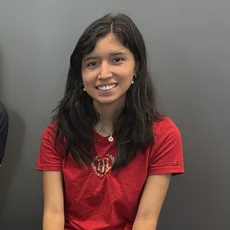
"This project challenged me to explore new concepts while combining robotics and AI. Additionally, I want to preserve the confidence I developed from living and working abroad so I can pursue similar opportunities in the future.”
Camila Sasha Fejoo
Camila developed an AI-supported navigation system for a mobile robot while exploring a field she hopes to focus on in graduate school.
Finding Inspiration beyond the Lab
Exploring Switzerland became an important part of the experience. Hiking in the Alps and travelling by train, boat, funicular and gondola allowed the students to discover the country's diverse landscapes and offered the perfect balance to their intensive research work.
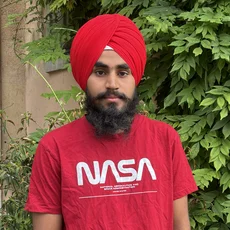
"I've become more open here – exploring different places, planning trips, and trying new things."
Japneet Singh
While researching ethical AI for power grids, Japneet discovered another side of the exchange: the welcoming atmosphere of Winterthur, its lively community and the opportunity to experience a different way of life. For Japneet, "Winterthur feels like a dream place to live."
A place to collaborate
Despite working on different projects, all five students described the same research culture: open, collaborative and supportive. They appreciated how approachable researchers, supervisors and fellow students were, making it easy to ask questions and exchange ideas.
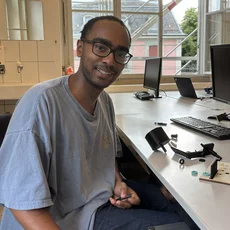
"I love the collaborative and open-minded culture of the ZHAW students as they're ready to talk about their projects with anyone who shows interest."
Menyelek Adefris
For Menyelek, who developed an active caster wheel for future mobile robotics platforms, the collaborative environment was just as valuable as the technical work itself. He would have even wished for more time to complete his project, as a three months deadline is tough.

Strong International Collaboration
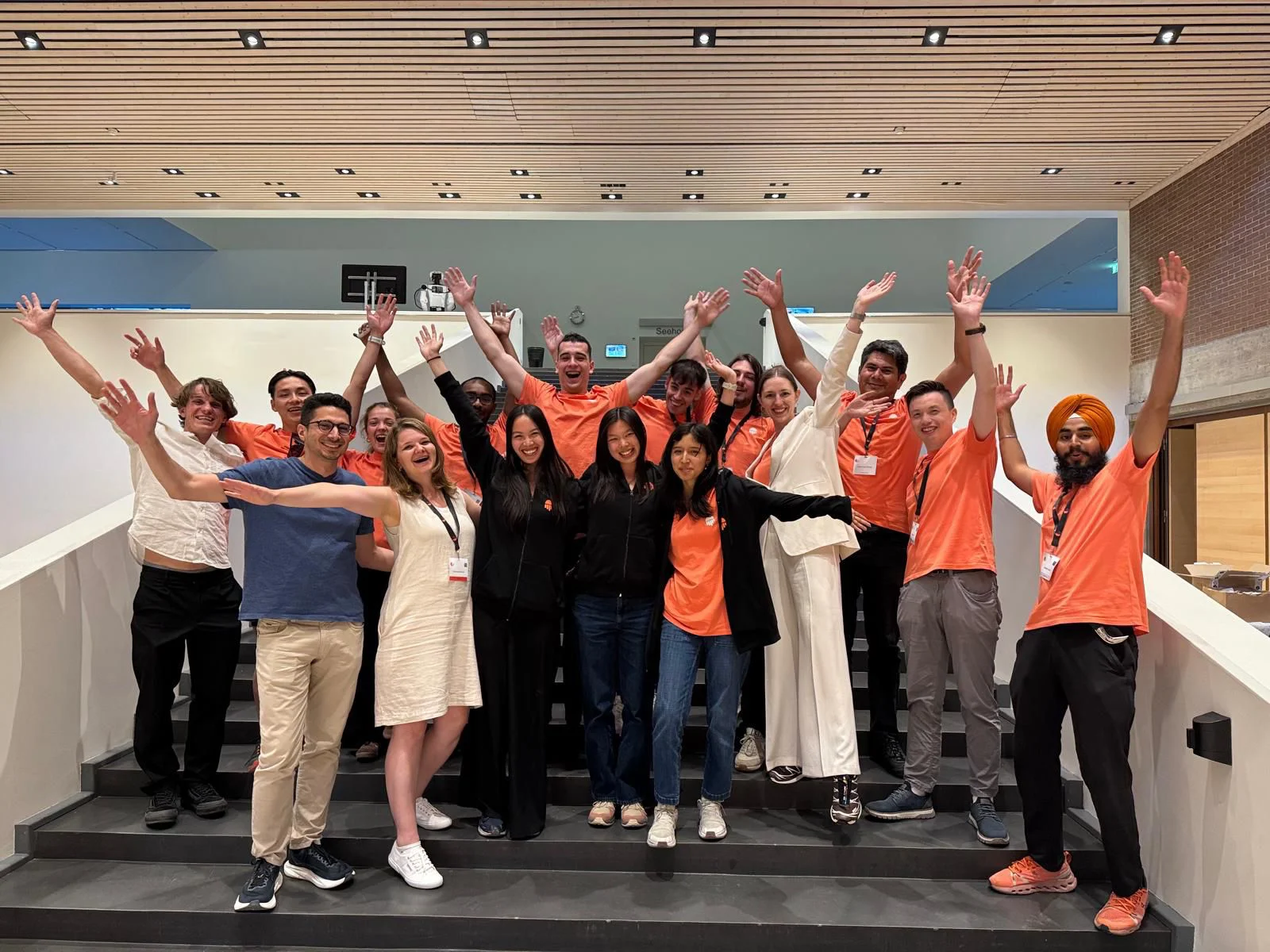
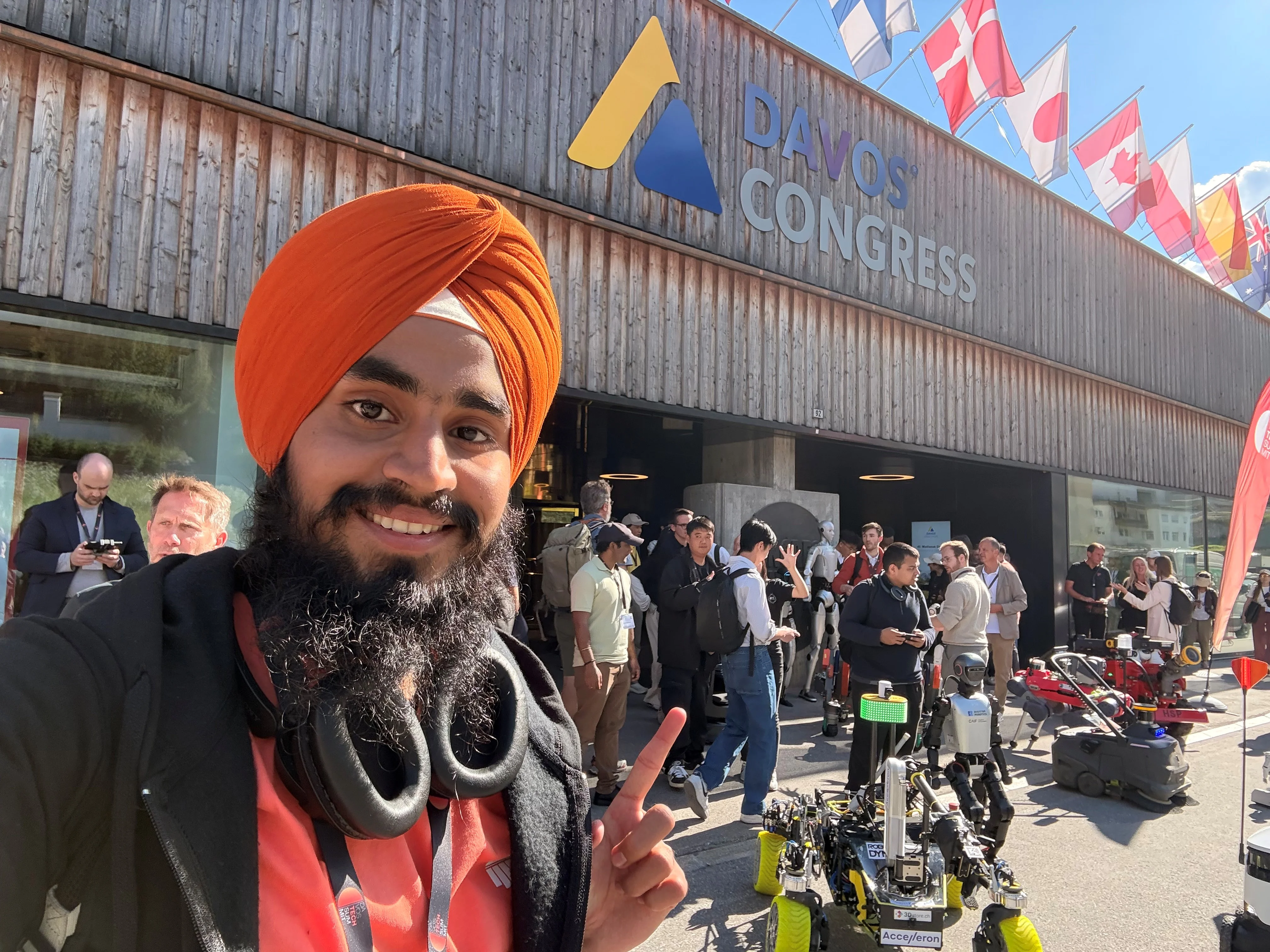
The Summer Research Exchange Programme demonstrates how international collaboration can extend beyond a traditional semester abroad. By joining ongoing research projects, students gain valuable technical expertise, develop intercultural skills and build lasting international networks. At the same time, they contribute fresh ideas to ZHAW's research groups.

"Seeing five talented students from the University of Toronto become part of our research teams has been incredibly rewarding. Programmes like this create lasting connections between people, research groups and universities – and that's exactly what international collaboration is about."
Patricia Heuberger, Head International Relations
Summer Research Exchange Programme
Duration: 3 months
Destinations: University of Toronto, Faculty of Applied Science & Engineering
Next Dates: May – July 2027
Projects:
- Exploring legged robotics for practical tasks
- Design of an omnidirectional mobile robot using omni-wheels
- Mobile Manipulation Vision-Language-Action (VLA) Planner or the Legged robotics for practical tasks option
- Integration of metrics for ethical dimensions in multi-objective reinforcement learning
- Design of an omnidirectional mobile base for robot manipulators used for physical AI research
Facts & Figures, Costs: Currently the programme is only open for UoT students. However, the programme might be open to additional Canadian universities in near future.