Master’s Program at the Institute for Data Science (IDS)
The IDS offers Master's programs as part of the Master of Science in Engineering (MSE) for the profiles Business Engineering, Data Science and Aviation.
Data Science
The MSE in Data Science is based on the three pillars of Data Engineering, Data Analytics and Data Services. At the IDS, you specialize either in Data Analytics or Data Services. In Data Analytics, the focus is on the application of statistical data analysis, as well as machine and deep learning. Data Services focuson data-driven services and business models based on such services.
Examples
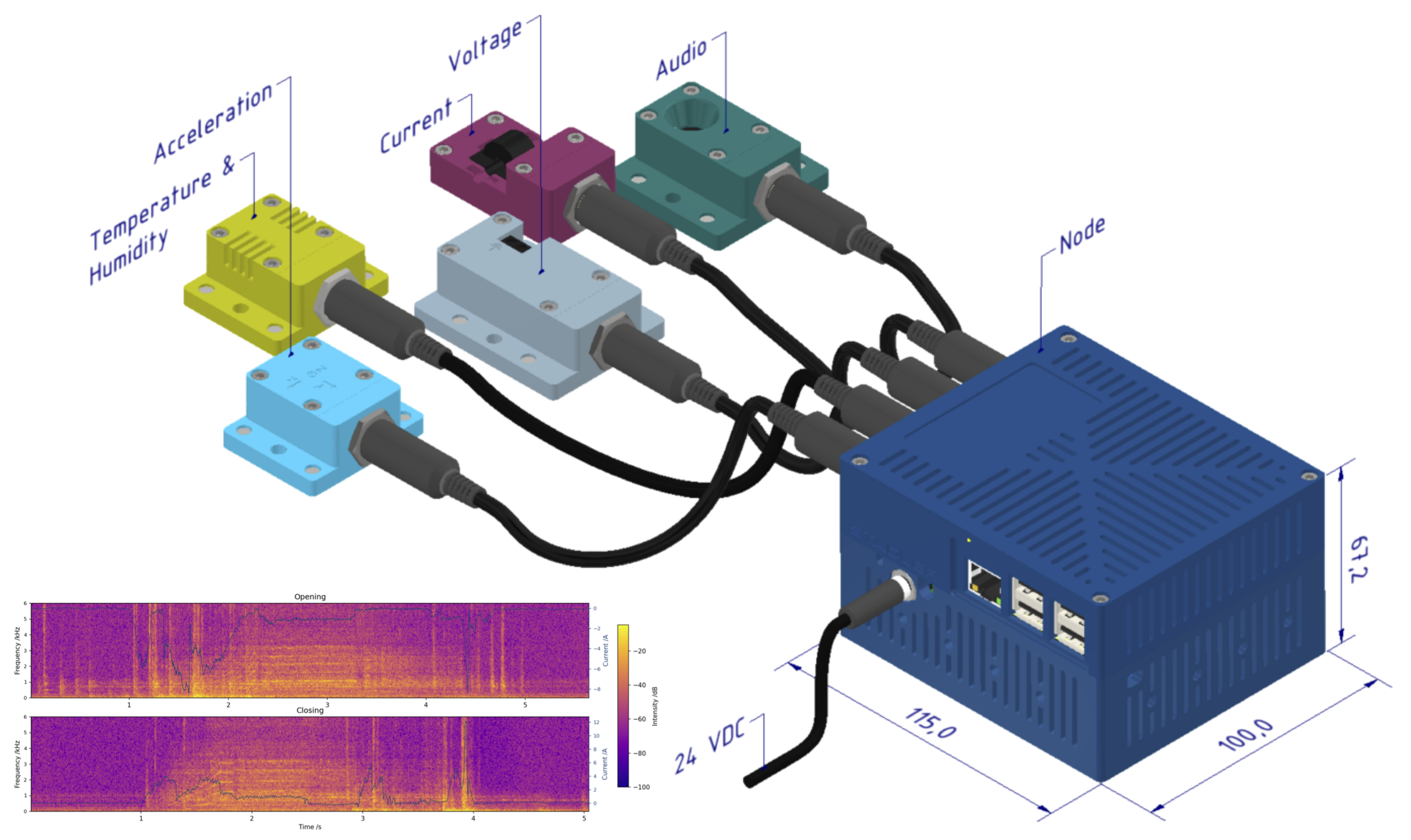
Smarter on the Move Thanks to Intelligent Maintenance (with Stadler Services)
When does a train need maintenance? Older fleets with limited sensor capabilities often make it difficult to capture relevant condition data. This is where MSE student Stephanie Ruch focused her master’s thesis. Her work enables Stadler Rail to plan maintenance with greater precision. She developed an innovative system for condition-based maintenance of rail vehicles, designed to record and analyze key system data, such as vibrations, electrical currents, temperatures, and sound pressure, directly at the component level. A concrete use case involved installing the system on a door of the Frauenfeld-Wil railway. Through targeted testing, Stephanie demonstrated that even small anomalies, such as reduced door-belt tension, can be clearly detected.
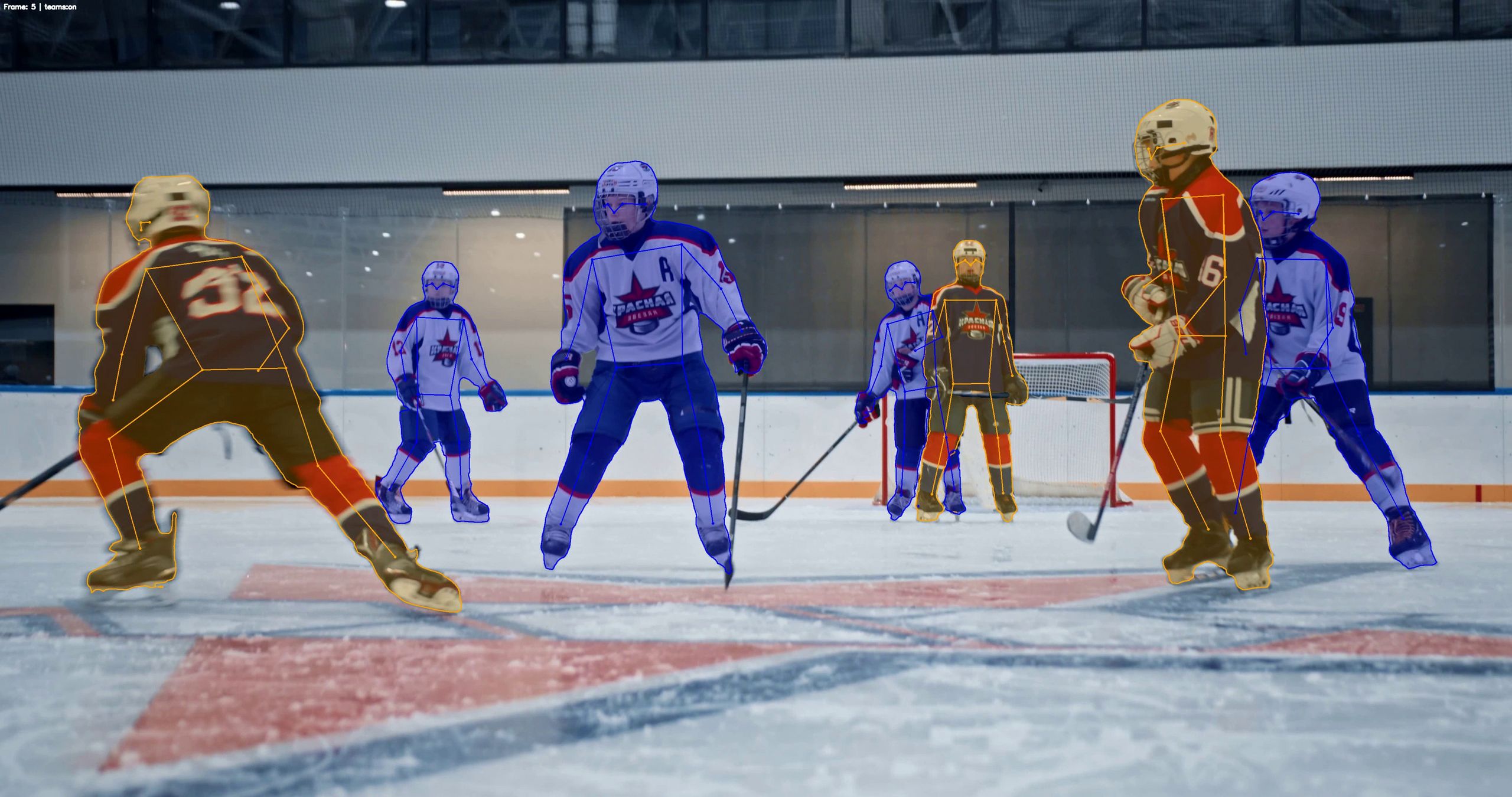
Automatic Team and Player Recognition in Sports Video Data
In sports analytics, match and training data are increasingly evaluated based on video – whether from TV broadcasts, streaming platforms, or dedicated camera systems. To automatically derive meaningful performance indicators from this visual data (e.g. movement patterns, space usage, matchups, or load), teams and individual players must be reliably recognised and tracked over time.
In this specialisation project, a pipeline for automatic team recognition in sports video data was developed and evaluated. It is based on modern, pre-trained computer vision models (for player detection and visual embeddings), which are combined and fine-tuned for our specific application. Using these embeddings, player images are robustly assigned to teams with methods such as UMAP and K-Means. Building on this first step, the pipeline is extended towards fine-grained player recognition, enabling the identification and tracking of individual athletes within a team across video sequences. The resulting solution provides a central foundation for advanced tracking and performance analyses in sports and can be integrated into existing analytics workflows of clubs, leagues, or technology partners.
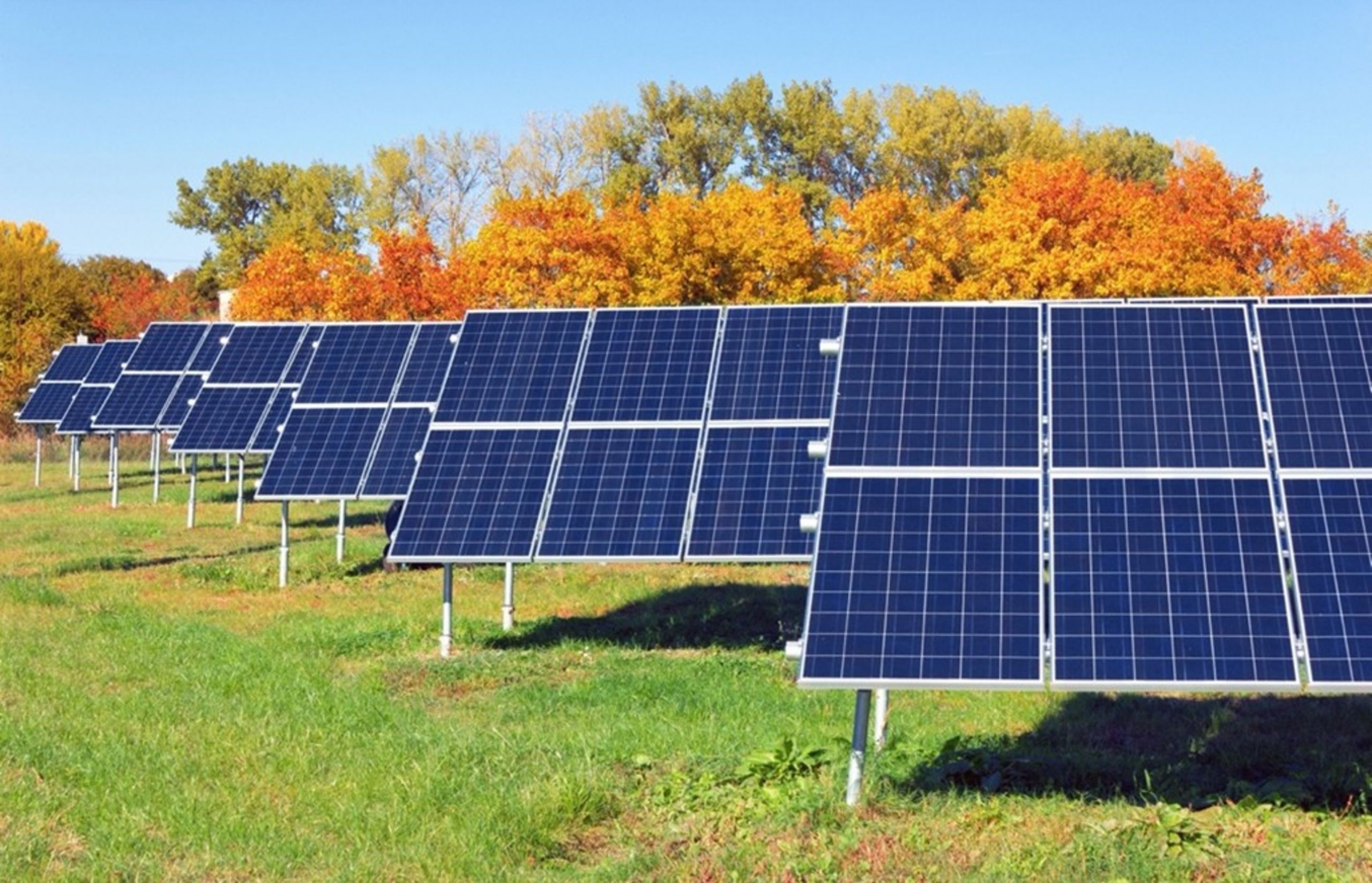
Physics-Informed Deep Learning for Detecting Power Losses in Solar Power Plants
Large scale solar energy production in photovoltaic power plants often suffers from production losses due to various reasons. A common reason for power losses is shading of the solar panels either by neighbouring panels or by external objects like trees or buildings. In this master project we developed an algorithm for the detection of shading losses which can distinguish between the two shading types. To do this, our MSE student Matthias Wüest combined a physical model of the loss mechanism together with a deep convolutional neural network. The algorithms reached high detection and classification performance and is now implemented at our partner company, offering automatic power loss monitoring to PV plant owners.
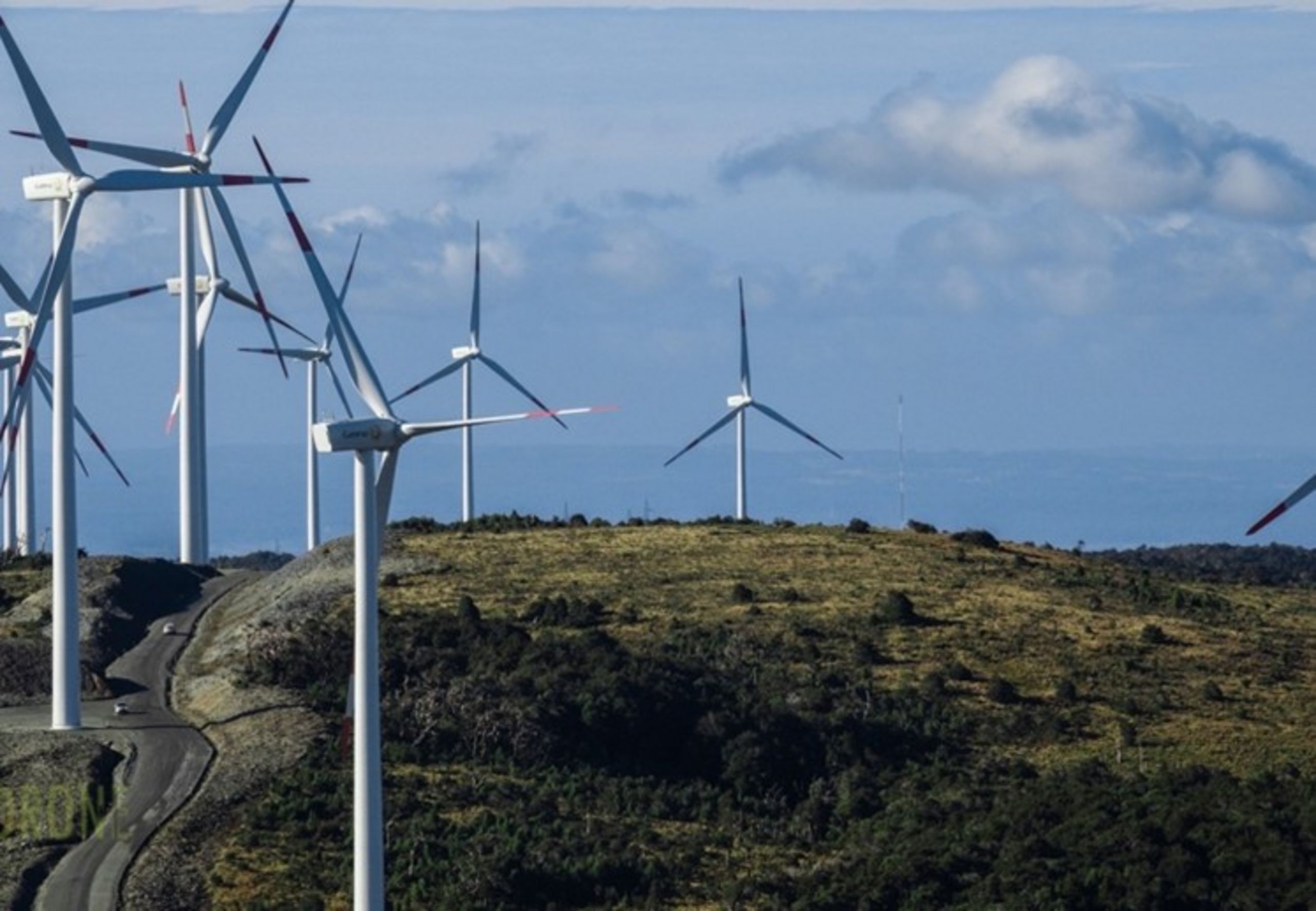
Modelling of Wind Farm Wake Losses using Graph Neural Networks
The growth of wind energy as a renewable energy source is highly dependent on economic investment decisions. Wake effects, which are caused by turbulence and reduced wind speed behind wind turbines, cause up to 20 percent net reduction in power output for larger wind farms, resulting in millions of lost revenue. Modeling the wake effects can help to optimize both the wind farm layout and its operation, such as the power output of the entire farm is maximized.
In this Master thesis our student Lukas Stolz collaborated with a start-up company that offers data analytics for renewable assets. He developed a deep graph neural network model that can be trained on synthetic data and fine-tuned on real operational data from wind farms. The model predicted turbine power deficits caused by wake and reached promising results when tested on data from operational wind farms.
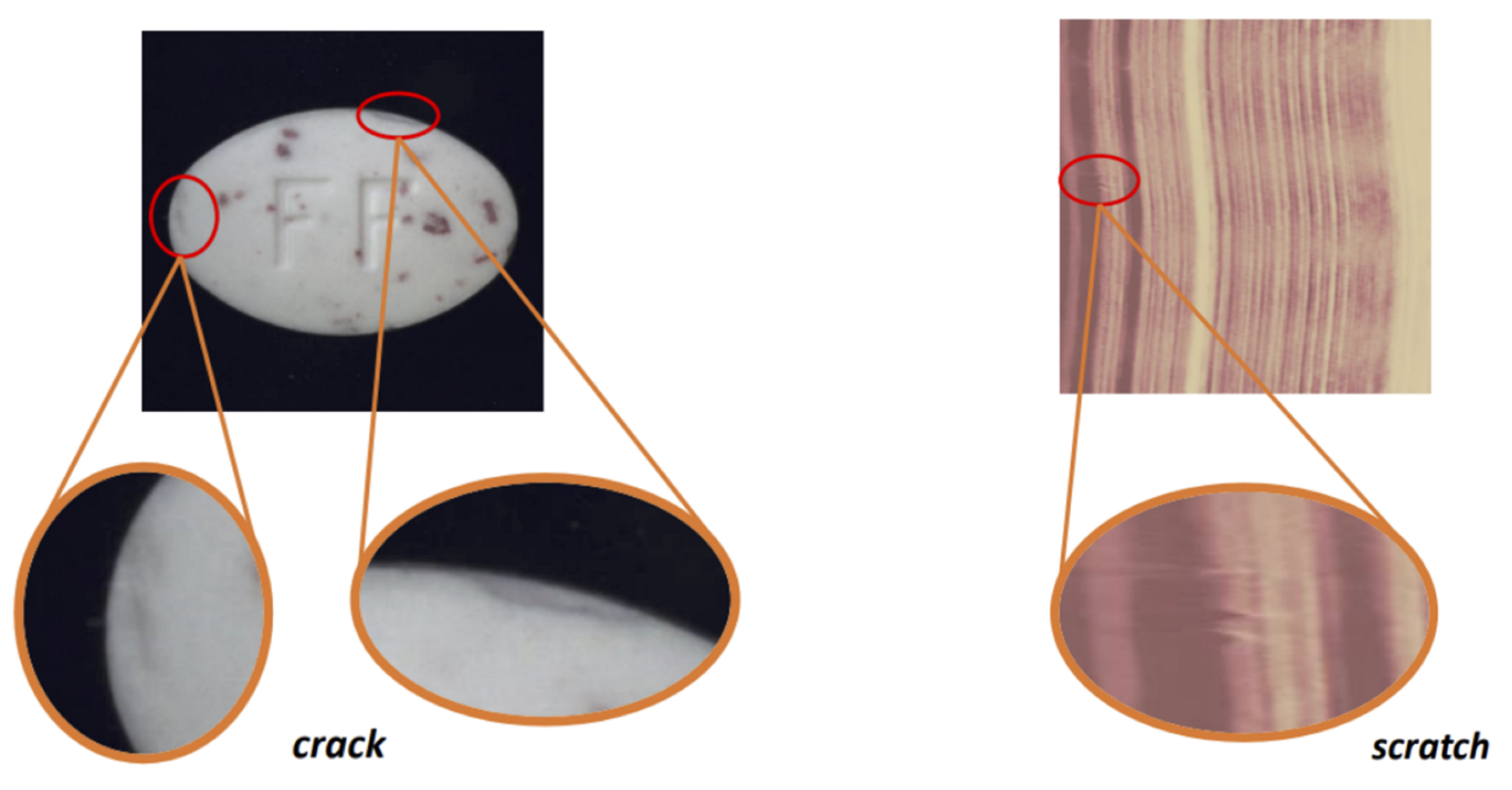
Anomaly detection in Industrial Images using State of the Art Deep Learning Algorithms
Detecting defects and abnormalities in images finds applications in diverse fields, including medical diagnostics, object detection for security or autonomous driving, defect detection in manufacturing and damage monitoring in infrastructures. In recent years there has been an explosion of high performance models that can address this task. The great majority of these models assumes a clean anomaly-free training data set. In this master thesis our student Pascal Bühler investigated the real-world scenario in which anomaly-free dataset cannot be guaranteed. What is the impact on the anomaly detection performance of deep learning models? Can we suggest algorithms that improve the performance in case it shows deterioration due to dataset contamination? In particular he focused on visual transformer models that have recently become very popular.

Volumetric Video Capture (with Imverse & Logitech)
Virtual and augmented reality are increasingly integrated into everyday life, making volumetric video—also known as holograms—more feasible and relevant. Imverse, a Swiss startup, enables the creation of live volumetric holograms of people and objects using only a few cameras. Their software and algorithms allow 3D captures to be accessed in Unity and form the basis of this thesis. Conducted in collaboration with Imverse and Logitech, the project explores the possibilities of working with voxel-based hologram data. The focus lies on applying algorithms to voxel data at runtime, efficient storage of volumetric video, and data improvements. Several modifications and visual effects, including a Minecraft-style effect, are presented. Despite limited data compared to point clouds, results show that hologram quality can be improved and modified in real time, highlighting the strong potential of volumetric holograms for educational applications.

Automated image labeling and marker-less deep-learning-based 3D detection for surgical wires (with University Hospital Balgrist)
Augmented reality is becoming increasingly important in surgery to support surgeons during interventions. While larger surgical instruments are already tracked, smaller objects such as surgical wires (K-wires) are often neglected, despite their widespread use. This work proposes a novel markerless approach for tracking K-wires to enable computer-assisted surgical navigation. The system rapidly generates large amounts of annotated stereo image data, which are used to train deep learning models for K-wire detection. The method was developed and evaluated on a lumbosacral spine phantom. The deep learning-based markerless K-wire detection achieved a mean error of 6.11 mm ± 1.33 mm to the ground truth labels. The results demonstrate the potential of the proposed approach for generating high-quality training data and reliable marker-free K-wire detection.

Visual Dome (with webcam artist Kurt Caviezel)
Step inside a virtual dome using an Oculus head-mounted display and immerse yourself in Watching the World, a live, ever-changing panorama of real images streamed from webcams around the globe. Surrounded by a 360-degree environment, visitors encounter cityscapes, landscapes, and remote places in real time, creating the sensation of being present in many locations at once. Different visual themes can be selected to explore the material in multiple ways: from large-scale panoramic views to dense mosaics composed of countless individual webcam snapshots. In an interactive mode, the experience becomes playful and physical -- images fly toward the viewer and can be punched or shot, transforming passive observation into active engagement. Built on the award-winning Watching the World project, this immersive VR installation invites reflection on surveillance, global interconnectedness, and the blurred boundary between observing and being observed in a world saturated with cameras.
Link: https://webcamaze.engineering.zhaw.ch/
Business Engineering
An MSE degree with a focus on Business Engineering at IDS enables students to develop, produce and distribute innovative products and services, as well as to improve processes and business models. Students take account of quality, risk management and life cycle aspects and can make targeted use of management information systems, tools that provide support during decision-making processes and quantitative methods for the analysis of business and production processes, markets and customers.
Examples
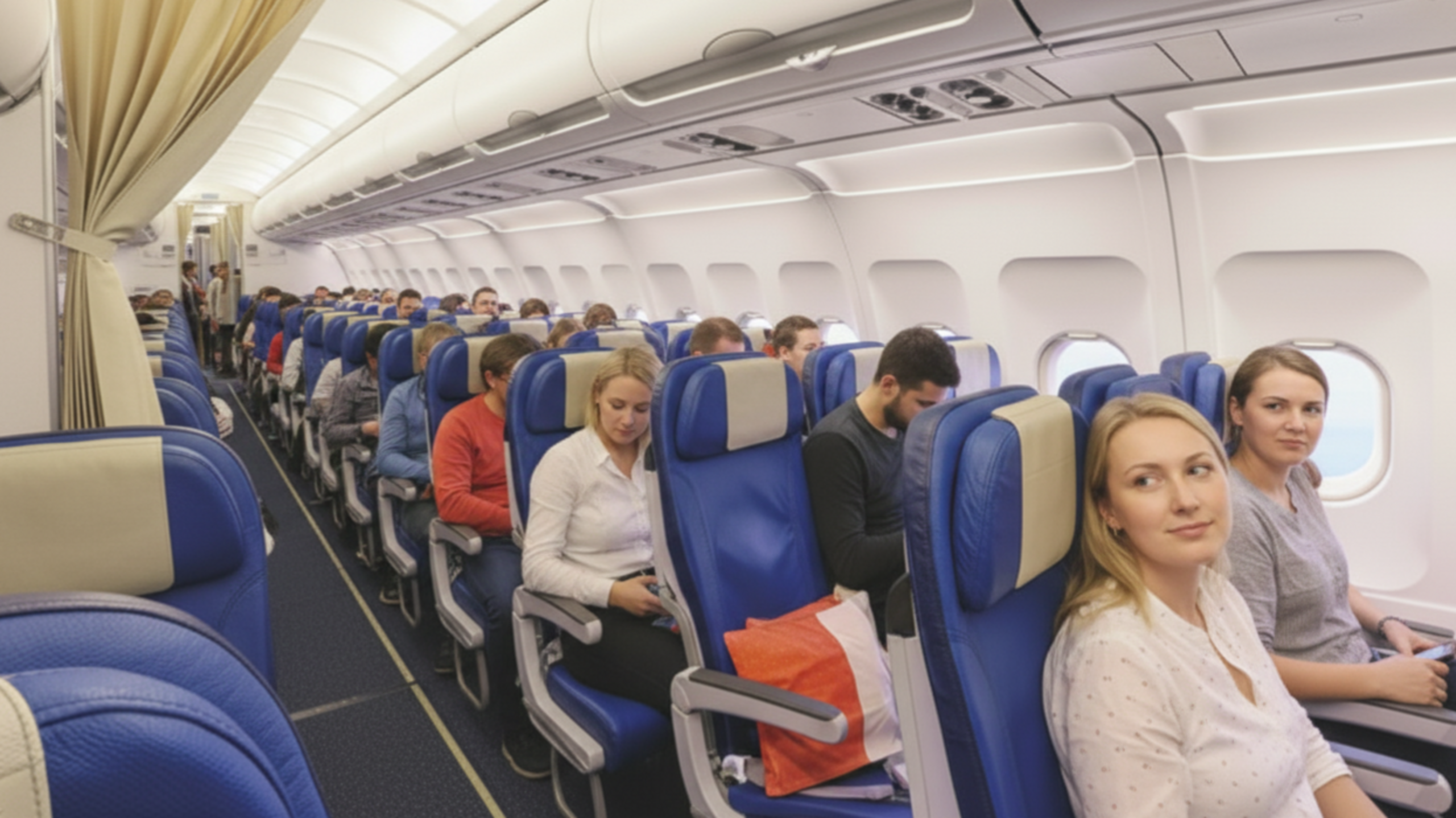
Optimal size of the business class compartment on short-haul flights
Many short-haul aircraft use movable dividers to adjust the size of business and economy class. This thesis explores how to find the optimal size for the business class cabin to maximize expected revenue for each flight before it goes on sale.
Using the Expected Marginal Seat Revenue (EMSR) method, the study analyzed 12 months of flight data from an airline. The results showed that optimizing the cabin divider for individual flights could increase annual revenue by 2% compared to the current situation. This optimization is heavily influenced by the flight's destination and by seasonality. Potential is highest during school holidays, when high-demand economy travel favors a smaller business class.
A simpler approach, setting one optimal position for an entire route, was also studied. While less effective, this "route-level" strategy for movable dividers still offered a potential revenue increase of about 1%.
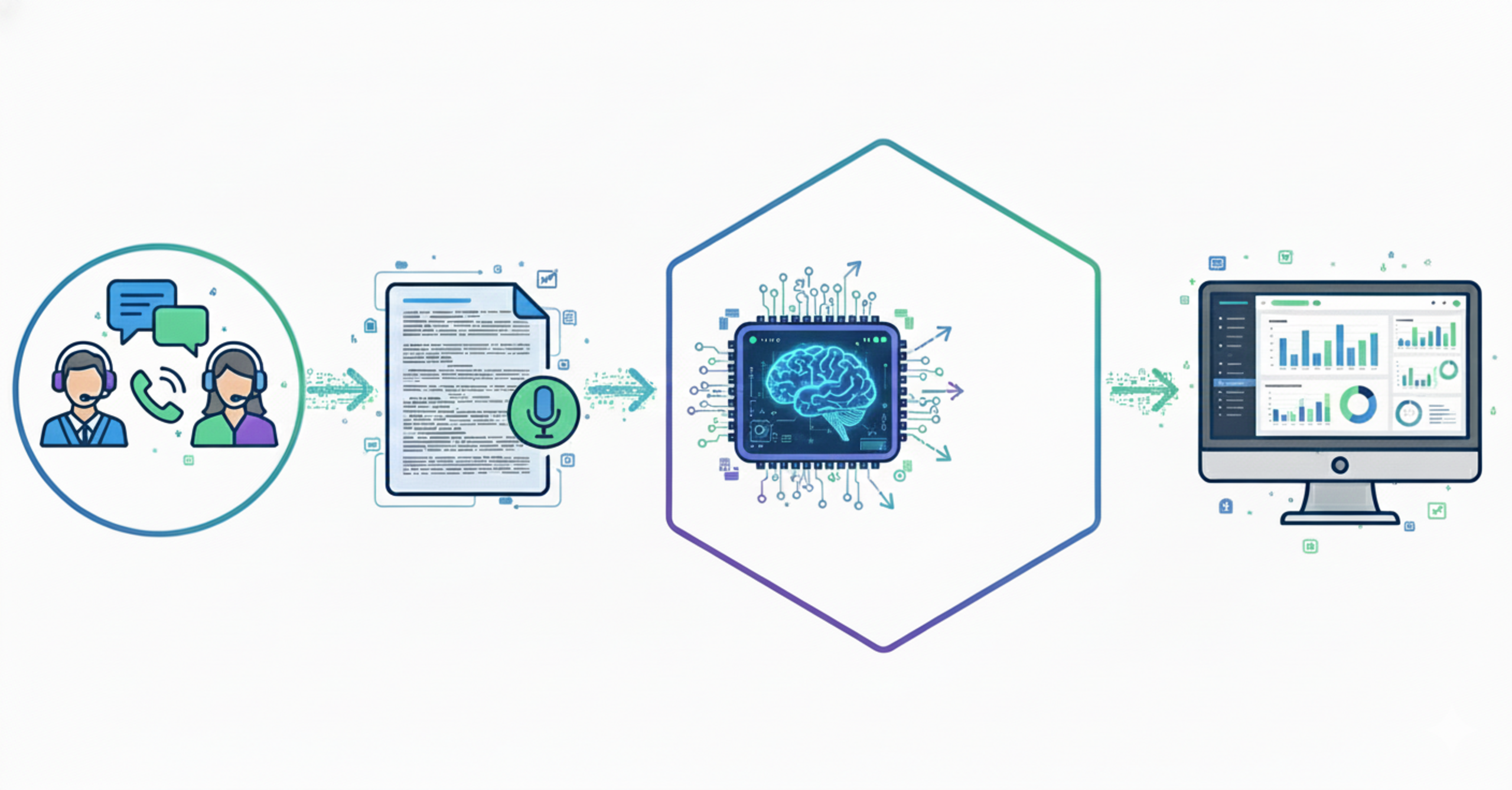
Automated Analysis of Customer Service Data Using Large Language Models
A Swiss technology company's customer service department handles a wide variety of customer inquiries. However, a systematic transparency regarding the content of these inquiries and their relation to specific products—a central prerequisite for business management control—was previously missing. In the context of this MSE thesis, a local Large Language Model was prototypically developed and evaluated. The model automatically analyzes generated conversation transcripts and creates classifications that enable data-based steering and controlling of the customer service department.
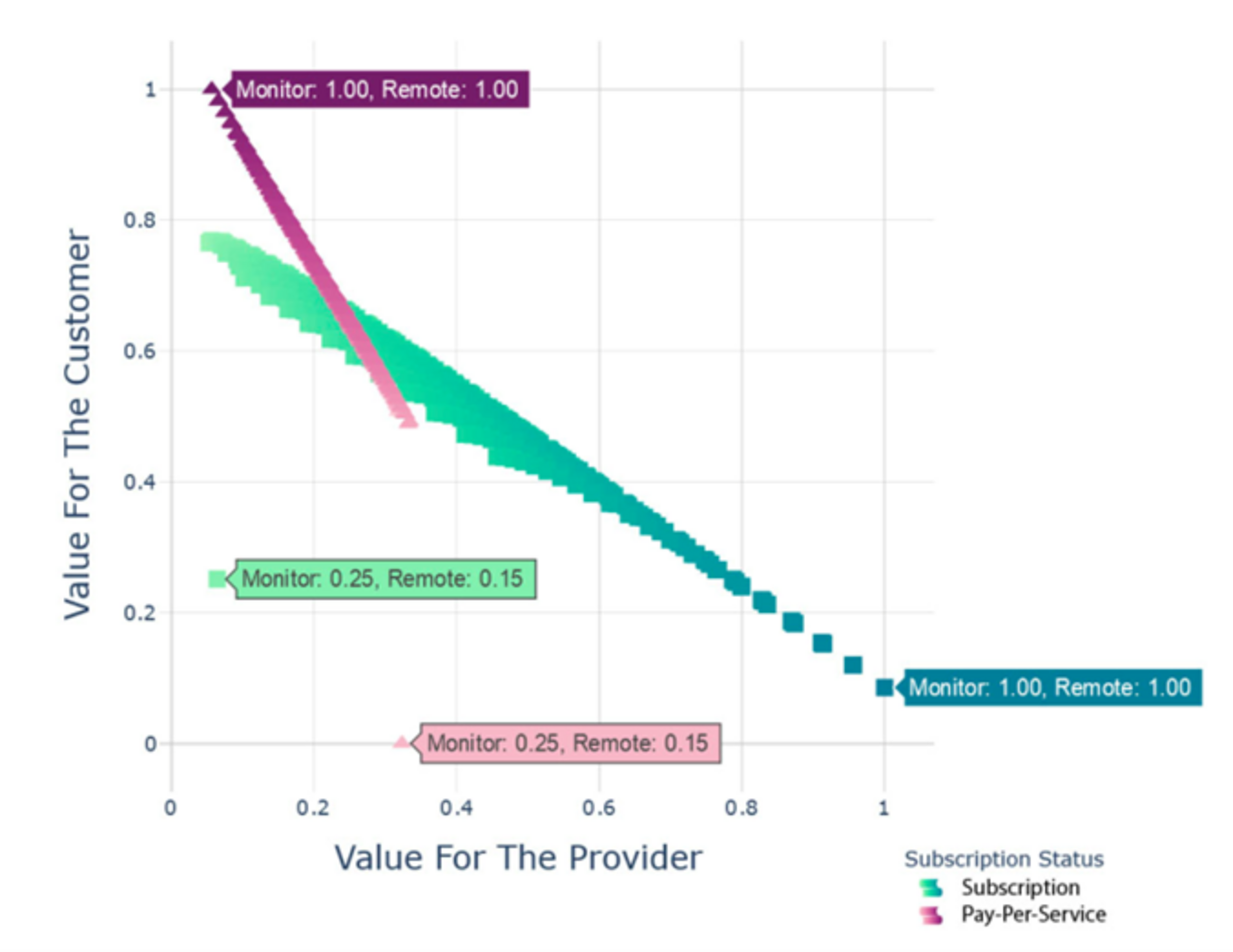
Economic and Environmental Value Creation through Digital Services in Building Management
Building Management Systems (BMS) collect vast amounts of data that often remain underutilized. This master’s thesis develops a model to quantify the economic and ecological benefits of increased digitalization—particularly through monitoring and remote services. Using a real-world case from the emergency lighting industry, the study demonstrates how digital services can boost efficiency, reduce costs, and minimize environmental impact. It also analyzes the transition from traditional pay-per-service models to subscription-based offerings—a strategic move for providers to combine value creation with sustainability.
The following scientific article was published based on this project:
https://doi.org/10.21256/zhaw-30883
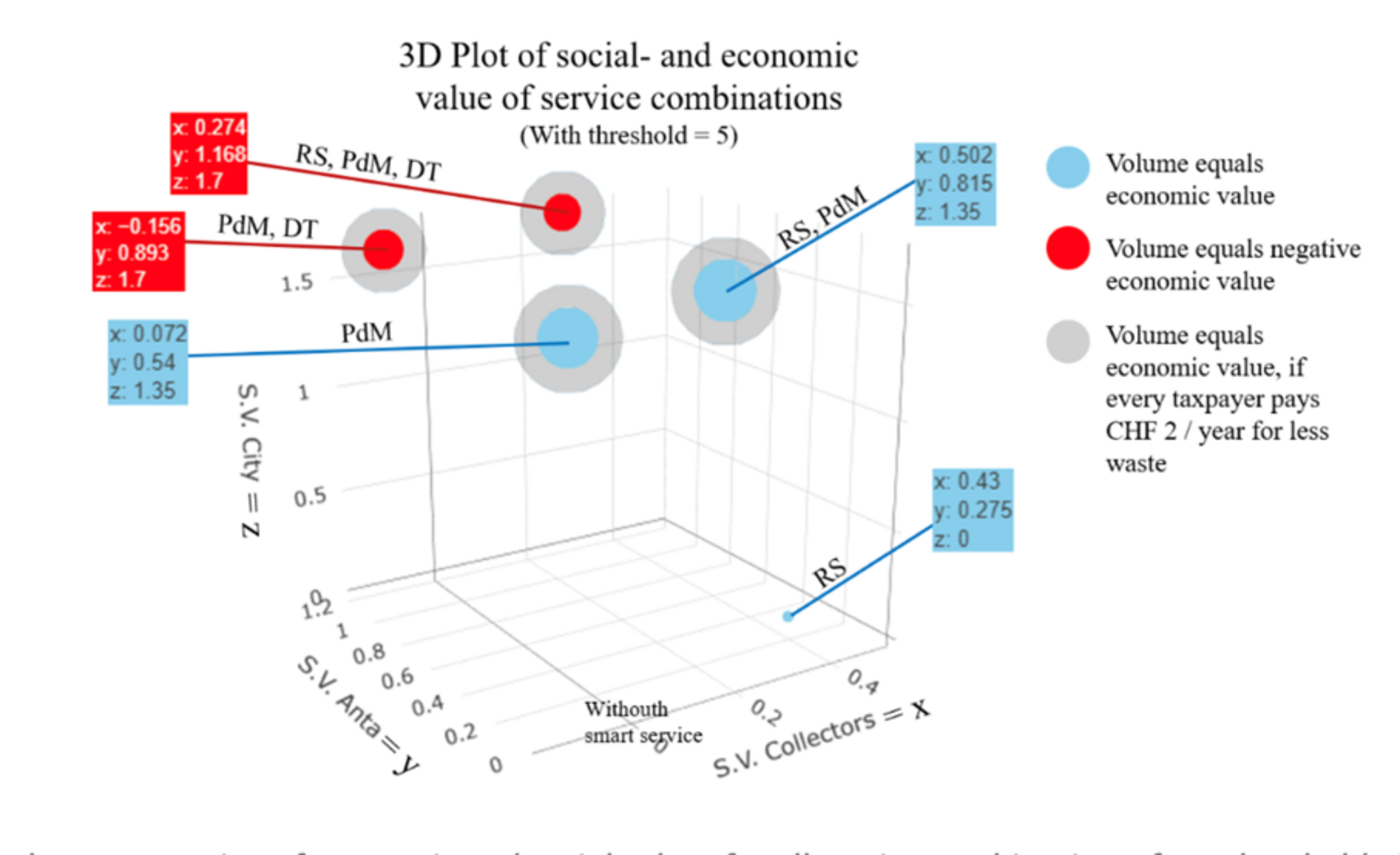
Social Value Creation through Data-Driven Smart Services
Smart services in industry—such as remote service, predictive maintenance, and digital twins—are often evaluated for their economic and environmental benefits. This master’s thesis goes further by developing a quantitative model to assess their social impact across stakeholders. Using a case study in smart waste management, the research explores how these services influence health, safety, employment, and well-being, and analyzes trade-offs between social and economic value. The findings show that data-driven services can generate significant social benefits when implemented under the right conditions, offering a framework for sustainable industrial transformation.
Aviation
The MSE in Aviation at IDS prepares students for operational and organizational challenges in air transport. Throughout the program, students gain solid theoretical knowledge and hands-on skills in aviation infrastructure planning and operations, mobility analysis and modeling in the context of aviation, and the asset management of technical systems.
Examples
Uncertainty-Aware Anomaly Detection for Aircraft Health Monitoring
The increasing need to optimize fleet management and maximize aircraft availability has driven the development of more accurate tools for early anomaly detection. The central idea is to minimize operational disruptions caused by maintenance actions, thereby increasing aircraft uptime. This project, carried out in collaboration with a Swiss aircraft manufacturer, focuses on developing and evaluating new models and methods for anomaly detection based on real maintenance data and representative use cases.
A key contribution of the project is the integration of Uncertainty Quantification (UQ) into the anomaly-detection workflow. UQ enables models not only to generate predictions but also to express their confidence by distinguishing between aleatoric uncertainty (inherent noise and variability in the data) and epistemic uncertainty (stemming from limited knowledge or model imperfections).
Several practical UQ methodologies were implemented, including Heteroscedastic Neural Networks, which learn input-dependent variance estimates, and Monte-Carlo Dropout, which enables efficient approximation of epistemic uncertainty. These methods formed the foundation of an uncertainty-aware anomaly-detection framework, developed and validated using an open-data dataset.
Weitere Informationen
Hochschulübergreifende Masterseite
Profil- und Modulbrowser für den MSE an allen Fachhochschulen.
Information for MSE students
Information for students of the Master of Science in Engineering at the ZHAW School of Engineering.
Overview MSE
Hochschulübergreifende Masterseite
Information for MSE students
Overview of the MSE program. Study model and admission
Profil- und Modulbrowser für den MSE an allen Fachhochschulen.
Information for students of the Master of Science in Engineering at the ZHAW School of Engineering.