Sustainable Supply Chain Management and Mobility

"Today’s world is globally interconnected. People, materials, knowledge, and finances flow across the globe. We work at both global and local levels to shape these flows sustainably, making communities, cities, and regions more liveable, resilient, and circular. In doing so, we focus on the interaction between technology and society."
Prof. Dr. Maike Scherrer,
Head of Sustainable Supply Chain Management and Mobility
Thematic and methodical focal points
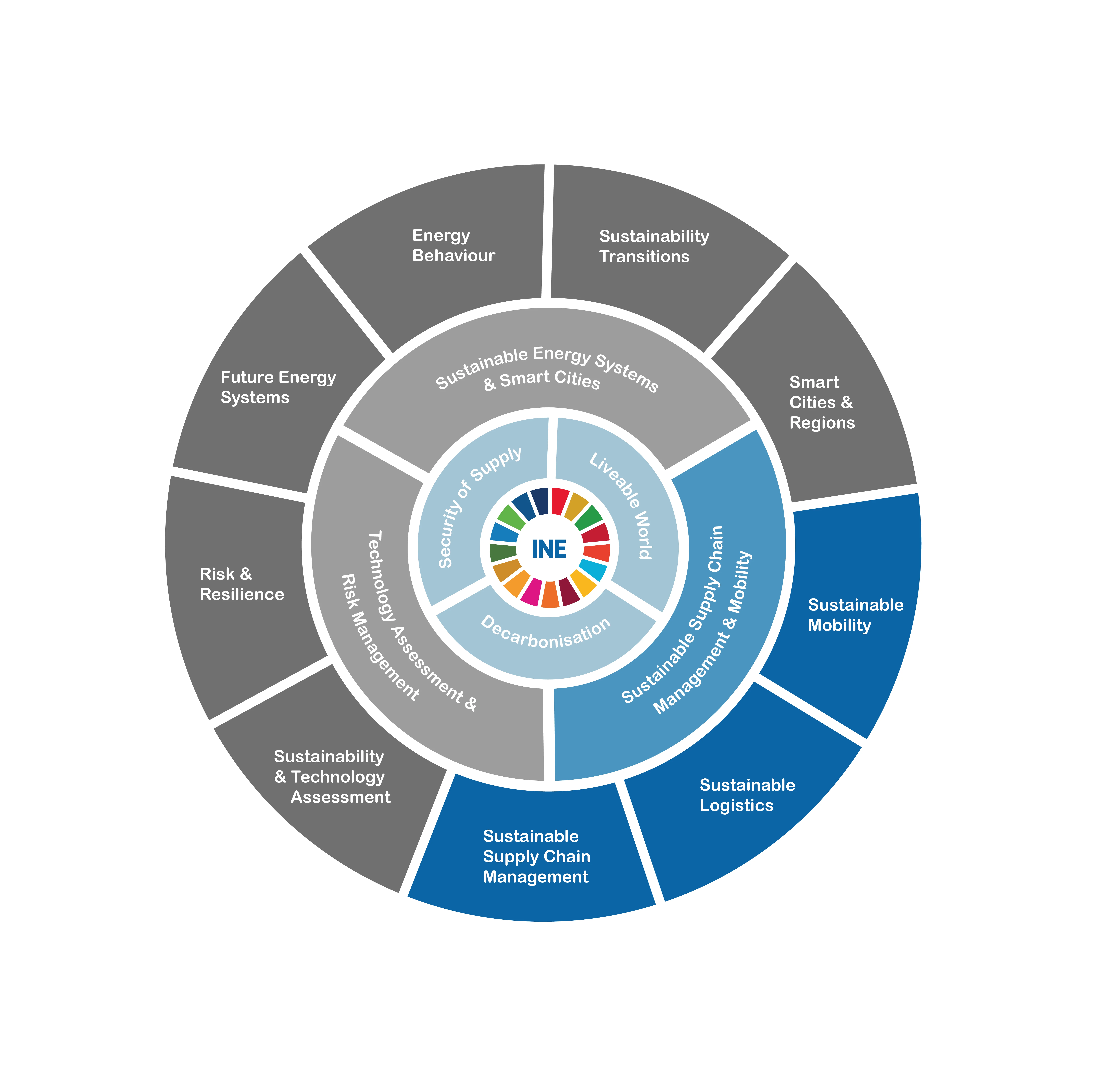
In our research focus on Sustainable Supply Chain Management and Mobility, we analyse global and local flows of people and goods. Our work centres on the design of sustainable, resilient, and circular supply chains as well as innovative transport systems.
Our aim is to help create liveable cities and regions, minimise negative impacts on people, the environment, and the climate, and strengthen the economic competitiveness of companies.
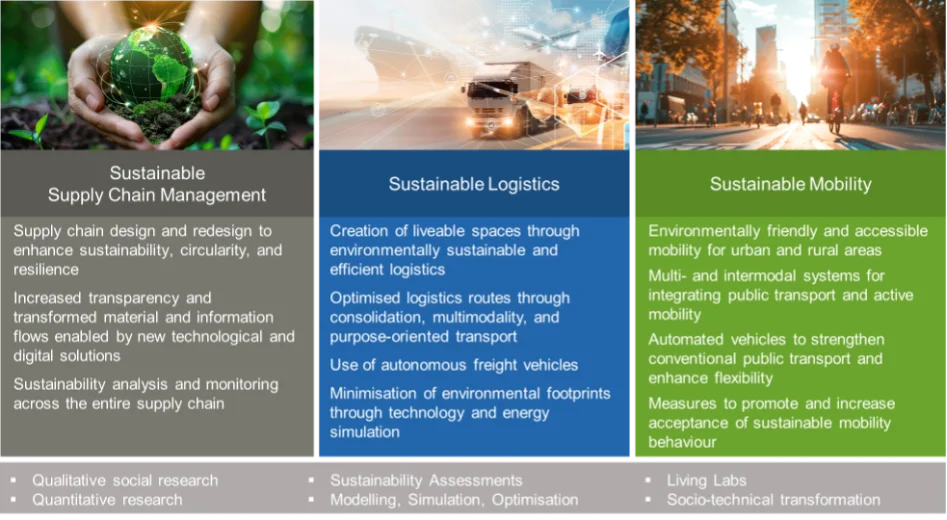
Sustainable Supply Chain Management

Today’s supply chain managers are faced with a wide range of competing objectives. Supply chains are expected to be sustainable, circular, and resilient. The demand for resilience and global presence with rapid response times requires companies to maintain their own or partner locations on every continent. Economic efficiency, on the other hand, favours globally centralised operations. Environmental sustainability and circularity call for shorter, more locally concentrated supply chains.
The research area on Sustainable Supply Chain Management explores ways to achieve economic, environmental, and social sustainability, circularity, and resilience through technological innovation, new digital solutions, and the transformation of entire supply chains.
Key aspects
Adaptation towards more sustainability of a supply chain that includes the entire chain from raw materials to the disposal of the finished product and coordinates all actors in the whole chain and the logistics responsible for the transport of physical goods become indispensable in view of the climatic and social challenges. New technologies, digitalisation and changing consumer behaviour offer opportunities that should be considered in supply chain research. Among other things, we deal with the following topics:
- Decision models for supply chain design with regard to trade-offs in terms of sustainability
- Integration of new technologies such as additive manufacturing into global supply chain networks
- Changes in supply chain design and control through digitization
- Change from a product to a service dominant logic and adaptation of business models influenced by digitalization
- Design of emission-free supply chains
- Development of new solutions for logistics, especially with regard to e-commerce and fast delivery of temperature-controlled goods
- Inclusion of digitalisation in the development of sustainable city logistics solutions
- Reduction of infrastructure development through control mechanisms and substitutions
- City logistics solutions for cities worth living in
Sustainable Logistics
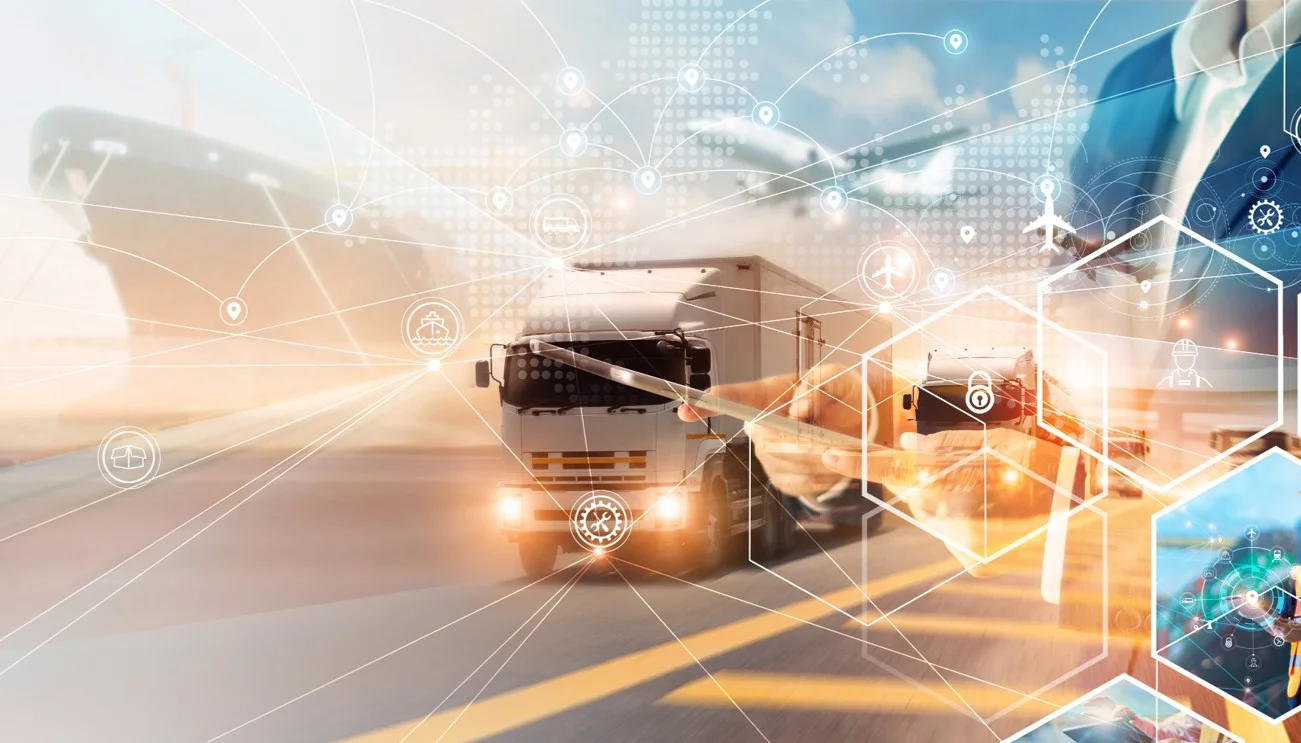
The world has changed not only for businesses but also for consumers. Cities are becoming increasingly dense, consumption continues to grow, and e-commerce plays a central role while placing significant strain on local infrastructure. Innovative urban logistics solutions are therefore required to reduce the impact of logistics in cities, maintain their liveability, and enhance their quality of life.
Focus Areas in Sustainable Logistics
Logistics, which is responsible for the transportation of physical goods, is becoming ever more central to supplying regions and ensuring reliable and city-compatible last-mile delivery. New propulsion technologies, innovative vehicles, digitalisation, and changing consumer behaviour offer new opportunities that should be incorporated into discussions on sustainable urban spaces of the future.
- Our work focuses, among other things, on the following topics:
- Design of zero-emission supply chains for various applications, such as courier, express and parcel services, general cargo, temperature-controlled goods, and dangerous goods
- Development of new logistics solutions, particularly for the supply and disposal of urban areas
- Simulation and optimisation of sustainable logistics solutions
- Use of autonomous vehicles in freight transport
- Integration of reverse logistics to close material cycles
- Incorporation of digital technologies in the development of sustainable urban logistics solutions
- Reduction of infrastructure expansion through control mechanisms and substitution measures
- Urban logistics solutions for liveable cities
Logistics Lab
In our Logistics Lab, we address key challenges in freight transport by optimising and simulating different solutions and identifying potential pathways for the future development of logistics networks in both forward and reverse logistics. Our aim is to support location decisions in global and local contexts and to define a modal mix that minimises environmental and economic impacts while enabling closed material cycles.
Sustainable Mobility
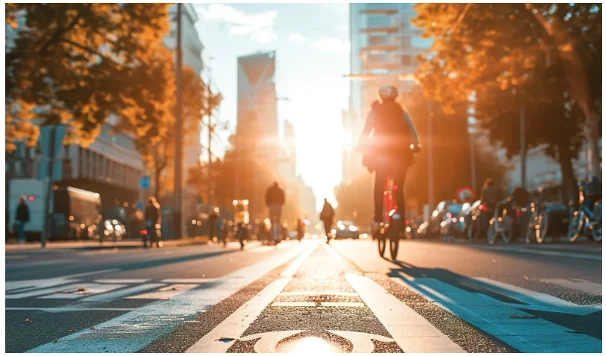
What do transport systems look like that enable people to reach their destinations in both environmentally and economically sustainable ways—or that bring destinations closer to people? The research focus on Sustainable Passenger Mobility addresses human mobility and the development of future-oriented solutions.
Transport systems form the backbone of a modern, interconnected society by bridging spatial distances and meeting diverse mobility needs. In the context of population growth, increasing global mobility, and rapid technological change, significant challenges are emerging alongside new development opportunities. These include rising traffic volumes, noise pollution, emissions, and environmental degradation. Climate change, in particular—towards which the transport sector in Switzerland contributes around one third of greenhouse gas emissions—demands urgent, effective, and scientifically grounded solutions. To ensure the long-term functionality of transport systems, their continuous and sustainable development is essential.
Against this backdrop, the key question is how future-oriented mobility systems can be designed to transport people in an environmentally friendly, socially equitable, and economically viable manner, while also being fast and comfortable. At the same time, the creation of attractive living environments is gaining importance, for example through the concept of the 15-minute city. This approach seeks to establish conditions in which essential daily needs can be met locally, without compromising quality of life. In this way, unnecessary travel can be reduced and sustainable, liveable urban spaces can be promoted.
Key aspects
Adapting transport systems for people and freight is one of the greatest challenges facing us in both the present and the future. New technologies and traffic schemes offer potential solutions to ensure sustainable mobility for people and develop a more integral design for freight logistics. In developing these solutions, it is essential to anticipate future developments and identify suitable strategies for technology development as well as for transport policy and planning. In doing this, we focus on the following aspects:
- System analysis mobility
- User perspective, mobility decisions and mobility behaviour
- Foresight on system development and sustainability
- Definition of future requirements for mobility systems and technologies
- Assessment of technologies in terms of their potential
- Support of decisions in economy, politics and planning regarding sustainability
- Development of strategies, roadmaps and mobility concepts
Planzer Logistics Research Lab
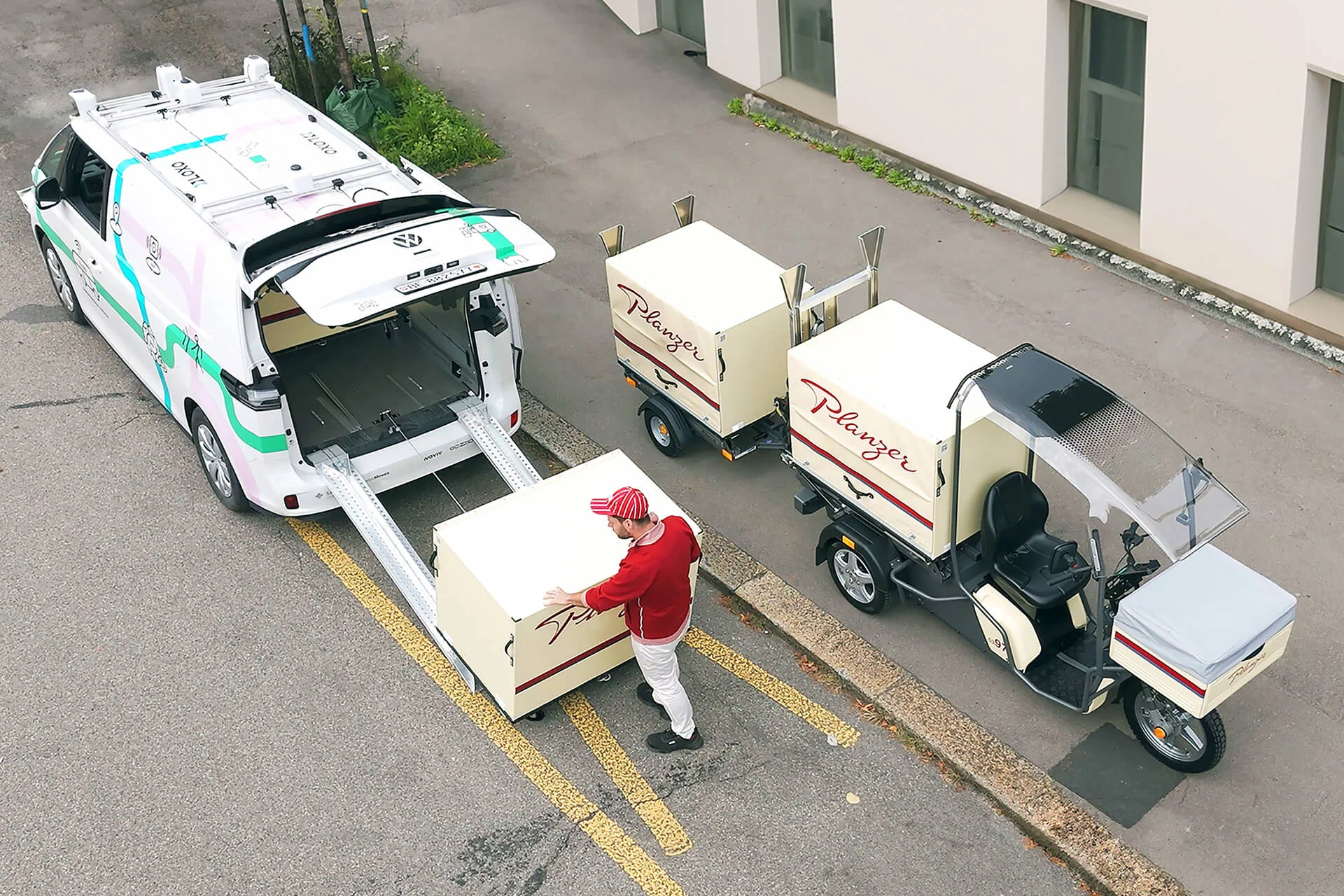
The Planzer Logistics Research Lab is dedicated to shaping the logistics of tomorrow. Its focus lies on spatially compatible, fast, reliable, and personalised delivery services with a minimal footprint for all served areas and the environment. To develop future-oriented solutions, scientific foundations are closely linked with practical applications, particularly by leveraging the opportunities offered by new technologies and digitalisation.
Logistics & Mobility Living Lab Dietikon–Zurich
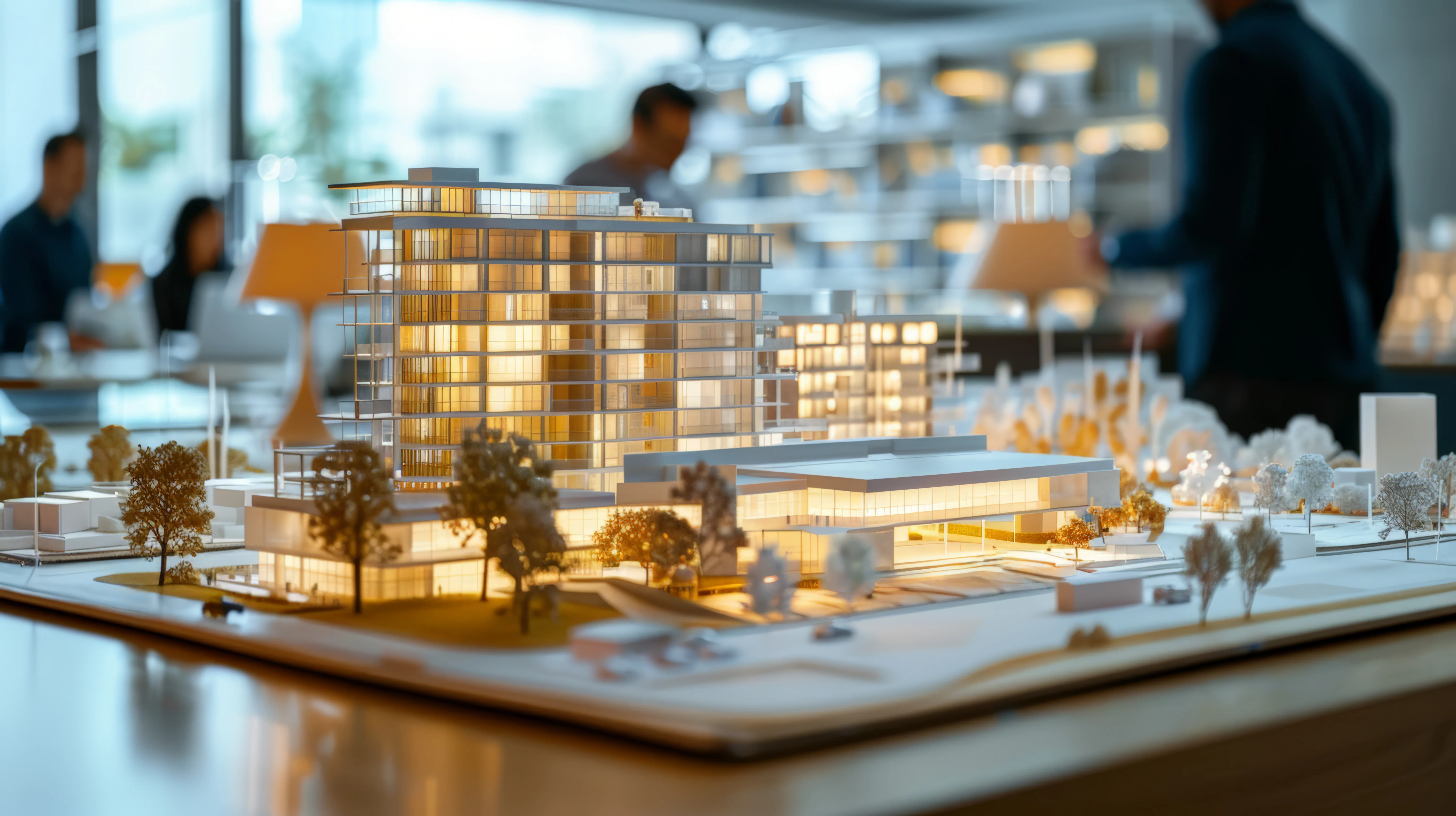
The Logistics & Mobility Living Lab Dietikon–Zurich pursues the vision of developing innovative logistics and mobility solutions for urban and peri-urban areas that are sustainable, reliable, and positively perceived by all stakeholders.
To achieve this, the Living Lab is establishing a high-performance innovation cluster in which new logistics and mobility concepts are jointly developed, tested, and implemented in real urban environments. This approach enables the creation of solutions for reliable goods supply, efficient management of return flows, and improved efficiency in passenger transport—all with minimal impact on people, space, and the environment.
Further information is available at: www.lomolivinglab.ch
Current projects
Sustainable supply chain management
/ Innosuisse flagship project Circulus
/ Sweet project ReFuel
Sustainable fuels and platform chemicals for Switzerland
/ SNF Project Resilience in Supply Chains
/ SFOE Project Frigero
Frigero - Towards energy autonomous temperature-controlled supply chains / Project manager: ongoing
Sustainable logistics
/ Innosuisse Flagship Project Smart Urban Multihubs:
/ SFOE Project Tec-Off:
Techno-economic grid connection optimization for electric goods fleets
/ EU Project NextArc
/ EU Project Chorus
Sustainable passenger mobility
/ SFOE project ActivateAll
/ Design your city (DIZH): https://www.dizh.uzh.ch/2023/02/06/gestalte-deine-stadt-ein-virtual-reality-erlebnis-fuer-nachhaltige-urbane-raeume/
/ Sweet Project SWICE (WP6):
SWEET SWICE - Sustainable Wellbeing for the Individual and the Collectivity in the Energy transition
/ Sweet Project LANTERN:
Living Labs Interfaces for Energy Transition (SWEET_LANTERN)
/ SFOE Project INLADE:
https://www.wireless-charging.ch/
/ DUT Multigination project:
Multiplicative imagination of citizens and stakeholders towards the 15 minutes city (MULTIGINATION)
/ Charging discount:
Team Sustainable Supply Chain Management and Mobility
-

ZHAW School of Engineering
Institute of Sustainable Development
Technoparkstrasse 2
8400 Winterthur -

ZHAW School of Engineering
Forschungsschwerpunkt Nachhaltige Mobilität
Technoparkstrasse 2
8400 Winterthur -

ZHAW School of Engineering
Forschungsschwerpunkt Nachhaltige Mobilität
Technoparkstrasse 2
8400 Winterthur -

ZHAW School of Engineering
Forschungsschwerpunkt Nachhaltige Mobilität
Technoparkstrasse 2
8400 Winterthur -
ZHAW School of Engineering
Forschungsschwerpunkt Nachhaltige Mobilität
Technoparkstrasse 2
8400 Winterthur -

ZHAW School of Engineering
Forschungsschwerpunkt Nachhaltige Mobilität
Technoparkstrasse 2
8400 Winterthur -

ZHAW School of Engineering
Forschungsschwerpunkt Nachhaltige Mobilität
Technoparkstrasse 2
8400 Winterthur -

ZHAW School of Engineering
Forschungsschwerpunkt Nachhaltige Mobilität
Technoparkstrasse 2
8400 Winterthur -

ZHAW School of Engineering
Forschungsschwerpunkt Nachhaltige Mobilität
Technoparkstrasse 2
8400 Winterthur -

ZHAW School of Engineering
Forschungsschwerpunkt Nachhaltige Mobilität
Technoparkstrasse 2
8400 Winterthur -

ZHAW School of Engineering
Forschungsschwerpunkt Nachhaltige Mobilität
Technoparkstrasse 2
8400 Winterthur -

ZHAW School of Engineering
Forschungsschwerpunkt Nachhaltige Mobilität
Technoparkstrasse 2
8400 Winterthur -

ZHAW School of Engineering
Forschungsschwerpunkt Nachhaltige Mobilität
Technoparkstrasse 2
8400 Winterthur -

ZHAW School of Engineering
Forschungsschwerpunkt Nachhaltige Mobilität
Technoparkstrasse 2
8400 Winterthur -

ZHAW School of Engineering
Forschungsschwerpunkt Nachhaltige Mobilität
Technoparkstrasse 2
8400 Winterthur -

ZHAW School of Engineering
Forschungsschwerpunkt Nachhaltige Mobilität
Technoparkstrasse 2
8400 Winterthur -
ZHAW School of Engineering
Forschungsschwerpunkt Nachhaltige Mobilität
Technoparkstrasse 2
8400 Winterthur -
ZHAW School of Engineering
Forschungsschwerpunkt Nachhaltige Mobilität
Technoparkstrasse 2
8400 Winterthur