RTSE (Rail Transport Service Environment)
Self-driving cars are the future. However, innovative methods are also being developed to increase efficiency in rail transport. We collaborate with various research partners to advance railway operations. Through algorithmic approaches, we aim to find better ways to regulate train traffic.
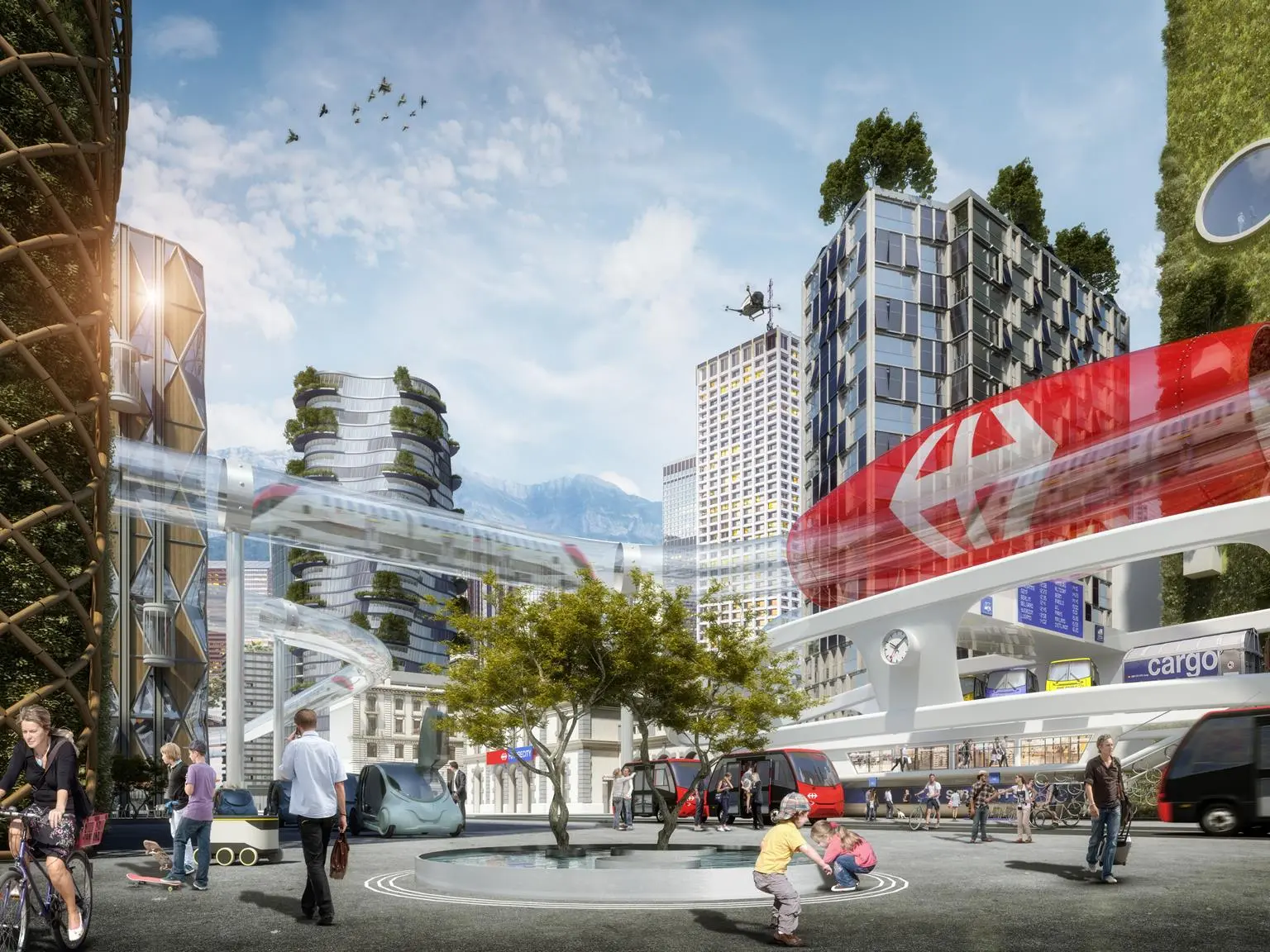
Step by step, the Swiss railways are leveraging digitalization to jointly advance the automation of train operations. The goal is to further increase capacity and safety on the Swiss rail network while reducing costs.
Changing customer needs, intensified competition, and rising demand: Swiss railways face a challenging future. That is why, together with industry partners, they are harnessing new technological opportunities to continue capitalizing on the strengths of rail transport — reliability, safety, high transport capacity, and sustainability. Through the joint innovation program SmartRail 4.0, the railways are gradually automating railway technology to get more out of the existing infrastructure. Their aim is to increase capacity and safety, optimize energy consumption, and save costs. This way, rail transport will remain attractive and competitive for travelers in Switzerland.
The ZHAW Institute for Data Science (IDS, formerly Institute for Data Analysis and Process Design, IDP), together with several partners from industry and research, contributes to the foundations of this technological innovation.
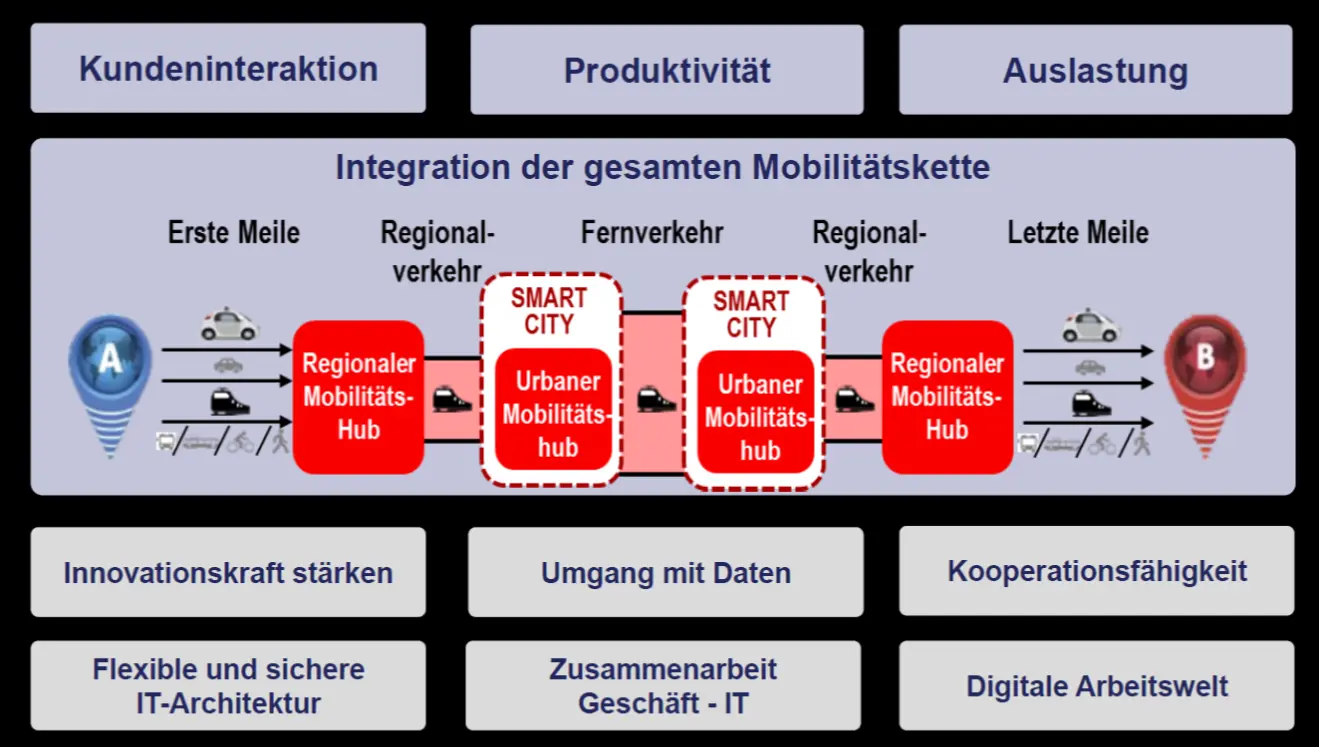
Besides increasing capacity and safety, the researchers involved in RTSE pursue several additional objectives. Automation should also extend to timetable management to improve utilization and increase capacity. In any network, there are always bottlenecks where congestion can occur. By automatically adjusting the timetable in real time, traffic can flow optimally. The system calculates when and where each train should run and at what speed.
Furthermore, automatically generated temporary replacement timetables could enable better responses to disruptions or minimize restrictions caused by construction work. For example, if one track on a double-track line is closed and the normal timetable can no longer be maintained, how can the service be reduced so that the fewest passengers are affected? This may require a suitable combination of different mobility options (replacement buses, taxis, bike rentals, etc.).
This is primarily a planning task that could be solved based on experience — or the ideal offering for each traveler could be calculated automatically. For researchers, this is currently an experimental field. In the future, however, the system should be able to respond spontaneously to unforeseen events and deliver an alternative transport plan within minutes.