Center of food fermentation
The Zurich University of Applied Sciences (ZHAW) has been actively engaged in the science of food fermentation for many years. Here, the knowledge of traditional fermentation, that has developed over thousands of years, is harnessed to create innovative and tailor-made fermentation processes. With the help of functional microbial cultures, these processes lay the foundation for sustainable food production. The research groups at ZHAW work closely with partners from both industry and academia to turn scientific knowledge into practical solutions.
Food fermentation is not only a key topic in research, but also in teaching and continued education. It connects ZHAW with society through a wide range of activities such as conferences, public events, and school visits. It is a cross-border and interdisciplinary field, and the “Center of Excellence for Food Fermentation Science” is a living example of this spirit in action.
Food Fermentation
Join us on a journey of discovery into tailor-made fermentation processes and functional microbial food cultures, shaping the future of sustainable food production.
Food fermentation processes
By optimizing fermentation processes, we aim to harness these natural mechanisms as efficiently and effectively as possible to produce sustainable, healthy, flavorful, and safe foods. In addition to traditional liquid submerged fermentations, we also carry out high-viscosity and solid-state fermentations. Using our strain collection as a foundation, this allows us, for example, to produce microbial cultures, optimize sourdoughs, or refine foods through mold fermentation. Additionally, we use modeling tools to optimize fermentation processes in a targeted and efficient way.
- ReFocus (Innosuisse; Food Biotechnology, Chemistry and Biotechnology, Yumame foods)
- InnoBun (Multifunctional sourdough in buns)
Bio-preservation through fermentation
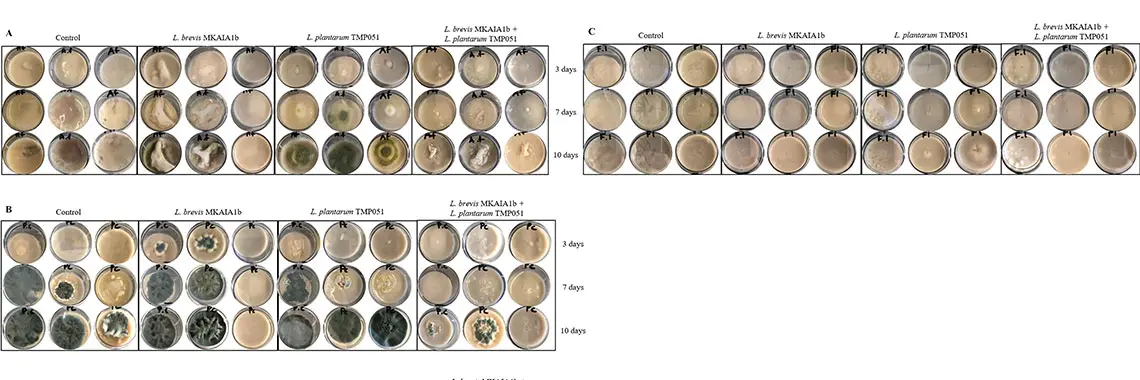
Bio-preservation using protective cultures is used as a natural method to extend the shelf life of foods. In high-throughput screenings, we test potential candidates from our strain collection for their antimicrobial activity. We use our collection of product-relevant unwanted microbes such as, molds from the baking sector, Listeria monocytogenes from meat, and Bacillus species from plant-based products.
To be as close to the application as possible, we test the potential protective cultures early on real food models—for example, antifungal sourdoughs, protective cultures for meat products, and more recently, cultures for plant-based, protein-rich foods. In the area of mold suppression, there is a growing focus on reducing mycotoxins using appropriate microbial cultures.
- BioDeTox (SATW; Food-Biotechnology and Food Chemistry)
- ListProtect
Bio-Valorisation using fermentation
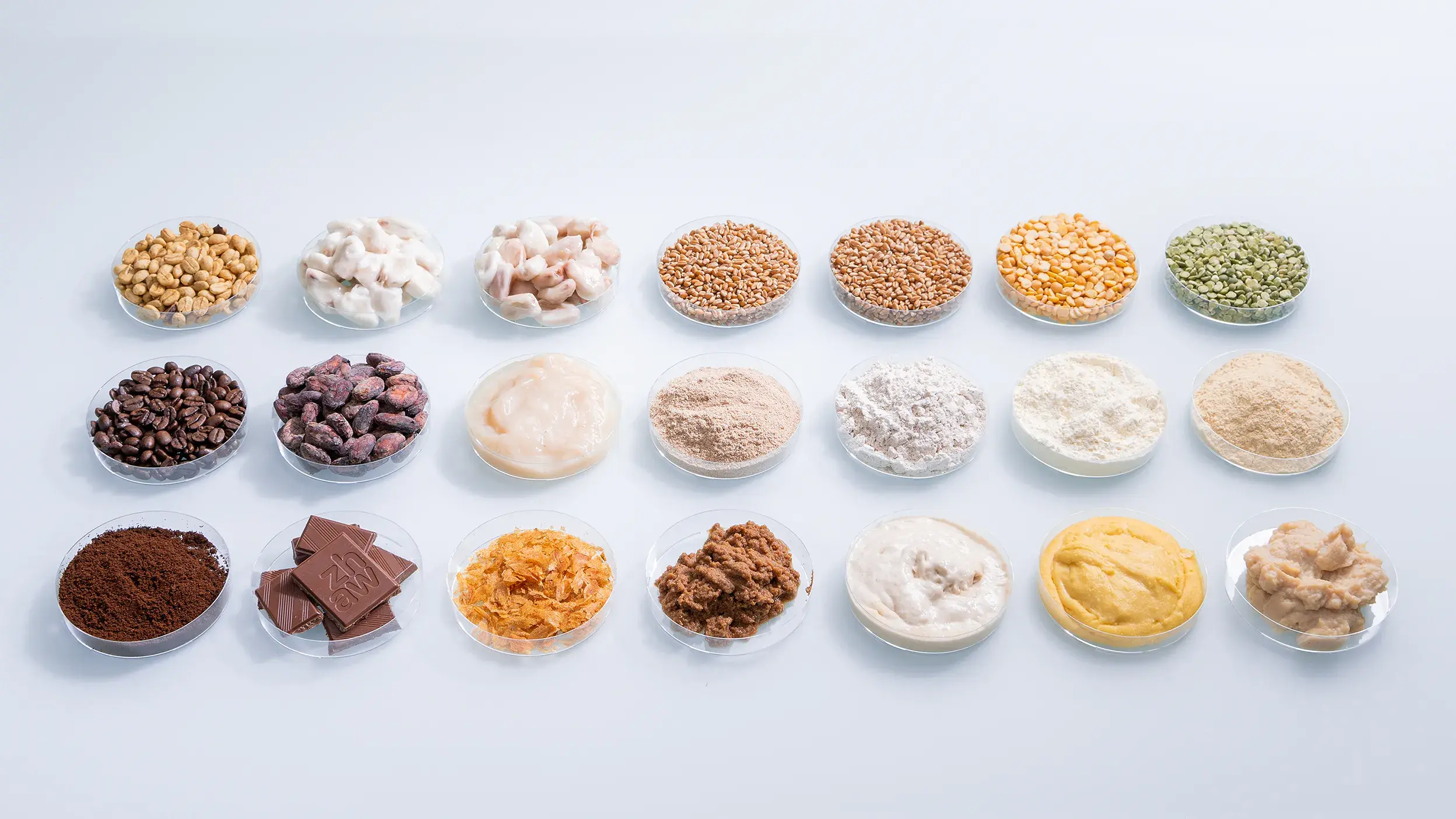
Worldwide, large quantities of by-products are generated in food processing. Through fermentation with functional cultures, these by-products can be upgraded and reintegrated into the food chain. We select suitable microorganisms from our strain collection that can enhance each specific by-product—such as bran, oilseed press cakes, or cocoa pulp—through a tailor-made fermentation. These products are then used in the production of sustainable, healthy, flavorful, and safe foods.
- CREATE- Fermented Pulses (Gebert Rüf; Food-Biotechnology, -Technology und -Chemistry, ETH)
- Up-Cycling Bran (SATW; Food-Biotechnology und -Technology)
- Fruit to Bar (Innosuisse & CORNET; Food-Biotechnology, -Technology, -Chemistry und - Perception -KOA- Lindt)
Cocoa and chocolate
Fermentation is a fundamental step in the production of chocolate. We study the entire post-harvest process of cocoa and its impact on the quality of the fermented and dried beans, and ultimately, the chocolate. Our goal is to reveal the connections between microbial diversity and the quality of the final products, and to develop optimization strategies together with our partners in the cocoa-producing countries. These strategies range from simple adjustments to the traditional post-harvest process to the application of functional cultures. A particular focus is on aroma-producing cultures and antifungal protective cultures, targeting mycotoxin-producing molds.
- LS Aroma Cultures (LCCF)
- KTI Cocoa
→ Click here to learn more about collaborative research on cocoa and chocolate at the ZHAW.
Ecuador & Ghana: Cacao fermentation
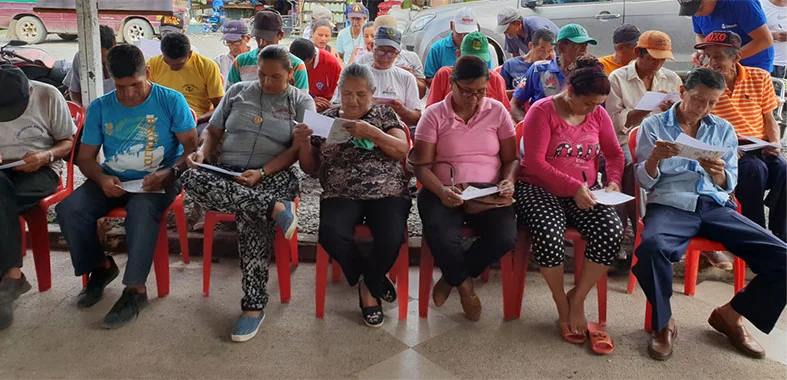
- Diving into the world of cocoa with a special academic project: Ecuador: Two Years Spent Living and Working in the Land of Cocoa - Farming Program (by Lindt & Sprüngli).
- Monitoring of cocoa post-harvest process practices on a small-farm level at five locations in Ecuador.
- Variations in Ecuadorian Cocoa Fermentation and Drying at Two Locations: Implications for Quality and Sensory.
- Effect of Pod Storage and Drying Temperature on Fermentation Dynamics and Final Bean Quality of Cacao Nacional in Ecuador.
- Influences of Depulping, Pod Storage and Fermentation Time on Fermentation Dynamics and Quality of Ghanaian Cocoa.

Food Biotechnology Research Group : Prof. Dr. Susanne Miescher Schwenninger- «Optimization of food fermentation and functional microbial cultures»
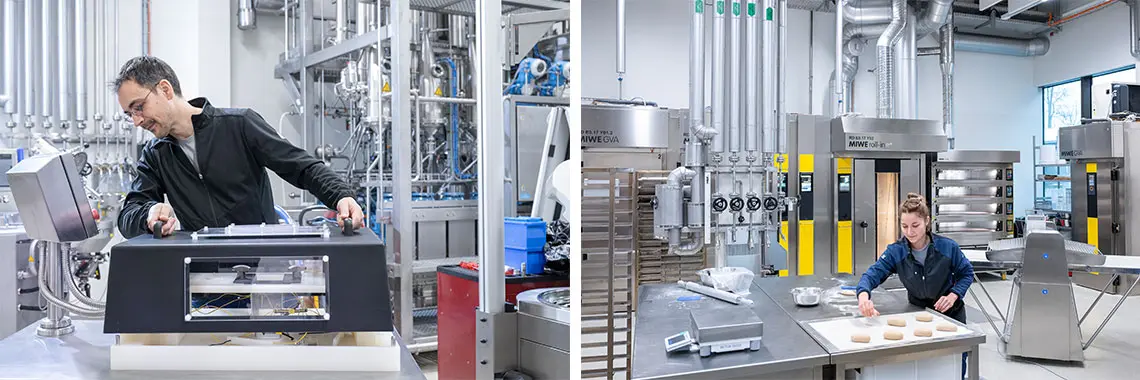
Food Technology Research Group: Prof. Dr. Nadina Müller-
«Processing of fermented raw materials»
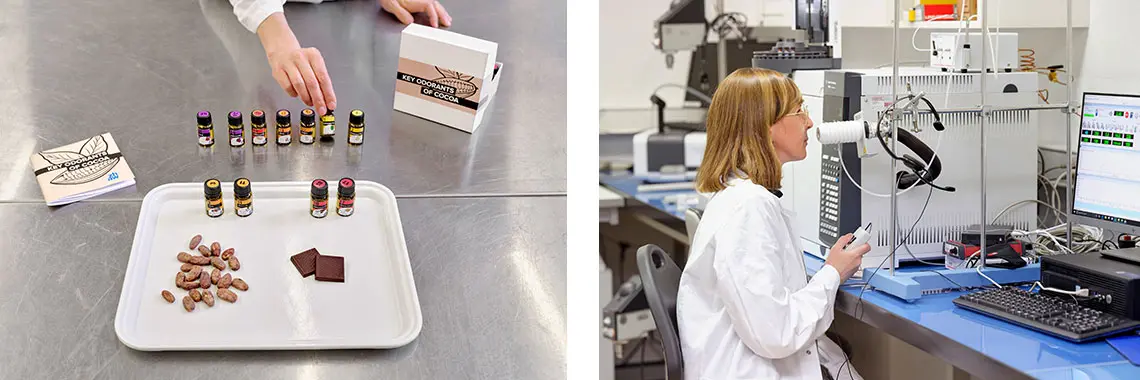
Food Chemistry Research Group : Prof. Dr. Irene Chetschik-
«Aromaprofiles of fermented products»
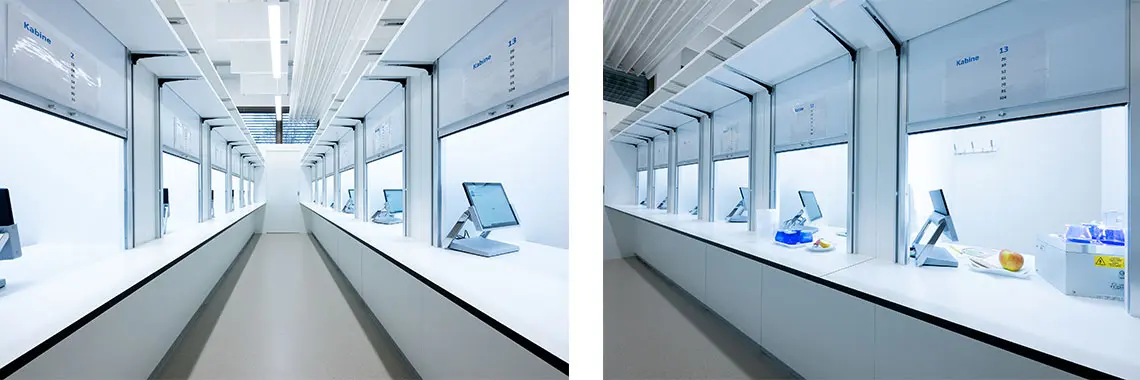
Research Group Food Perception : Annette Bongartz-
«Sensory profiles of fermented products»
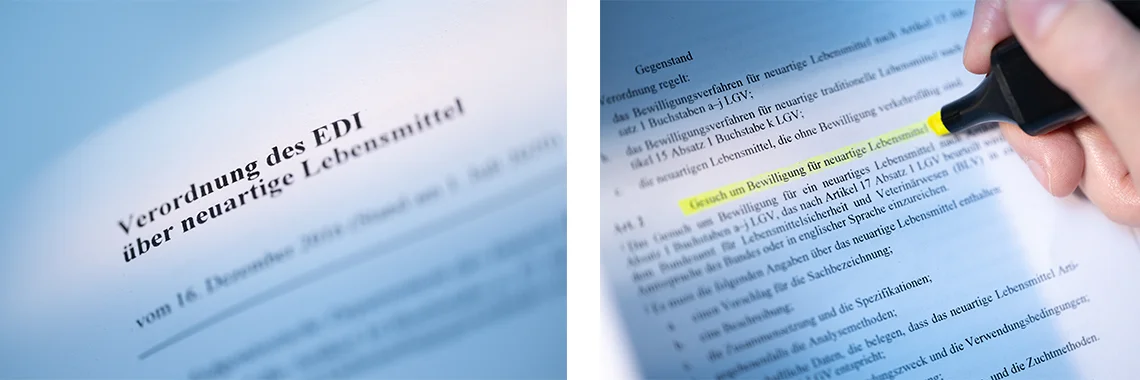
Centre for Quality Management and Food Law: Dr. Evelyn Kirchsteiger-Meier-
«Legal considerations of fermented products»
Bioprocess Technology: Prof. Dr. Lukas Neutsch
«Fermentation and production of biomaterial on a higher skale»
Newsroom
- Want to learn more about fermentation at home?
- Microorganisms to foster innovative high-protein food products!
- Lauren Wildbolz at the ZHAW: «Experience fermentation»
- How does Laila Tulinski make unprocessed, regional products more attractive? InnovationsLab «Fermentation»
- «The Science of Fermentation» even active at night – at the Mühlerama Museum
- «Fermentista Festival» in Zürich with Susanne Miescher Schwenninger
- Why are so many fascinated by fermentation? → Watch an SRF Aktuell Segment , to find out
Exciting and hands-on activities for your school class
- TecDays at Swiss secondary schools (ages 12 – 19): Explore sourdough and chocolate with Sandra Mischler
- ExplorLABOR: Make and taste your own cocoa mass - or would you rather Explore the world of microoganisms? Both are possible—learn more in the ExplorLABOR courses with Sandra Mischler
Fermentation in der Lehre

BSc- Food Science (German)
- 3. Semester: Lebensmittelbiotechnologie (inkl. online Weltkarte der fermentierten Lebensmittel LM aus Unterricht)
- 3. Semester: Praktikum Lebensmittel Herstellung
- 5. Semester: Funktionelle Mikroorganismen für Lebensmittel- «Fermentation als Inspiration»
- 3./5. Semester: WSK Schokolade
BSc- Applied Digital Life Sciences
- 3. Semester: Life Science Data Lab
- 5. Semester: Bioprocess & Modelling
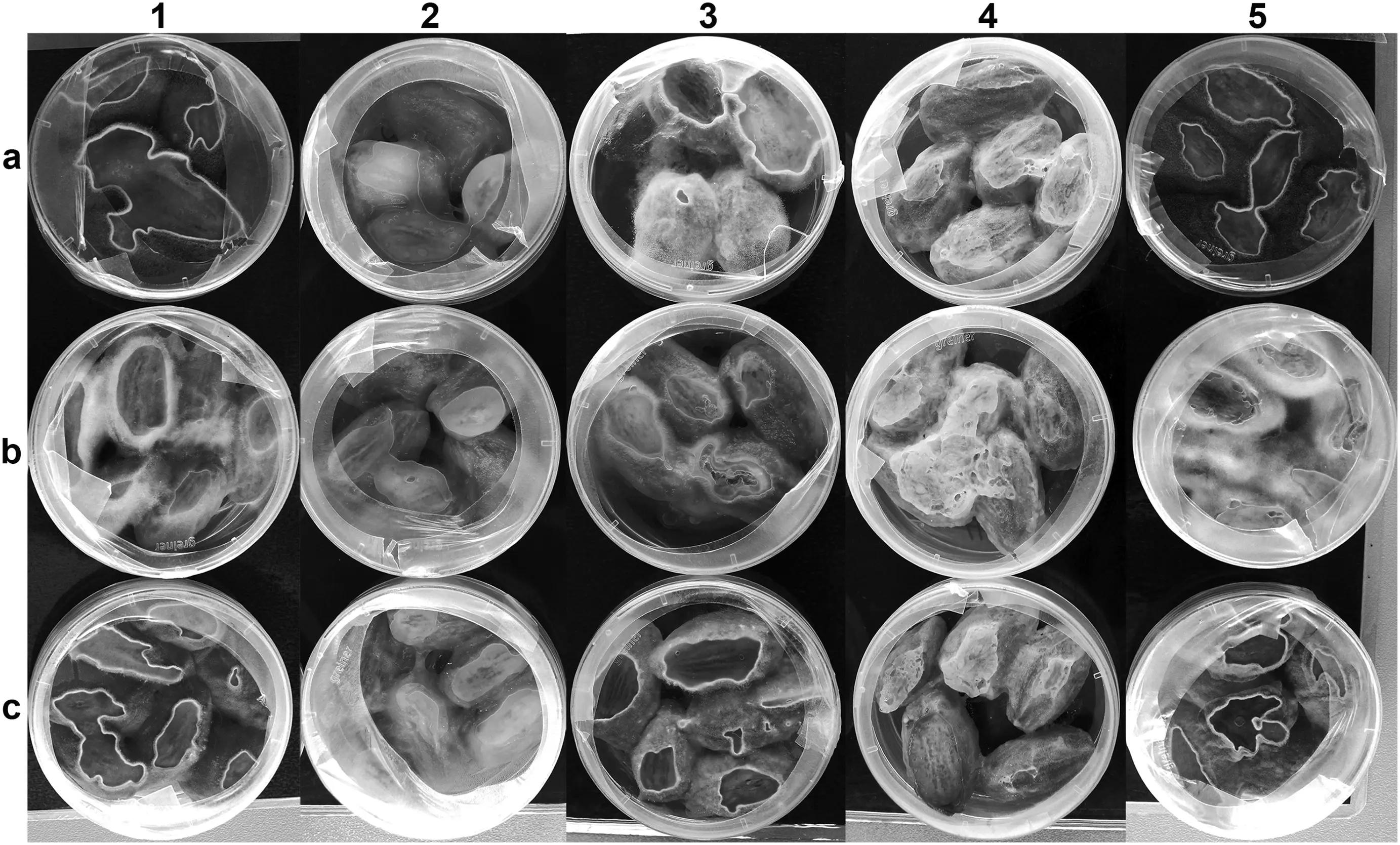
Dr. Edwina Romanens: Functional cultures for cocoa bean fermentation
- Development of Antifungal Lactic Acid Bacteria-Yeast Co-Cultures for Cocoa Bean Fermentation
- A lab-scale model system for cocoa bean fermentation
- Screening of lactic acid bacteria and yeast strains to select adapted anti-fungal co-cultures for cocoa bean fermentation
- Influence of two anti-fungal Lactobacillus fermentum-Saccharomyces cerevisiae co-cultures on cocoa bean fermentation and final bean quality
Dr. Julie Lestang: Improving cocoa bean quality, safety, and sustainability: a metabolitedriven approach to different frementation practices.
Dr. Stefanie Streule: Optimization of Small-Farm Postharvest Processing of Cacao Nacional in Ecuador