Geoecology Research Unit
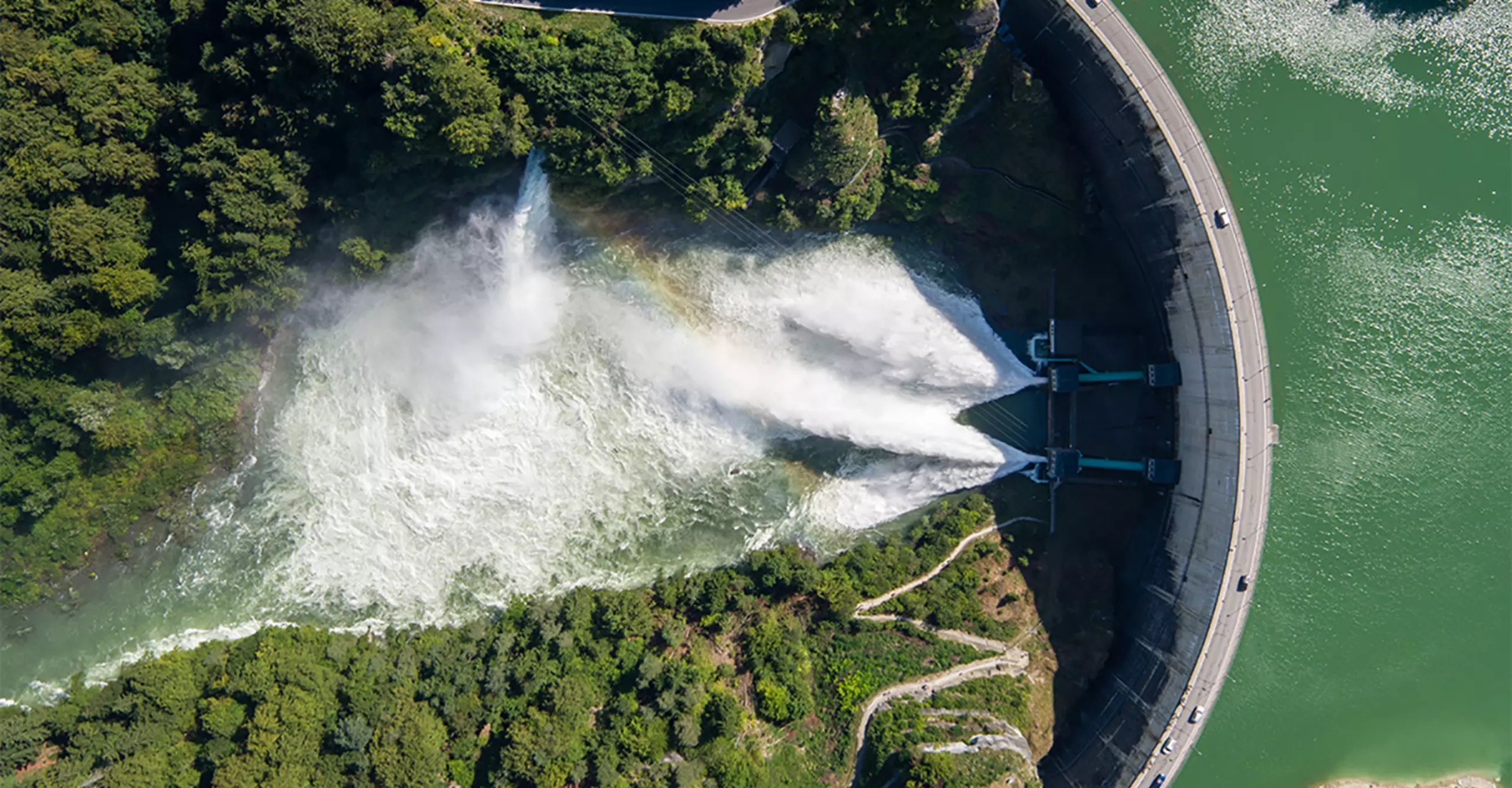
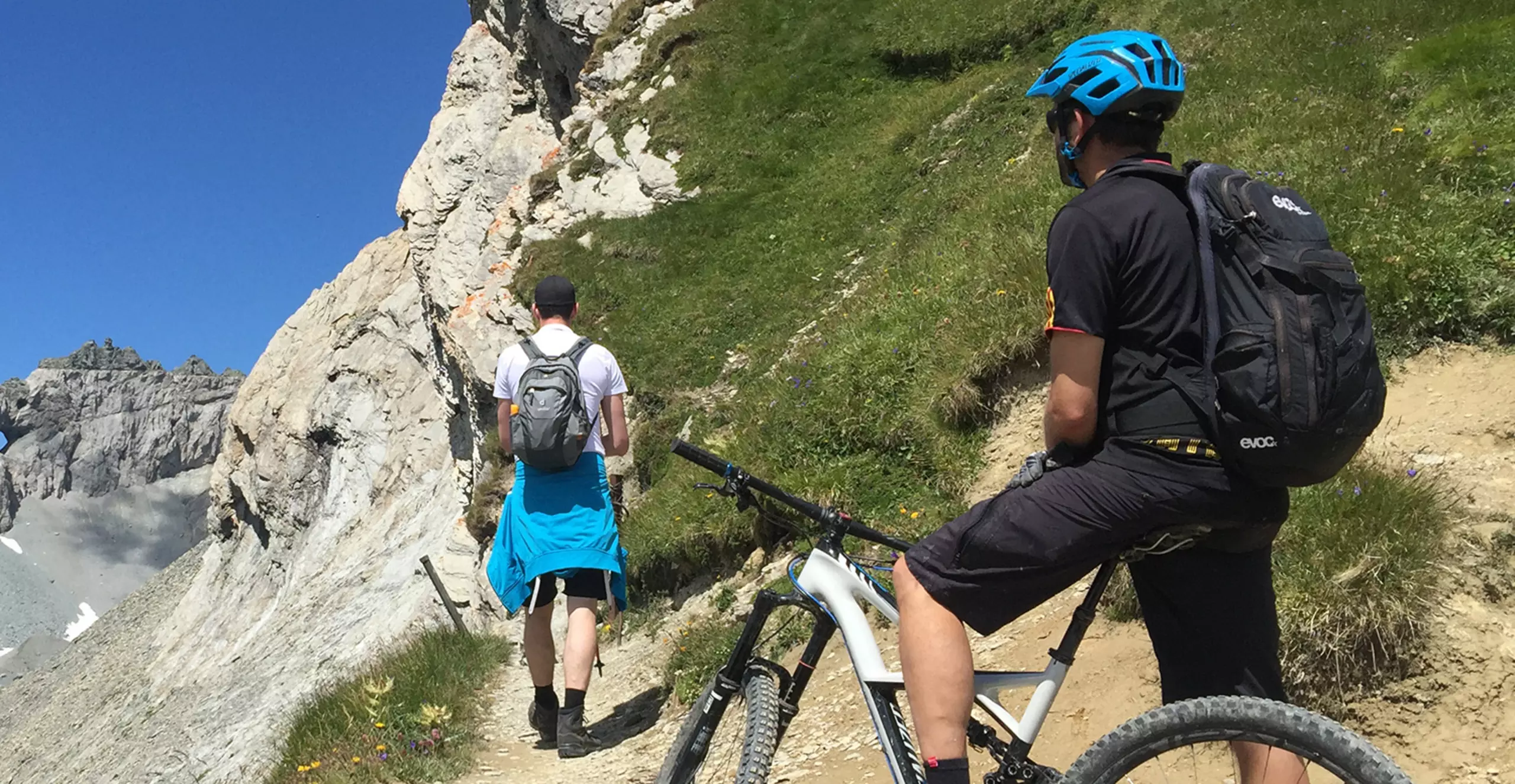
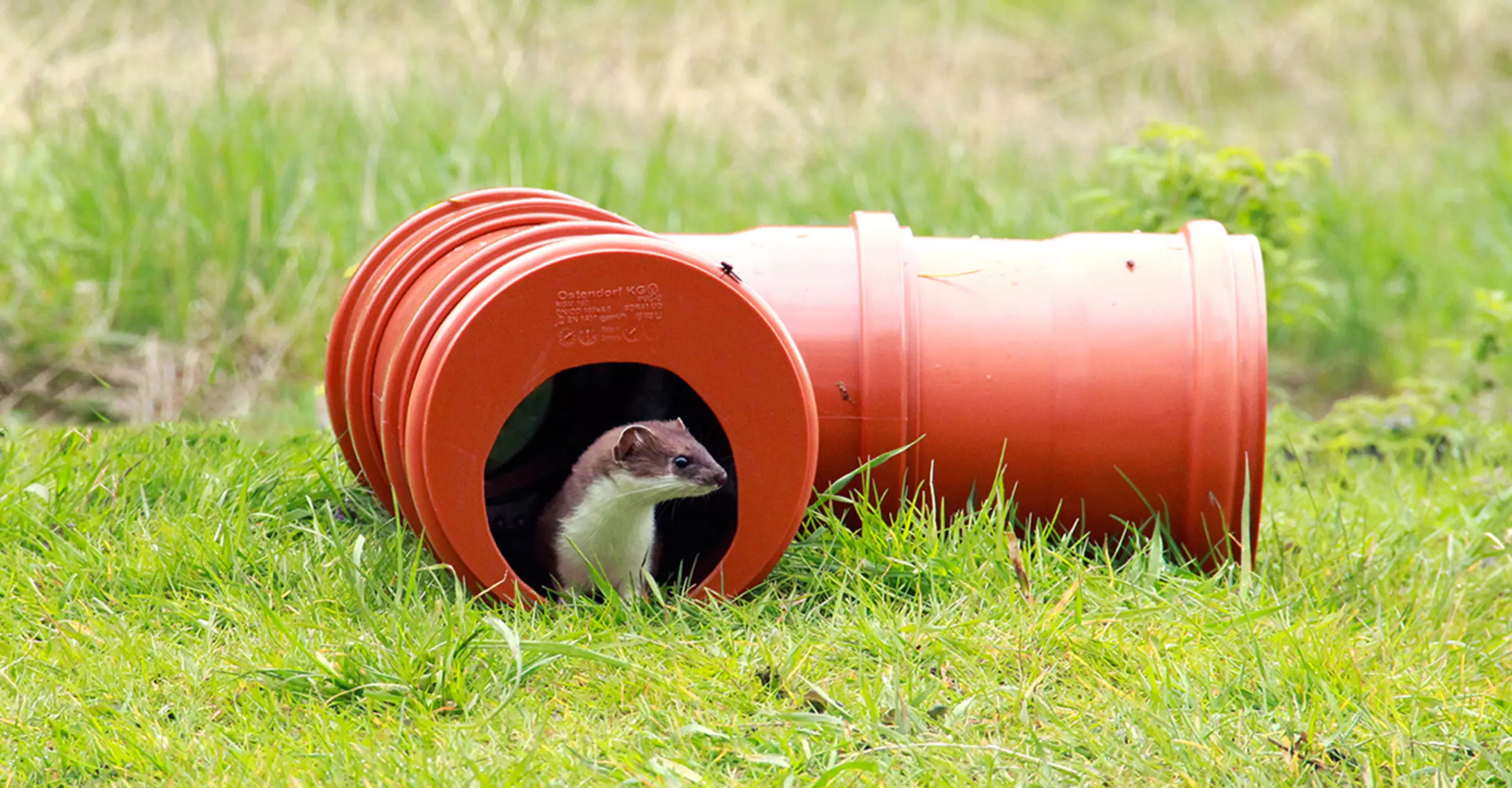
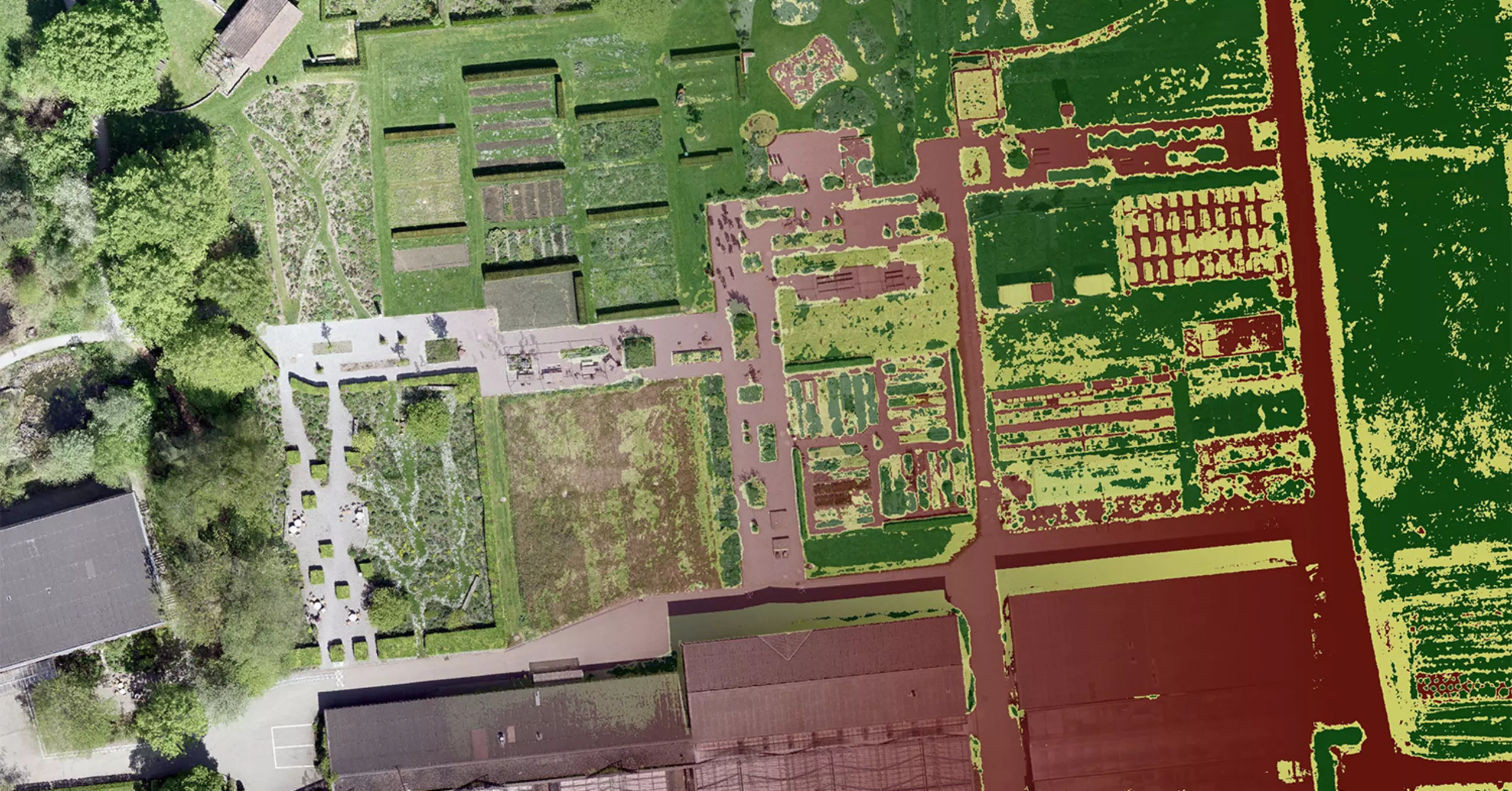
The Geoecology Research Unit examines the spatial requirements and behaviour of humans, animals and plants in the environment. It researches and analyses conflicts that arise from the demands of flora and fauna on the one hand and from human use on the other. Conflicts of use can, for example, arise from leisure activities, agriculture or energy production. This research unit thus helps to prevent or defuse protection / use conflicts and contributes to the sustainable development of human-environment systems.
Research Units
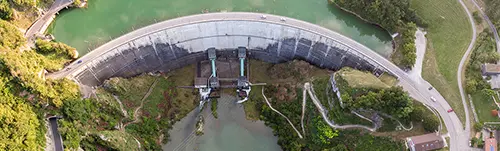
Ecohydrology
Protection and sustainable management of water ecosystems, taking into account flood protection, use of hydropower for energy production, land use and biodiversity.
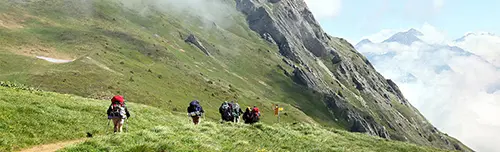
Environmental Planning
Reduction of conflicts between leisure, tourism or construction and nature and landscape protection by means of planning instruments. While the approach is, above all, proactive in the sense of taking precautions, it is also reactive and integrative.
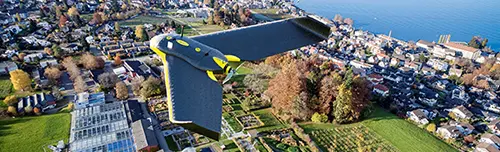
Geoinformatics
Development, application and validation of innovative methods for the collection, processing and analysis of spatiotemporal information, including remote sensing.
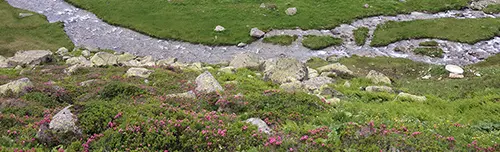
Vegetation Ecology
Investigations of vegetation and flora bioindication, quantification of transitions in biodiversity caused by global changes, and developing and implementing effective nature conservation measures.
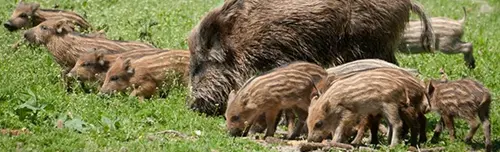
Wildlife Management
Surveying wildlife biology fundamentals as well as developing concepts and measures to mitigate conflicts between human use interests and the demands of wildlife
This might also interest you
Continuing education
Find out about our wide offer on CAS and courses in continuing education.
Study
Continuing education
Projects
Find out about BSc and MSc programmes at IUNR.
Find out about our wide offer on CAS and courses in continuing education.
Find out about the breadth of topics covered in our projects.