Section of Ecotechnology
Ecological engineering is the art of engineering that uses ecological principles as an approach to solving problems. It combines insights from ecology and holistic thinking with the knowledge and approach of engineers.
Closing the loop with eco-technology
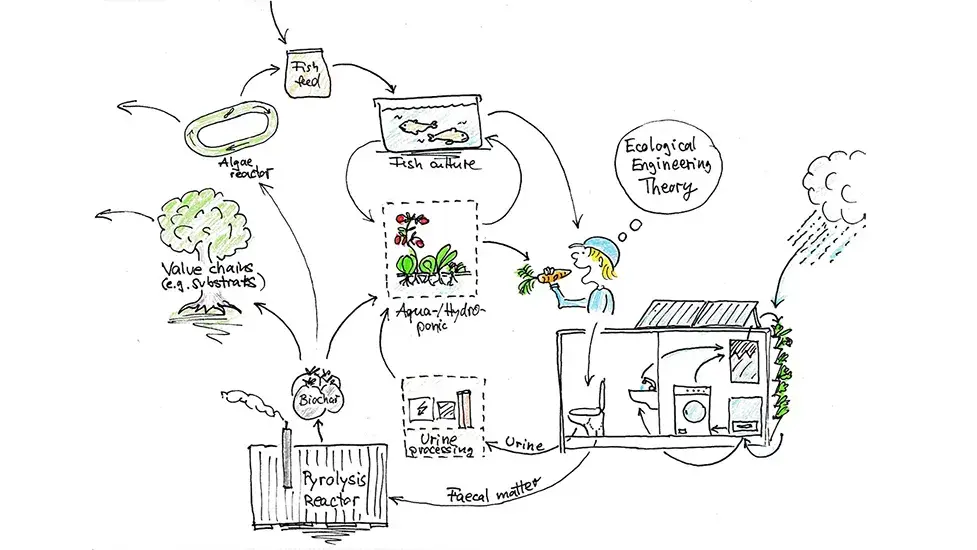
Our mission is to promote the sustainable use of our planet's resources. We develop innovative technologies and concepts based on the principles of eco-technology. We focus on solutions that enable a circular economy - reusing water, nutrients and biomass while avoiding or eliminating pollutants. Our work spans the entire antroposphere, particularly at the interface with agriculture and building technology.
Teaching program
Our research feeds into the wide range of courses offered by the Institute of Environment and Natural Resources. Students can specialise in exciting research projects in our subject areas for their term, bachelor or master thesis. $
Ecological Engineering - Comprehensive sustainability
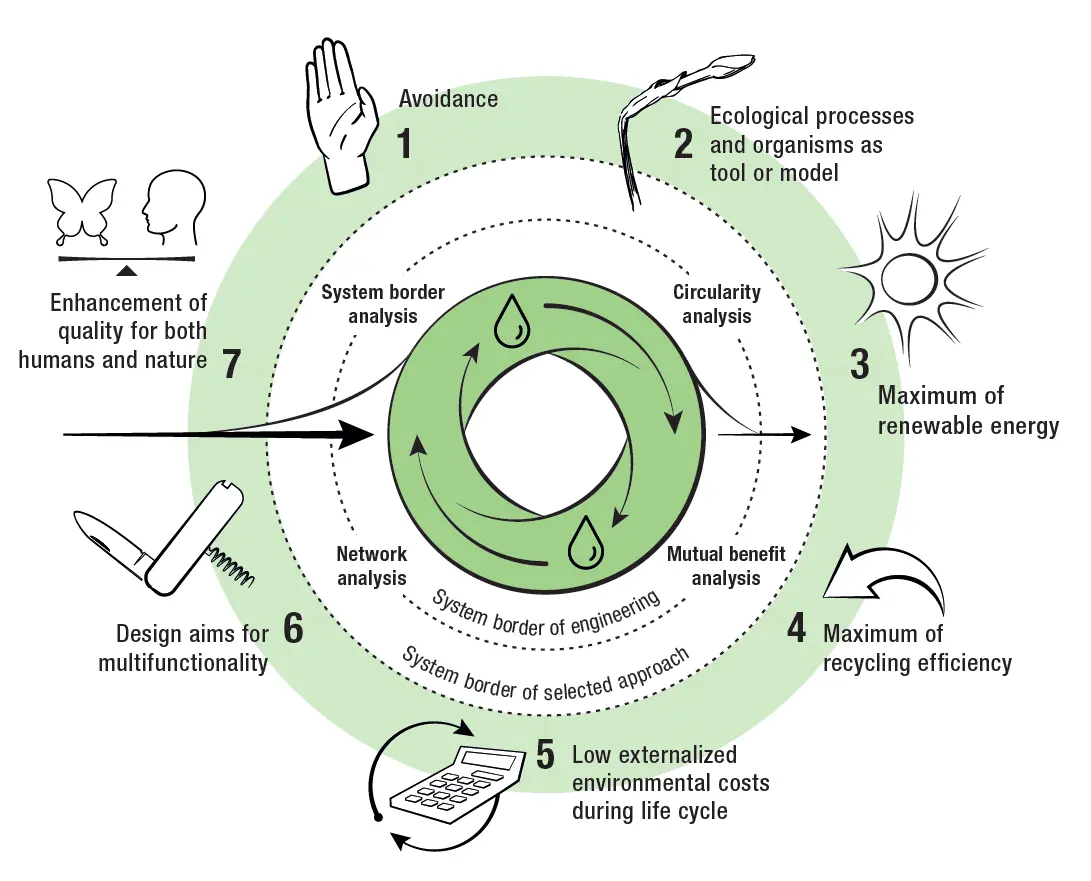
Drawing on the findings from our research into circular systems, we aim to contribute to the implementation of a fully sustainable planning practice. This project is the result of 30 years of applied research based on the concept of ‘Ecological Engineering’.
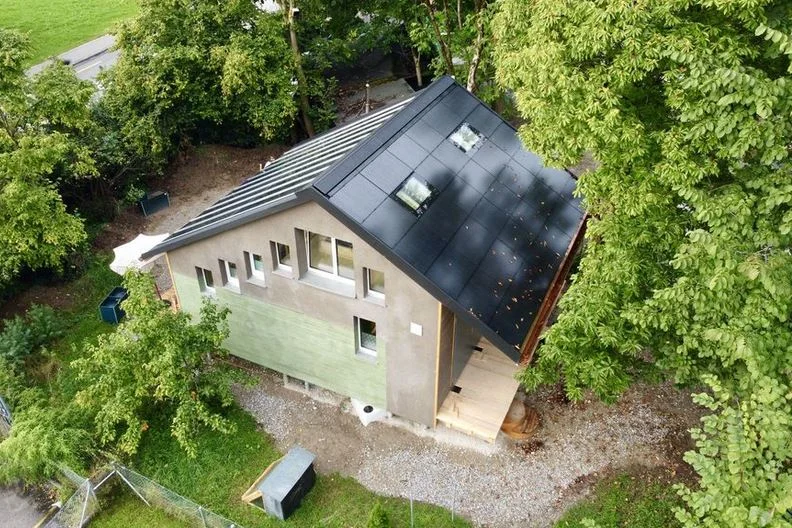
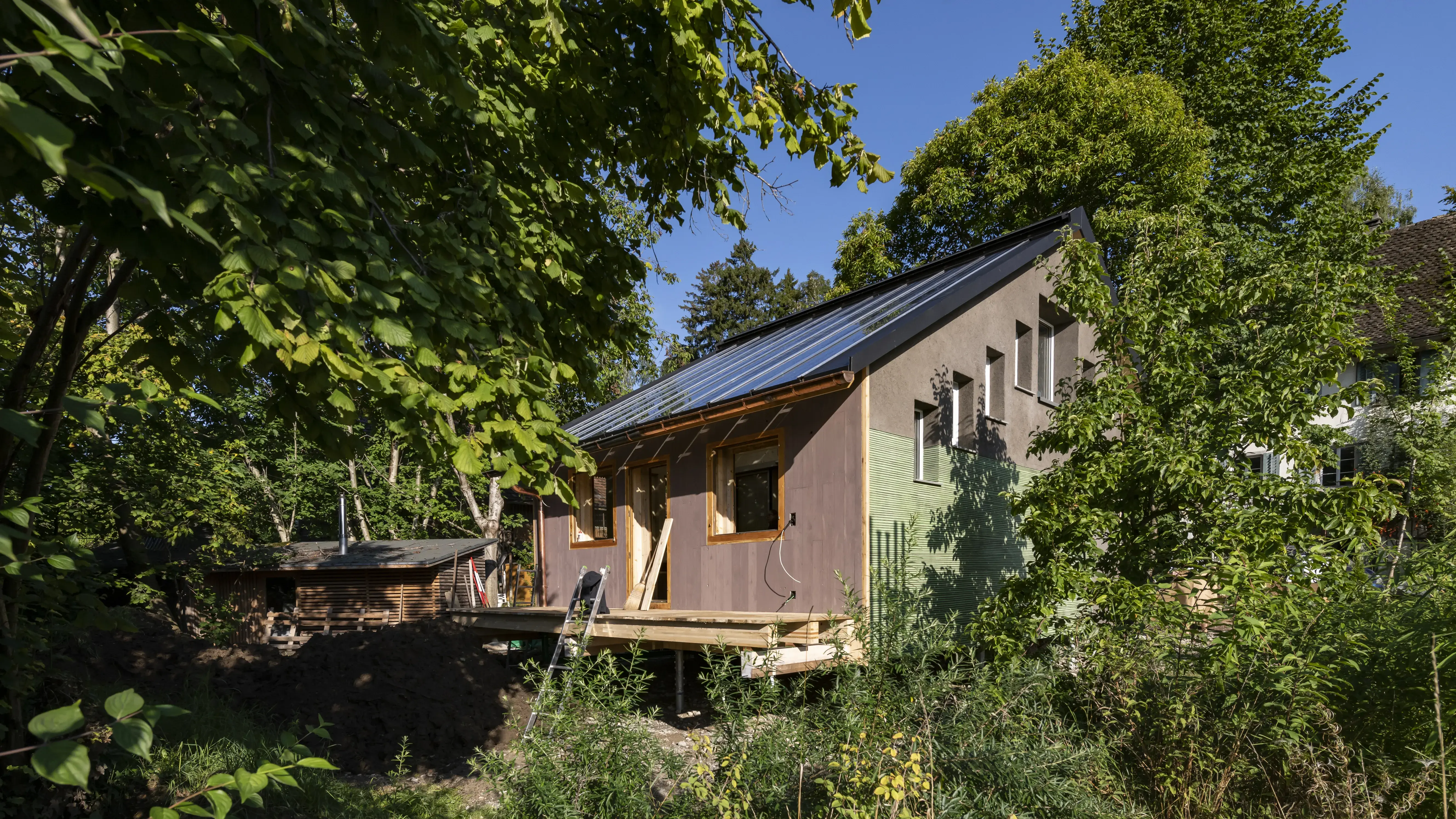
Discover the KREIS-Haus, where innovation and practice meet. The KREIS-Haus is a living laboratory of recyclable technologies and materials. It shows how you can live almost self-sufficiently, environmentally friendly and yet comfortably in a small space. From building materials to waste water, everything is recycled.

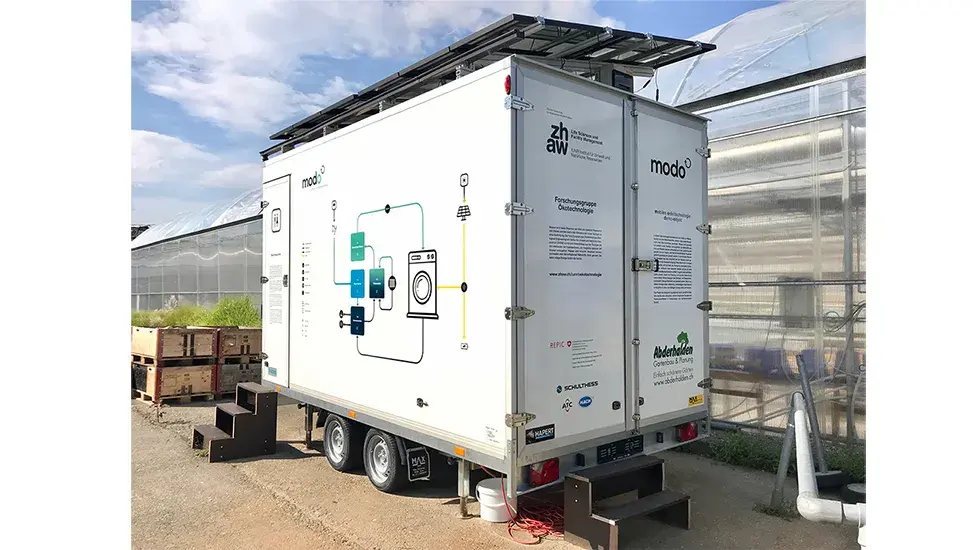
The mobile eco-tech demo object "MODO" serves as a research and demonstration facility for eco-technologies and new sanitary systems on the Grüental campus. MODO is an energy and water self-sufficient toilet and wash house. For South Africa, where water resources are scarce, MODO served as a prototype for the LaundReCycle: an energy and water self-sufficient launderette that sustainably supports local communities.
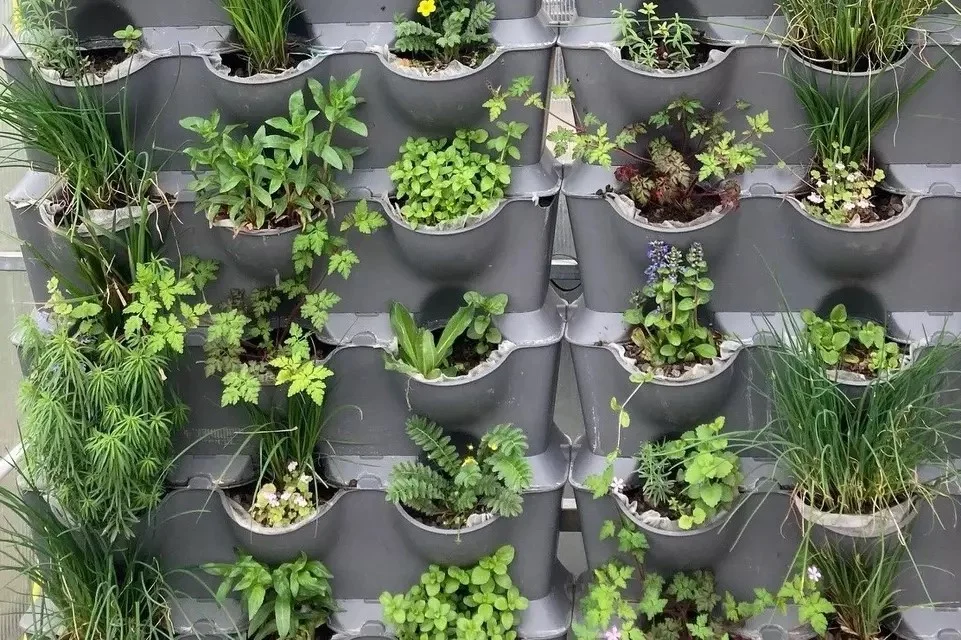
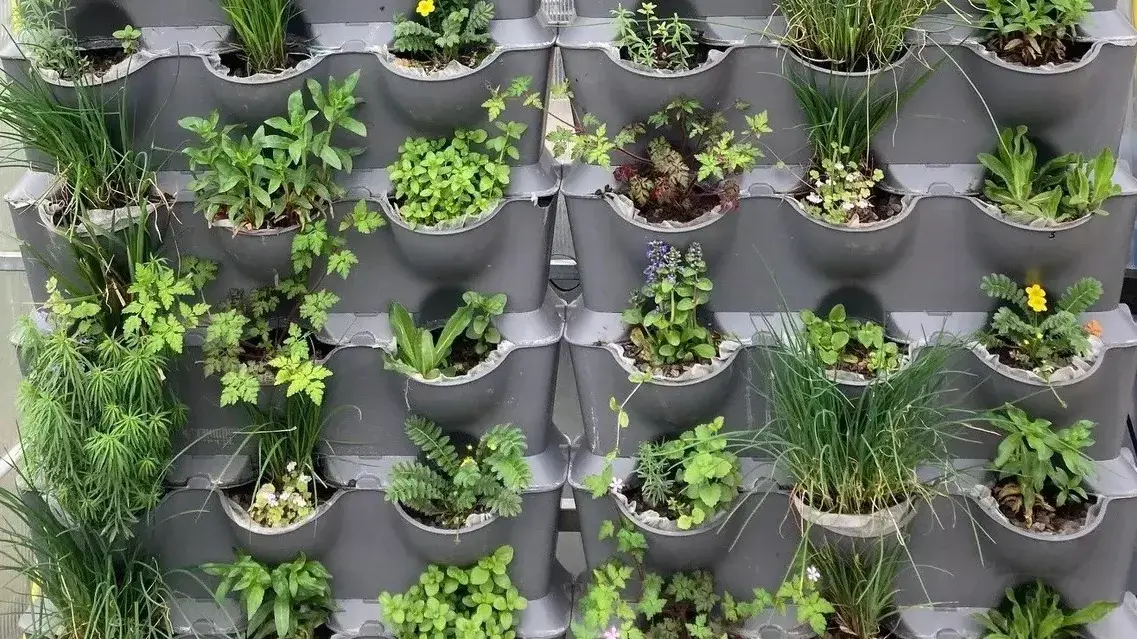
We are researching the development of green wall systems that clean the air and water of pollutants, efficiently retain and reuse water, improve the urban climate through cooling, promote the insulation of buildings and enrich the biodiversity of urban spaces.
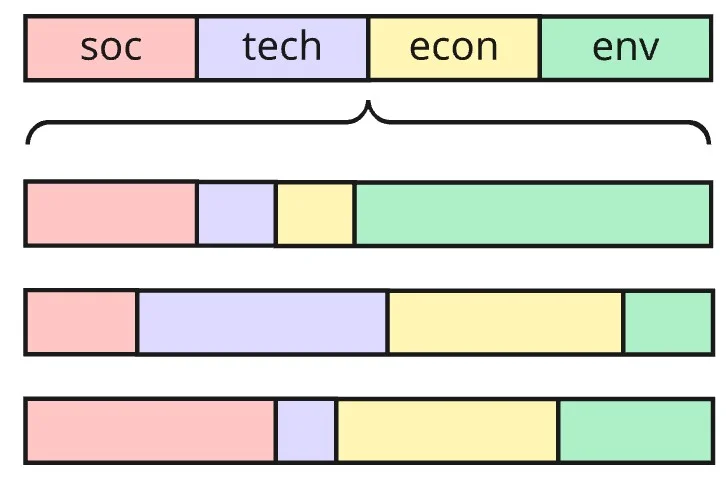
Planning of Decentralized Greywater Treatment and Reuse
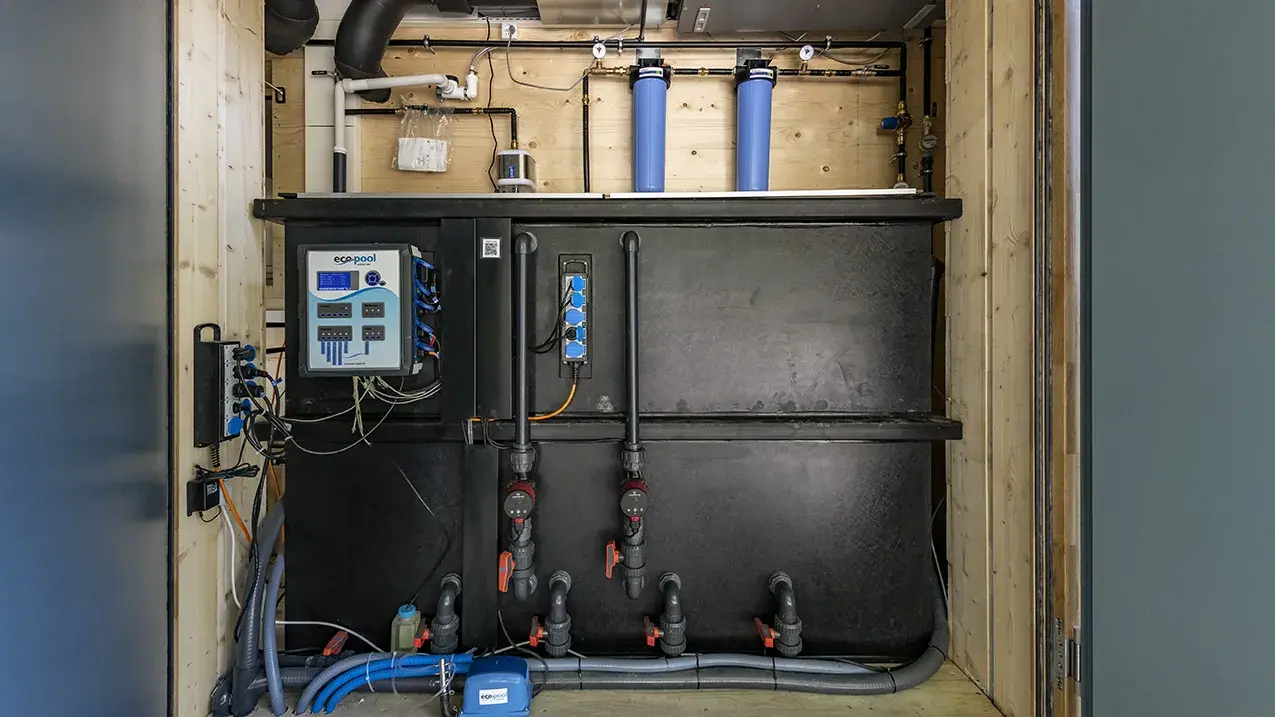
Today, water from the bathroom and kitchen flows directly into the sewer system. This slightly contaminated greywater could be collected, treated on-site, and reused for flushing toilets or irrigation. The various impacts are compared, enabling transparent, informed decision-making.
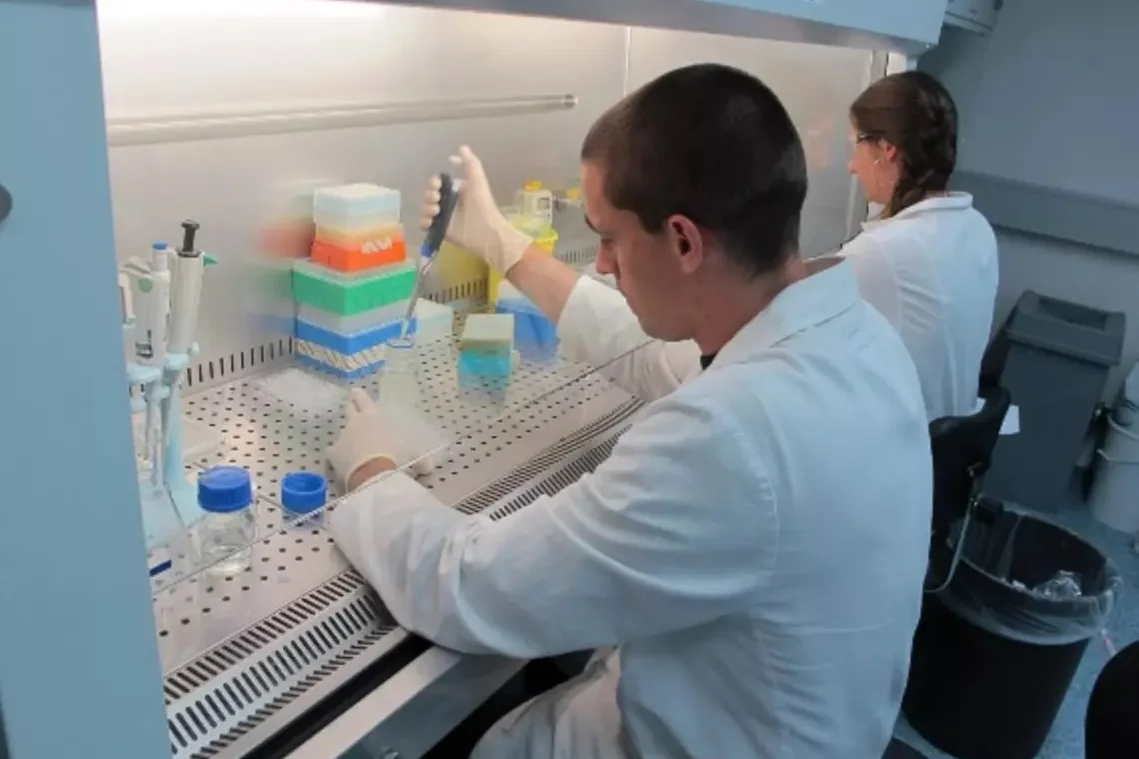
Analysis methods for circular systems
The aim is to monitor and improve the quality of treated water in order to strengthen the green infrastructure of our cities and promote responsible use of the resource. Our work includes developing low-tech sensor technologies for efficient monitoring of treated water, conducting feasibility studies for self-sustaining water recirculation systems, and identifying and treating contaminants.
⇒ Casa Circolo
⇒ Cost-efficient Monitoring
⇒ Ökotoxikologie und wirkungsbasierte Analytik
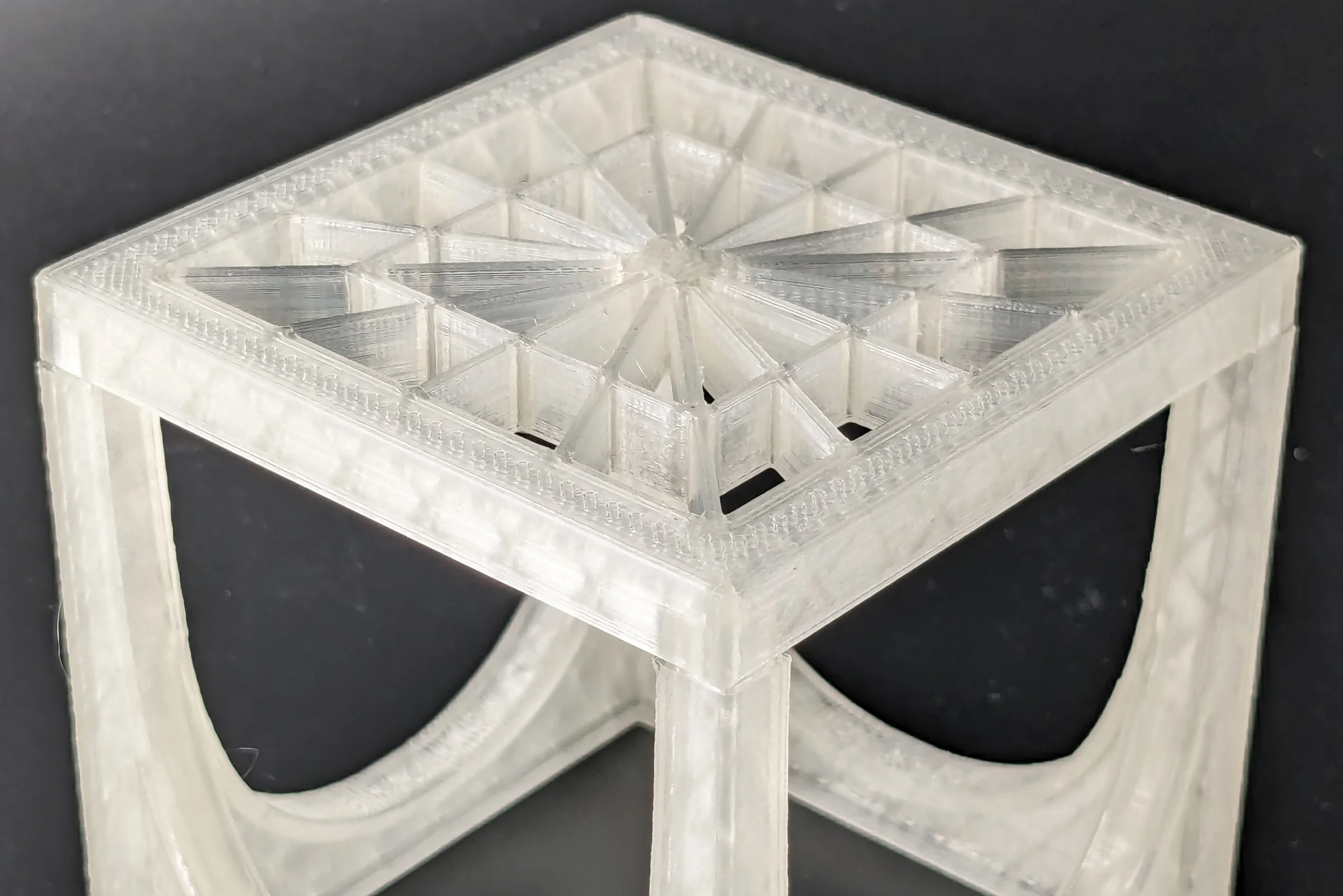
Biochar is a sustainable key to carbon neutrality, sequestering CO₂ over the long term and can be used in a variety of ways, from fertiliser to filter media. Our pyrolysis reactor can also be used to produce faecal charcoal, which can be reused as a fertiliser on fields. Our research is optimising biochar for specific applications and opening the door to a sustainable future.
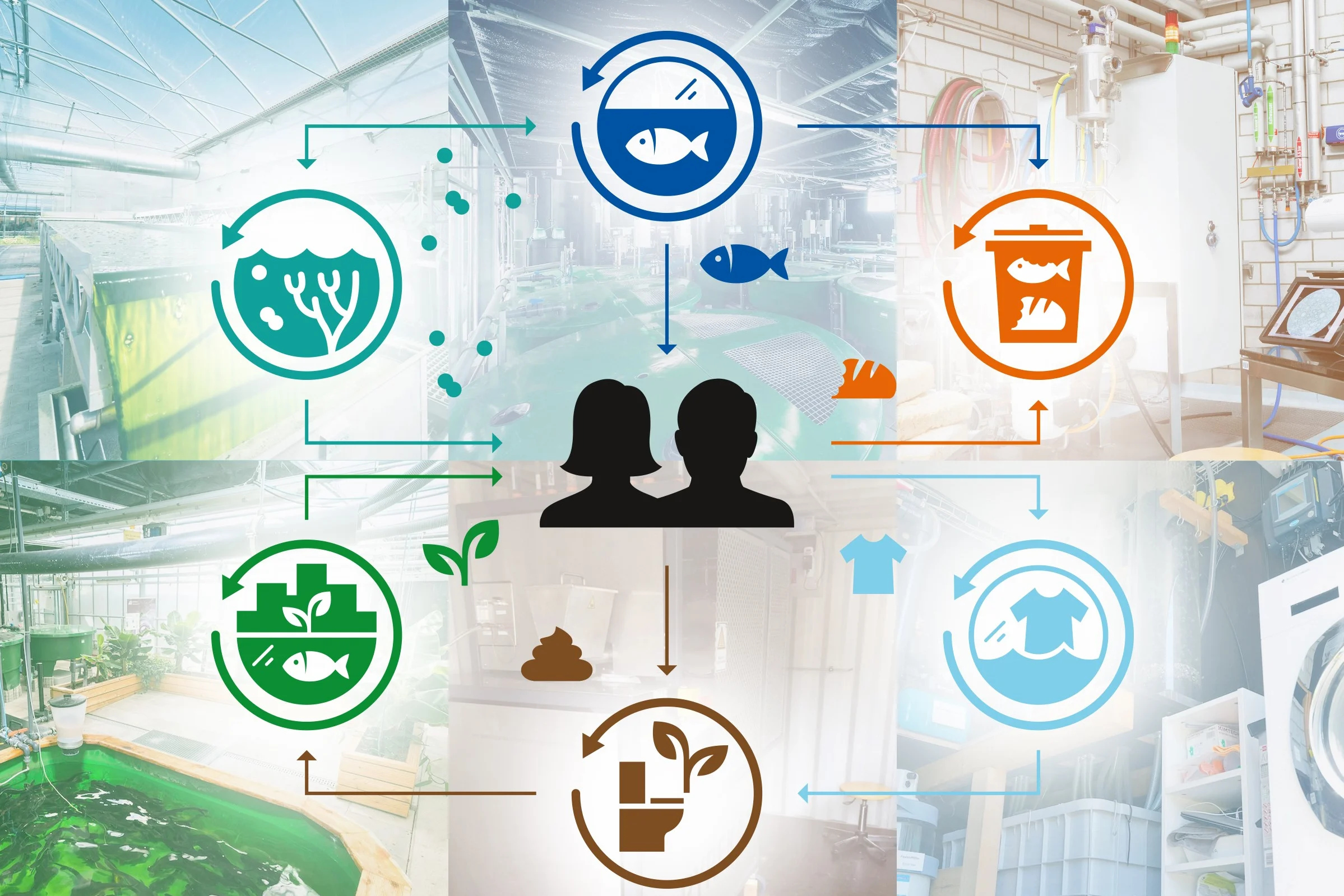
Immerse yourself in the world of eco-technologies and discover how we can build a sustainable future by using our limited resources wisely and efficiently. Six innovative and forward-looking projects from circular economy research will inspire you. Especially exciting for school classes: Our field trips offer lively learning and direct insights into the practice of eco-technologies - experience science at first hand!
⇒ Excursions for school classes
⇒ Download app «1001 Kreislauf» for virtual and self-guided tour in the laboratory of eco-technology iOS / Android