Master Research Unit Ecological Engineering and Renewable Energy for the MSc Environment and Natural Resources
Are you interested in the interplay between technology and ecology? In the Ecological Engineering and Renewable Energy specialisation, you will develop holistic solutions for the most pressing concerns facing society today.
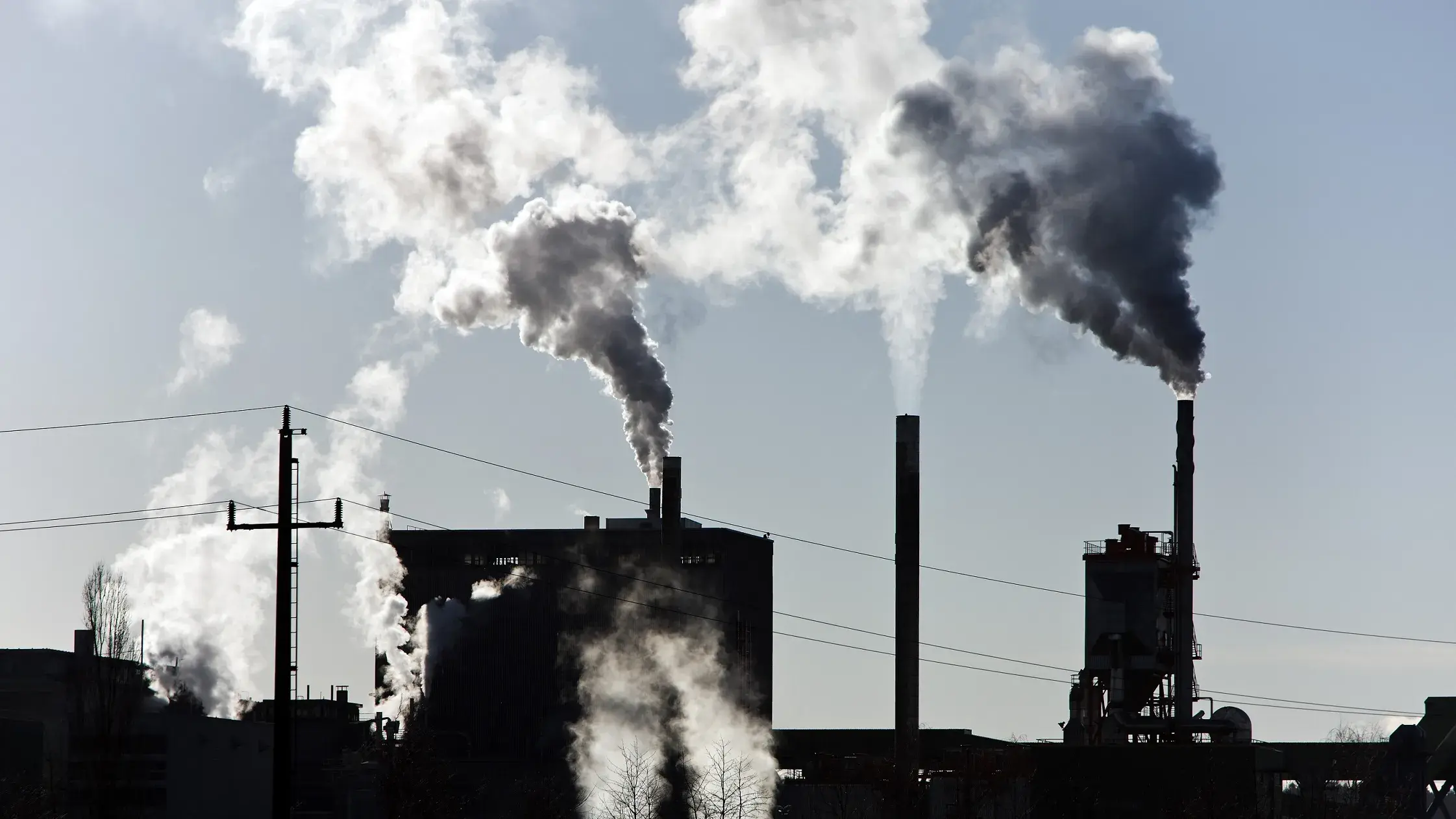
Climate change and biodiversity loss demands a radical transformation of the energy and food systems. Circular systems, renewable energies and advancing digitalization are opening up whole new possibilities. Join us in shaping the energy system of the future: efficient, sufficiency-oriented and sustainable.
Competencies
As a Master of Science ZHAW in Environment and Natural Resources specialising in Ecological Engineering and Renewable Energy you will...
- know the technical, social and political relationships that influence the Swiss energy system.
- analyse, model and influence the interplay of ecology and technology in specific applications.
- plan and examine circulatory systems according to ecotechnological criteria.
- evaluate and optimise energy concepts and sustainable infrastructures according to technical, ecological and economic criteria.
Course content
You will consider the following questions throughout your studies:
- How can ecology, society and political factors be combined to enable sustainable societal development?
- How can holistic thinking be integrated into technical systems?
- What potential do smart cities, the Internet of Things or digitalisation in general have for buildings, neighbourhoods and cities?
- How can the Paris climate targets or Net Zero greenhouse gas emissions by 2030 be achieved?
- How do we shape future mobility that does not come at the expense of quality of life, competitiveness, the environment and the climate?
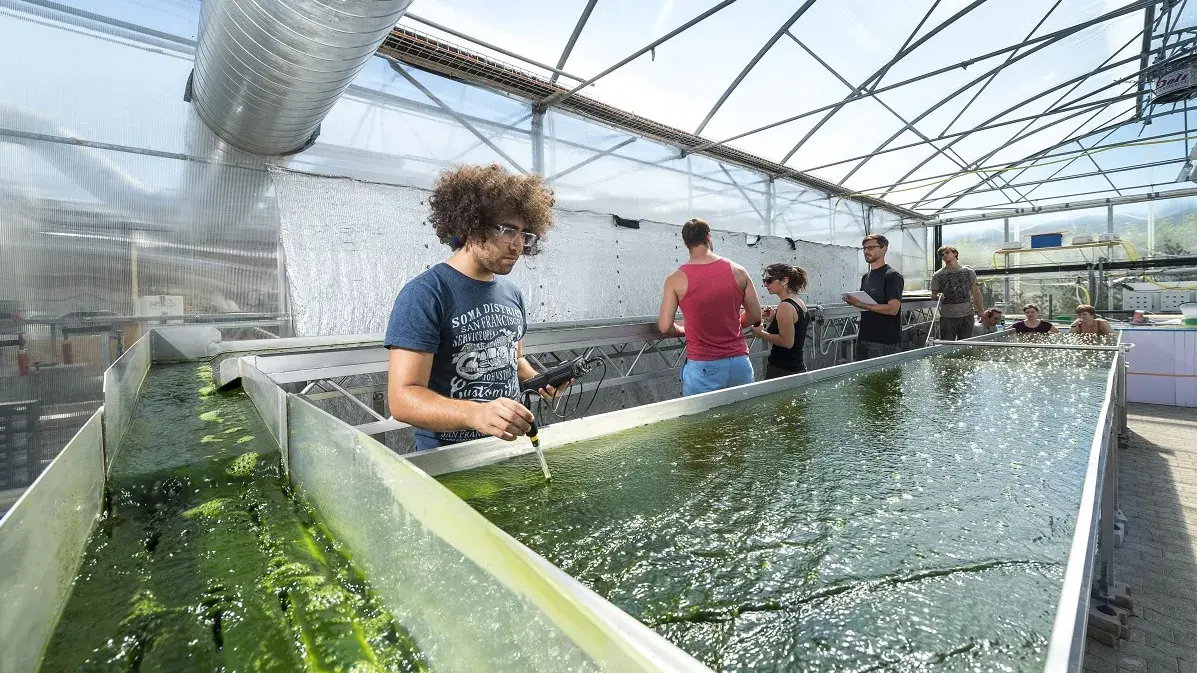
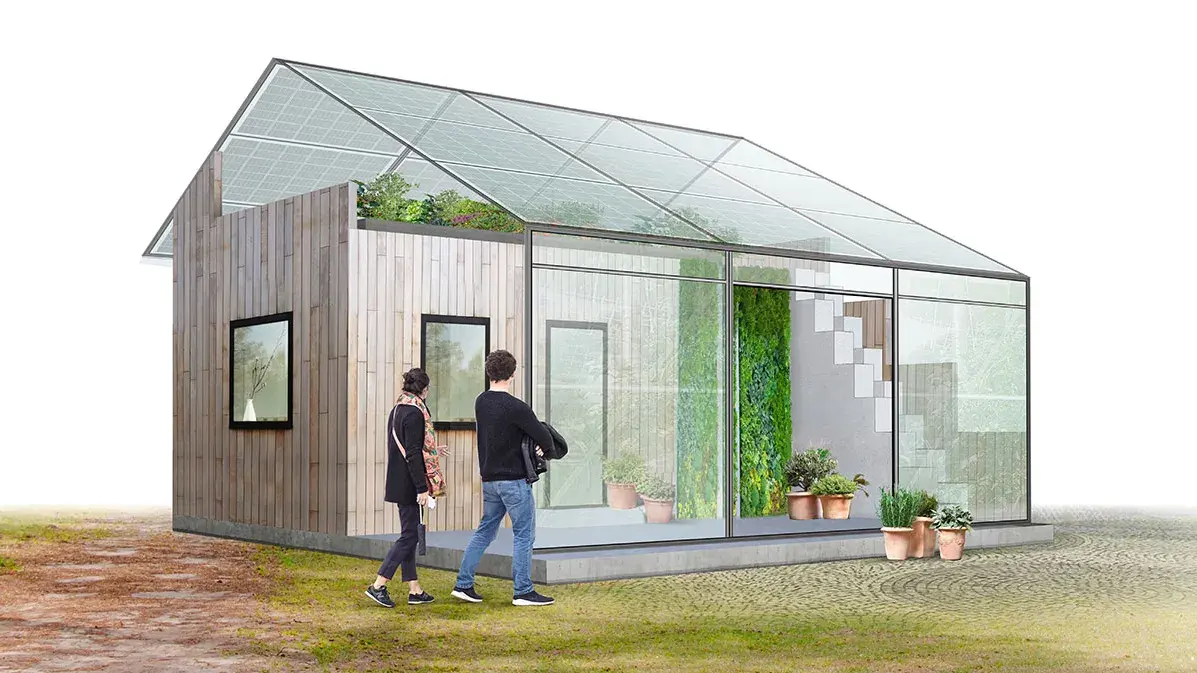
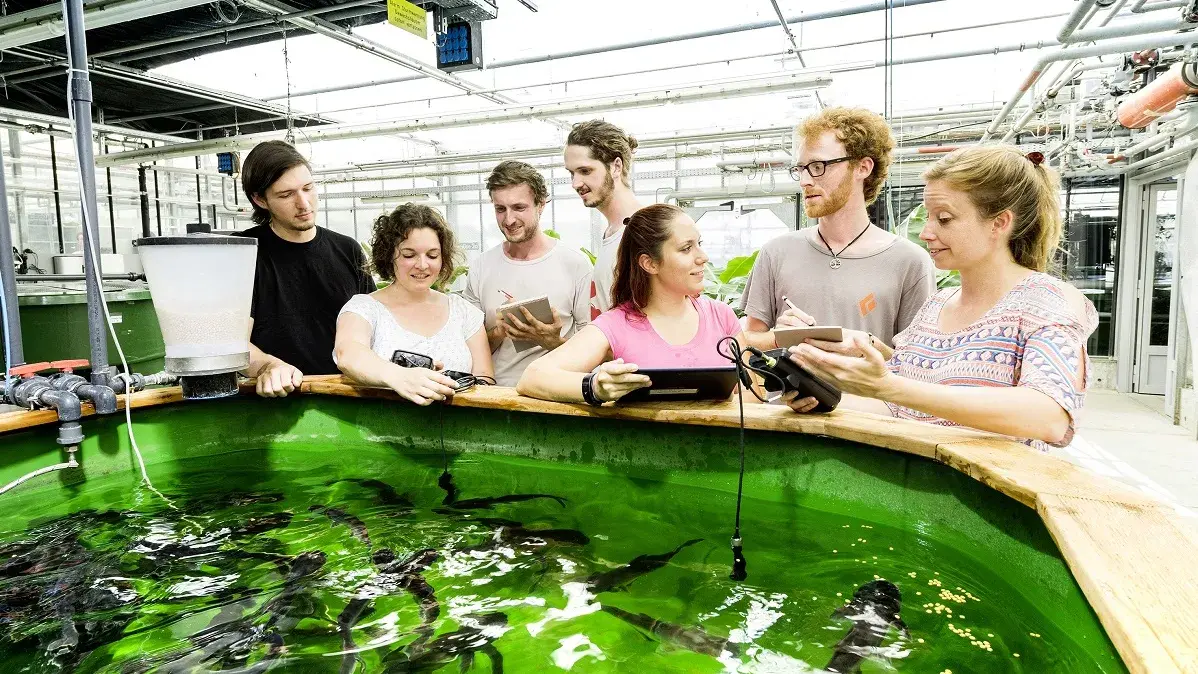
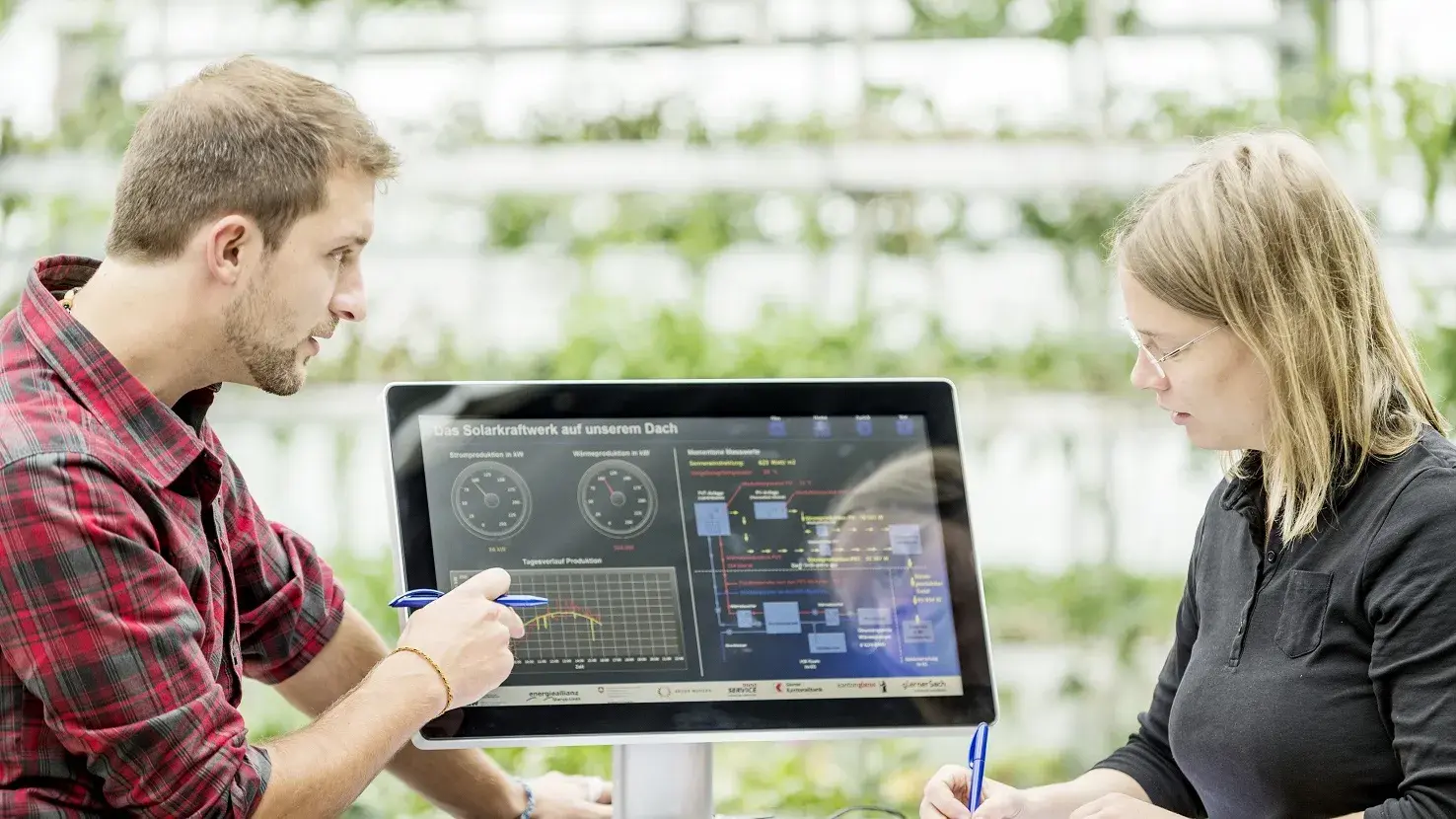
Current impressions from everyday study life:
Masterstudio and Research Group
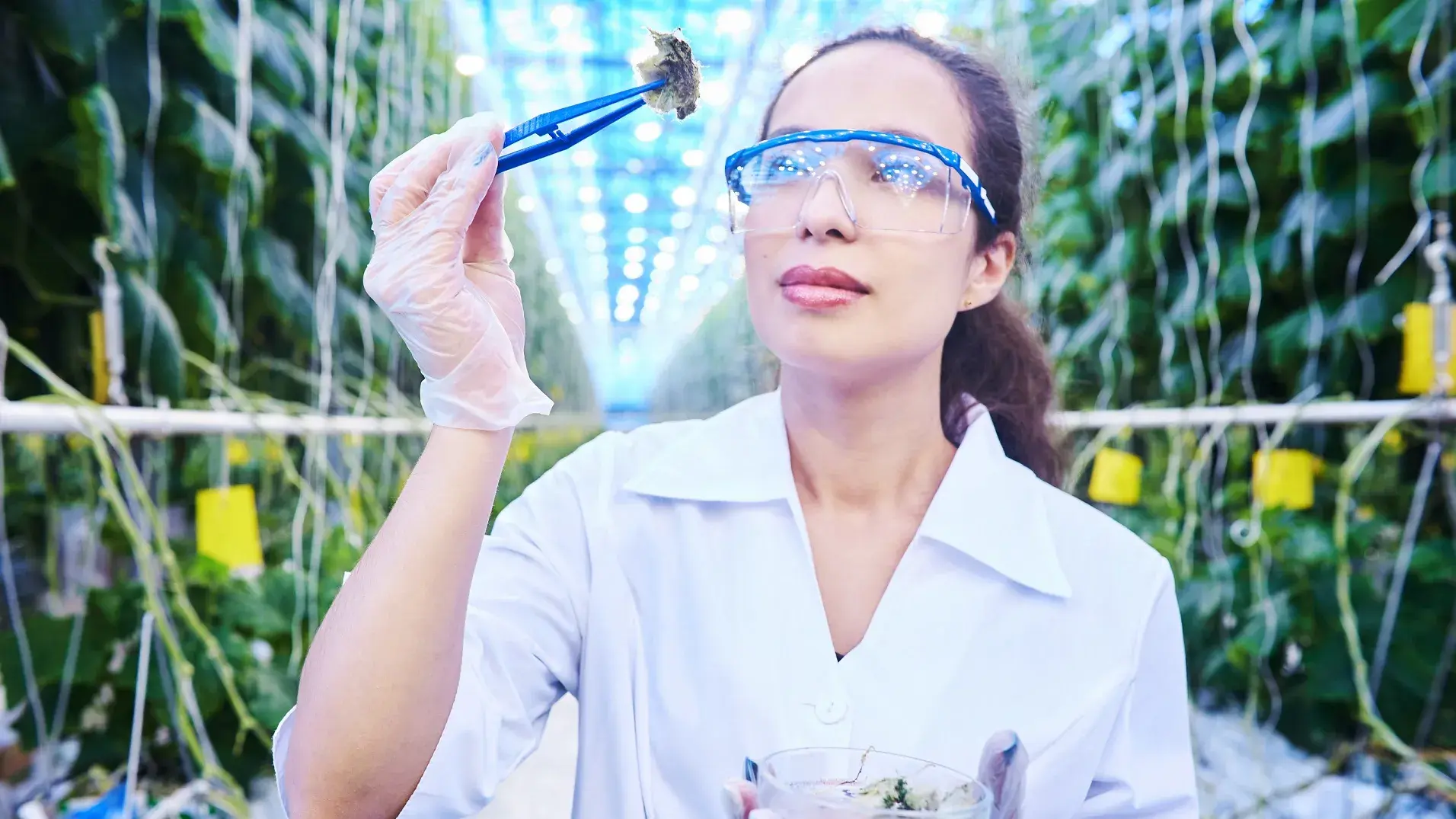
A central aspect of your master's program is specialisation in the subject area of a research group. This masterstuido, consisting of project work and master's thesis, makes up half of your program and provides in-depth insights into project and research work. This allows you to build a network during your studies and enables you to tackle complex issues independently in your future professional career.
The research groups are divided into three thematic areas.
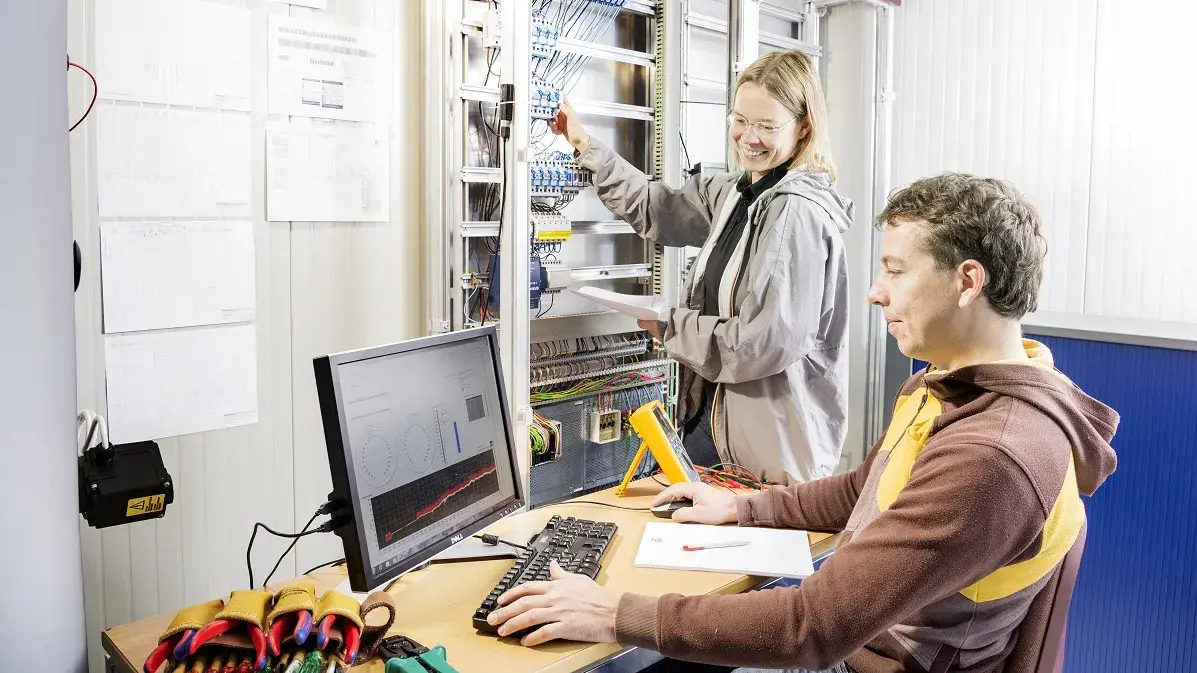
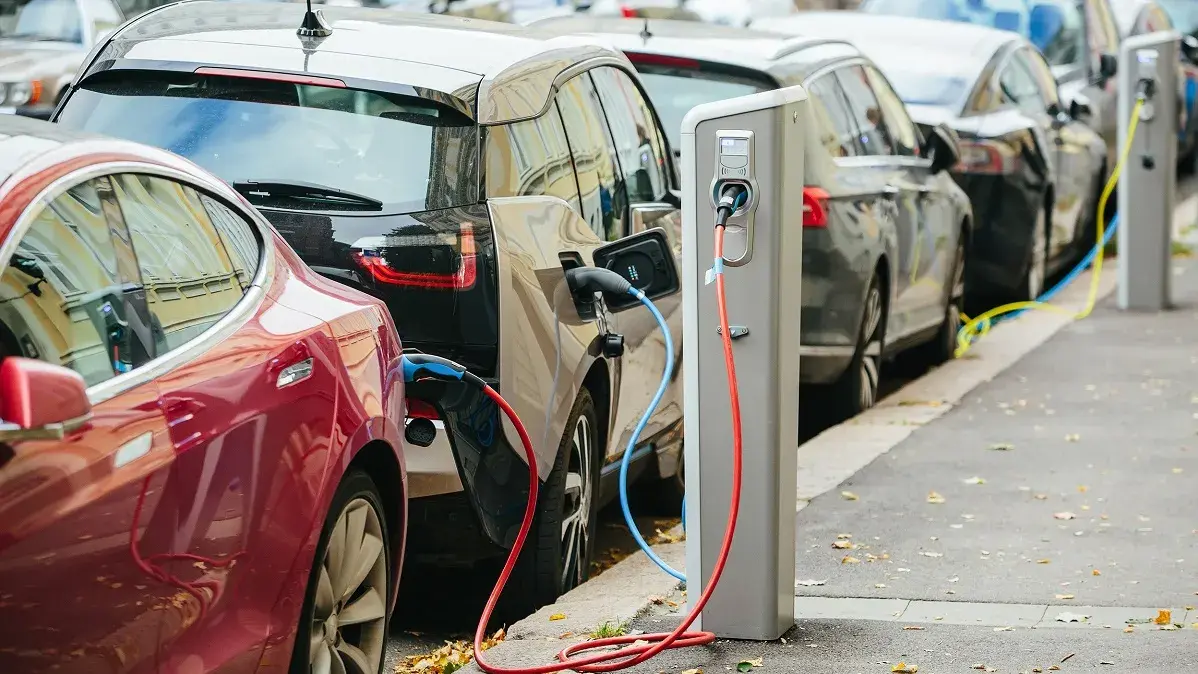
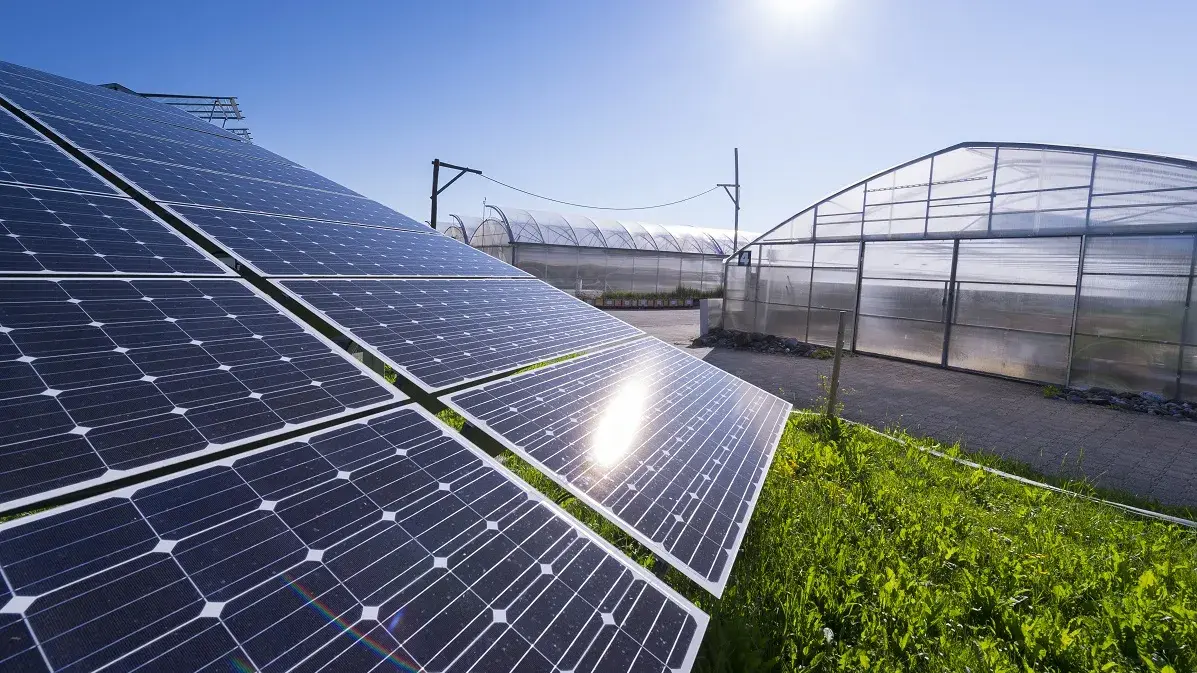
Energy systems and mobility
Circular systems, resource and material flows
Analysis and communication of environmental impacts
Unsure which research group to choose for your master's degree? Come to an info event on campus, we will be happy to advise you.

"For the energy transition, we need you! The focus on renewable energy sources is absolutely necessary. Help us continue the transformation. Are you unsure which area suits you? Write me an email, I will be happy to advise you."
Jürg Rohrer, Head of MRU Ecological Engineering and Renewable Energy