Bachelor's degree Energy and Environmental Engineering
Climate change, resource scarcity and growing energy demand call for new solutions. The Energy and Environmental Engineering degree programme combines technical innovation with environmental thinking – for renewable energy, efficient systems and smart grids.
Good reasons to study Energy and Environmental Engineering
With a Bachelor’s degree in Energy and Environmental Engineering, you can:
- actively shape the future of energy generation, distribution and supply;
- contribute to efficient and sustainable solutions;
- take on exciting and meaningful roles in a sector with promising prospects.
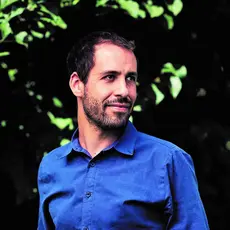
“For me as someone who was changing careers, I learned a great deal from the internships and from the application examples for the theoretical knowledge that we were taught. I also learned, however, to rapidly familiarise myself with new topics and get to grips with new applications.”
Tilon Holtz, ZHAW graduate and project manager at Energie Netzwerk GmbH
Portrait
At a glance
Degree: Bachelor of Science in Energy and Environmental Engineering UAS Zurich
Workload: 180 ECTS credits
Duration: 6 Semesters
Study model: Full-time degree programme, Work-study Bachelor’s degree programme
Modules in English: Fall semester (PDF 532 kB), Spring semester (PDF 454 kB) (for more information please visit International Office)
Start of programme: Autumn
Application deadline: 30 April
Location: Winterthur
Language of instruction: German
Tuition fee: CHF 720 per semester plus additional study costs
Consecutive degree programmes: Master of Science in Engineering (MSE)
Admission: Admission requirements

"My goal was to be able to use my education for the benefit of society at large - I clearly succeeded"
Sandro Mazzier, graduate Energy and Environmental Engineering
Portrait
What you will study in Energy and Environmental Engineering
The energy supply sector is undergoing a transformation, moving away from fossil fuels towards renewable energy. In Switzerland, specialists with in-depth knowledge of photovoltaics, battery storage, power grids, heat pumps, industrial thermal processes, wind power and sustainability are in high demand. The programme provides a foundation in energy engineering and enables you to specialise in Renewable Electrical Energy Systems, Thermal Energy Engineering, or Sustainability and Technology. Your future fields of work are as diverse as the challenges themselves.
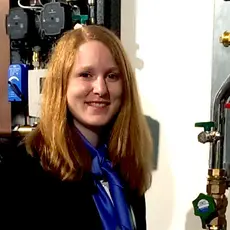
"The mixture of technology and management is the appeal of the environment and sustainability specialisation for myself".
Manuela Bürke, graduate in Energy and Environmental Engineering
Study models
The Bachelor's degree programme can be completed on either a full-time basis, with a study duration of three years, or on a part-time basis, with a minimum study duration of four years. A maximum employment level of 60% during the lecture period is recommended to students wishing to work while studying part-time.
Graduates of Swiss baccalaureate schools can choose the work-study Bachelor's degree programme, which combines internships and study in a four-year model.
Students have the opportunity to spend an exchange semester at one of our partner universities during the course of their Bachelor's degree programme.
Professional relevance
The Bachelor's degree programme in Energy and Environmental Engineering is highly relevant to professional practice. From the very first semester, students have the opportunity to apply the knowledge acquired in the scope of practice-based projects. In the project and Bachelor's thesis at the end of the study programme, students work independently on current topics and questions, often in collaboration with a company.
The lecturers in the Energy and Environmental Engineering study programme are also active in research and development, and the findings from their projects – generally completed together with business partners – are directly incorporated into their teaching.
You may also be interested in
Application for the Bachelor’s degree programme
Apply for the Bachelor’s degree programme today.
Admission requirements
The requirements for admission to the Bachelor’s degree programme at the ZHAW School of Engineering.
How to prepare yourself for the Bachelor’s degree programme
Learn how you can best prepare yourself for the Bachelor’s degree programme.
Application for the Bachelor’s degree programme
Admission requirements
How to prepare yourself for the Bachelor’s degree programme
Apply for the Bachelor’s degree programme today.
The requirements for admission to the Bachelor’s degree programme at the ZHAW School of Engineering.
Learn how you can best prepare yourself for the Bachelor’s degree programme.