Visual Intelligence and Applications

As visual data becomes one of the most abundant and complex sources of information, Visual Intelligence is a key pillar of modern data science — enabling new ways to analyze, model, and communicate through images, video, and immersive environments.
Teaching Machines how to See — and Helping Humans Understand
To become a true professional, one must develop expertise through a combination of core competences (knowledge), practical proficiency, and real-world experience.
- Our approach to human skill development emphasizes collaborative and communicative learning, supported by interactive and immersive technologies. We provide training opportunities that bridge both the physical and virtual worlds, ensuring deep and lasting learning outcomes.
- Our research initiatives push the boundaries of what's possible. Collaborate with esteemed faculty on projects in automated image interpretation, machine learning, visual communication, and more.
- Our work doesn't just stay in the lab — it has real-world impact, influencing everything from healthcare diagnostics to the arts.
Visual Interestingness

Interestingness -- the power of attracting or holding one's attention.
Our daily life is greatly influenced by what we consume and see. On one hand, we decide based on our personal interests which news, movies, or other events we focus our attention on. On the other hand, most people are also very open to external visual stimuli that could influence their behavior. To learn more about human visual perception and its effects on judging events as interesting, but also for commercial purposes, it is of great interest to understand what triggers human attention and interest.
For instance, models of what people consider 'interesting' could be used to automatically analyze video streams in video surveillance applications and alert users. Or it can help people in their work by automatically highlighting 'interesting' facts that might otherwise have been overlooked. This is especially important in time-critical scenarios where someone needs to quickly get an overview of many facts, such as in medical emergency care.
- F. Abdullahu and H. Grabner, Visual Interestingness Decoded: How GPT-4o Mirrors Human Interests, In Proc. International Conference on Computer Vision (ICCV), 2025, Data and Code on GitHub
- F. Abdullahu and H. Grabner, Commonly Interesting Images, In Proc. European Conference on Computer Vision (ECCV), 2024, Data and Code on GitHub
- T. Koller, and H. Grabner, Who wants to be a click-millionaire? On the influence of thumbnails and captions. In Proc. IEEE International Conference on Pattern Recognition (ICPR), 2022
The Effect of Implied Motion

Over the past several decades, visual imagery has become the dominant element in modern advertising. A common content strategy involves depicting humans, animals, or objects in the midst of motion. Whereas previous research indicates that implied motion images enhance persuasion, it is unclear whether this effect is unique to depictions of moving humans or if it also applies to depictions of moving animals (e.g., a dolphin jumping out of the water) and moving objects (e.g., a car driving on a street, a burger being tossed in the air). Across a set of seven experimental studies, we provide robust evidence that images depicting animate and inanimate motion increase the persuasiveness of an advertisement and that this effect occurs through enhanced engagement. Our findings further indicate that the level of engagement is influenced by the complexity of the depicted motion, with more complex, nonlinear movements eliciting greater engagement than simpler, linear movements. Overall, this research contributes to the advertising literature by providing an empirically grounded account of implied motion imagery and by helping marketers create more effective advertising.
- ZHAW Medienlinguistik
- F. Bünzli, W. Weber, and H. Grabner, Depicting more or less action? How motion density influences user responses in social media marketing, International Journal of Advertising, 2026
- F. Bünzli, W. Weber, F. Abdullahu, and H. Grabner, Depicting Humans, Animals, and Objects in Motion: The Effect of Implied Motion on Engagement and Persuasion in Advertising? Journal of Advertising, 2024
- F. Bünzli, W. Weber, F Abdullahu, and H. Grabner, Do Vectors of Motion Make Advertisements More Interesting? Annual Conference of the International Communication Association (ICA), 2023
Watching the World

All images are equal but some images are more equal than others.
"WATCHING THE WORLD, The Encyclopedia Of the Now" is an art, photography, exhibition, AI, big data, and online project that exclusively uses open data sources. It photographs the world simultaneously in live mode around the clock and across the globe using publicly accessible webcams, presenting these recordings in real-time on the website in various modes and developing a new way of seeing, a new form of photography with the help of AI.
On the webpage https://webcamaze.engineering.zhaw.ch, more than 10,000 webcams are analyzed in real time. If the images were printed out, they would stack up to the height of the Great Pyramid of Giza – every day! Without methods of machine learning and automatic image processing, such volumes could no longer be managed.
Most of the time, there is nothing "interesting" to see – but if you are at the right place at the right time, you see surprising, unexpected, bizarre, perhaps questionable images that invite reflection and discussion.
"SPY BOT 2000 - We believe the version of the arty bollocks write up is that this loads live webcam images from around the world and gets an AI to sort them into categories. Actually quite an interesting use of AI for a change, if a little creepy." -- b3ta.com
1 camera, 1 bird, 1 image

AWARD: SNSF Scientific Image Competition 2025 – Jury distinction
Jury’s commentary: Frozen in flight and defying gravity, this bird watching us offers a tongue-in-cheek reflection on the observer being observed. The partly humorous, partly absurd shot addresses the role of artificial intelligence and the deluge of images produced by the proliferating webcams and security cameras around the world, questioning the modern practice of photography.


IMMERSE: Immersive Education and Science Exploration
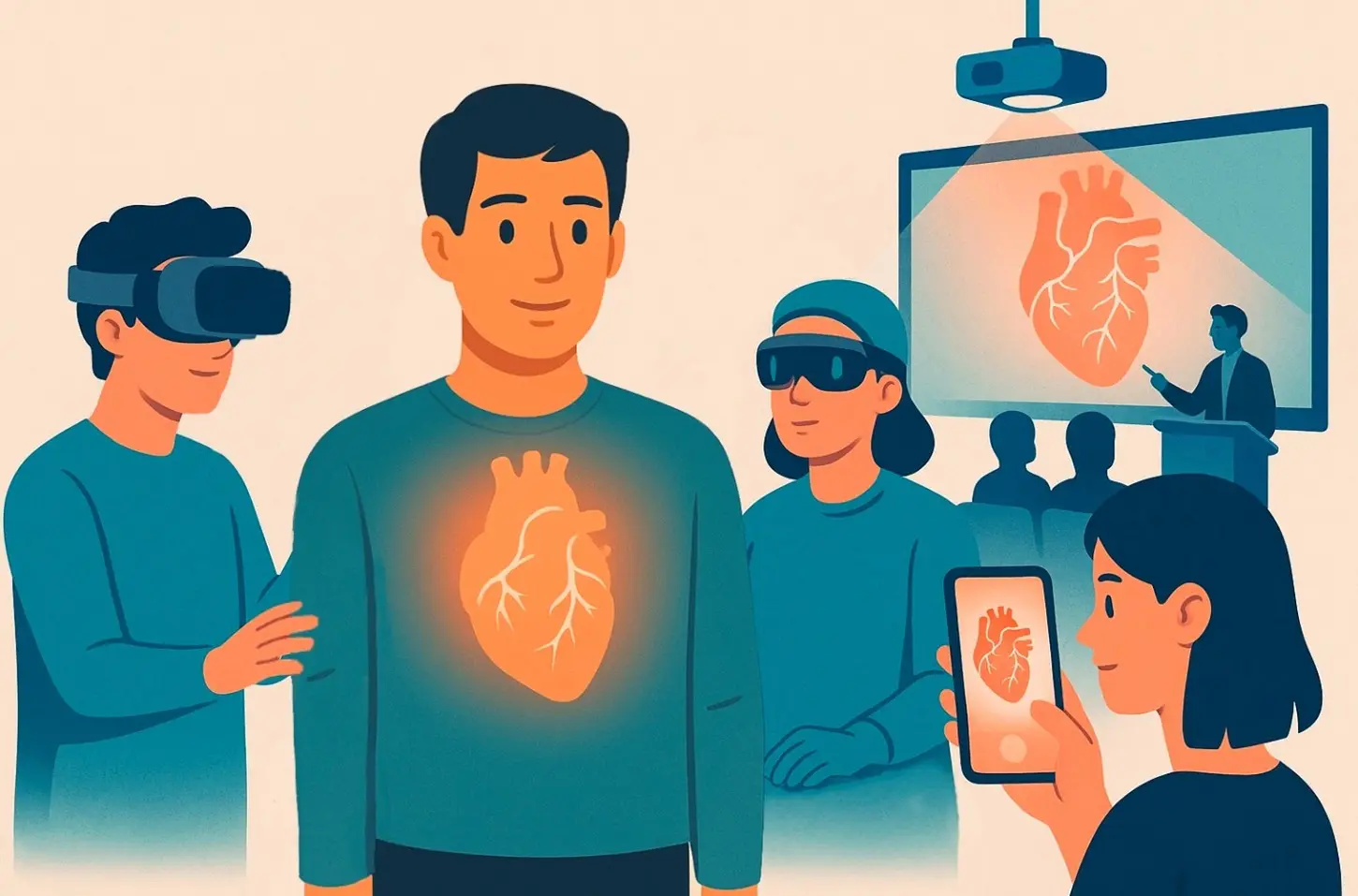
Extended reality (XR) learning environments are developed to spark curiosity, encourage exploration, and inspire creativity in learners. At the same time, educators are empowered by these tools to present their topics in an immersive and interactive way.
Close collaboration is maintained with the University of Zurich (UZH) and the Zurich University of Teacher Education (PH Zurich). Additional support is provided by practice partners such as Microsoft, Siemens, and Magic Leap, whose specialized expertise in XR technology, 3D data acquisition, and cloud solutions plays a key role. Through their contributions, ideas are transformed from early design and prototyping stages into fully realized applications. Applications are created across a variety of educational fields.
To support learners and educators in their respective environments, applications are developed with cross-platform use in mind. A common XR platform is being aimed for, allowing projects to be presented to individuals using VR or AR headsets, to groups via smartphones, or to entire classrooms through the use of 3D beamers. These tools allow subjects to be explored from fresh and exciting perspectives.
PROFICIENCY: Surgical Proficiency

integrates adaptive AR guidance and AI techniques. By harnessing the power of intuitive AR instructions and leveraging AI-driven analysis of human activity and behavior, our aim is to optimize the usability of surgical training simulators.
It initiates the paradigm shift in surgical training for optimally prepared surgeons and even greater patient safety.
Training on patients according to the principle of “see one, do one and teach one” no longer corresponds to today’s requirements and technical opportunities regarding education of surgical residents. During the Covid-19 pandemic, most hands-on training had to be discontinued, leading to an almost complete interruption of surgical education. Under the lead of the three clinical partners Kantonsspital St.Gallen, Centre Hospitalier Universitaire Vaudois, and Balgrist University Hospital, endorsed by the Swiss Surgical Societies, novel standardized and proficiency-based surgical training curricula are defined and interfaced to simulation tools. The four implementation partners VirtaMed AG, Microsoft Mixed Reality & AI Lab Zurich, OramaVR SA and Atracsys LLC, in collaboration with ETHZ and ZHAW develop these innovative training tools ranging from online virtual reality simulation, augmented box trainers, high-end simulators, to augmented-reality-enabled open surgery and immersive remote operation room participation. The proposed developments introduce a fully novel, integrative training paradigm installed and demonstrated on two example surgical modalities, laparoscopy and arthroscopy, while fully generalizable to other interventions. This will set new standards both in Switzerland and abroad.
- R. Lekar, T. Gerth, S. Prokudin, M. Seibold, R. Bürgin, B. Vella, A. Hoch, S. Tang, P. Fürnstahl, and H. Grabner. Enhancing Orthopedic Surgical Training With Interactive Photorealistic 3D Visualization. Annual Meeting of the International Society for Computer Assisted Orthopaedic Surgery (CAOS), 2025, project
- L. Wu, M. Seibold, N. Cavalcanti, J. Hein, T. Gerth, R. Lekar, A. Hoch, L. Vlachopoulos, H. Grabner, P. Zingg, M. Farshad, and P. Fürnstahl, A novel augmented reality-based simulator for enhancing orthopedic surgical training. Computers in Biology and Medicine, Volume 185, 2025
- https://www.surgicalproficiency.ch
- ZHAW Impact
- OR-X, ROCS Balgrist
- ETH Computer Vision and Learning Group
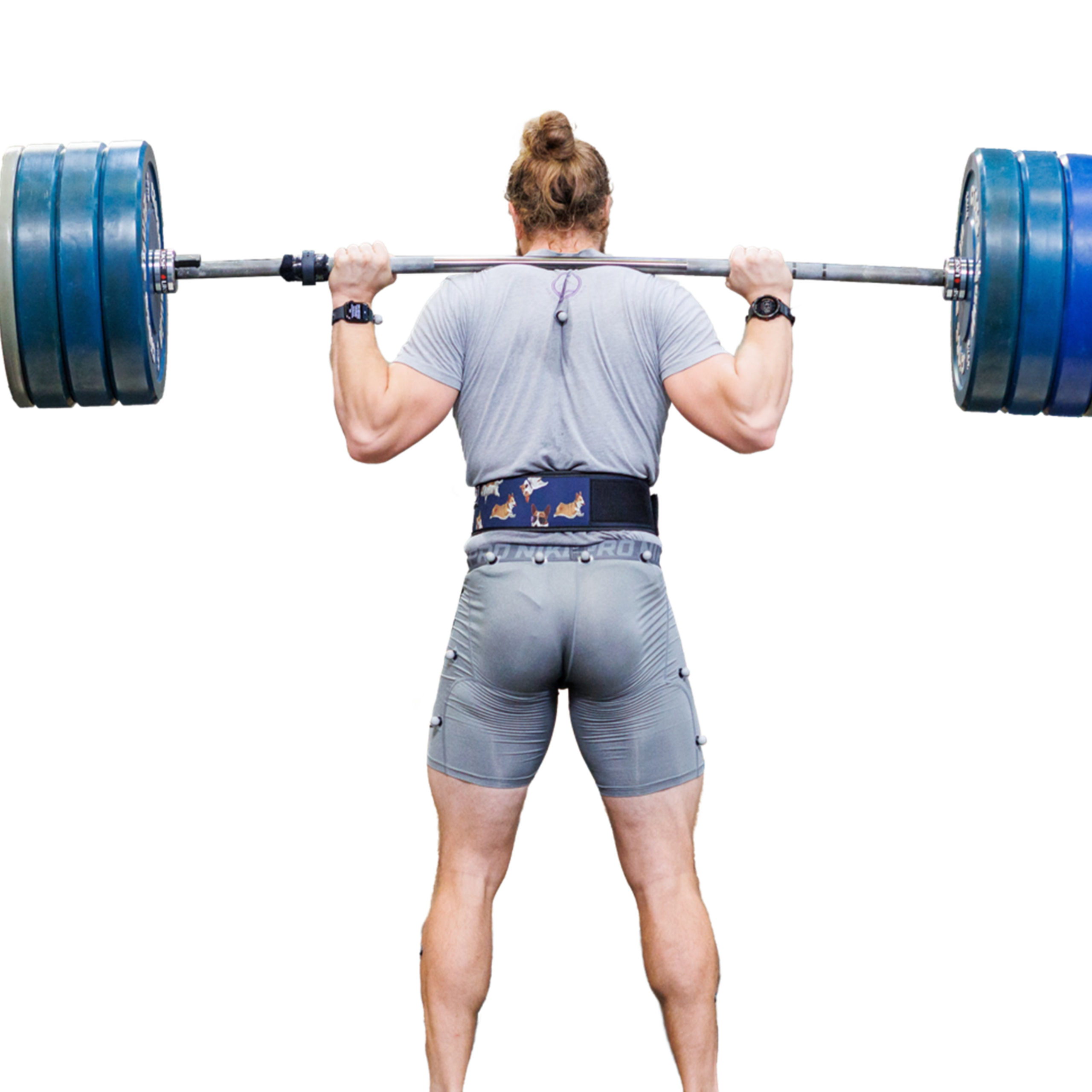
Mobile Monitoring of Resistance Training
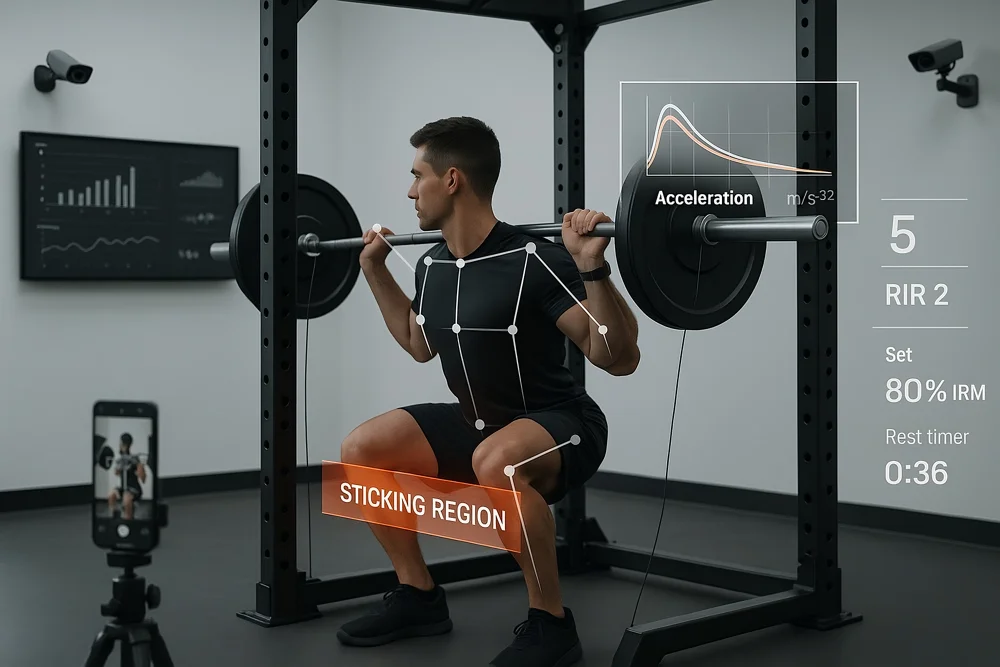
Resistance training is widely recognized as a cornerstone of physical development, offering substantial benefits for both general health and athletic performance. Despite well-documented advantages, global Resistance Training participation rates remain low. A more robust evidence base can inform targeted and individualized training recommendations, thereby increasing public awareness and driving wider adoption.
By integrating wearable measurements, volume monitoring, movement assessment, and predictive modeling, we aim to enable longitudinal tracking of Resistance Training using wearable-derived data. With this approach we aim to facilitate large-scale, low-burden monitoring across diverse populations and settings and enable individualized digital twins that simulate and predict training responses over time. As our next project, we will deploy our wearable monitoring directly in gyms with a primary focus on health. We will track movement quality, load management, and fatigue using on-watch IMU analytics to deliver real-time feedback for safe progression.
- B. Achermann, N. Regazzi, R. Heynen, D, Lüdin, J. Suter, A. Drewek, and S. Lorenzetti, From Monitoring to Prediction: Velocity-Based Strength Training in Female Floorball Athletes. Sports. 2025
- J. Jaeggi, B. Achermann, and S. Lorenzetti, Female Lower Body Muscle Forces: A Musculoskeletal Modeling Comparison of Back Squats, Split Squats and Good Mornings, Journal of Functional Morphology and Kinesiology. 2024
- B. Achermann, K. Oberhofer, S. Ferguson, and S. Lorenzetti. Velocity-Based Strength Training: The Validity and Personal Monitoring of Barbell Velocity with the Apple Watch. Sports. 2023.
Lectures
Together with the Institute of Computer Science we offer basic and advanced courses on Visual Computing.
Student Project Offers (BSc & MSc)
A selection of offered student projects is listed below. BSc projects and bachelor theses can also be found at Complesis. Examples of completed Master’s theses from the Master of Science in Engineering (MSE) can be found under the Data Science profile. We are happy to discuss your own ideas as well!
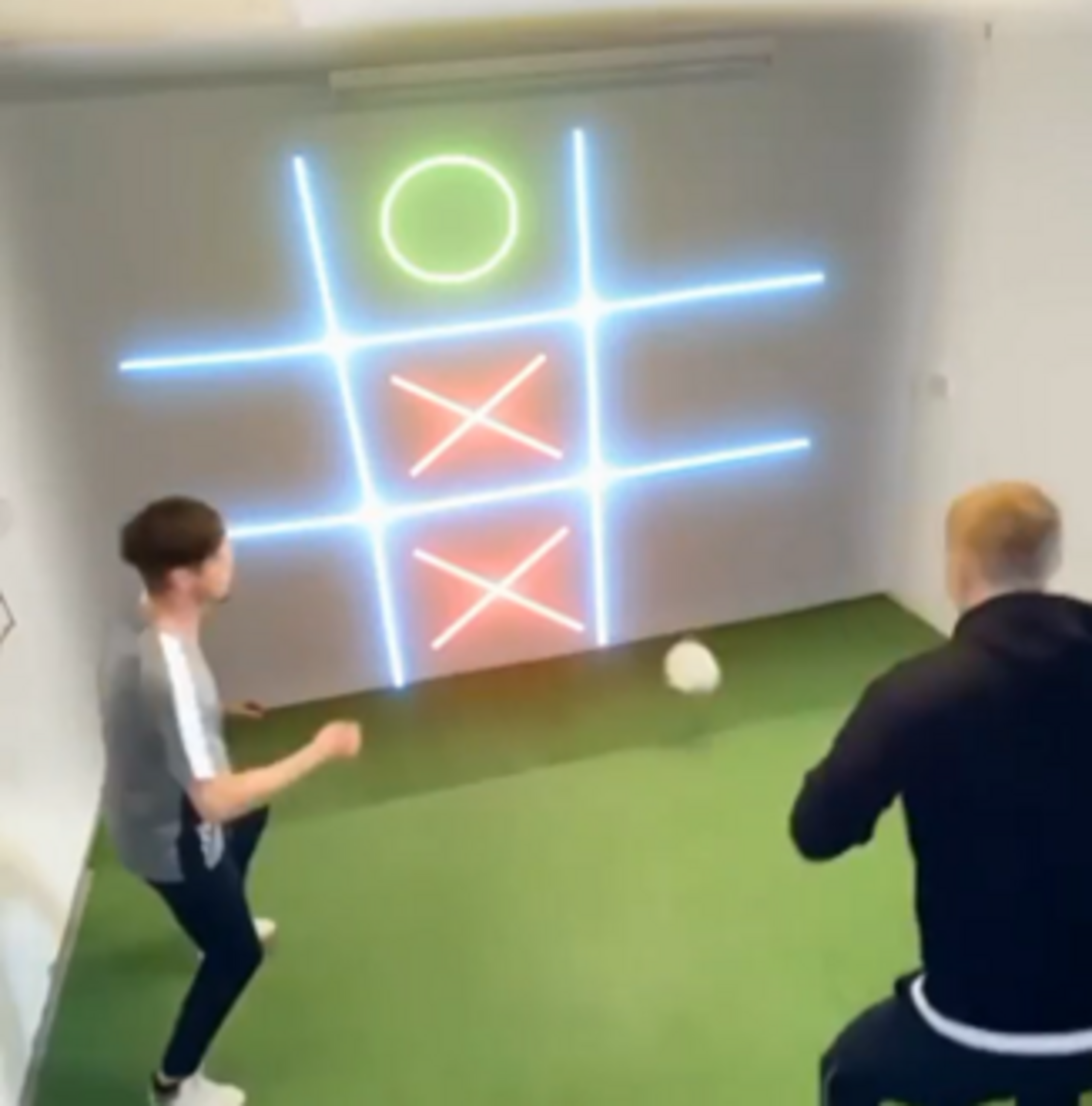
Interactive Game Wall – Tic Tac Toe with Computer Vision
Contact: martin.frey@zhaw.ch
This project explores a novel interactive game wall where Tic Tac Toe is played by kicking a football at projection surfaces. Using only cameras, a projector, and computer vision — no extra sensors — the system detects ball impacts and displays X or O at the hit location, enabling intuitive, digital play.
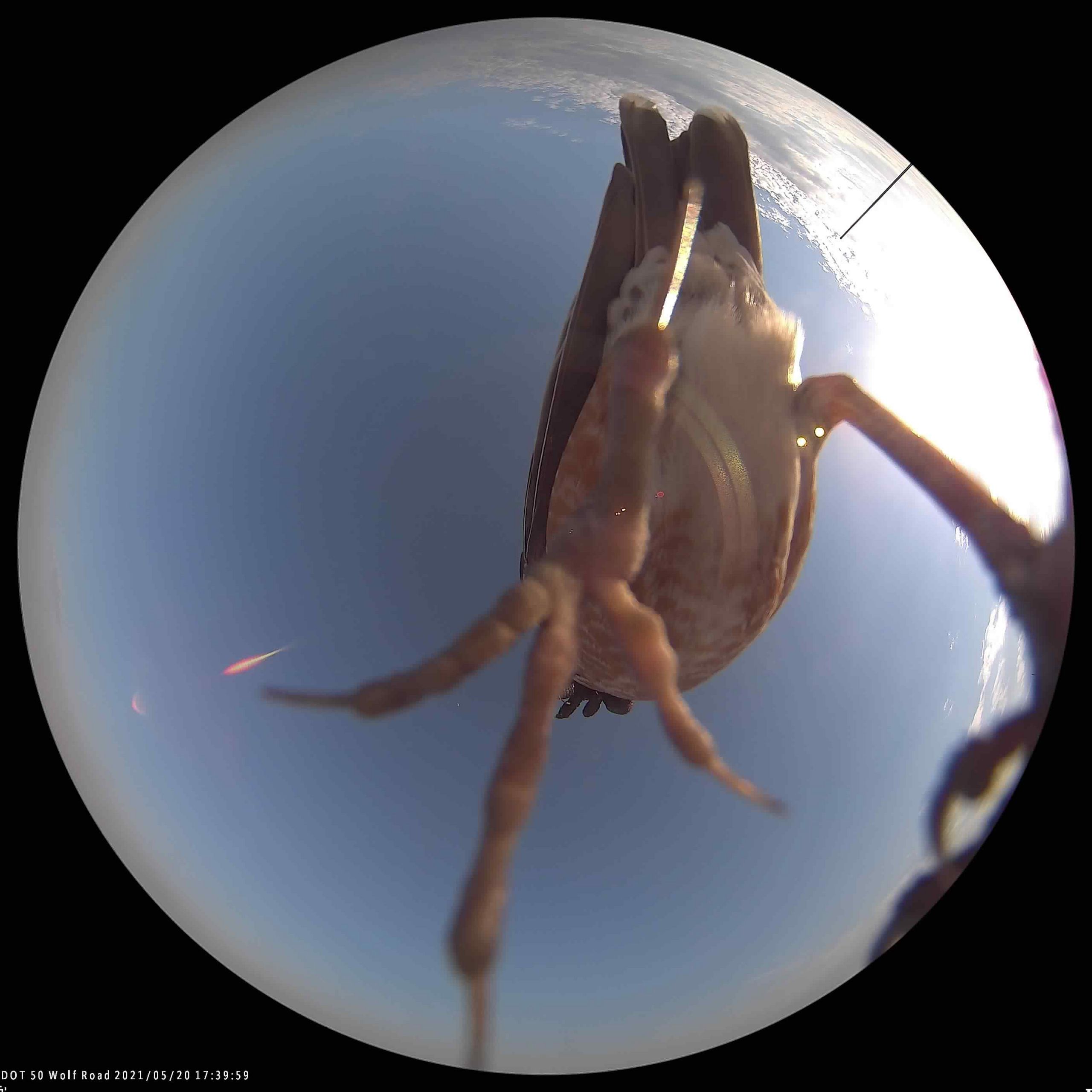
Millions of Images, Endless Insights – AI, Vision & Big Data
Contact: helmut.grabner@zhaw.ch
What can we learn from millions of images captured around the world every day? WATCHING THE WORLD continuously collects images from more than 10,000 public webcams, generating around 4 million images daily. This project explores new applications in computer vision, multimodal AI, cross-modal learning, geospatial analysis, and big data, offering plenty of room for individual research ideas.

The Unintentional Frame – Meaning Without Intent
Contact: helmut.grabner@zhaw.ch
People usually take photos with a specific subject in mind, yet the most interesting or humorous moments often happen unintentionally in the background or at the edges of the frame. This project investigates how AI and image analysis can automatically detect and highlight such unintentional visual moments in everyday snapshots.
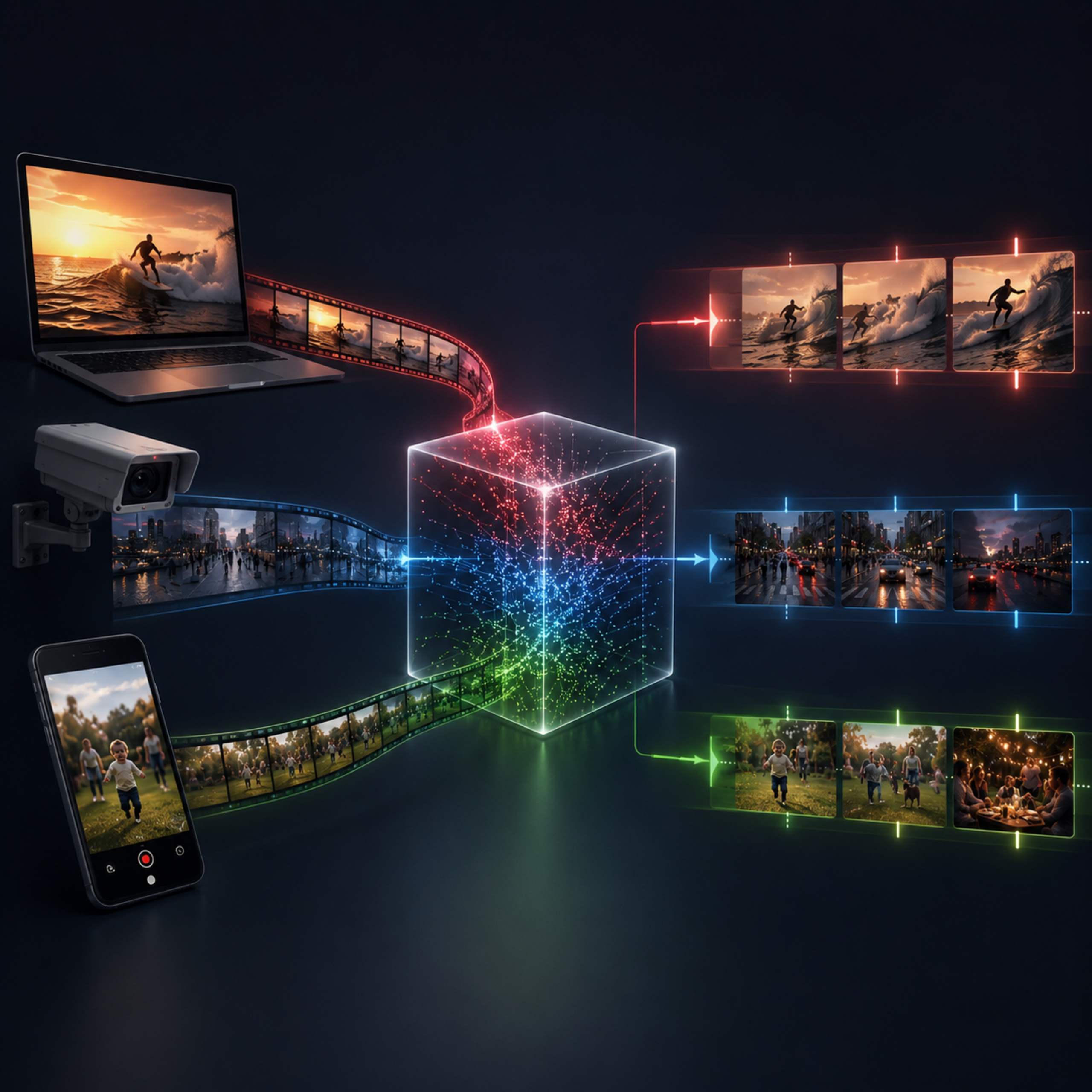
Beyond the Frame – What Videos Can Tell Us
Contact: helmut.grabner@zhaw.ch
A single image captures only a moment — much of meaning emerges through time and motion. But what counts as “interesting” strongly depends on the source: a YouTube clip is edited and intentional, while a webcam stream is raw and repetitive. This project investigates how AI, using video embeddings and temporal analysis, can automatically detect meaningful events across fundamentally different types of video data.

Learning by Seeing – Personalized Educational Illustrations
Kontakt: matthias.wueest@zhaw.ch
Not everyone learns in the same way. An illustration that helps a beginner may be too simplistic for an expert, while a detailed diagram may overwhelm a novice. This project explores how generative AI can create and adapt educational illustrations to match individual knowledge levels, abilities, and learning goals.
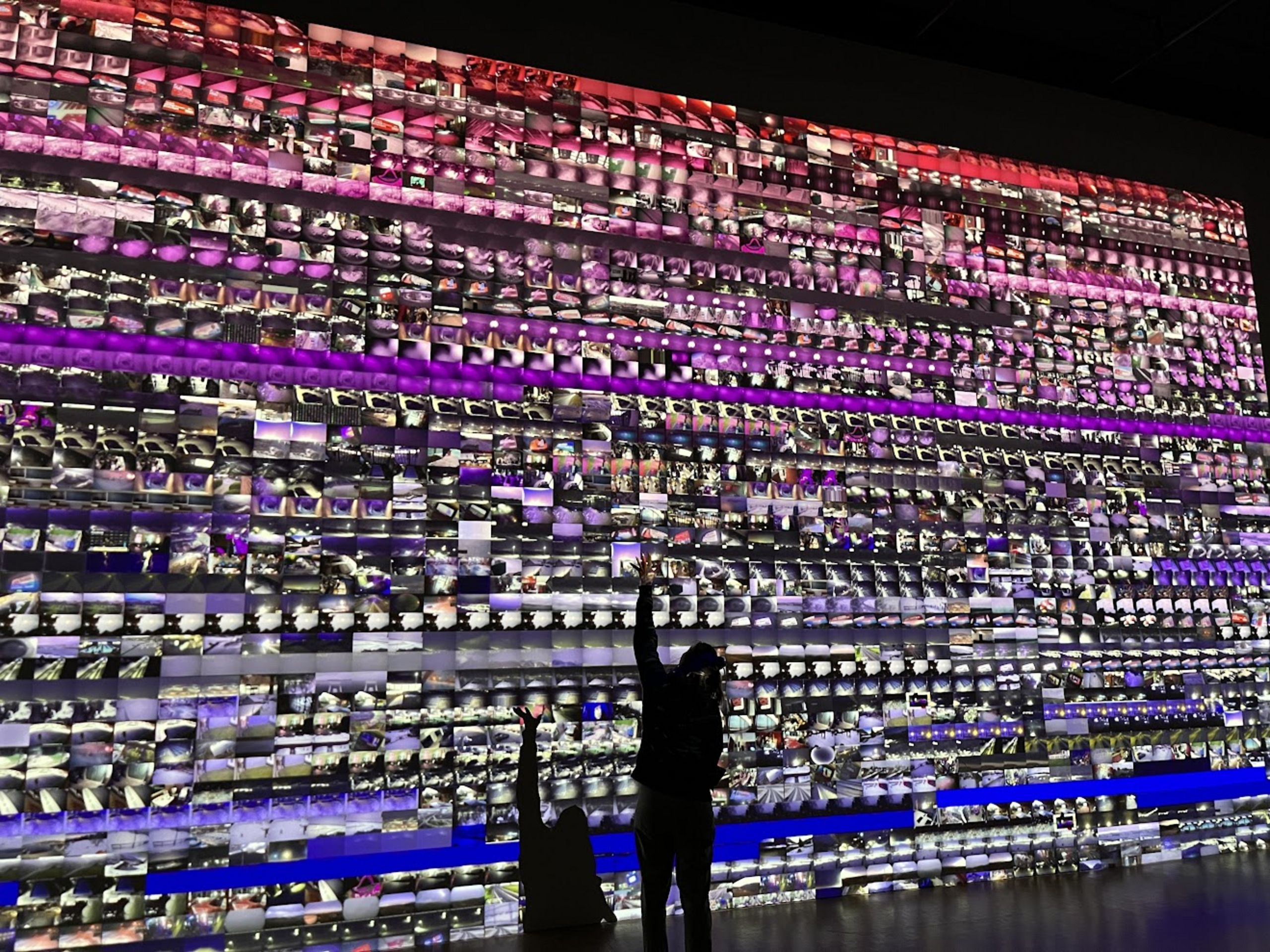
From Pixels to Gigapixels – Generating Images at Extreme Resolution
Contact: matthias.karst@zhaw.ch
How can images containing billions of pixels be generated? This project explores algorithmic approaches to creating extremely high-resolution images using techniques such as procedural generation, fractals, textures, and image tiling. The goal is to develop methods for generating visually consistent gigapixel images. Generative AI may be explored as an optional extension.
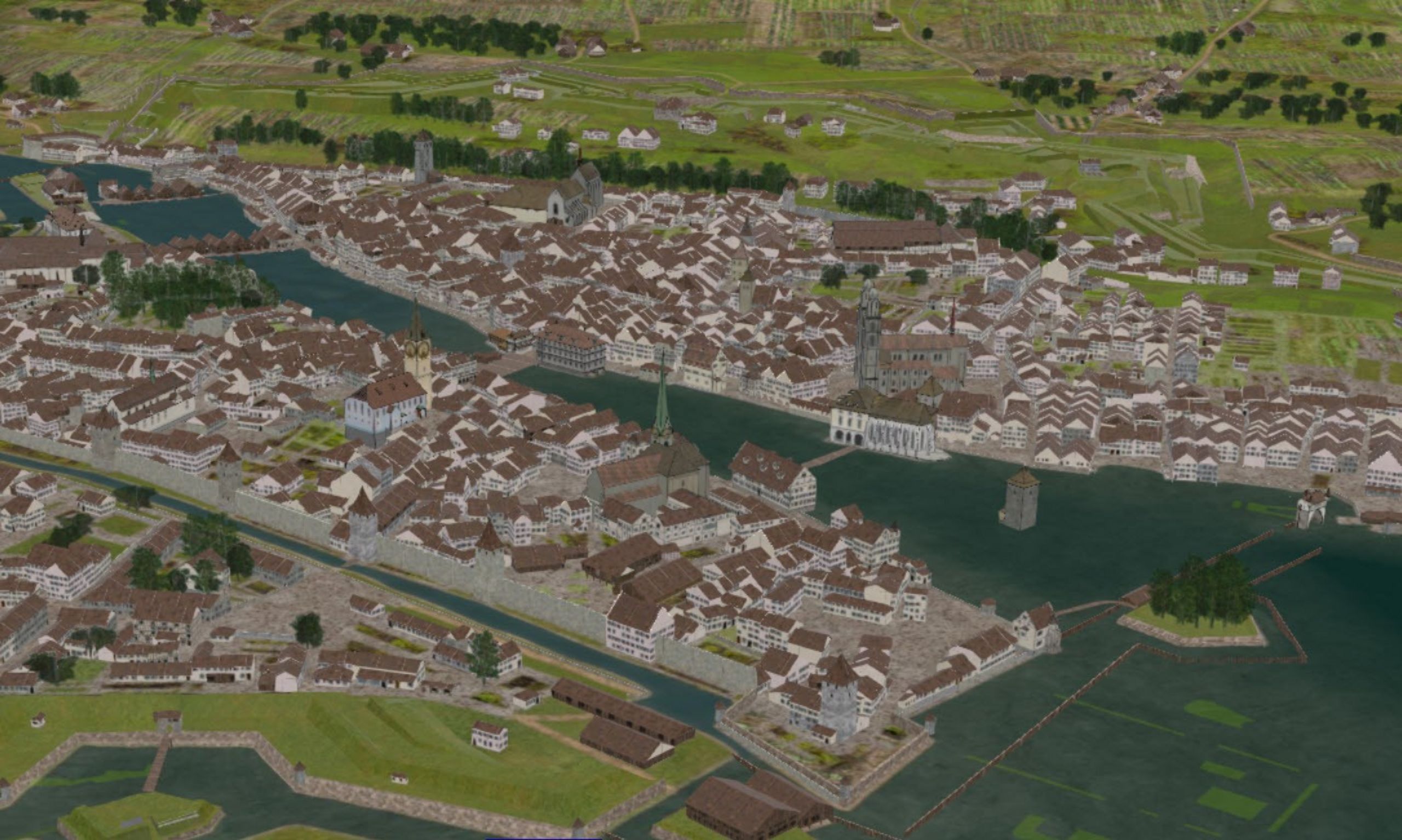
Zurich Through Time – Immersive Historical City Models
Contact: matthias.karst@zhaw.ch
How has Zurich evolved over the centuries? This project brings historical 3D city models to life in the IMMERSE Theatre, featuring a 10 × 6 m projection surface. Using Unity and 3D visualization techniques, we aim to develop an interactive experience that allows visitors to explore the city's transformation across different historical periods.
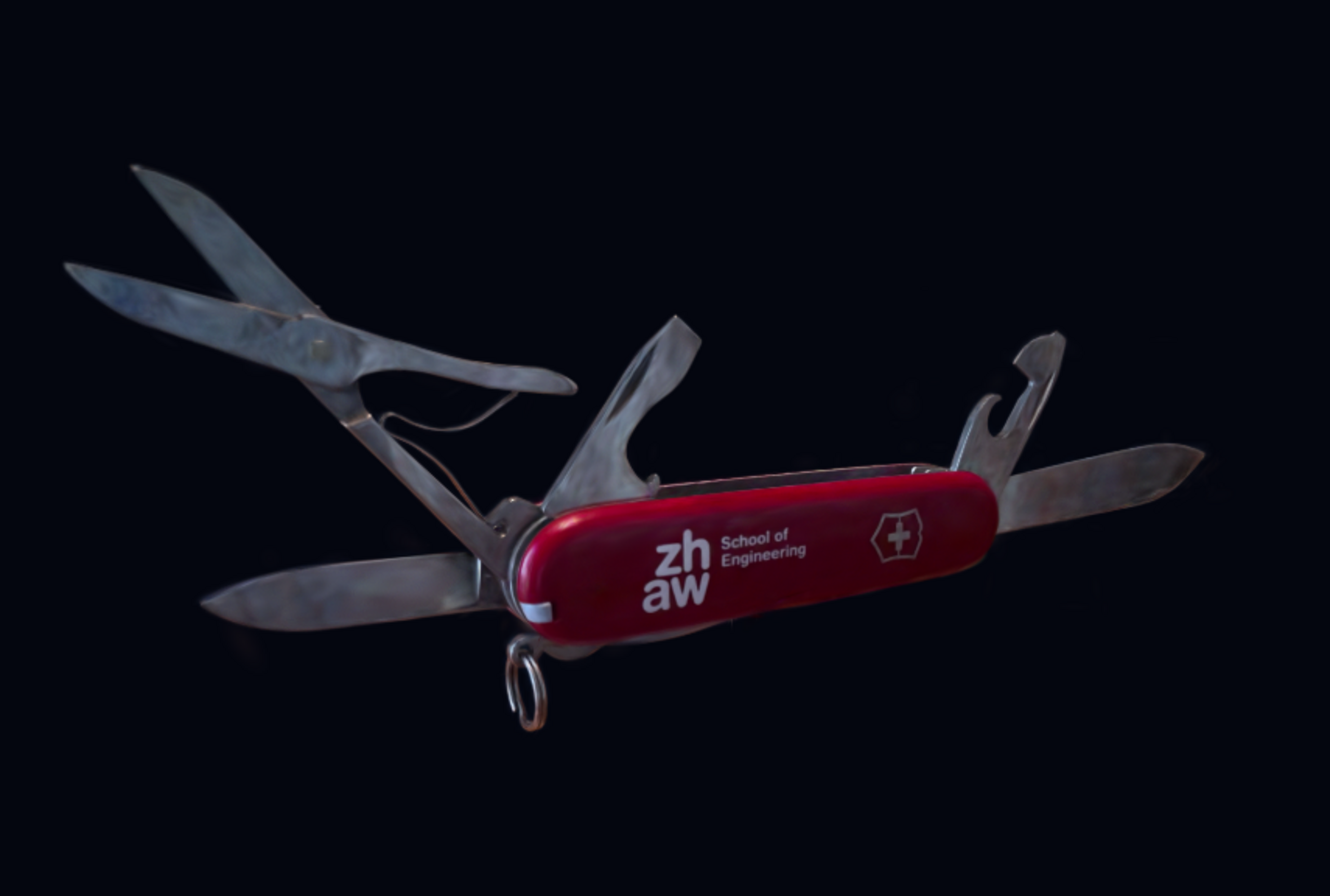
Gaussian Splatting – Creating Photorealistic 3D Representations
Contact: matthias.karst@zhaw.ch
Gaussian Splatting makes it possible to create photorealistic 3D representations from ordinary photos and videos – without professional equipment. But how can we achieve the best possible results? And which capture and processing techniques make the biggest difference? This project explores best practices for capturing and processing Gaussian Splats. Different scenarios, including rooms, objects, and macro photography, as well as reconstruction and optimization methods, will be investigated. The goal is to create an illustrated practical guide that enables even beginners to produce high-quality 3D representations and experience them in a web browser, in VR, and in the IMMERSE Theatre.
Movement Classification using Mobile Measurements
Contact: martin.frey@zhaw.ch
Help us explore how human movement can be analyzed in home-based rehabilitation. Investigate whether rehabilitation exercises can be assessed using wearable sensors (e.g., IMU data), video recordings, or a combination of both to evaluate movement quality, adherence, fatigue, and functional performance.
Team
“Great things in business are never done by one person, they are done by a team of people” ― Steve Jobs.










Additional Members
- Fitim Abdullahu, Research Assistant (Feb. 2020 - Dez. 2022) and PhD Student (Jan. 2023 - Aug. 2026), currently Research Intern at Google
- Richard Grabner, Student Research Assistant (part-time, hourly contract), Apr. 2026 - date
Associate Members
- Dr. Philipp Ackermann, ZHAW School of Engineering, Institute of Computer Science, May 2026
- Prof. Dr. Matthias Rosenthal, ZHAW School of Engineering, Institute of Embedded Systems, Feb. 2026
- Dr. Fabienne Bünzli, University of St. Gallen, Institute of Media and Communication Management, Jan. 2026
- Prof. Dr. Wibke Weber, ZHAW School of Applied Linguistics, Institute of Applied Media Studies, Jan. 2026
- Prof. Dr. Silvio Lorenzetti, ZHAW School of Engineering, Aug. 2026
Former Members
- Caroline Bachem, Researcher, Aug. 2025 - Jun. 2026
- Fabienne Bünzli, Researcher, Jan. 2023 - Dec. 2025
- Basil Achermann, PhD Student, May 2025 - Dec. 2025
- Pascal Bühler, Research Assistant, Aug. 2022 - Aug. 2024
- Romain Délèze, Research Assistant, Sep. 2022 - Aug. 2024
- Raphael Schnyder, Entrepreneurship Fellow, Dec. 2022 - Nov. 2023
- Michele Wieland, Research Assistant, Jan. 2021 - Aug. 2023
- Funk Te Yiea, Researcher, Jan. 2021 - Oct. 2022