Biodiversity in Palaearctic grasslands – two papers by Postdoc scholar Iwona Dembicz published
Dr. Iwona Dembicz from the University of Warsaw, Poland, could stay at the IUNR in Wädenswil from September 2019 to June 2020.
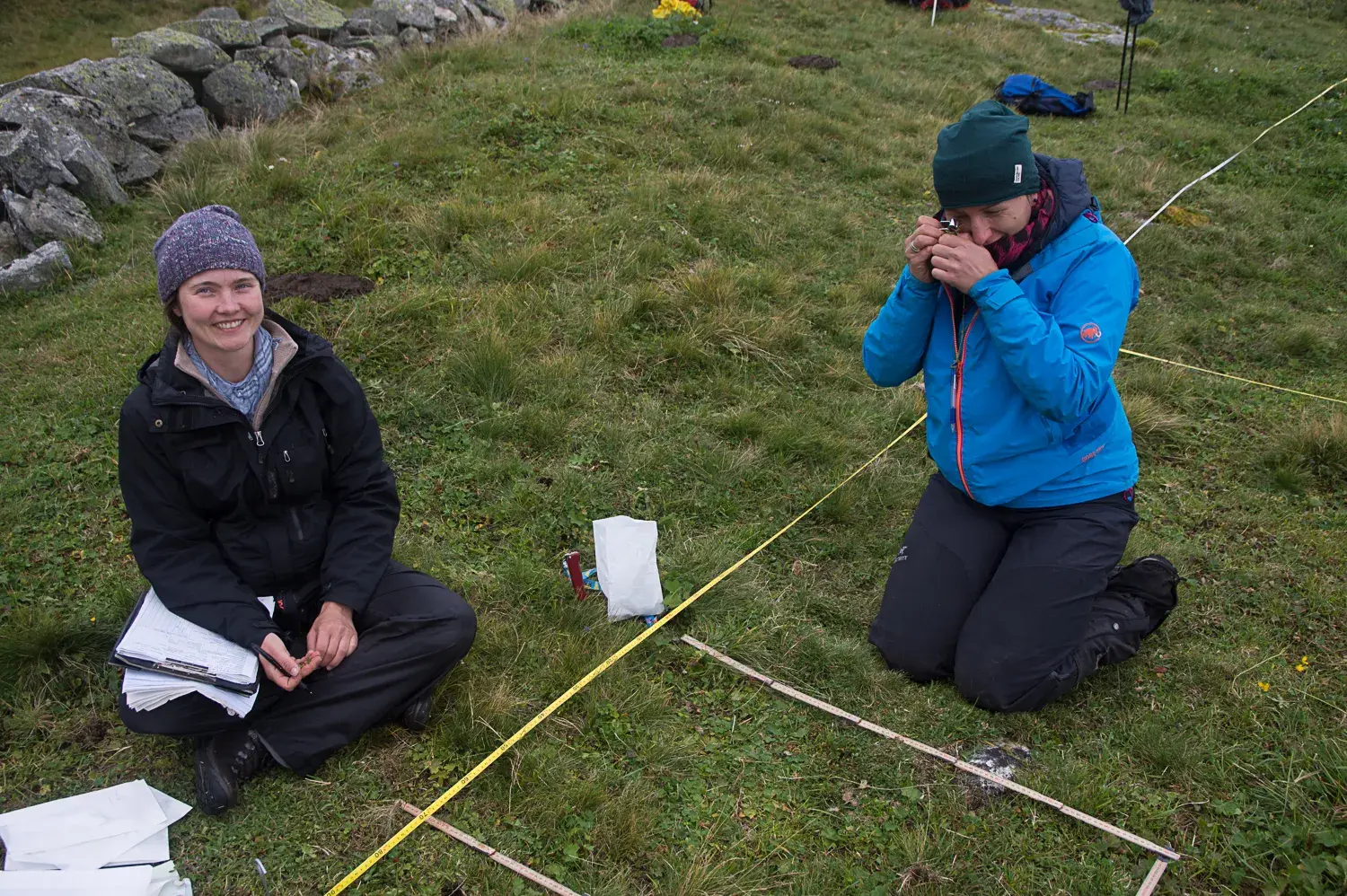
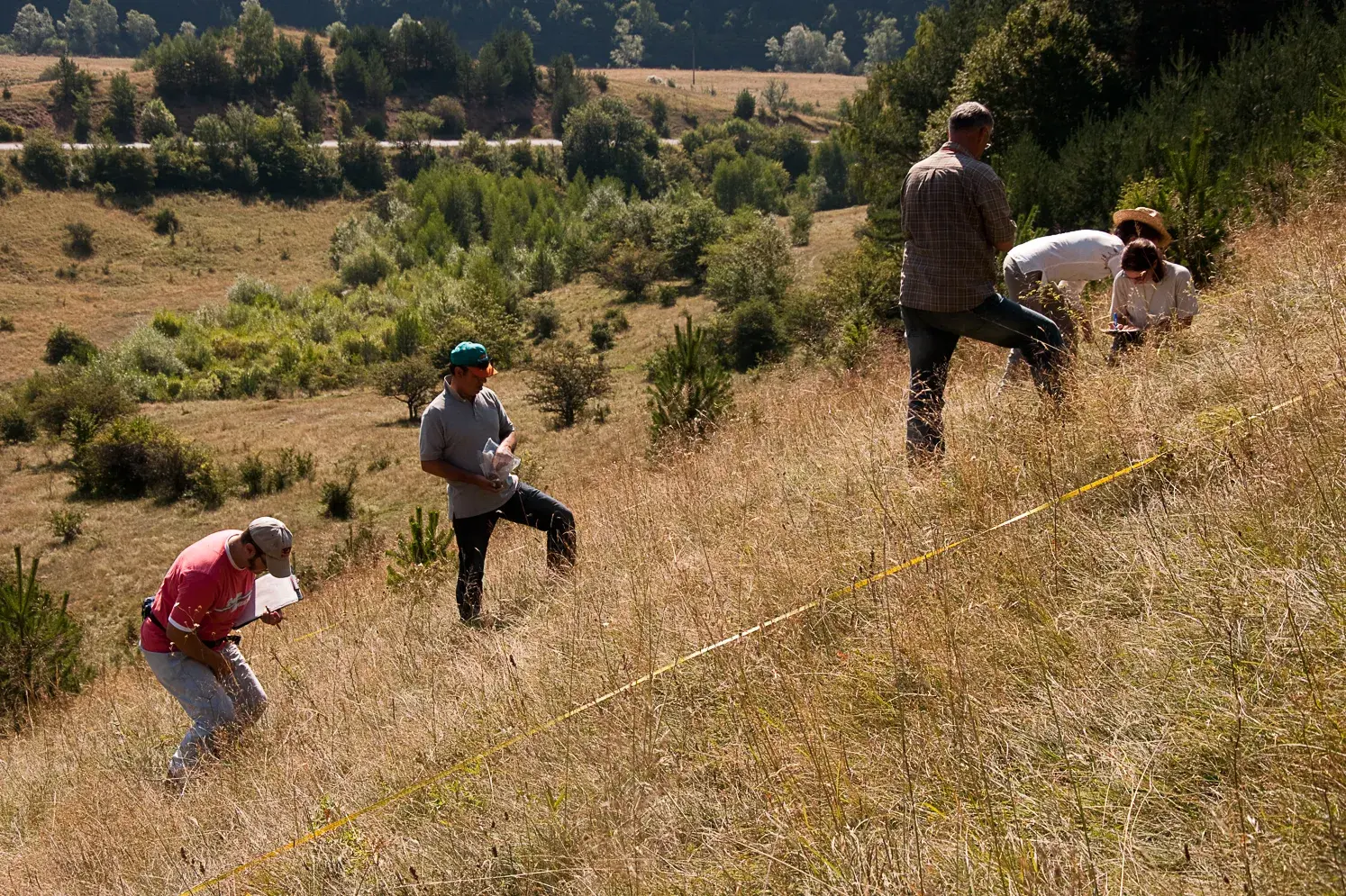
With a prestigious Swiss Government Excellence Scholarship for Foreign Scholars and Artists], Dr. Iwona Dembicz from the University of Warsaw, Poland, could stay at the IUNR in Wädenswil from September 2019 to June 2020. During this time she intensively collaborated with Prof. Dr. Jürgen Dengler , head of the Research Group Vegetation Ecology. Iwona Dembicz worked on several studies related to biodiversity and conservation of natural and semi-natural grasslands in different Palaearctic grasslands. Now two major papers have been published in Journal of Vegetation Science.
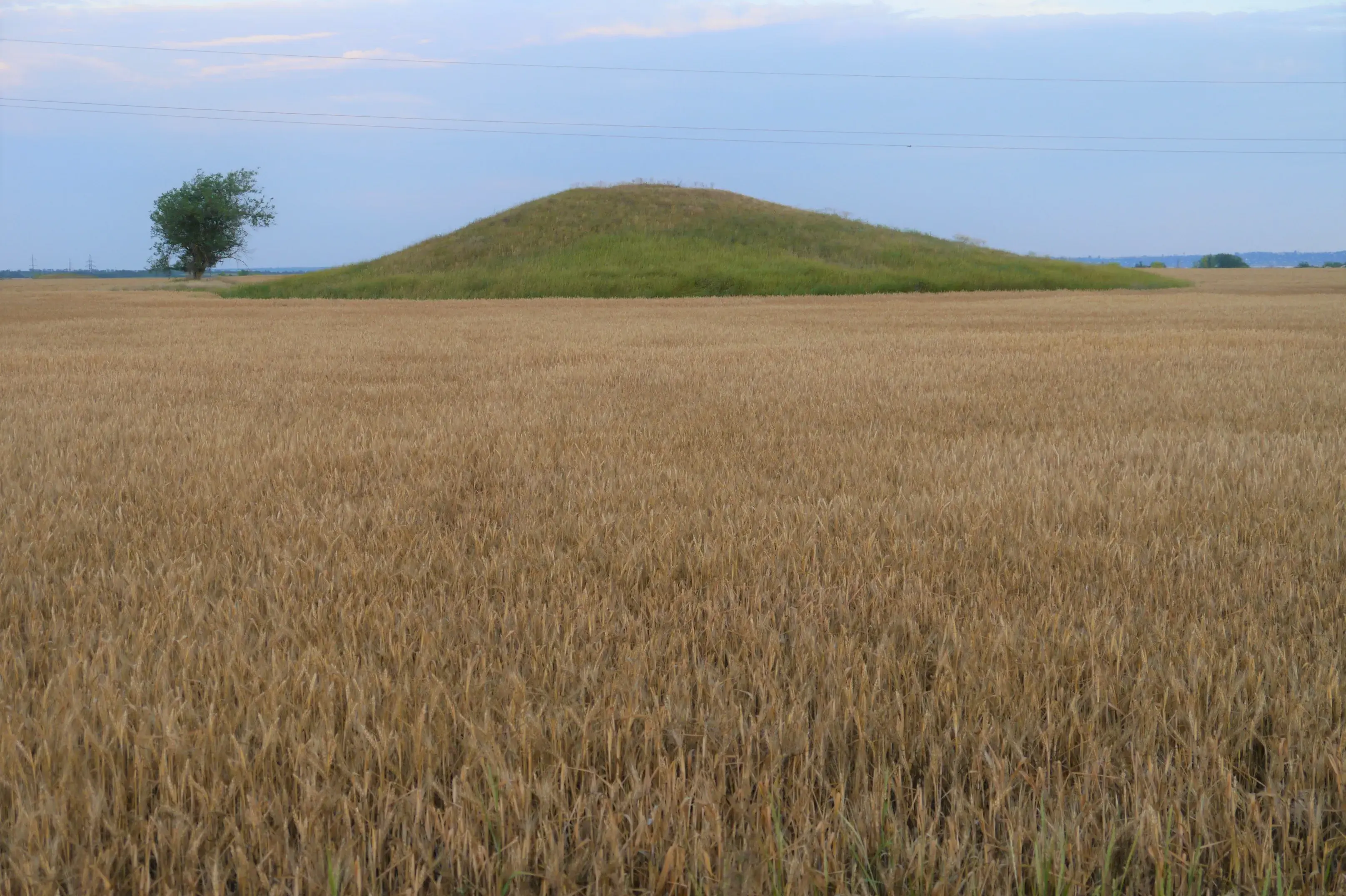
The first study entitled “Steppe islands: where island biogeography meets the reality of a severely fragmented habitat” is dealing with so-called kurgans in southern Ukraine. Kurgans are ancient burial mounts that have been erected centuries or even millennia before today in the natural steppes of that region. Since nowadays most of the steppes have been converted to intensive arable fields, often the only remains of natural vegetation are on the kurgans, which thus appear like islands in a sea of fields. Iwona Dembicz and co-authors analysed how this isolated situation influences species richness and composition of these grassland patches. It turned out that they very closely followed the theory of island biogeography, which originally was developed for oceanic islands. This means that richness depended on kurgan area following a power function, but also distance to the nearest remaining patch enclave played a role. Moreover for steppe specialists the kurgans behaved more like islands than for generalist species.
Read more…
Dembicz, I., Moysiyenko, I.I., Kozub, Ł., Dengler, J., Zakharova, M. & Sudnik-Wójcikowska, B. 2020. Steppe islands: where island biogeography meets the reality of a severely fragmented habitat. Journal of Vegetation Science. https://doi.org/10.1111/jvs.12930
Also the second study “Drivers of plant diversity in Bulgarian dry grasslands vary across spatial scales and functional-taxonomic groups” deals with dry grasslands. Based on multi-scale nested-plot sampling (a method also used in classes at IUNR), the authors sampled plant species composition and richness at seven spatial grain sizes from 0.0001 to 100 m² to determine which environmental factors are the most decisive ones at each scale. Using the standard methodology of the Eurasian Dry Grassland Group (EDGG), the authors did not only consider vascular plants, but also bryophytes and lichens. It turned out that drivers of plant diversity vary greatly across spatial scales and among taxonomic groups.
Read more
Dembicz, I., Velev, N., Boch, S., Janišová, M., Palpurina, S., Pedashenko, H., Vassilev, K. & Dengler, J. in press. Drivers of plant diversity in Bulgarian dry grasslands vary across spatial scales and functional-taxonomic groups. Journal of Vegetation Science. https://doi.org/10.1111/jvs.12935.