Biochar represents an innovation in the construction sector
Biochar was previously known chiefly as a soil conditioner. However, the fact that it can bind CO2 over the long term means that it also represents a promising candidate for use in building materials.
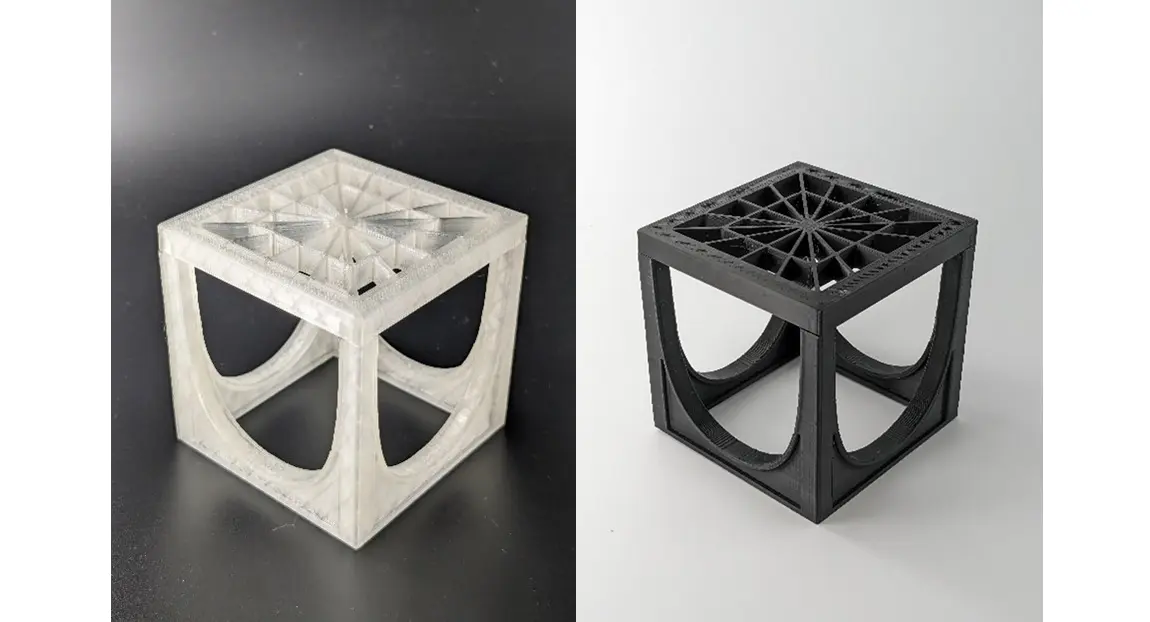
Biochar is opening up new avenues for the sustainable use of biomass waste. Nikita Krähenbühl and Andreas Schönborn from the ZHAW Ecotechnology Research Group have conducted a preliminary study on the potential offered by biochar for industrial use “beyond soil” in which they investigated the use of three types of woody waste, coffee silver skin and wheat bran in the construction and plastic industries. Even if only small quantities are added to materials, demand for biochar could be considerable due to the large mass flows in these industries. This presents not only a possible solution for the use of biomass but also an opportunity to bind CO2 over the long term. As such, there is great potential for biochar to become an element of the circular economy!
Biodegradable polymers represent an exciting approach. A case study revealed that biochar can not only serve as a sustainable pigment in biopolymers, but also that it can change their physical properties and biodegradation. This opens up new perspectives for developing environmentally friendly plastics that are both functional and compostable.
The work underlines the potential of biochar as a sustainable material in industrial applications. Research in this area is an important step on the path to ensuring a more sustainable future and could make a significant contribution to reducing global CO2 emissions. This gives rise to exciting possibilities. Have you already considered using biochar in your construction projects? Share your thoughts with us! Together, we can shape a greener future.