Square Foot Project
Epochal changes of grassland diversity in Switzerland
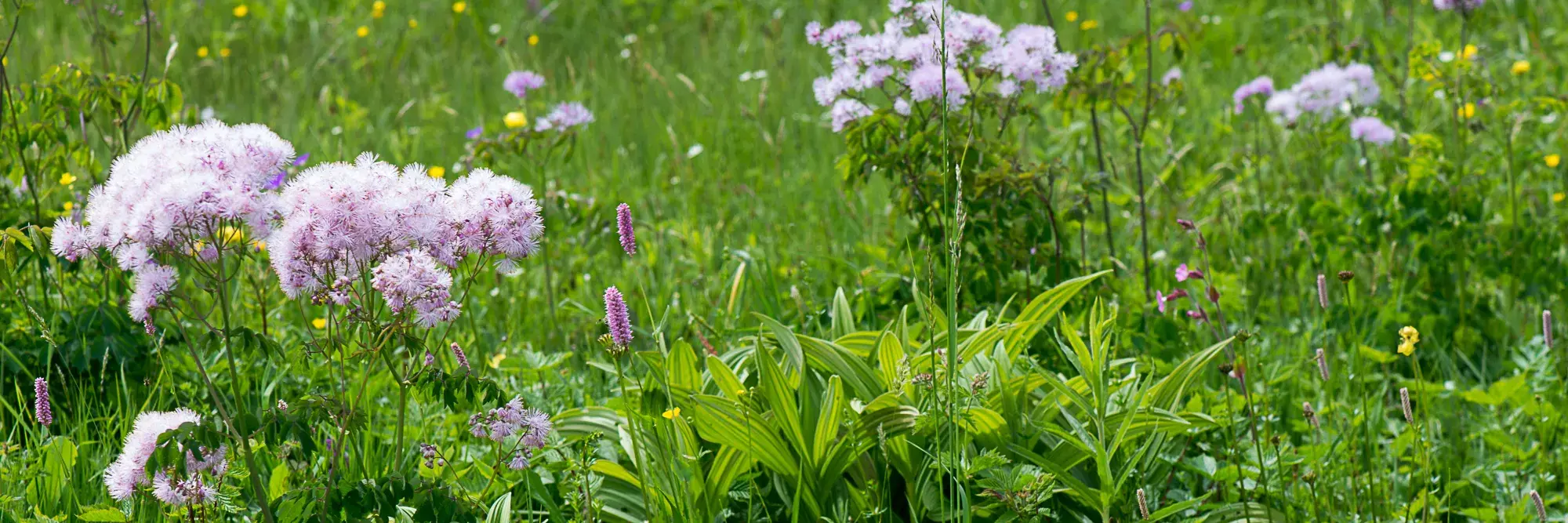
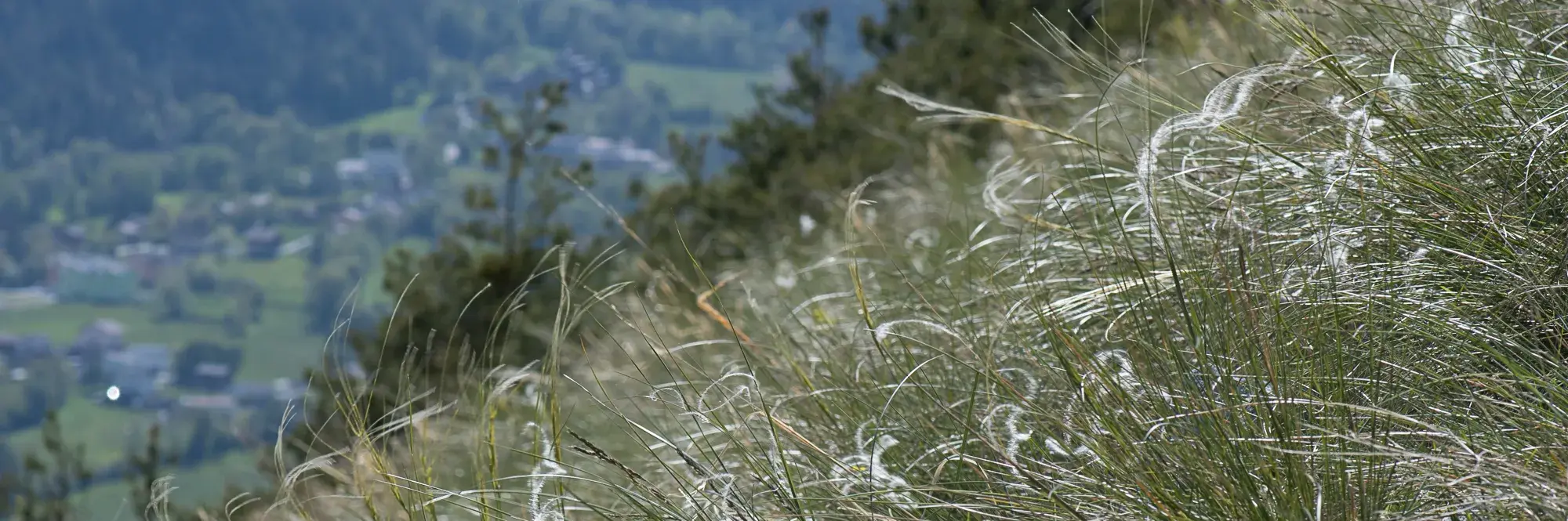
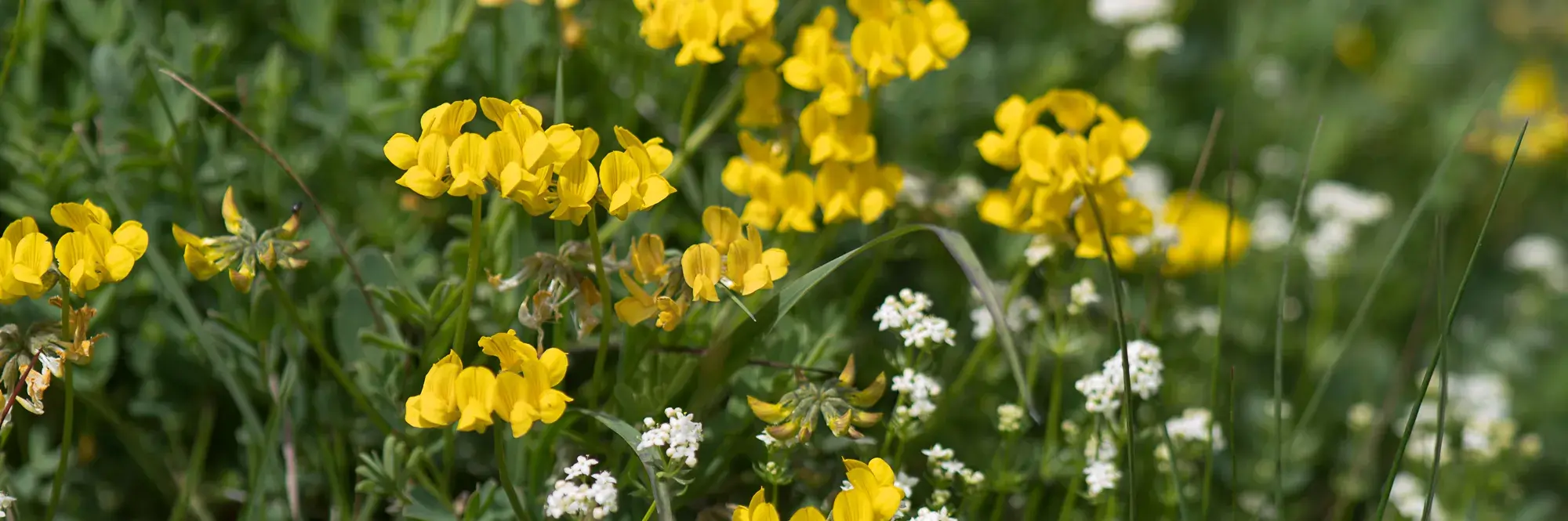
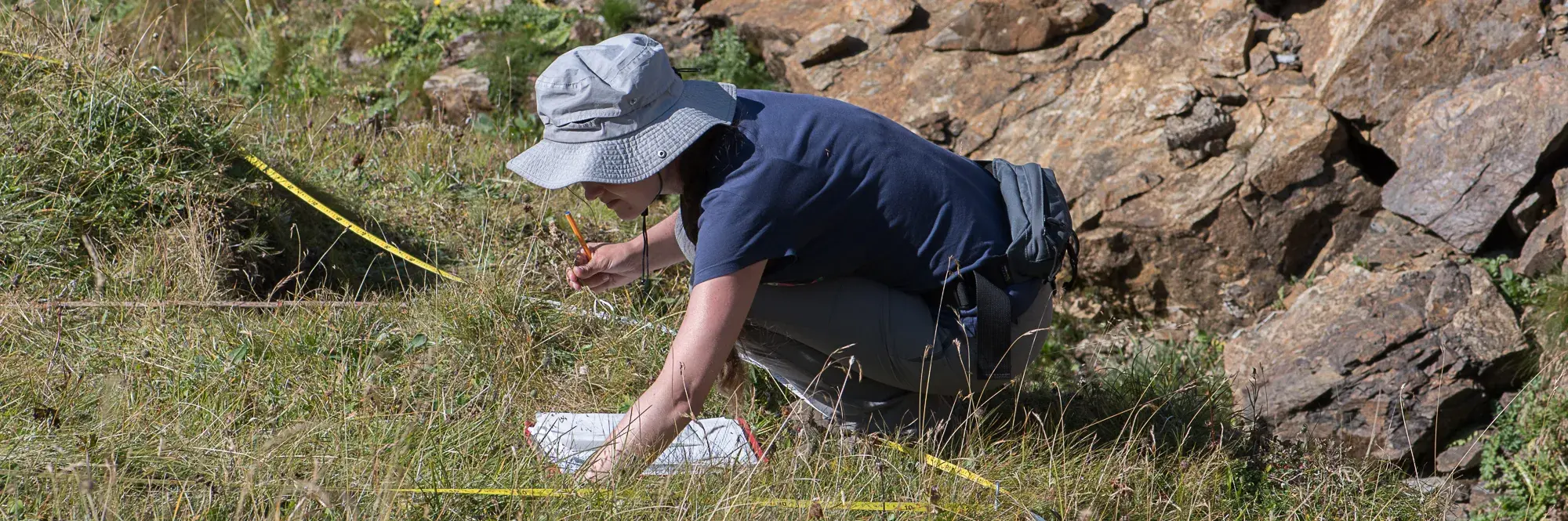
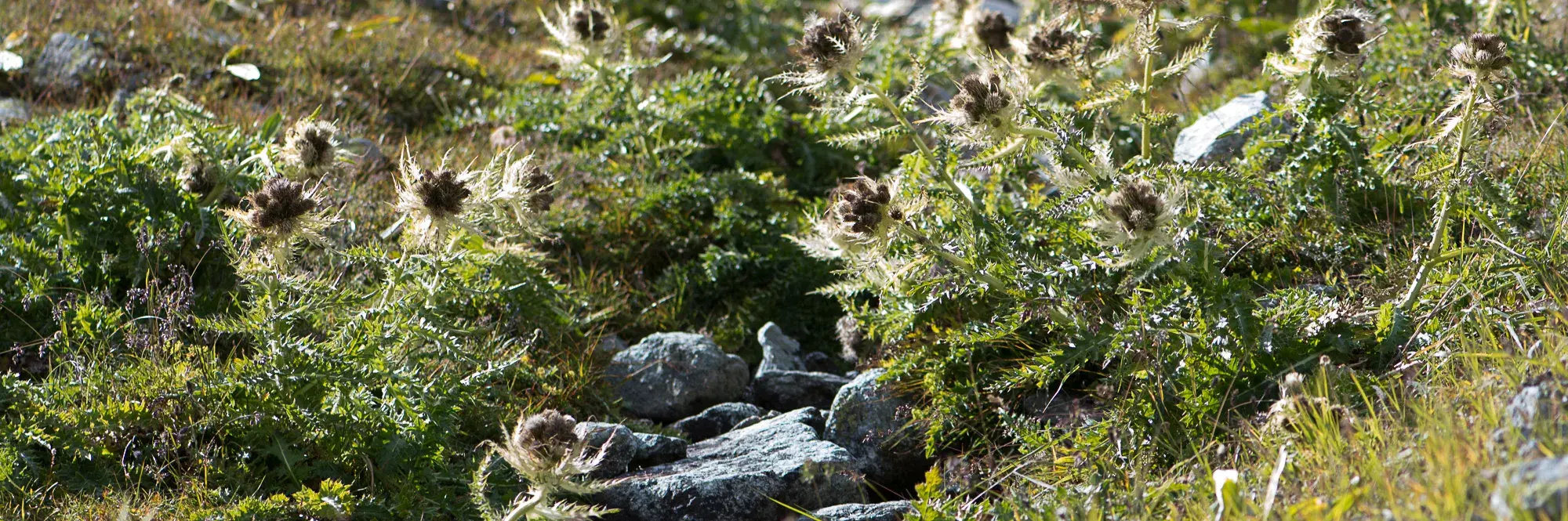
The grasslands of Central Europe are habitats of great ecological and economic importance whose biodiversity has declined drastically due to human influence. Using a globally unique dataset of historical vegetation records, the Square Foot Project aims to quantify this transformation over more than a century and identify its drivers.
Earth's biodiversity has declined so dramatically over the past 100–150 years that a sixth mass extinction event is posited. While this decline itself is undisputed, it remains unclear which facets of biodiversity are affected and how. Little is known about the relative importance of different drivers such as land use change, climate change, site alteration, nutrient enrichment, the simplification of landscape structure, and the influence of alien species.
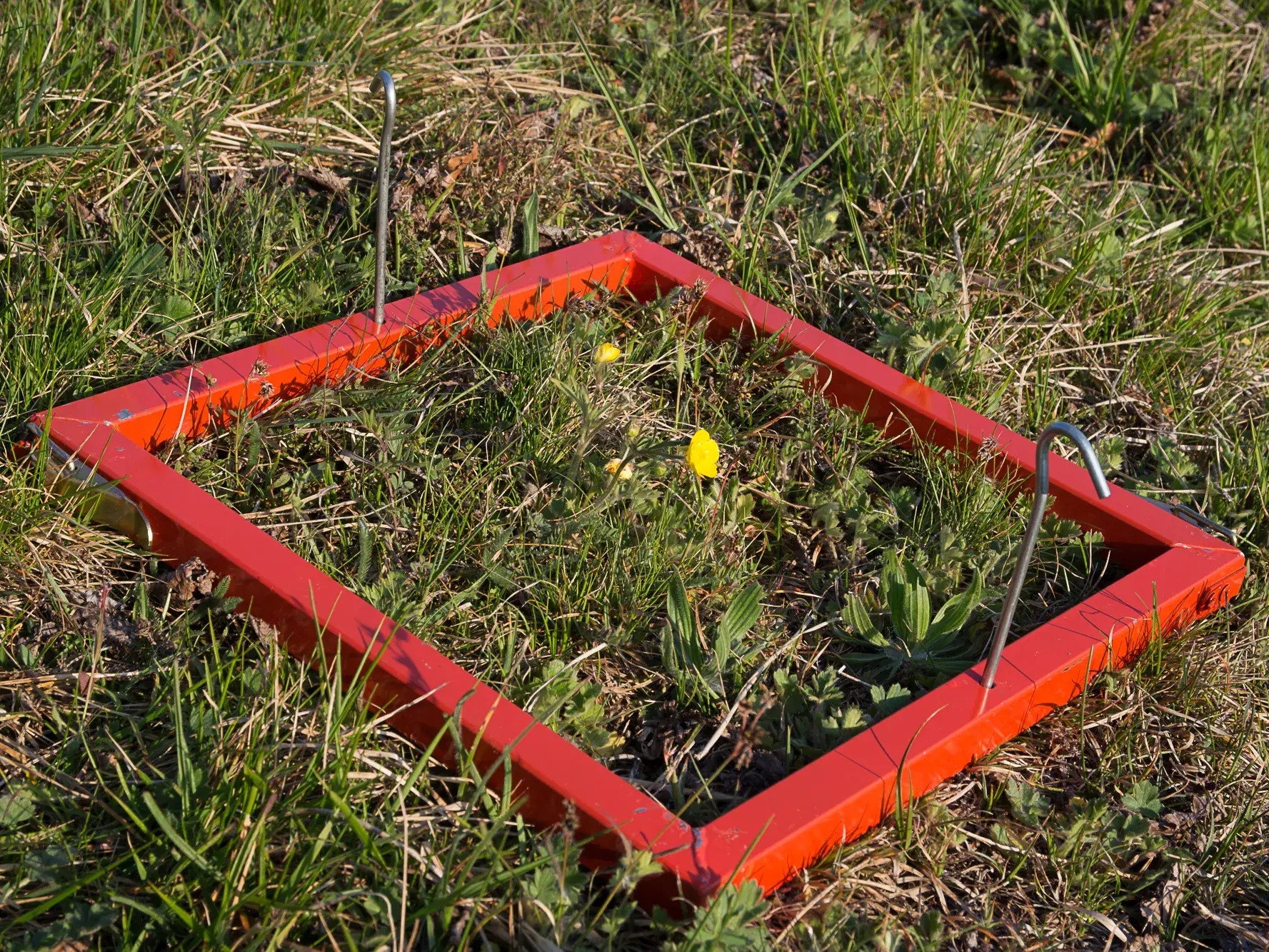
Recently, a unique dataset of vegetation records from the period 1870–1930 was unearthed, consisting of 600 precise surveys of one square foot (0.3 m x 0.3 m). These records offer unprecedented historical insight into the biodiversity and species composition of Switzerland's meadows and pastures. In the Square Foot Project, these surveys will be repeated at approximately the same locations, allowing a quantification of species loss and differentiated effects on grassland types and species groups. Since the plots are scattered throughout Switzerland, and the possible causes of changes in biodiversity vary regionally, it will be possible to determine the relative importance of factors such as climate change, nutrient input, and drainage.
Understanding the extent and causes of species loss is relevant both for fundamental research and practical conservation. Accordingly, one subproject will explore whether and how species-rich grasslands can be protected under current conditions.
Publications
Widmer, S., Riedel, S., Babbi, M.; Herzog, F., Wohlgemuth, T., Kessler, M. & Dengler, J. (2026) A century of change: Many losers vs. few winners among Swiss grassland plants. Biological Conservation 315: Article 111679. https://doi.org/10.1016/j.biocon.2025.111679
Cover vs. biomass sampling in grassland vegetation plots (Riedel et al. 2024) ( 637 kB)
Materials
The project
The Square Foot Project was funded 2021–2025 by the Swiss National Science Foundation (SNSF) (project no. 197641). The research topics are now dealt with in the follow-up project “VegCHange” (2025-2029) from SNSF.
Project team
- Prof. Dr. Jürgen Dengler (ZHAW), Project leader
- Dr. Felix Herzog (Agroscope), Co-leader
- PD Dr. Annelie Holzkämper (Agroscope), Project partner
- PD Dr. Michael Kessler (University of Zurich), Project partner
- Dr. Thomas Wohlgemuth (WSL), Project partner
- Manuel Babbi (ZHAW), Research associate
- Stefan Widmer (ZHAW), Doctoral student
- Susanne Riedel (Agroscope), Doctoral student