Sustainability Research Center
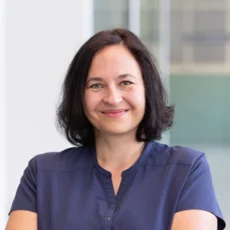
“When companies backtrack, research must move forward. Sustainability goals are being watered down, progress is being delayed – and that is exactly why scientific guidance is needed.”
Prof. Dr. Pia Furchheim, Co-Director of the Sustainability Marketing Research Center.
The Sustainability Marketing Research Center at the ZHAW Institute of Marketing Management brings together research on sustainable consumption, sustainability communication, and circular business models. Our goal is to develop practical solutions based on scientifically grounded insights that support companies and organisations in successfully shaping the transition towards a more sustainable future.
Our Researchers
Circular Economy – Pain or Gain? We investigate the opportunities and challenges organizations face in transitioning from a linear to a circular economy. A particular focus of our research is how the value of sustainable business models can be communicated effectively to consumers, stakeholders, and other target audiences.
Research Areas
- Circular Economy
- Green Consumption Patterns
- Data-Driven Innovation
- Data Sharing
Selected Publications and Media Contributions
- The Importance of Science-Based Targets for Swiss SMEs
- Communication Strategies for Sustainable Products
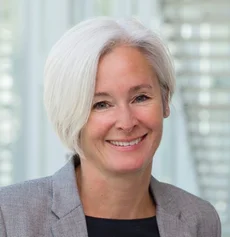
I conduct research on sustainable consumption, psychological decision-making processes, and the acceptance of circular business models. My work focuses on helping organizations better understand consumer behavior and develop effective strategies to engage consumers in the transition toward sustainability.
Research Areas
- Sustainable Consumption
- Consumer Decision-Making
- Consumer Psychology
- Sustainability Communication
- Business Model Acceptance
Selected Publication
Media Appearances
- SRF – Economy and Society: Buying (available in German only)
- Connecta Talk with Pia Furchheim, PhD: The Importance of Sustainable Consumption (available in German only)
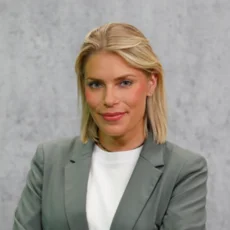
I conduct research on sustainable consumption, with a particular focus on food and nutrition. My doctoral research investigates communication strategies for encouraging reduced meat consumption among flexitarians. Beyond academia, I work with organizations on applied research projects to develop and refine sustainable products that align with consumer needs and expectations.
Research Areas
- Consumer Behavior
- Communication Strategies
- Sustainable Nutrition
- Nutrition Psychology
Selected Publications
- Strässner, Anna-Maria; Wirth, Werner, 2024. Shades and shifts in flexitarian and meat-oriented consumer profiles in a German panel study. Appetite. 197(107298)
- Strässner, Anna-Maria; Hartmann, Christina, 2023. Gradual behaviour change towards meat reduction : development and validation of a novel decisional balance scale. Appetite. 186(106537)
- Jahn, Steffen; Furchheim, Pia; Strässner, Anna-Maria, 2021. Plant-based meat alternatives : motivational adoption barriers and solutions. Sustainability. 13(23)

My work focuses on circularity in the textile industry and on how sustainability can be communicated in an authentic and impactful way.
I also explore the social dimension of sustainability, examining how people, communities, and working conditions can be meaningfully integrated into sustainable approaches.
Research Areas
- Circularity
- Sustainability Communication
- Social Sustainability
Our Research Focus Areas
Sustainable Consumption & Consumer Psychology

Consumption is more than a purchasing act. Our research explores the psychological motivations behind consumer decisions—from materialism and impulse buying to sustainable consumption. What barriers prevent consumers from choosing more sustainable alternatives? What trade-offs shape their decisions? And how can organizations adapt their products, services, and communication to better support sustainable choices?
Circular Economy & Regenerative Business Models
The circular economy is widely recognized as a key model for the sustainable transformation of business and society. But how can the transition from theory to practice be achieved? Our research supports companies and organizations in developing and implementing circular solutions, with a particular focus on practical applicability, co-creation, and systems thinking.
As a research partner in the Circular Lab, …

…we contribute our expertise in consumer behavior, business model innovation, and sustainability communication. Together with universities, industry partners, and civil society organizations, we develop practice-oriented research projects, create tools for businesses, and promote circular thinking in education and society.
Key Topics & Research Questions
- What do regenerative business models look like, and how can they be successfully implemented in practice?
- What role do design, repair, and sharing play in circular systems?
Sustainability Communication

Our research on sustainability communication examines how organizations can communicate their environmental and social responsibility in a credible, effective, and nuanced way. From green claims and information design to storytelling and dialogue formats, we investigate which communication strategies resonate with consumers, build trust, and encourage more sustainable behavior.
Selected Projects & Publications:
- Sustainability Communication Guide
- Rüeger, Brian; Furchheim, Pia, 2023. The Challenge of Sustainability Communication. In SWA Annual Report 2022: Green Power for Advertisers (pp. 8–11).
Sustainable Food & Nutrition Systems
The way we eat will shape the future of our planet.
From supermarket shelves to the lunch table, from plant-based burgers to avoidable food waste, our research is dedicated to the sustainable transformation of the food system. We investigate how consumers respond to food innovations, how plant-based alternatives can be successfully introduced to the market, and what people actually cook and eat.
Selected Projects & Publications
- Advancing Plant-Based Diets Through Innovation(available in German only)
- How Does Switzerland Cook?(available in German only)
- NOVANIMAL – Innovations in Nutrition
- Product–Market Fit for Edible Insects
- Customer Data Analytics for Growth in the Plant-Based Sector (available in German only)
- Retail Food Waste – Behavioral Design for Reducing Food Waste
- Jahn, S.; Furchheim, P.Strässner, A.-M., 2021. Plant-based meat alternatives : motivational adoption barriers and solutions. Sustainability. 13(23), S. 13271
Our Methods: Empirically Grounded, Practically Applied

Our research combines scientific rigor with practical relevance. We employ a broad range of qualitative and quantitative methods, selecting the most appropriate approach depending on the research question, target group, and application context.
Our methodological expertise includes:
- Behavioral experiments (e.g., to evaluate nudging interventions or communication strategies)
- Conjoint analysis to assess products, pricing models, and communication concepts
- Segmentation and market analyses based on survey and behavioral data
- In-depth interviews, focus groups, and ethnographic methods to understand everyday behavior and underlying values
- Co-creation and design thinking workshops with industry and practice partners to develop and test innovative solutions
- Impact evaluations of communication strategies and behavioral interventions
Our strength lies in conducting research beyond the ivory tower—in real-world settings and in close collaboration with businesses, organizations, and consumers.
Current Research Projects
- Circular Fashion Survey (DACH Region, 2024–2025)
- Slow Flower: Sustainable Cut Flowers
- Idealesse: Establishing FoodSave Hubs
Science Based Targets: Opportunities and Challenges for Swiss Companies
Circular Lab
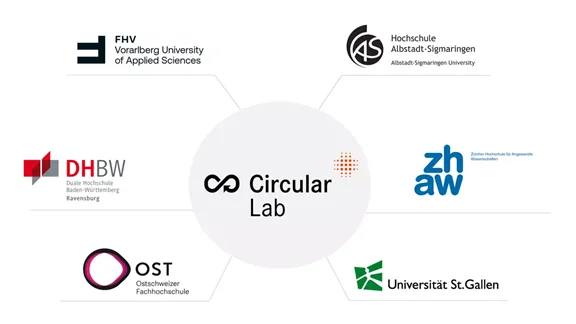
Since June 2023, we have been a project partner of the «Circular Lab»-Projects, an initiative funded by the Interreg Alpine Rhine–Lake Constance–High Rhine programme and the Swiss New Regional Policy (NRP). Together with five partner universities—the University of St.Gallen, the OST – Eastern Switzerland University of Applied Sciences, the Vorarlberg University of Applied Sciences, the Albstadt-Sigmaringen University, and the Baden-Württemberg Cooperative State University—as well as more than 30 industry partners, we are working to advance the implementation of the circular economy in the textile, agriculture, and food sectors across the Lake Constance region.
Each partner contributes complementary expertise, ranging from information systems and business model innovation to consumer research and technical product development. The project is open to additional partners from the relevant industries who are committed to advancing the circular economy.
Publications & Media
Sustainability in Swiss Businesses
How sustainable is the Swiss economy? The Swiss Sustainability Benchmark Study 2023 (available in German only) provides the first comprehensive insights into this question. Focusing on the key dimensions of relevance, communication, and action, the study assesses the current state of sustainability in Swiss businesses and identifies untapped opportunities for improvement. Explore the study's findings and discover how your organization can contribute to a more sustainable future.
Sustainability Among the Swiss Population
How sustainable are Swiss consumers really? The Swiss Sustainable Consumption Study 2022 (available in German only) examines the current state of sustainable consumption in Switzerland and provides insights into the diverse practices consumers adopt. At the core of the study is a sustainability framework that maps and discusses sustainable practices across the entire consumption cycle—from acquisition and use to post-use.
Academic Programmes & Executive Education
We bring our research into the classroom. Across bachelor's, master's, and executive education programmes, we teach the latest insights into consumer behavior, sustainability communication, and the circular economy. Students benefit from research-informed teaching and hands-on projects developed in collaboration with industry partners.
Current Executive Education Programmes
- CAS Circular Economy Marketing
- CAS Sustainable Innovation
- Course: Sustainability Communication
- Circular Economy Management (MSc.)
Research Topics in Teaching
Selected Master's Theses in Sustainability
- Linus van Moorsel (2025). The Influence of Green Nudges in the Airline Booking Process on Purchasing Behaviour Related to Carbon Offsetting.
- Chiara Frank (2024). A Qualitative Analysis of Circular Business Models in the Textile Industry from Multiple Perspectives.
- Hsien-ju Wang (2024). Navigating the EU Regulatory Landscape of Greenwashing: Impacts on Sustainability Communication.
- Geena Carlson (2023). Factors Influencing Purchase Intentions for Sustainable Clothing. (available in German only)
- Angela Zürrer (2023). Motives and Barriers in the Purchase of Plant-Based Meat Alternatives: An Analysis to Identify Customer Segments.
- Julia Dünki (2022). To mEAT or not to mEAT? An Analysis of Meat Alternatives as a Coping Strategy for Goal Conflicts Related to Meat Consumption. (available in German only)
- Marisa Kübler (2019). Visible Green: An Analysis of Green Consumer Segments and Their Consumption Motives. (available in German only)
Events & Lectures
Looking Back & Looking Ahead
- Circular Lab Conference: The Future of Agriculture and the Food Industry
Square HSG, April 2026. - Regiosuisse Conference, 17–18 August 2025
Presentation on “The Circular Economy as a Driver of Regional Value Creation.” - Science Based Targets: Pain or Gain?
Swiss Green Economy Symposium, 2–4 September 2025. Presentation in the session “Net Zero in Business: Solutions That Inspire and Accelerate Action.” - Sustainable Procurement Day
Presentation on the role of sustainability labels in textile procurement. - Demo Day at the Vorarlberg University of Applied Sciences
Showcasing circular innovations, engaging discussions, and genuine cross-border collaboration. Pia Furchheim participated in a panel discussion with representatives from academia, government, industry, and civil society on the topic of the circular economy. - Science Slam on the Circular Economy
On 10 April 2025, the first Science Slam on the circular economy and sustainability took place at the Textile Museum St. Gallen. Organized by members of our team as part of the Circular Lab project, the event brought together researchers and the public to explore circular economy concepts in an engaging and accessible format.