Smart Energy
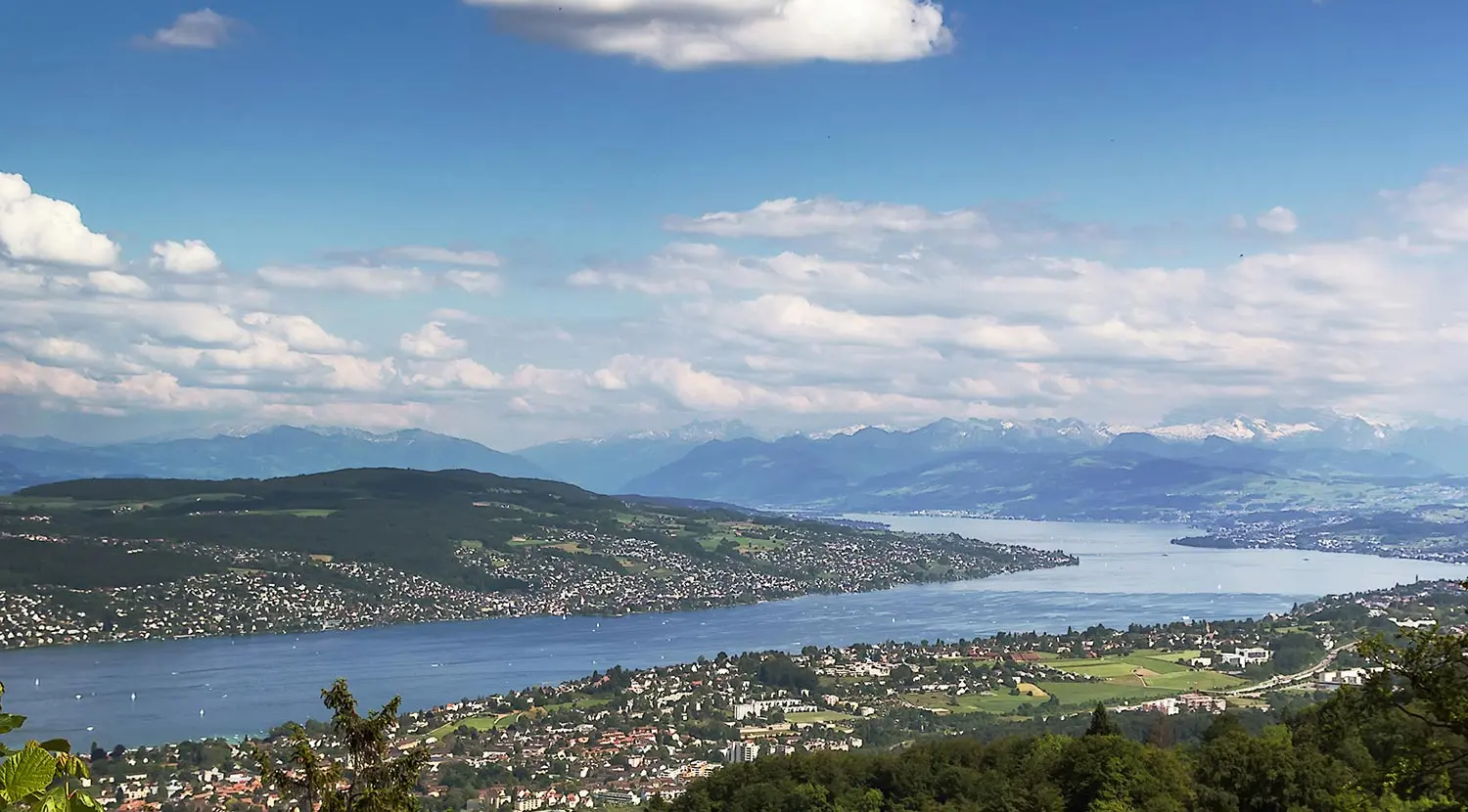
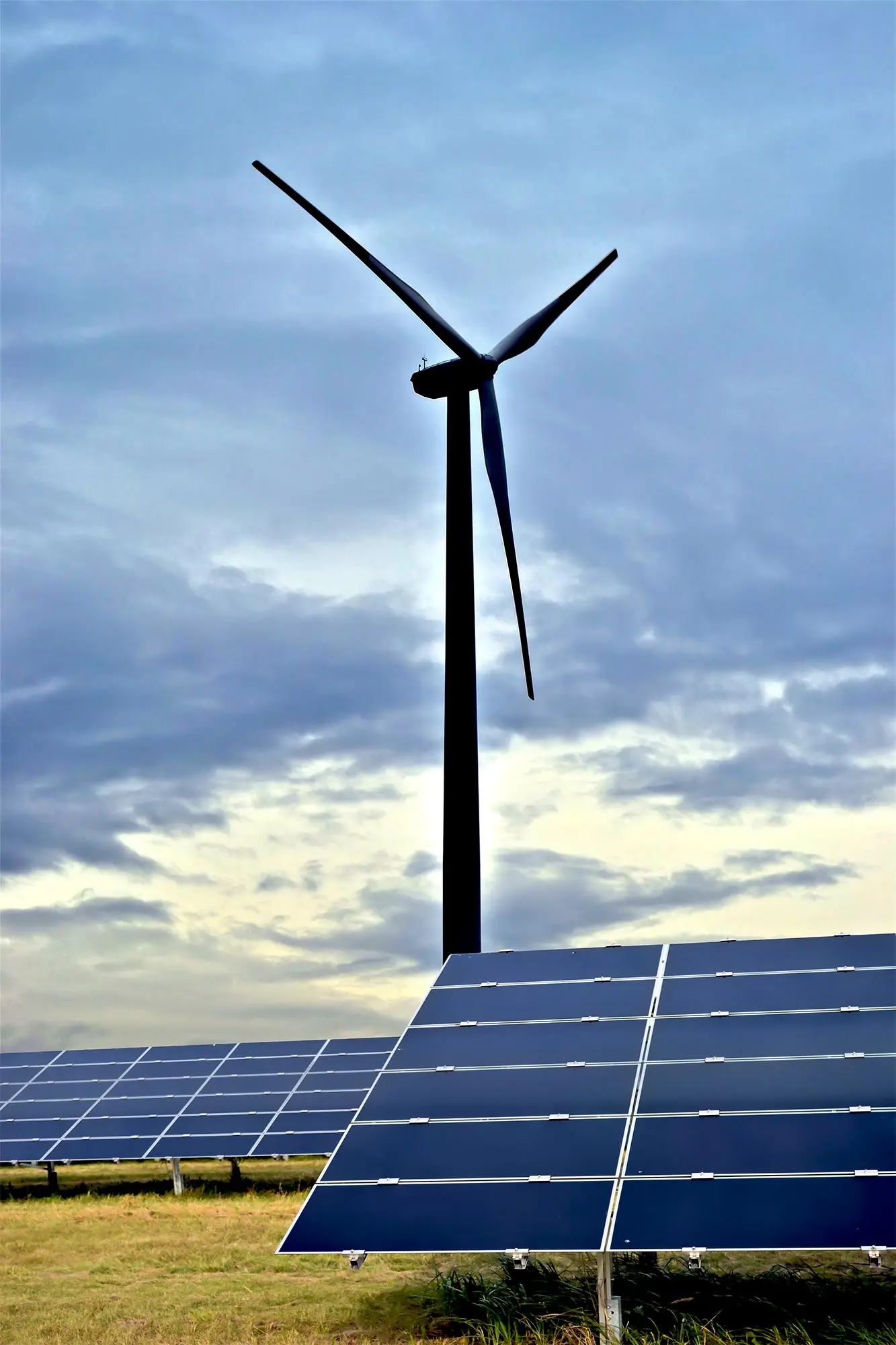
To make electricity production more environmentally friendly, renewable energy sources that feed into the grid stochastically, such as photovoltaic (PV) systems and wind turbines, are increasingly being integrated into the Swiss electricity grid. This means that the production of electrical energy is becoming increasingly decoupled from electricity consumption. The energy from PV systems is mainly generated and fed into the grid during the day, around midday, but electricity is mainly consumed in private households in the morning and evening.
Today, this is not a problem in Switzerland. However, if significantly more electricity is fed into the grid stochastically, this could lead to individual grid components becoming overloaded in the future without adjustments to the grid infrastructure, thereby jeopardizing grid stability. One possible solution is the formation of so-called microgrids.
A microgrid connects producers and consumers directly and uses intelligent grid components («smart grid») to ensure that the energy balance remains stable and voltage is maintained. Various technologies such as demand-side management or storage management can be used for this purpose.
Another advantage of microgrids is the possibility of supplying regions with electricity that is wholly or partially self-sufficient. In the event of a large-scale grid failure, the regional power supply can thus be maintained for at least a few hours.
At a glance
Project manager: Jürg Rohrer
Project team: Franziska Dammeier, Jürg Rohrer
Project funding: EKZ
Project start date: March 1, 2015
Project objectives
The «Smart Energy»project is investigating how a microgrid that integrates renewable energies can be set up in a real Swiss grid and what problems need to be solved in the process.
The project is being carried out in collaboration with a major Swiss electricity supplier. The project details are confidential.

You may also be interested in
Continuing education
Find out about our wide offer on CAS and courses in continuing education.
IUNR research projects
Find out about the breadth of subjects covered by our Institute.
Study
Continuing education
IUNR research projects
Find out about BSc and MSc programmes at IUNR.
Find out about our wide offer on CAS and courses in continuing education.
Find out about the breadth of subjects covered by our Institute.