The Global Pulse: Anastasia Skripnikov
Anastasia Skripnikov, a graduate of the MBA program at the ZHAW School of Management and Law, reflects on her journey balancing leadership, executive education, and family life—and explains why she refuses to be defined by a single role.
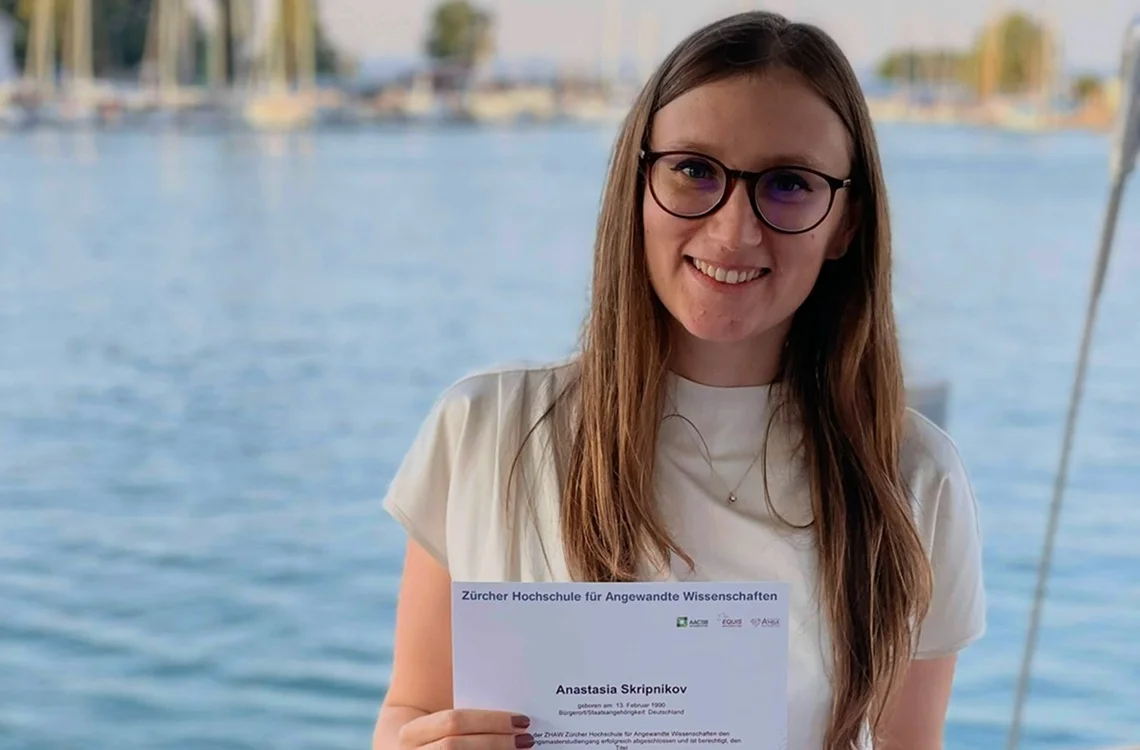
Anastasia, could you briefly introduce yourself and tell us about your professional background?
I originally trained as a registered nurse, completing my education in Germany at an acute care hospital. I was born in Russia but grew up in Germany. After finishing my nursing training, I moved directly to Switzerland and advanced into leadership roles fairly quickly—first as a team leader, then as a department manager, followed by several additional management positions, eventually becoming Director of Nursing. Today, I serve as the Executive Director of a long-term care facility operated by the City of Zurich. We offer a broad range of services, from psychosocial care to highly specialized nursing care for residents with complex medical needs.
You chose to pursue an MBA and graduated in 2025. What motivated that decision?
I began the Master of Advanced Studies (MAS) in Business Administration in 2022 and completed it successfully two years later. I then moved straight into the MBA program. My decision to pursue the MBA was driven by both professional and personal reasons. Professionally, I wanted to deepen my expertise in leadership and business management while keeping long-term career opportunities outside the healthcare sector open. On a personal level, it was equally important. As a mother, people often place you into a particular role very quickly. I wanted to do something for myself. The MBA gave me the opportunity to continue pursuing my own ambitions and to avoid being defined by just one aspect of my life.
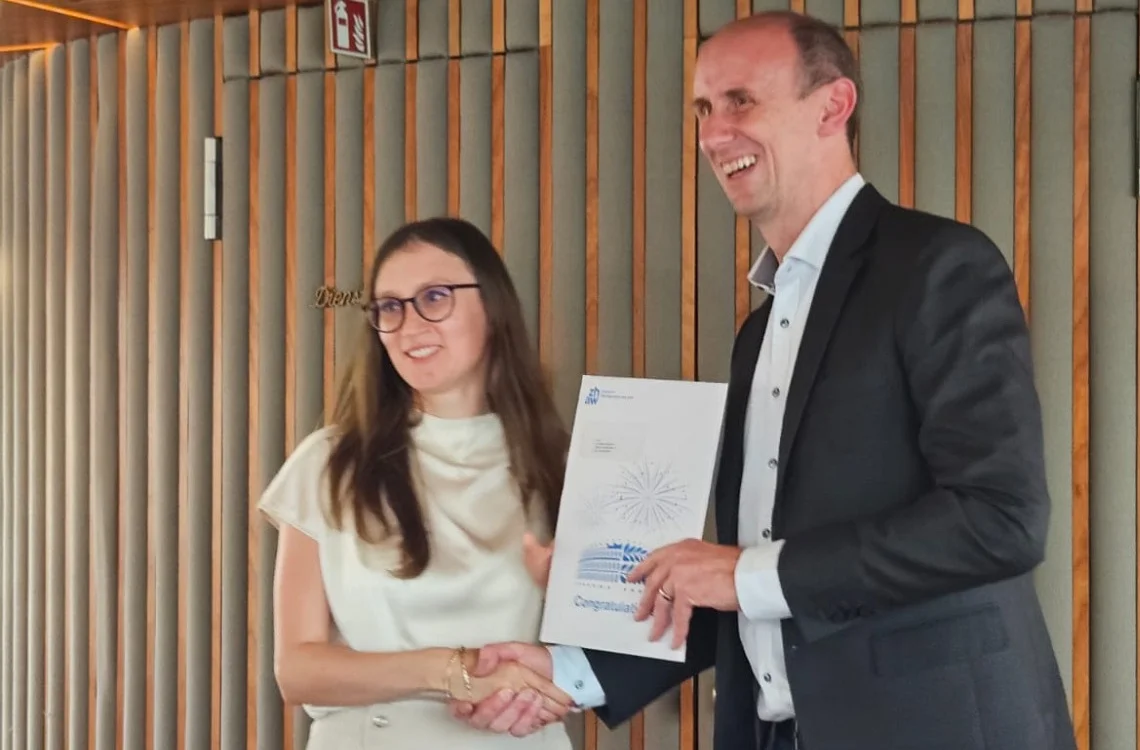
You completed the MBA while working full-time and managing a demanding family life. What was your situation like at the time?
I already had two children when I started, and during the program I became pregnant with my third. In fact, I began the MBA just four weeks after giving birth. The biggest challenge was finding the right balance. It wasn't just about managing my time—it also involved making very personal decisions. I didn't want to compromise, either as a student or as a mother. For example, it was important to me to continue breastfeeding. That meant occasionally stepping out during lectures or briefly leaving group work sessions. Personally, that wasn't always easy. Not because people around me weren't understanding—quite the opposite. I received a great deal of support. It was more about overcoming my own hesitation. Then there were the more familiar challenges: very little sleep, sick children, long days, and the commitment to attend every in-person class.
“I would recommend the MBA to anyone aspiring to leadership positions or looking to develop a more strategic perspective. The program offers highly practical knowledge, and many of the faculty members bring valuable real-world business experience into the classroom.”
One of the most demanding parts of the program is the so-called "Hell Week." What was that experience like?
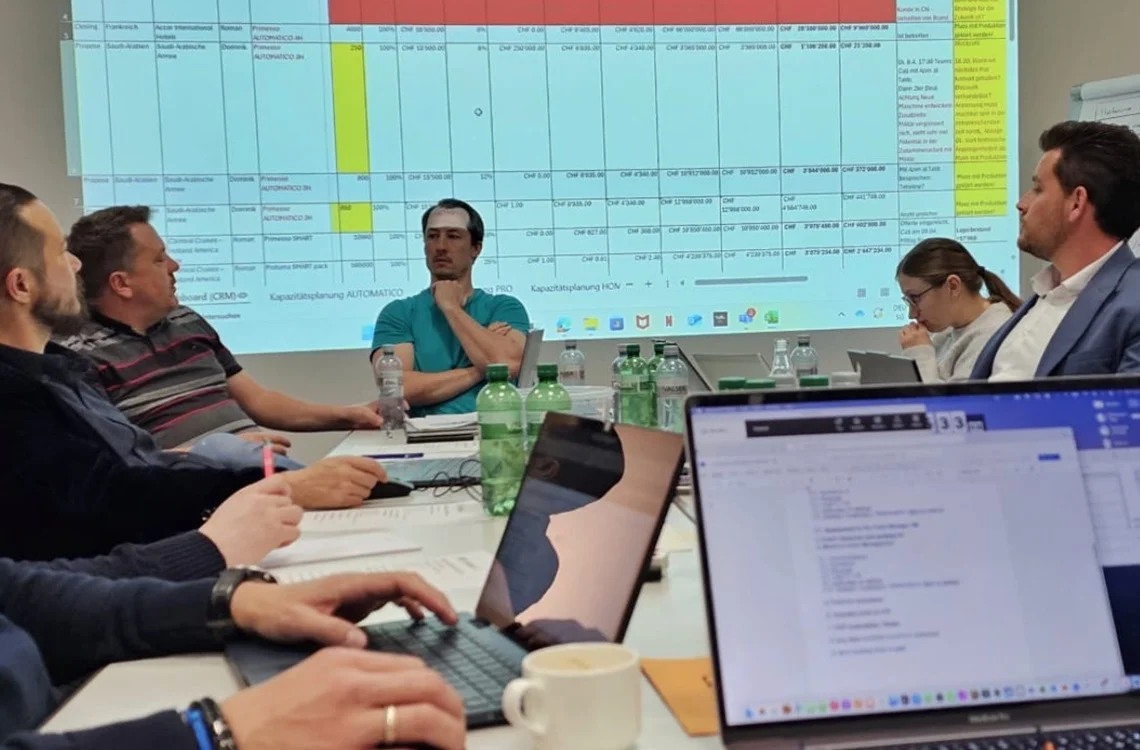
Hell Week is definitely something you never forget. It lasts several days—in our case, about four—and takes the form of an intensive business simulation. Participants assume leadership roles within an international company, such as CEO or other executive positions, and are confronted with one crisis after another. You're constantly making decisions, giving presentations, and responding to unexpected situations—often in subject areas that are completely outside your professional background, such as law or finance. At the same time, you get very little sleep and are under continuous pressure around the clock. For me, the experience was challenging not only intellectually but also emotionally. During the regular program, I could occasionally manage my schedule or step out briefly if necessary. During Hell Week, that simply wasn't possible—you were fully engaged 24 hours a day. Fortunately, I was able to bring my baby with me to the hotel during that week. But visiting my other children meant making a two-hour trip each way. The combination of sleep deprivation, performance pressure, and my personal circumstances was probably the greatest challenge of the entire MBA. At the same time, it was an incredibly valuable experience. You grow through it, and you discover what you're truly capable of.
What helped you get through such an intense period, and what are your biggest takeaways from the MBA overall?
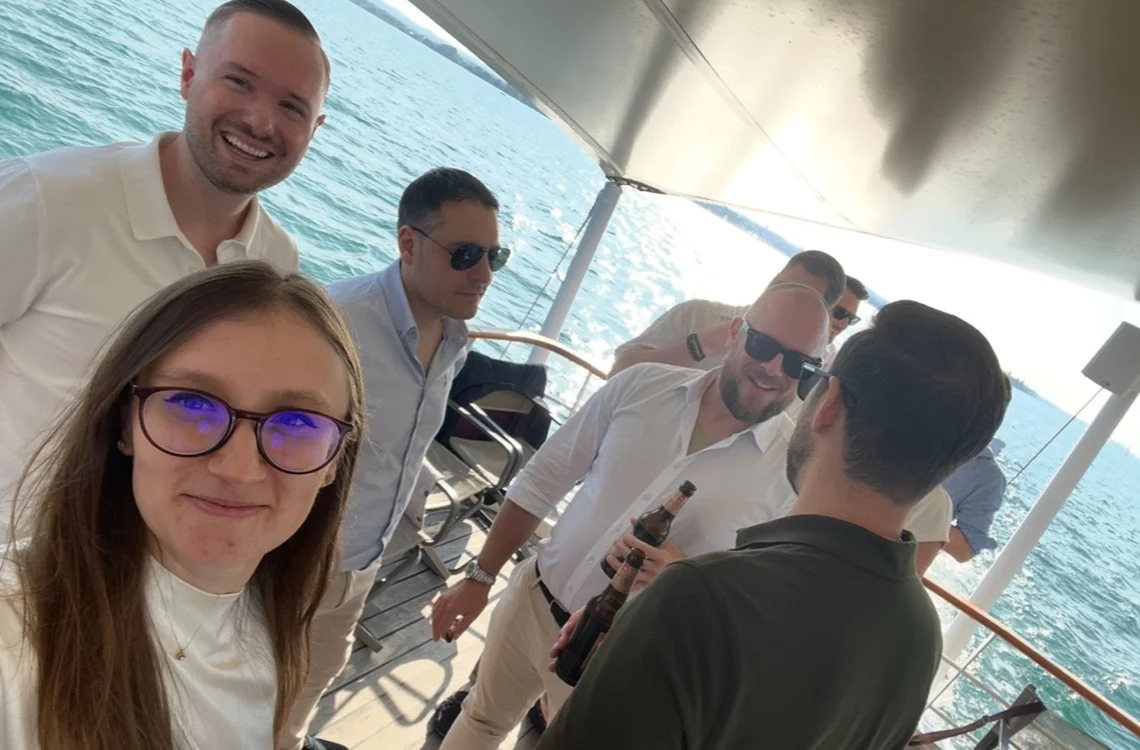
Without question, the biggest factor was my support system. My partner supported me tremendously—without that, it simply wouldn't have been possible. When you take on a program like this, you need people you can truly rely on. The other key factor was motivation. I kept reminding myself that it was an intense period, but it wouldn't last forever. Beyond the academic knowledge, one of my biggest takeaways was learning how to connect with people and build a professional network. I'm naturally more introverted, but during the program I realized how important it is to actively engage with others. That has benefited me enormously, both professionally and personally.

You speak openly about your role as a mother, while also emphasizing that you don't want to be defined by it. How do you see that today?
It's very important to me that people don't see me only as a mother. Of course, motherhood is a central part of my life, and it had a major influence on my MBA experience. But I'm also a leader. I have ambitions, and I want to continue growing professionally. For me, the MBA was a way of demonstrating that both are possible—and that you don't have to fit into a single box.
Who would you recommend the MBA to, and what advice would you give parents considering graduate education?
I would recommend the MBA to anyone aspiring to leadership positions or looking to develop a more strategic perspective. The program offers highly practical knowledge, and many of the faculty members bring valuable real-world business experience into the classroom. For parents, my biggest advice is to realistically assess your own situation. A strong support network—whether it's your partner, family, or close friends—is absolutely essential. Without that support, it becomes extremely difficult. It's also important to remember that there's no single right path. You can take breaks or progress step by step if that's what works best for your circumstances. I chose to complete the MBA without interruption, but that doesn't have to be everyone's approach.
Looking back today, how do you feel about that period of your life?
I'm proud. It was an incredibly intense and, at times, exhausting experience. But it was absolutely worth it—not only professionally, but personally as well. The MBA strengthened my knowledge, broadened my perspective, and gave me a great deal of confidence in my own abilities.
Get more insights into ZHAW International Business:
Executive Education in International Management
BSc in International Management
MSc in International Business
Further The Global Pulse articles