ZHAW International Business Podium

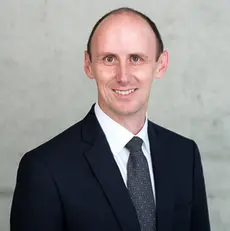
“At the International Business Podium, we bring together our international network of experts, analyze geopolitical developments, and show their significance for the economy and society.”
Prof. Dr. Florian Keller, Head Center for Geopolitics and Competitiveness
Concept of the panel discussion series
This series of events makes the expertise of the ZHAW International Management Institute accessible to a wider audience. Together with international experts from academia and practice, we analyze current political, economic, and geopolitical developments.
The IBP aims to engage the interested public, practitioners, alumni of our continuing education programs (DAS, CAS, WBK), and bachelor's and master's students.
The events take place on site in Zurich or Winterthur, as well as online in the form of webinars.
Previous Events
Albania in the Spotlight of Geopolitical Analysis
18 June 2026
12.30-1.30 pm
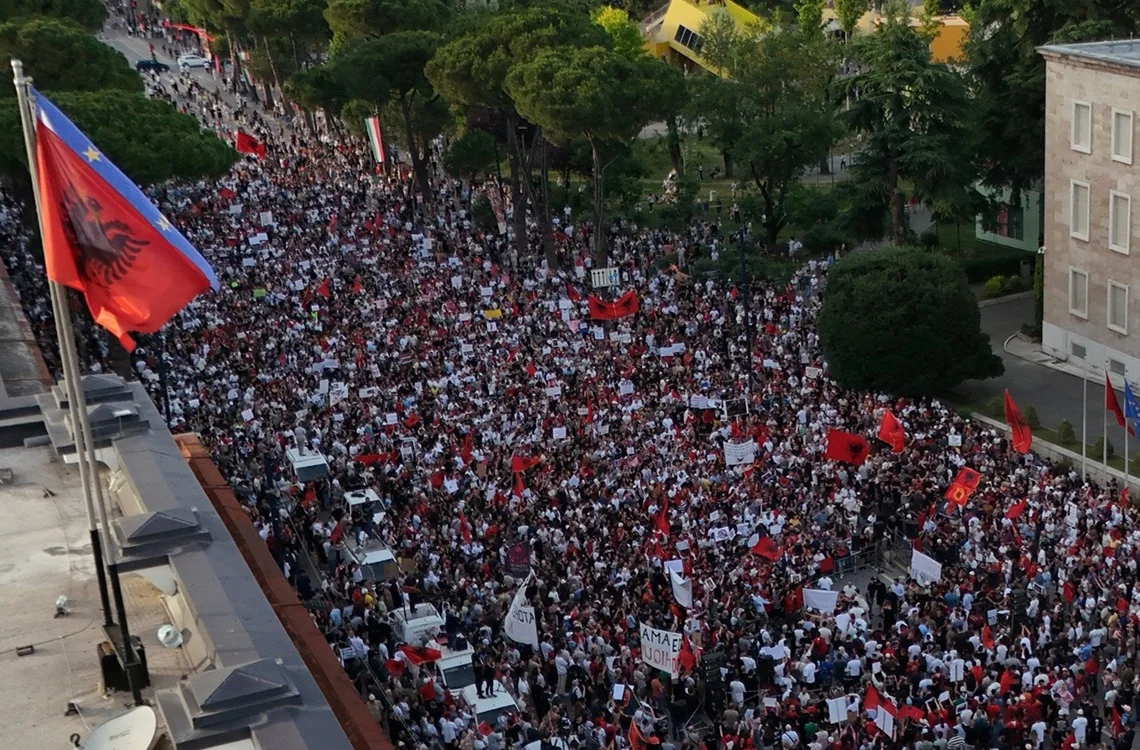
Why are thousands of people in Albania taking to the streets to protest a real estate project backed by international investors – and why are issues such as environmental protection, economic development, and national sovereignty suddenly becoming geopolitical concerns? This case illustrates how such dynamics can be analysed using the tools and frameworks taught in the ZHAW CAS in Geopolitics.
Recent developments in Albania demonstrate how closely politics, business, and geopolitics are intertwined today. Plans for a luxury resort on the uninhabited island of Sazan, located within the protected area surrounding the Narta Lagoon, have sparked ongoing protests and raised fundamental questions about foreign investment, political influence, and economic interests, as well as the long-term development of a strategically important region of Europe. As a NATO member and candidate for EU accession, Albania finds itself balancing regional stability, economic modernisation, and competing international power interests.
This ZHAW International Business Podium (IBP) also offers insights into the thematic and methodological content of the CAS Geopolitics & Business Strategy. Participants learn more about the field trip to Albania (Tirana and Kruja) scheduled for early September, as well as the geopolitical analysis tools used in the Scenario Lab in Winterthur.
The webinar will conclude with a Q&A session. The event will be held in German.
Speakers:
- Khaldoun Dia-Eddine
Lecturer in Negotiation Techniques, ZHAW School of Management and Law; Leader of the study trip to Tirana - Romain Markwalder
Managing Director, MARK+Partner Resilience Consulting; Guest Lecturer in Geopolitical Risk Analysis in the CAS Geopolitics & Business Strategy
Moderator:
- Dominique Ursprung
Deputy Head, Center for Geopolitics and Competitiveness, ZHAW School of Management and Law
The part-time CAS programme begins at the end of August and runs for three months. Participants who register by 20 June will receive a CHF 1,000 discount. To claim the discount, please enter the code TIRANA2026 in the comments field (“Mitteilungen”) when registering.
Learn more about the CAS Geopolitics & Business Strategy.
Iran in the Bigger Picture
5 March 2026
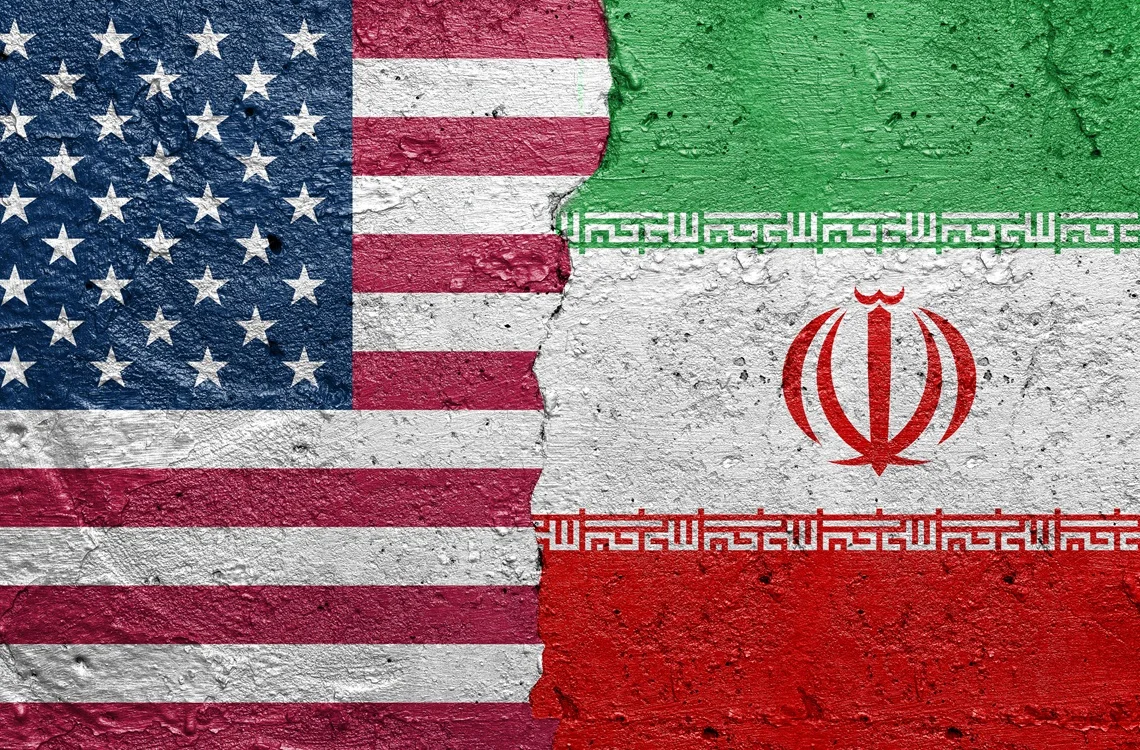
What does the war on Iran mean for geopolitical developments and the future of international relations?
The war in the Middle East has escalated dramatically in recent days: Following coordinated air strikes by the United States and Israel on targets in Iran – in which, among others, Iran’s Supreme Leader Ali Khamenei was killed – Tehran responded with massive missile and drone attacks on Israeli territory and US bases in the Gulf region. At the same time, the conflict spread to Lebanon, where Hezbollah fired rockets at Israel and Israel responded with counterstrikes.
These military confrontations are not only having wide-ranging regional repercussions, including attacks on bases in Bahrain and Cyprus and rising tensions with other Gulf states, but are also causing significant economic consequences such as sharply rising oil prices and the effective closure of the Strait of Hormuz, a central hub of the global energy trade. International concern is growing over further destabilisation of the region.
This represents a massive escalation of an already highly tense situation. In the next online edition of the International Business Podium, our experts Khaldoun Dia-Eddine, Prof. Dr. Christopher Hartwell and Michael Walsh (a U.S. national security expert who trains foreign services and served as a defense policy advisor on a U.S. presidential campaign) will analyse the security implications and the consequences for the region and the world:
- What does the attack on Iran mean for the geopolitical struggle for power?
- What are the effects on mayor players like the US, China, Russia or Europe?
- What does it mean for mayor players in the region – Saudi Arabia, Turkey and Israel?
- What does the war tell us about the future of Diplomacy?
Four Years of Russia’s Invasion of Ukraine: How has the World Changed?
20 February 2026
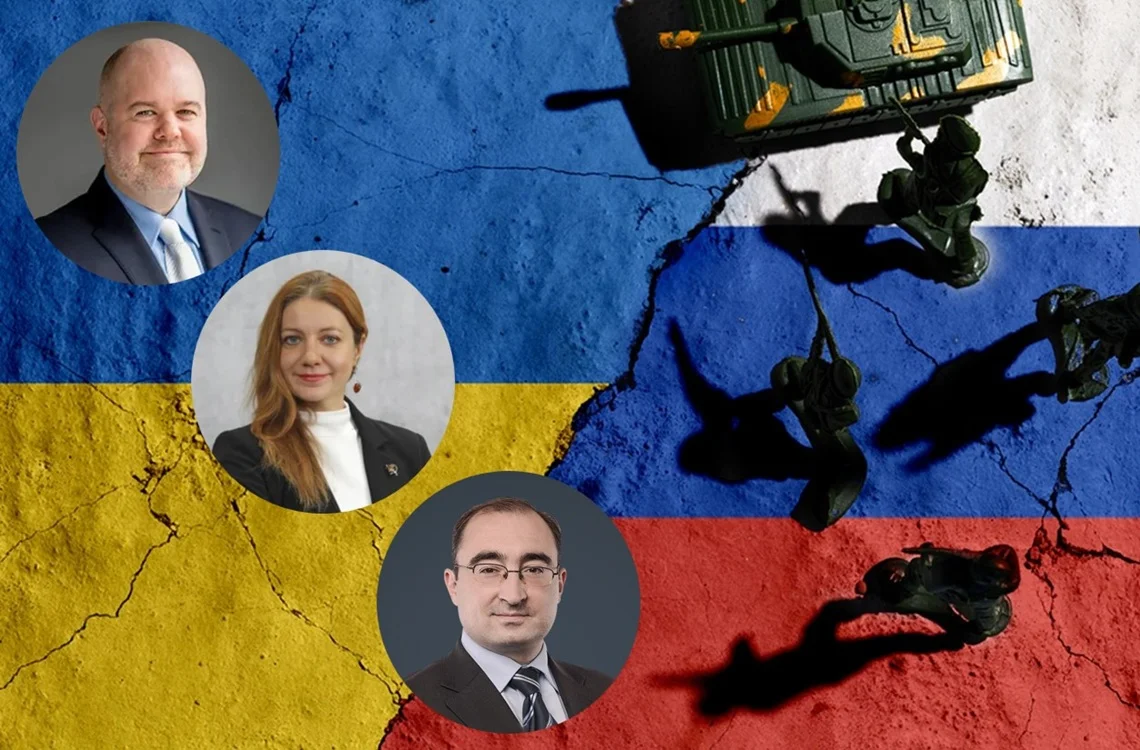
As of February 2026, Russia’s full-scale invasion of Ukraine will be four years old. In this session of the International Business Podium, we looked back together with renowned experts while at the same time sharpening our perspective on the current situation.
The tanks crossing the Ukrainian frontier in February 2022 brought large-scale war back to Europe in a way few believed possible after World War II, notwithstanding the continent’s supposed commitment to the principle of “never again.” At the same time, Ukraine’s resistance and societal resilience have surprised many observers, as the country continues to withstand military pressure, constant attacks on civilian infrastructure, and the enormous economic and social costs of war.
The geopolitical environment surrounding the war is evolving. Over the past year, the new U.S. administration under President Donald Trump has sought ways to bring the war to an end through engagement with Russia, while also creating new uncertainties for Ukraine and its European partners. The Trump administration has been even more erratic than previous President Biden, pausing U.S. support to Ukraine, courting countries such as Belarus for a “Board of Peace,” and picking fights with NATO allies, as in the prolonged threat to annex Greenland from the Danish.
The turn in the US has led the European Union to attempt to strengthen its geopolitical role and assume greater responsibility for the continent’s security. The EU has a clear interest in achieving a just and durable peace in Ukraine, yet questions remain about the tools and leverage available to Europe to influence the outcome.
Finally, overlooking in all of this geopolitical jockeying are the Ukrainians themselves. Having endured four years of bombardment and onslaught – and with attempts to freeze the populace during this winter – Ukraine remains unbowed in its resistance.
This event will examine the strategic, political, and security implications of four years of war and how the world has been transformed. Key questions for our esteemed panelists will include:
How sustainable is the Ukrainian economy and what reforms still need to be done
How can the EU and Europe together respond to long-term security challenges
What is the future of transatlantic relations?
What possible paths exist toward peace and stability in Europe?
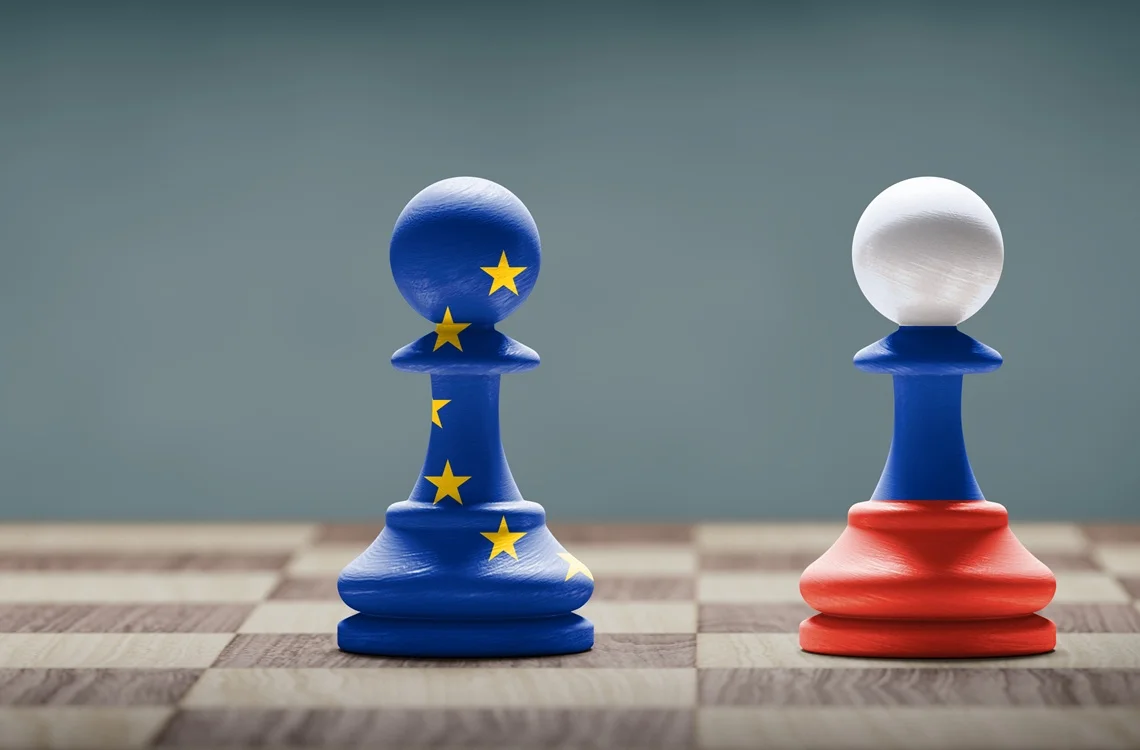
Europe in 2026: On the Edge of Peace or Major Conflict with Russia?
12 December 2025
In this edition of the International Business Podium, we explored possible geopolitical scenarios and analysed their political and economic implications for Switzerland together with renowned experts. The panel addressed the risks of global uncertainties, potential escalation in the relationship between Russia and Europe and particularly the question of what Swiss companies can expect in 2026.
Europe is entering 2026 with a level of geopolitical uncertainty not seen in years: Since reports of Russian drones in NATO airspace, e.g. Poland, Denmark and German, and threats against Finland, Europe has been in turmoil. The Kremlin no longer seems to shy away from direct confrontation with NATO territory.
Russian provocations have become part of everyday life – and now, for the first time, they are occurring in close proximity to Switzerland. At the same time, President Trump is pushing for a quick peace in Ukraine and coming back to 'business as usual' with Russia. Will peace between Russian and Ukraine be achieved in 2026? And if so, will it be stable and just? If not, is Europe on the brink of a all-out war – and what does this mean for Switzerland?
There is not only a growing fear of military confrontation but also an intensified risk of new sanctions, trade risks or supply chains under pressure. Will Swiss business already have to prepare for tangible changes in 2026?
The discussion will feature Dr. Igor Gretskiy, Senior Researcher at the International Center for Defence and Security in Estonia (expert on Russia and its foreign policy), Dr. Alina Nychyk, Senior Researcher at the ZHAW School of Management and Law (expert on Ukraine's foreign policy and EU-Ukraine-Russia relations) and Prof. Dr. Florian Keller, Head of the Center for Geopolitics and Competitiveness at the ZHAW School of Management and Law (expert on Switzerland and Swiss-European relations).
EU Ambassador Visits ZHAW
29 October 2025
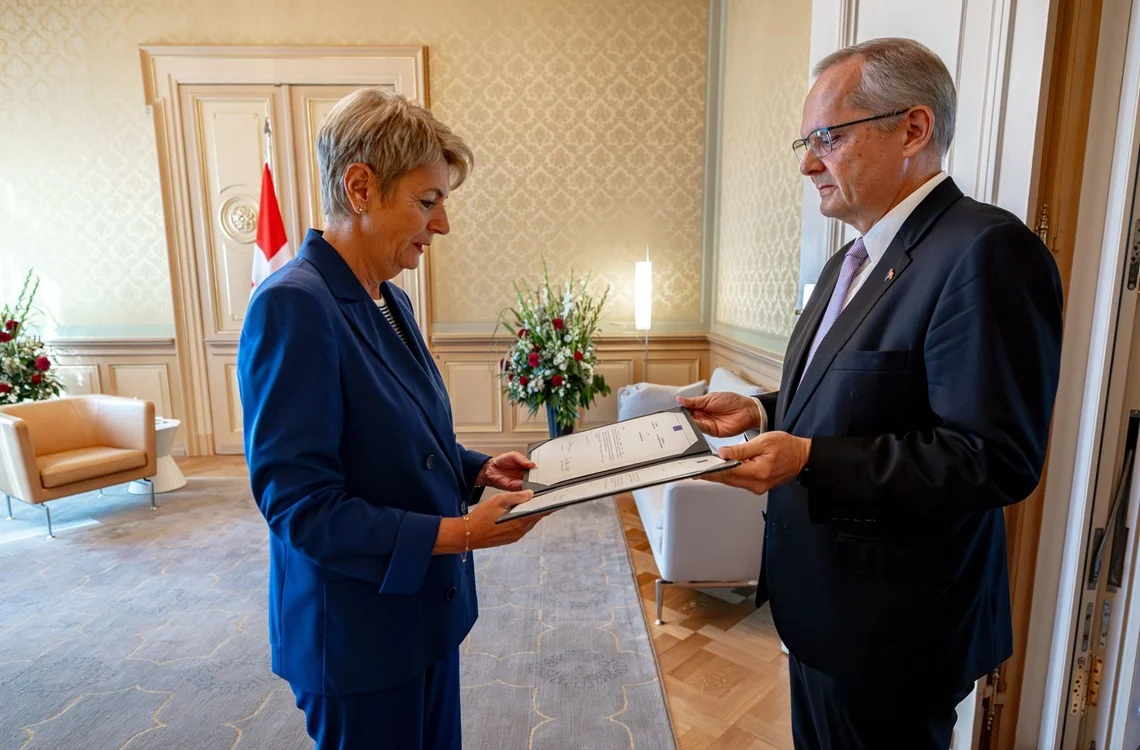
In this edition of the International Business Podium, we were pleased to welcome the new EU Ambassador to Switzerland, Andreas Künne, to one of his first public appearances in Switzerland at the ZHAW School of Management and Law.
The New CAS Geopolitics and Business Strategy
24 October 2025
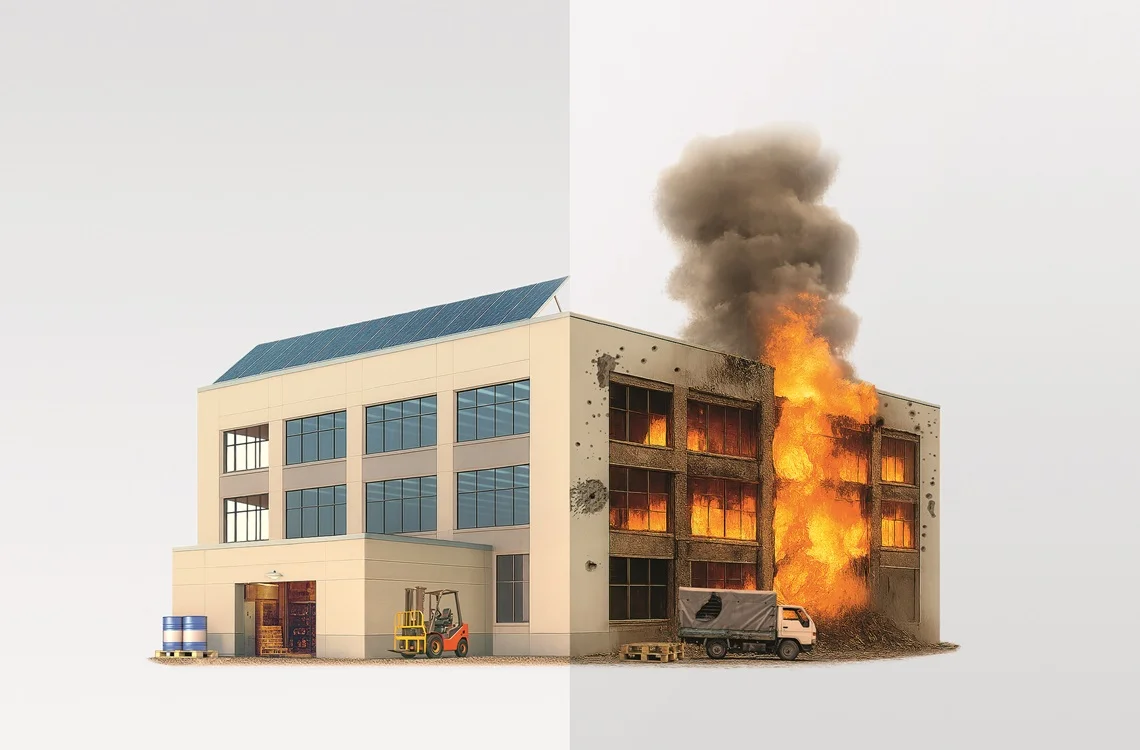
In this special edition of the International Business Podium, held to mark the launch of an innovative continuing education program at ZHAW, you gained exclusive insights into the CAS in Geopolitics and Business Strategy.
Playing Russian Roulette with Donald Trump: The Consequences for Ukraine, Europe and the World

13 March 2025
The return of Donald Trump to the White House and his willingness to shatter long-standing norms has brought a massive increase in geopolitical uncertainty. His approach to foreign policy - marked by unpredictability, transactional diplomacy, and rejection of traditional alliances - has already begun to reshape the global order. Nowhere is this more evident than in Ukraine, where U.S. support hangs in the balance, and in Europe, where leaders must navigate an increasingly volatile security landscape without the US leadership they relied on for so long.
Syria – What’s Next?
9 December 2024
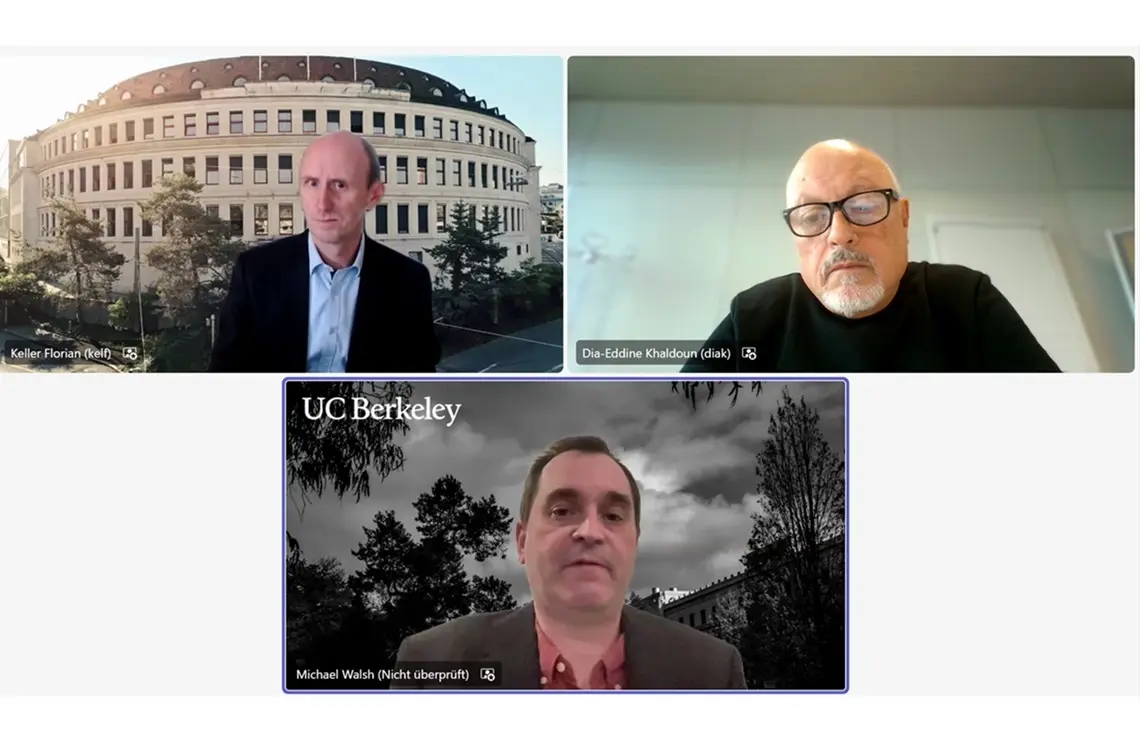
At the beginning of December 2024, the rebels overthrew long-time ruler Bashar al-Assad with breathtaking speed. People celebrate on the streets of Damascus, the dethroned ruler lands in Moscow and the public in the West is amazed. The ZHAW International Business Podium focused on current developments and ventured a look ahead.
US Elections 2024: A Conversation with the new AmCham President
30 October 2024
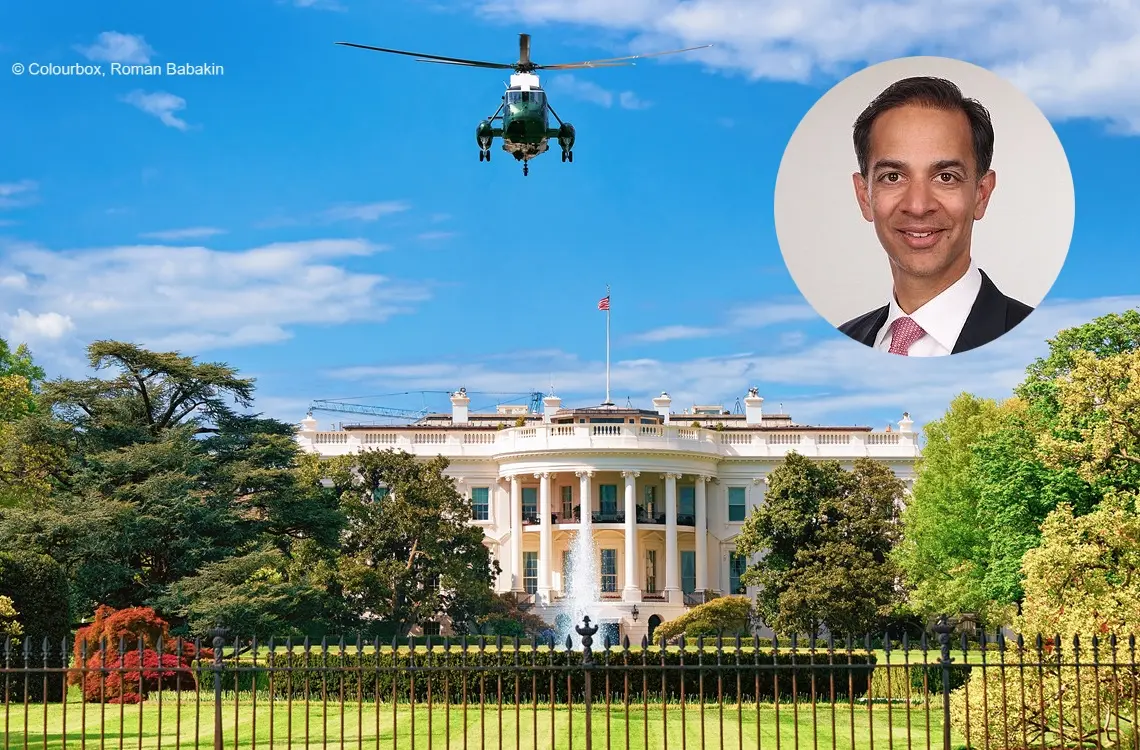
Who will win the White House and be US president in 2025? Will Doland Trump come back to power, or will current Vice President Kamala Harris succeed in winning the Electoral College? In the current session of the ZHAW International Business Podium, we exchange views with Rahul Sahgal, the new CEO of the Swiss-American Chamber of Commerce.
Modern Diplomacy in Crisis? A Discussion on the State of Digital Diplomacy in 2023
23 November 2023
Are modern diplomats particularly well equipped to deal with the impact of digital technologies on international relations, or are they rather overwhelmed by the speed and complexity of these developments? Our ZHAW International Business Podium provided answers.
10 Years Sino-Swiss Free Trade Agreement: Implementation, Success Stories, and Challenges

26 October 2023
In 2014, Switzerland pioneered preferential trade agreements with China in Europe. Today, the Sino-Swiss free trade agreement will soon have been in force for ten years. It is therefore an appropriate moment to review now how this agreement has been implemented, who benefits most from it, and what challenges remain.
In honor of our senior lecturer, Khaldoun Dia-Eddine: Why has the Middle East become a global mediation hotspot?
05. October 2023
In recent decades, the Middle East has increasingly engaged in mediation activities related to international conflicts in a variety of ways. The results have been interesting and diverse, and they can sometimes rival those of traditional global mediators.
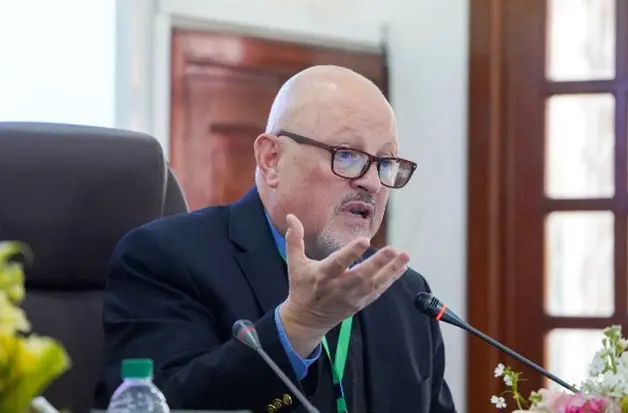
This observation is discussed by Khaldoun Dia-Eddine, who continues to enrich the work of the ZHAW Center for Geopolitics and Competitiveness with a reduced workload after his official retirement on August 1, with exciting guests at the ZHAW International Business Podium in honor of his many years of work. Together they raise questions and find sometimes surprising answers: Is the region consciously developing its diplomacy and mediation capacities? How can their cultural backgrounds be assessed? And what impact do these developments have on traditional mediation centers like Switzerland?
How is Digital Diplomacy Shaping the War in Ukraine?
16 June 2022
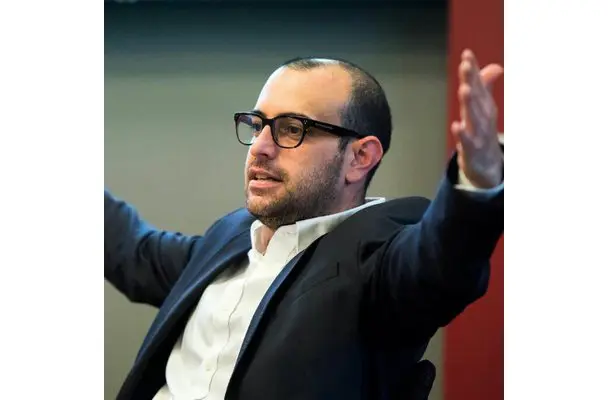
Digital Diplomacy Scholar Dr. Ilan Manor will visit Winterthur to present his analysis of how Ukraine is using digital technologies in the war and show how important political changes have taken place at great speed, partly due to the digitalisation of diplomacy.
About the Guest Speaker
Ilan Manor is Assistant Professor at Ben Gurion University, Israel. He obtained his PhD from the University of Oxford with a thesis that explored the manner in which nations portray adversaries on official digital diplomacy channels during times of crises.
Manor is co-editor of the book, Public Diplomacy and the Politics of Uncertainty (2021) and author of The Digitalization of Public Diplomacy (2019), both published by Palgrave Macmillan. In a recent publication by International Affairs, Manor argues that “diplomacy is about to enter a new phase, which we call hybrid diplomacy, in which physical and virtual engagements are expected to integrate, complement and empower each other.”
More information: https://digdipblog.com/
This event will also be an opportunity to get to know the program of the newly created DAS in Applied Diplomacy (30 ECTS) and the new graduates of the 6th edition of the CAS Foreign Affairs & Applied Diplomacy.
Topical Round Table: Russian Invasion of Ukraine - War in Europe

25 February 2022
Experts of the International Management Institute of the ZHAW School of Management and Law discuss the Russian invasion of Ukraine.
Prof. Dr. Christopher Hartwell (expert for Eastern Europe), Prof. Dr. Petra Barthelmess and Dr. Florian Keller discuss the Russian invasion of Ukraine on current occasion:
- Diplomatic actions
- The position of Switzerland
- How do the historical roots affect the current problems?
- What are the consequences?
Here you can find the recording of the Round Table: Russian Invasion of Ukraine - War in Europe
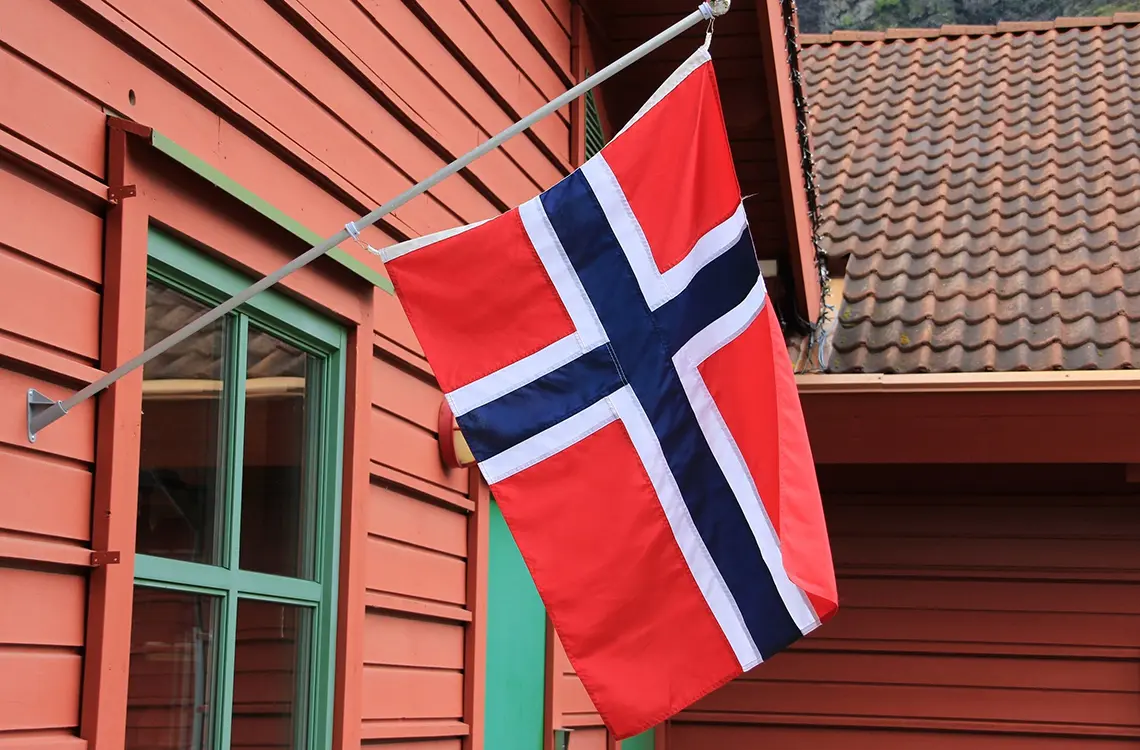
Norway’s Experience With the European Economic Area
6 December 2021
Guest Speaker: H.E. Erik Førner, Norwegian Ambassador to Switzerland
On 6 December 1992, 50.3% of the Swiss population voted against an agreement reached by the Swiss Federal Council to join the European Economic Area (EEA). Instead, Switzerland realigned its European policy and successfully developed two packages of bilateral agreements with the European Union (EU) that were approved by the population in several popular referenda. Still, since 2008 the EU and Switzerland have been searching for new ways to upgrade their already close economic relationship by implementing a more dynamic approach. So far, all attempts to find a consensus within the Federal Council on such a framework agreement have failed. Consequently, other options for Switzerland’s integration into Europe are now back on the table: While joining the EU remains the preference of only a small minority, joining the EEA – which has been quite successful for Iceland, Liechtenstein, and Norway – has significantly more support today than it has had for a long time.
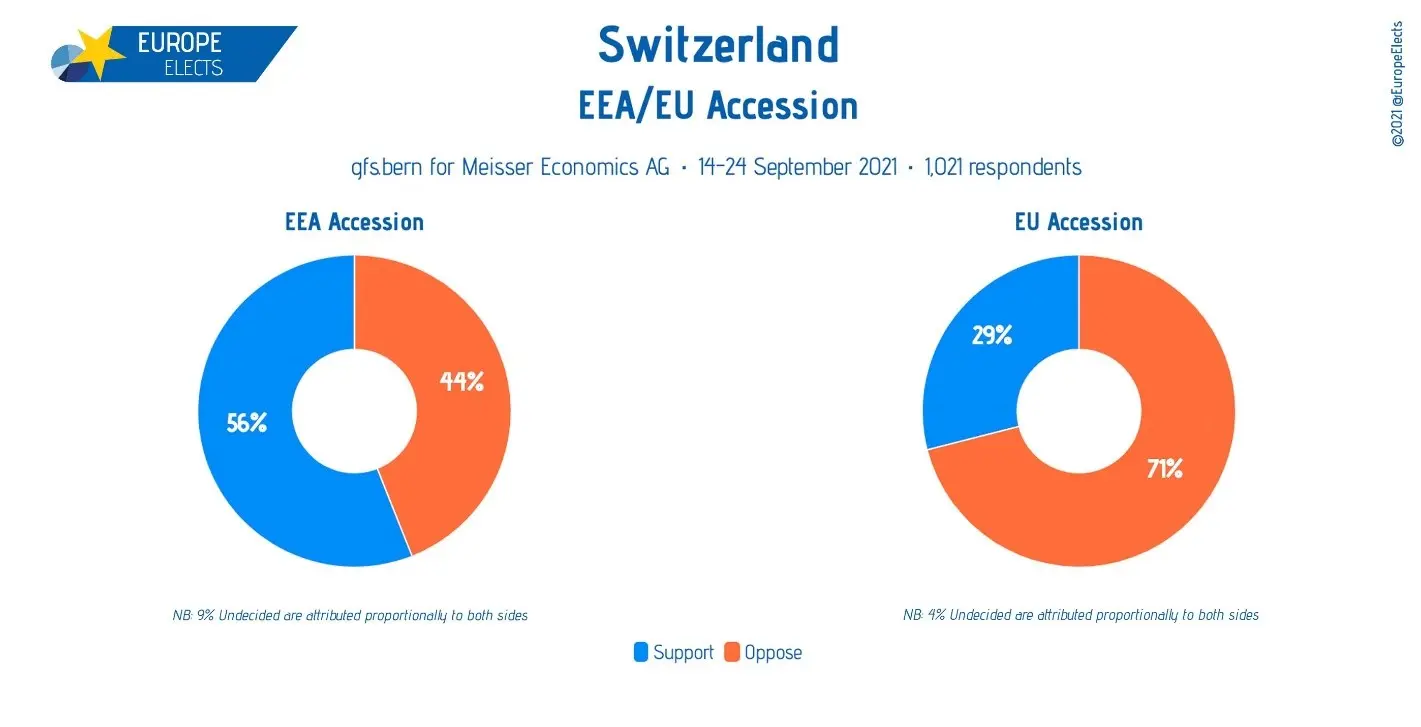
This event will provide an opportunity to hear Ambassador Erik Førner’s insights concerning Norway’s experiences with the EEA. In his talk, he will touch on the political, economic, and legal implications of EEA membership as well as the reactions of the Norwegian population. His input will no doubt prove useful in debating whether Switzerland’s concerns that joining the EEA may undermine its sovereignty are justified.
Poland - Europe's Most Dynamic Economy?
10 Mai 2021
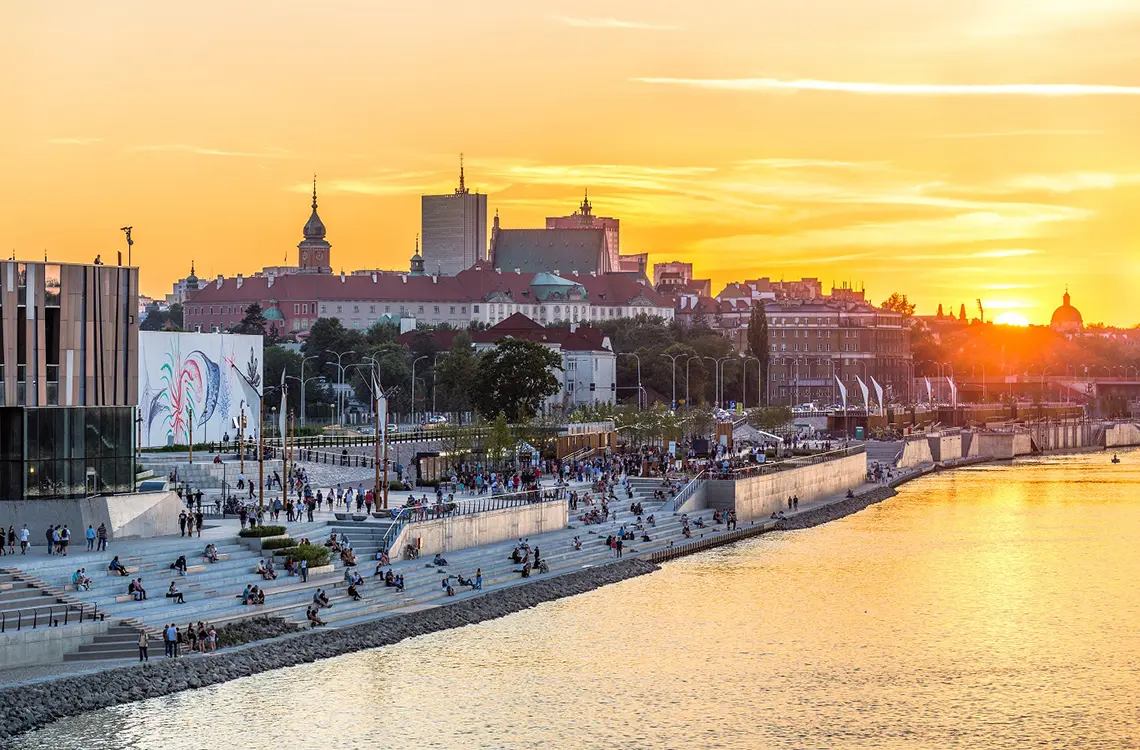
Little is generally known about Poland’s history and economy in Switzerland, which may also be why Warsaw is currently not a popular study-abroad destination. This event will help you understand how the EU’s fifth largest member state by population has changed after three decades of exceptional economic growth.
In 2021, Switzerland and Poland celebrate 100 years of Switzerland’s diplomatic presence in Warsaw. In this online event, the Ambassador of Switzerland to Poland, Jürg Burri, will share his insights on bilateral economic relations, which are significant: Swiss companies have created more than 65,000 jobs in Poland, according to a recent study. In addition, Christopher Hartwell, Head of the International Management Institute at ZHAW, will discuss Poland’s transition from a communist state to Europe’s region with the strongest economic growth in his talk entitled Poland’s Transition Experience.
The ZHAW School of Management and Law has a strong partner in Poland: the Warsaw School of Economics (SGH), where students of the MSc in International Business can benefit from a Double Degree.
Guest Speakers are Jürg Burri (Ambassador of Switzerland to Poland), Prof. Christopher Hartwell (Head of the ZHAW International Management Institute) and Aneta Kocemba-Muchowicz (Managing Director and Head of Warsaw Site of Credit-Suisse in Poland).
Webcast with the new EU Ambassador to Switzerland

23 November 2020
Current State and Outlook for Swiss-EU Relations
The ZHAW International Management Institute and its unit for Foreign Affairs and Applied Diplomacy are delighted to welcome H.E. Petros Mavromichalis, European Union Ambassador to Switzerland & Liechtenstein for a webcast.
Ambassador Mavromichalis previously served in the European External Action Service as Head of Division of the EU’s Open Source Intelligence as well as the EU’s Situation Room. Since September 2020 the Greek and Belgium national represents the EU Commission in Berne.
Since the opening of an EU Delegation in Switzerland in 2007, the ZHAW School of Management and Law has established a tradition to always invite the new EU Ambassador for an exchange with students, faculty and friends of the university. This started with Ambassador Michael Reiterer, Ambassador Richard Jones, Ambassador Michael Matthiessen, and now H.E. Petros Mavromichalis.
Language of discussion: English
“I Want Swiss-EU Relations to Thrive”
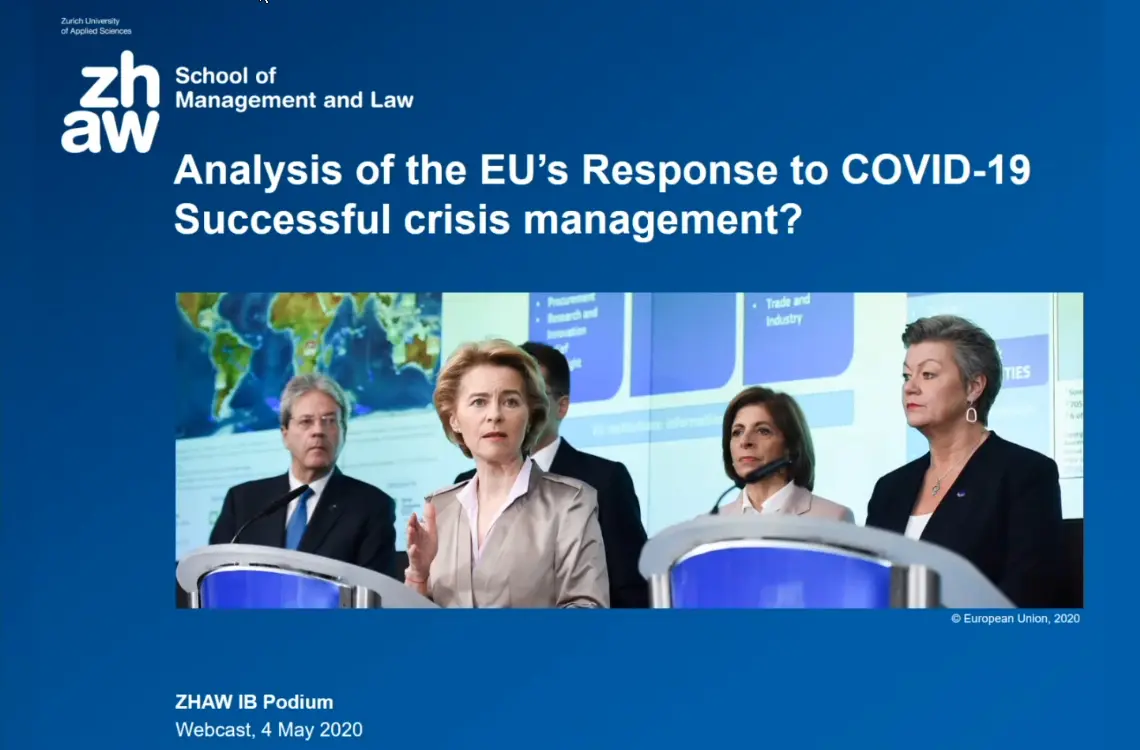
Analysis of the EU’s Response to COVID-19. Successful Crisis Management?
04 May 2020
Crises have played a significant role in the development of the EU and the process of European integration. Dealing with the Coronavirus is now a major challenge for the new leadership team in Brussels, while they continue to handle other emergencies at the same time. Our guests will analyze the EU's response to Covid-19 and compare the current crisis management in Brussels with similar situations the EU has faced in the past.
The ZHAW International Management Institute and its unit for Foreign Affairs and Applied Diplomacy are pleased to welcome the following guests for a live webcast debate:
Sebastian Ramspeck, Brussels Correspondent, Swiss Television (SRF)
Franziska Vogel, Co-Head Program Europe - foraus
Dominique Ursprung, Deputy Head, Center for Geopolitics and Competitiveness, ZHAW
Language of discussion: English
Watch the recording of the Webcast.
What is the Role of the Visegrád Four in Europe?
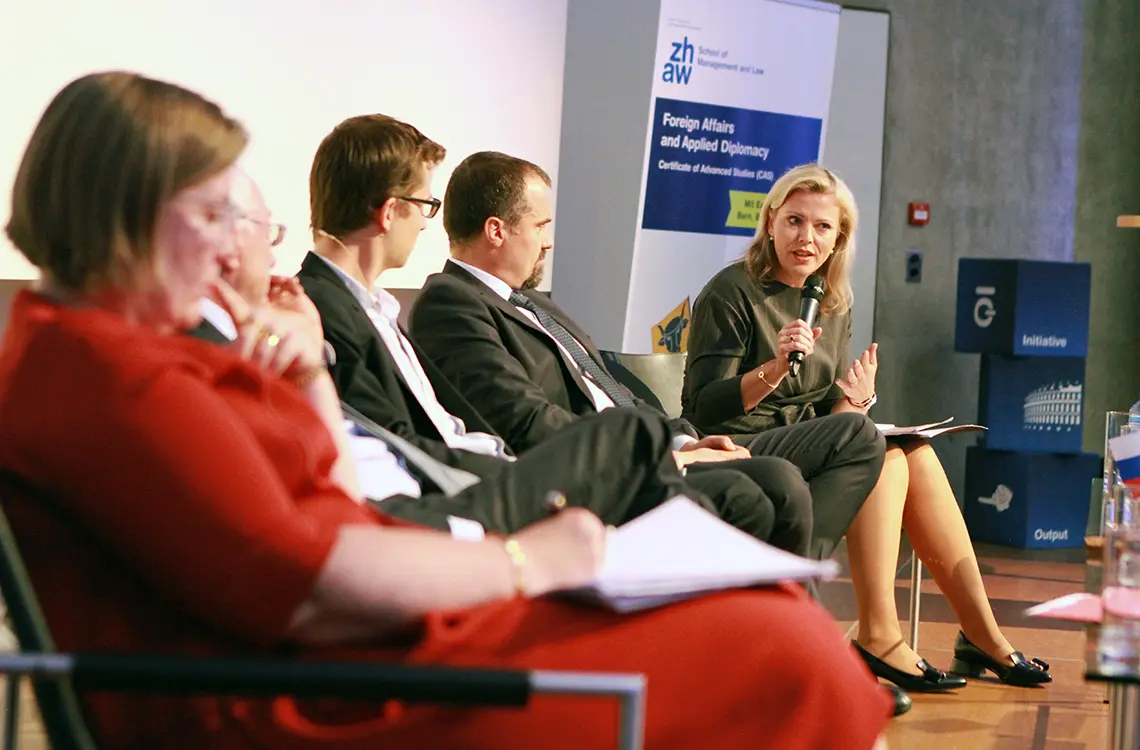
30 September 2019
At the first podium the topic "The Visegrad States - their economic and political role in Europe" was discussed with the four ambassadors and representatives of the Visegrad States.
30 years since the fall of the iron curtain, 20 years of NATO membership and 15 years in the EU. A lot has changed in these years, the former communist countries Poland, Czech Republic, Slovakia and Hungary have turned into free market economies, are important contributors to the security of the continent and are gaining political strength in the European Union – it has been said for example, that Ursula van der Leyen only got to office, thanks to the support of the Visegrad voices.
Time to have a closer look at the four countries:
- How is the powerhouse of European economic growth ticking?
- What is the alternative vision of Europe by the V4?
- Why is there still a West and an East in Europe?
The ZHAW International Management Institute, which is responsible for Foreign Affairs & Applied Diplomacy, is pleased to welcome the diplomats of the four Visegrad states in Winterthur.
The following diplomats will be present:
- H.E. Ms Kateřina Fialková, Ambassador, Embassy of the Czech Republic
- H.E. Mr Jakub Kumoch, Ambassador, Embassy of the Republic of Poland
- H.E. Mr István Nagy, Ambassador, Embassy of Hungary
- Ms Dr. Linda Kapustová Helbichová, Chargé d’affaires, Embassy of the Slovak Republic