Previously funded research and teaching projects
The following research and teaching projects by employees have been funded as part of the Sustainable Impact Program to date. The Living Labs Fund projects are regularly being added to.
Discover our support opportunities!
No matter if your idea is big or small – we support you in turning it into reality. Find out more about our diverse offerings to support your project.
Living Lab Fund Projects
Lokstadt Active Mobility Campaign (ActiMo)
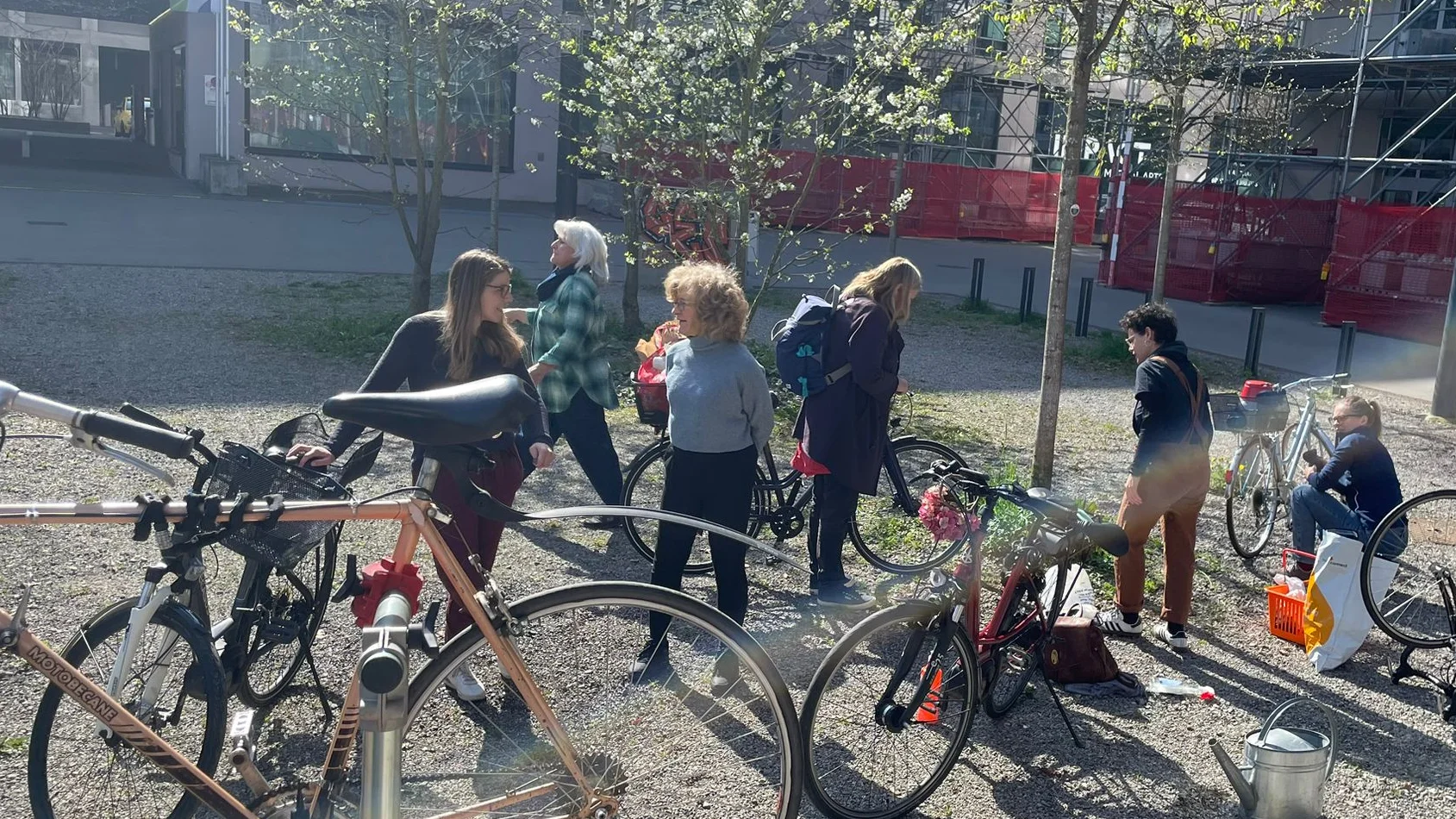
The project is investigating measures to promote active mobility in the rapidly growing Lokstadt district of Winterthur. The aim is to create conditions that make cycling and walking more attractive and safer, in order to support sustainable lifestyles and the well-being of residents. The participatory co-creation approach involves local stakeholders such as public authorities, associations, businesses and residents to develop tailor-made solutions that meet the specific needs of Lokstadt.
Workshops and findings to date have highlighted shortcomings in the local infrastructure, particularly with regard to safety and comfort for pedestrians and cyclists. The ZHAW is contributing its expertise through the Institute of Public Health, with students also being involved in the development of health-promoting campaigns. The project supports the energy transition and sustainable urban living, and serves as a model for similar initiatives.
Project team:
Evelyn Lobsiger (ZHAW, School of Engineering) (Project lead), Bernadette Sütterlin (ZHAW, School of Engineering), Debora Frei (ZHAW, School of Engineering), Jasmin Oberkalmsteiner (ZHAW, School of Engineering), Andrea Glässel (ZHAW, Health Sciences), Julienne Rüeger (ZHAW, Health Sciences), Julia Grundisch (ZHAW, Applied Linguistics), Manuela Fuchs (Stadt Winterthur)
Real-time feedback on electricity consumption and generation
The project aims to develop an app that visualises household electricity consumption and locally generated solar energy in real time. This is intended to increase the self-consumption rate and encourage energy-saving efforts. By providing real-time feedback, users’ awareness of their electricity consumption patterns is heightened, making it easier to shift electricity consumption specifically to times when on-site solar energy production is high.
The app is being tested in the Living Lab Lokstadt, a rapidly growing district in Winterthur. The study also examines potential negative spillover effects that could accompany an increased self-consumption rate resulting from the real-time feedback, in order to establish a holistic basis for assessing its impact.
Another focus of the project is on the social dimension of sustainability, analysing differences in needs and receptiveness to real-time feedback amongst various social groups (i.e. lifestyles). In addition, the project aims to investigate how membership of an energy community can enhance social cohesion and well-being. Finally, recommendations will be formulated for the further development of such app solutions and strategies for effectively engaging different lifestyle types.
Project team:
Bernadette Sütterlin (ZHAW, School of Engineering) (Project Lead), Debora Frei (ZHAW, School of Engineering), Jasmin Oberkalmsteiner (ZHAW, School of Engineering), Evelyn Lobsiger (ZHAW, School of Engineering), Nadine Nembrini (ZHAW, Applied Linguistics), Yves Deluz (Implenia), Julien Nembrini (Université de Fribourg)
Living Lab Agroforestry – Modules at the interface between research and practice
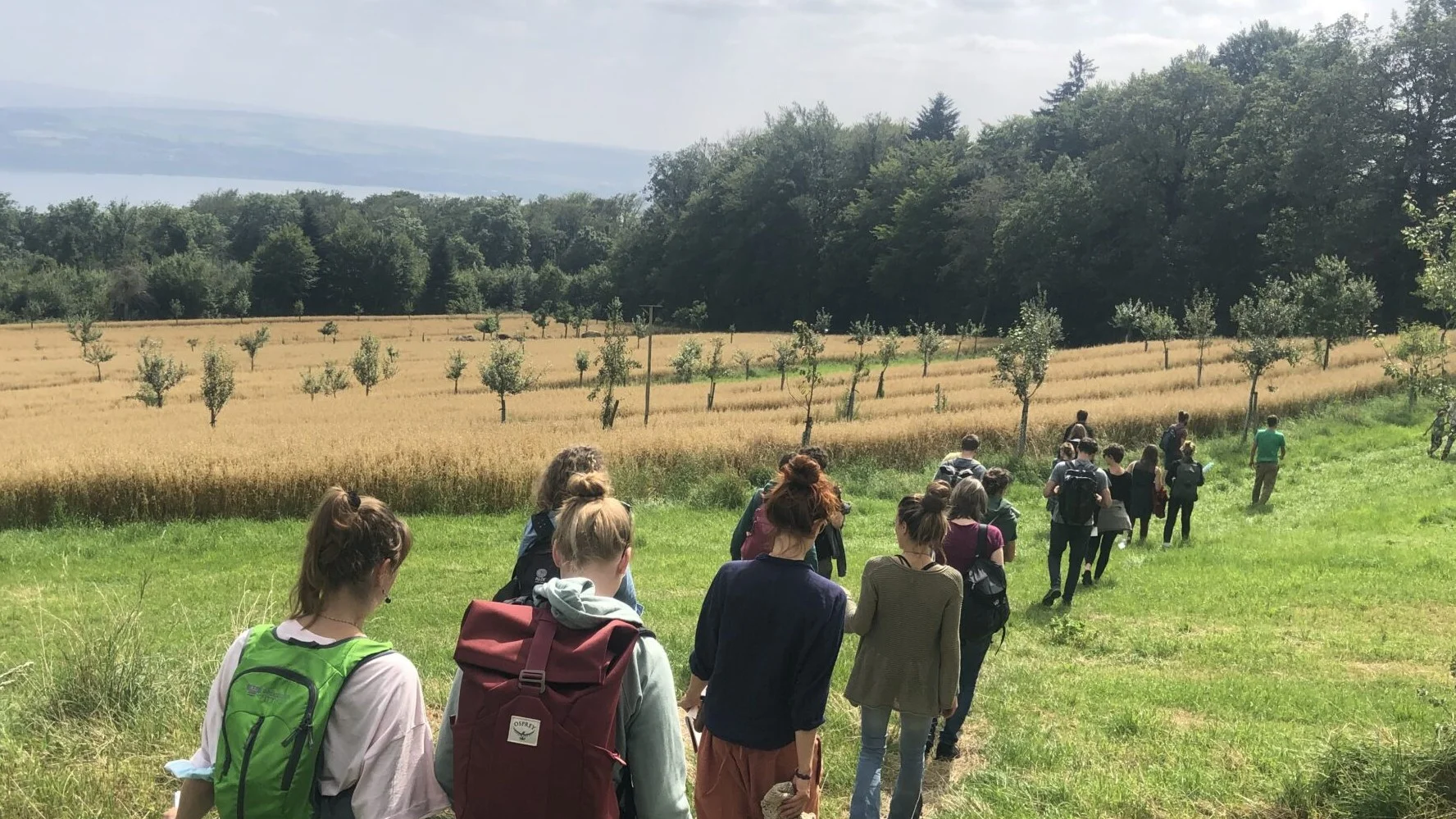
The project promotes practice-oriented knowledge transfer and skills development in the field of agroforestry systems, which are recognised as a climate-friendly form of land use. The aim is to create synergies between woody plant structures, crops and livestock farming in order to realise ecological, economic and social benefits. The focus is on case studies and practical assignments that help students understand the principles and benefits of such systems. Together with farmers, they develop research questions and designs for field trials, which gives them insights into real-world needs and challenges.
Participants develop their skills in personal responsibility, interdisciplinarity and practical work, and learn to design and evaluate their own agroforestry systems. The project raises awareness of sustainable land use and improves understanding of the SDGs and fundamental agroecological principles.
Project team:
Christa Hirschvogel (ZHAW, Life Sciences and Facility Management) (Project lead), Mareike Jäger (ZHAW, LSFM), Annette Jenny (ZHAW, LSFM)
Collaborative Structure
The project is developing a solution to the frequent lack of small meeting rooms in converted industrial buildings. The aim is to create modular spaces through circular design and participation. These spaces are intended to serve researchers, lecturers and students as multifunctional spaces for meetings, research presentations or relaxation.
In the short term, the project provides a state-of-the-art space in the main building of the Department of Architecture, Design and Civil Engineering with circular, participatory design practices. The focus is on a web-based configurator that enables non-experts to create designs based on specific requirements and reusable materials. In the long term, the project aims to establish a workflow accessible to non-experts that encourages user participation in the design and manufacturing process.
The approach combines recycled building materials with innovative materials and incorporates sensors to collect building data in order to analyse usage. The aim is to create a flexible and sustainable method of interior design that will benefit a wide range of applications, such as offices and schools.
Project team:
Evangelos Pantazis (ZHAW, Architecture, Design and Civil Engineering) (Project Lead), Yves Ebnöther (ZHAW, A), Luca Baldini (ZHAW, A), Konrad Graser (ZHAW, A), Patric Fischli (ZHAW, A)
The Future of Food in Wädenswil
The project aims to promote the transformation of the food system in Wädenswil by establishing a multi-stakeholder platform (MAP). The focus is on collaboration between the agriculture, food processing, catering and retail sectors and the ZHAW. This interaction enables research to be directly integrated into local practical issues, thereby facilitating the development of innovative solutions for a more sustainable food system.
A key objective is to position the ZHAW as a link between academia and practice, in order to continuously identify the needs and challenges faced by stakeholders. The Living Lab provides a space for the scientific support and evaluation of specific projects, such as those aimed at raising public awareness of food waste.
Project team:
Frenzi Ritter (ZHAW, Life Sciences and Facility Management) (Project lead), Sonja Trachsel (ZHAW, LSFM), Hannah Della Casa (ZHAW, LSFM), Urs Müller (ZHAW, LSFM), Karin Hüppi Fankhauser (Schluchtalhof), Clemens Rüttiman (Foodhub Wädenswil)
Beyond Grey Walls – Biophilic Design
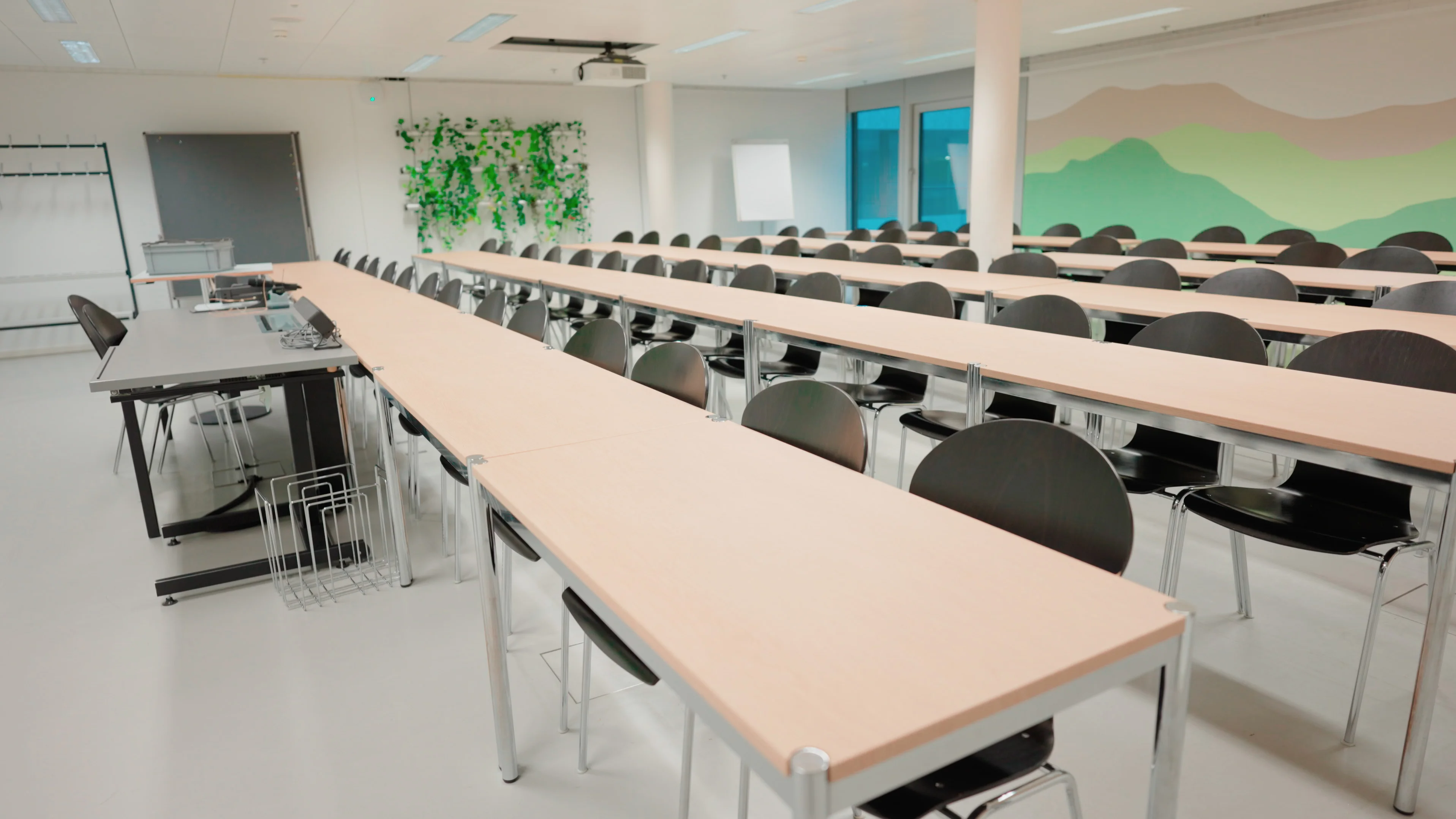
This project is investigating how biophilic design – which incorporates natural elements such as colours, shapes and materials into indoor spaces – can have a positive impact on students’ wellbeing and performance. A key component is the creation of a ‘Green Classroom’ as a prototype at the Toni Areal in Zurich, which is being developed in collaboration with students.
One group of BSc psychology students will use this room for two months, whilst another group will use a conventional room, the ‘Grey Classroom’. The aim is to evaluate the effects of biophilic design on wellbeing and performance and to gather scientific evidence. This knowledge is intended to promote the integration of biophilic elements into teaching spaces and to support sustainability at the university.
In the long term, the project offers a scalable, modular approach that emphasises adaptability and encourages the redesign of further spaces both within and outside the ZHAW.
Project team:
Cathérine Hartmann (ZHAW, Applied Psychology) (Project Lead), Swen Kühne
(ZHAW, Applied Psychology), Riccardo Meier (ZHAW, Applied Psychology), Clara Weber (ZHAW, Life Sciences and Facility Management), Pascale Bebie Gut
(ZHAW, Life Sciences and Facility Management), Martina Guhl (ZHAW, Applied Psychology), ZHAW and ZHdK students
Transformative stories of the future
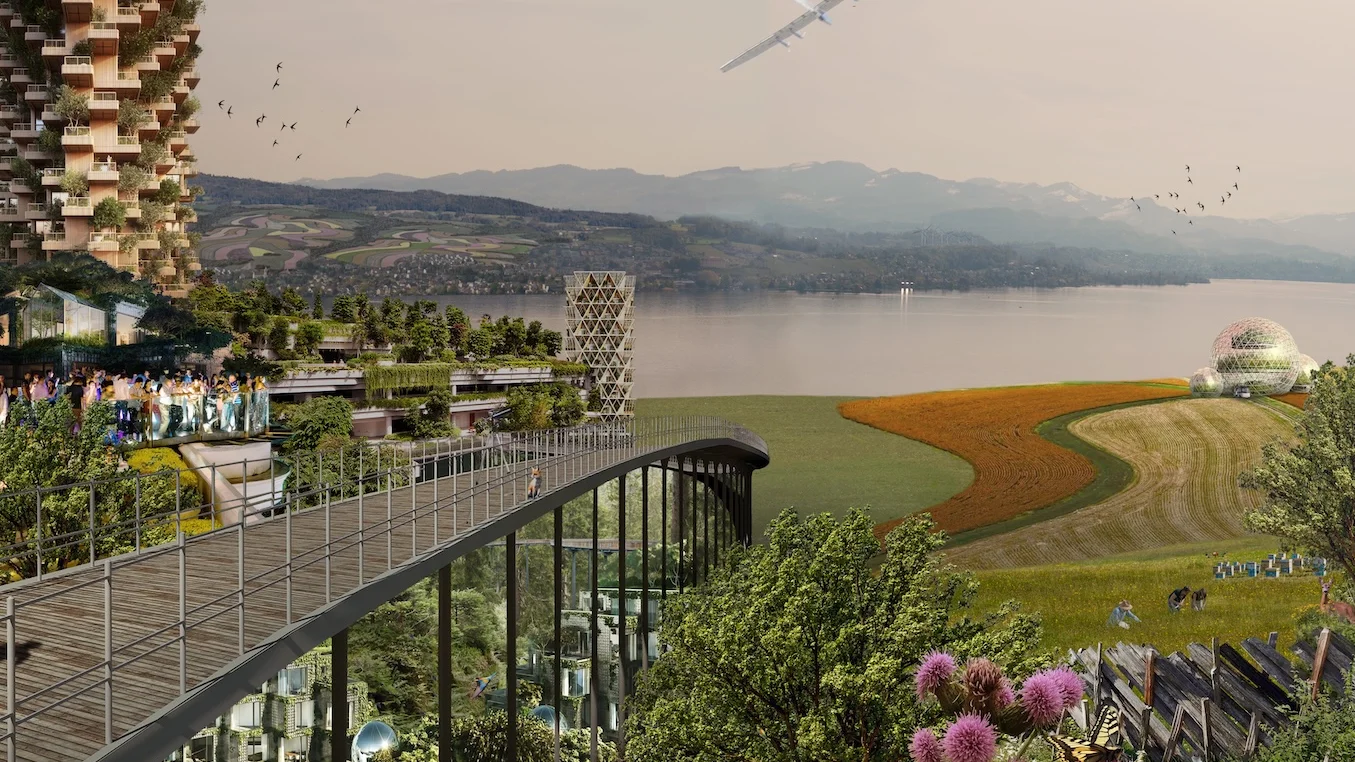
The project aims to overcome young people’s sense of resignation in the face of global challenges and to foster optimism. A ‘Future Lab’ is being set up in the pavilion on the ZHAW Grüental Campus, where young people can translate their values and ideas into positive stories about the future. This process is supported by AI tools that provide creative inspiration for narratives. Participants experience a sense of self-efficacy by realising that their decisions and actions have an impact on the future. Students on the BSc in Environmental Engineering are testing and optimising the lab as part of the ‘Participation and Communication’ module. The methods developed are being further refined for school classes and made available to teachers via a website.
By conveying a sustainable and optimistic vision of the future, the project seeks to increase motivation to engage actively with sustainability, and to promote skills in working with AI and participatory methods.
Project team:
Rahel Skelton (ZHAW, Life Sciences and Facility Management) (Project Lead), Petra Bättig-Frey (ZHAW, LSFM), David Koch (ZHAW, LSFM), Nina Minder (ZHAW, LSFM), Johanna Nachtigall (ZHAW, LSFM), Yvonne Pirchl-Zaugg (ZHAW, LSFM), Meret Radi (Stadtmuseum Aarau)
Play Clay – A Living Lab for sustainable construction in the city of Winterthur
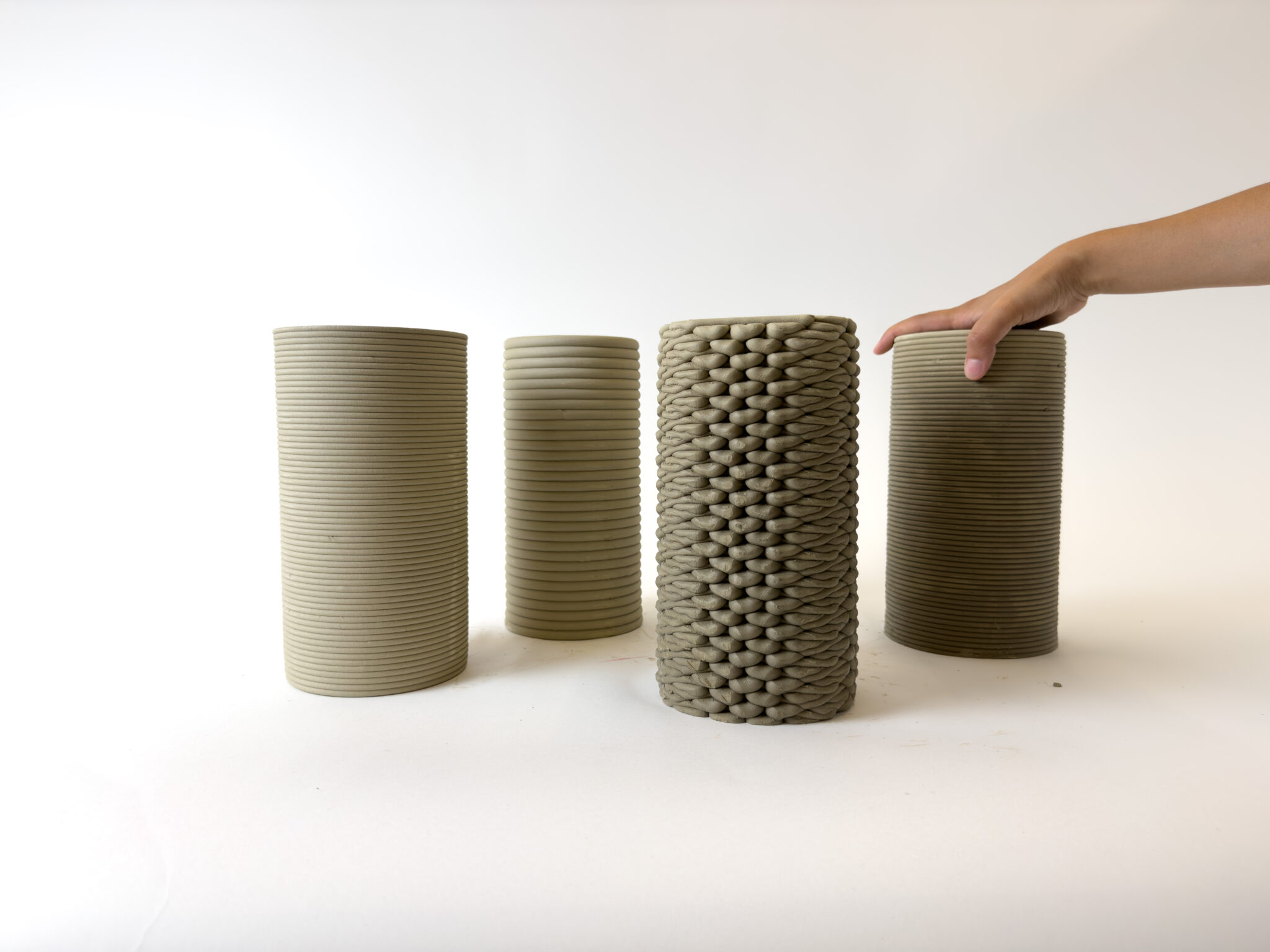
The project aims to create an experimental structure that highlights the potential of digital fabrication for sustainable construction methods and showcases findings from ongoing research projects. The focus is on the use of 3D-printed clay modules in combination with other material systems. This ‘clay space’ will be created in Winterthur as part of the Grüze Innovation Centre, a platform for interdisciplinary exchange. The aim of this pilot project is to enable a broad section of the public to experience the potential of digital design and fabrication processes and the need for resource-efficient construction methods.
What makes this project unique is the opportunity to observe the behaviour of the planned structures over an extended period through a functional building. Among other things, the planned pavilion is intended to serve as noise protection, blend into the surrounding greenery, and offer catering facilities (a coffee kiosk, barbecue area) – thus creating ‘Living Lab’: a building used by the public whilst providing important insights for the further development of the technologies employed. Collaboration with industry partners ensures a practical implementation, with the aim of improving the environmental sustainability of buildings.
Project team:
David Jenny (ZHAW, Architecture, Design and Civil Engineering) (Project Lead), Alexis Ringli (ZHAW, A), Patric Fischli-Borson (ZHAW, A), Yves Ebnöther
(ZHAW, A), Edurne Morales (ZHAW, A), Yasaman Yavaribajestani (ZHAW, A), Selina Schönholzer (ZHAW, A), Martin Joos (Stadt Winterthur), Nora Marty (Stadt Winterthur), Ronja Michels (Stadt Winterthur), Peter Rüttimann (Stadt Winterthur)
Previously funded teaching projects
Get to Know Tomorrow's Public Transport
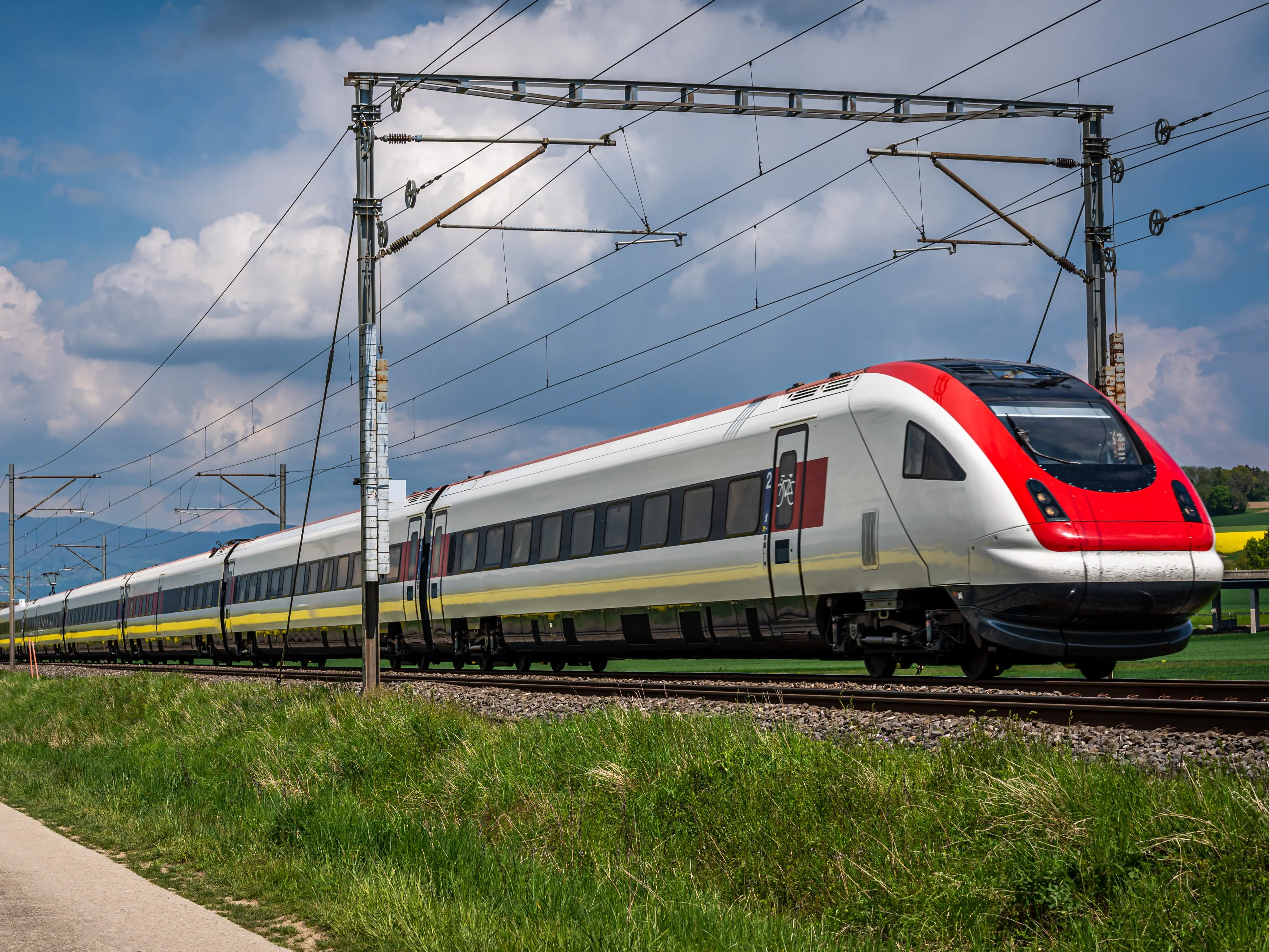
With this project, Valerio de Martinis and his team trained ZHAW lecturers in the use of rail traffic control tools so that such content can be incorporated into the teaching modules. The core of the project consisted of training activities carried out with the support of the Eisenbahnbetriebslabor Schweiz AG (EBL). The project promotes learning opportunities that are directly related to the future professional lives of students and contributes in particular to the sustainable development of mobility in Switzerland by training future professionals in the field of public transport.
Circular Off-Cut Pavillon
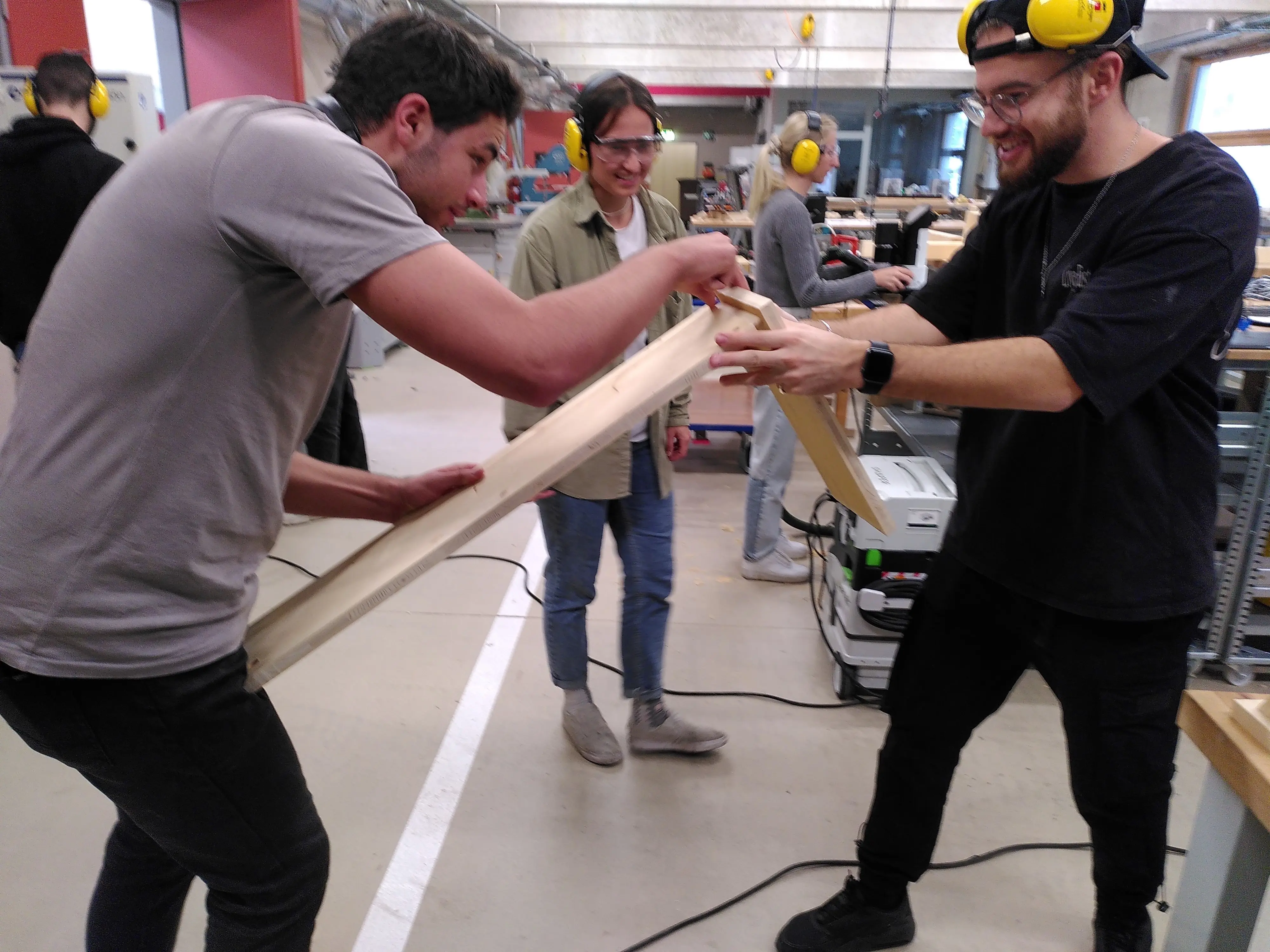
How can recycled materials be used to create high-quality, sustainable structures with the help of digital tools? Students in the elective project ‘Spatial Systems’ in the Bachelor of Architecture are exploring this question in a practical way by designing and building a modular shelving system. They investigated how digital manufacturing processes can be used to precisely process heterogeneous waste materials and developed innovative connection details that are both high-performance and circular. The result is 1:1 prototypes of various spatial systems that demonstrate the potential of digital fabrication in the context of sustainability and convey an idea of how waste materials can be used sustainably in the construction industry.
E-Learning for Agroecological Food Systems
An e-learning course highlights the potential of agroecological transformation to promote social, economic and environmental sustainability at various levels of the food system and in different regions of the world. For non-experts, the 13 principles and holistic approach of agroecology are difficult to grasp at first. Claudia Veith's project aims to make agroecology tangible by complementing the theoretical concept with practical examples. The course ends with a call to action, encouraging participants to get actively involved in changing the way our food systems work.
Future-Proof Ceiling Structures
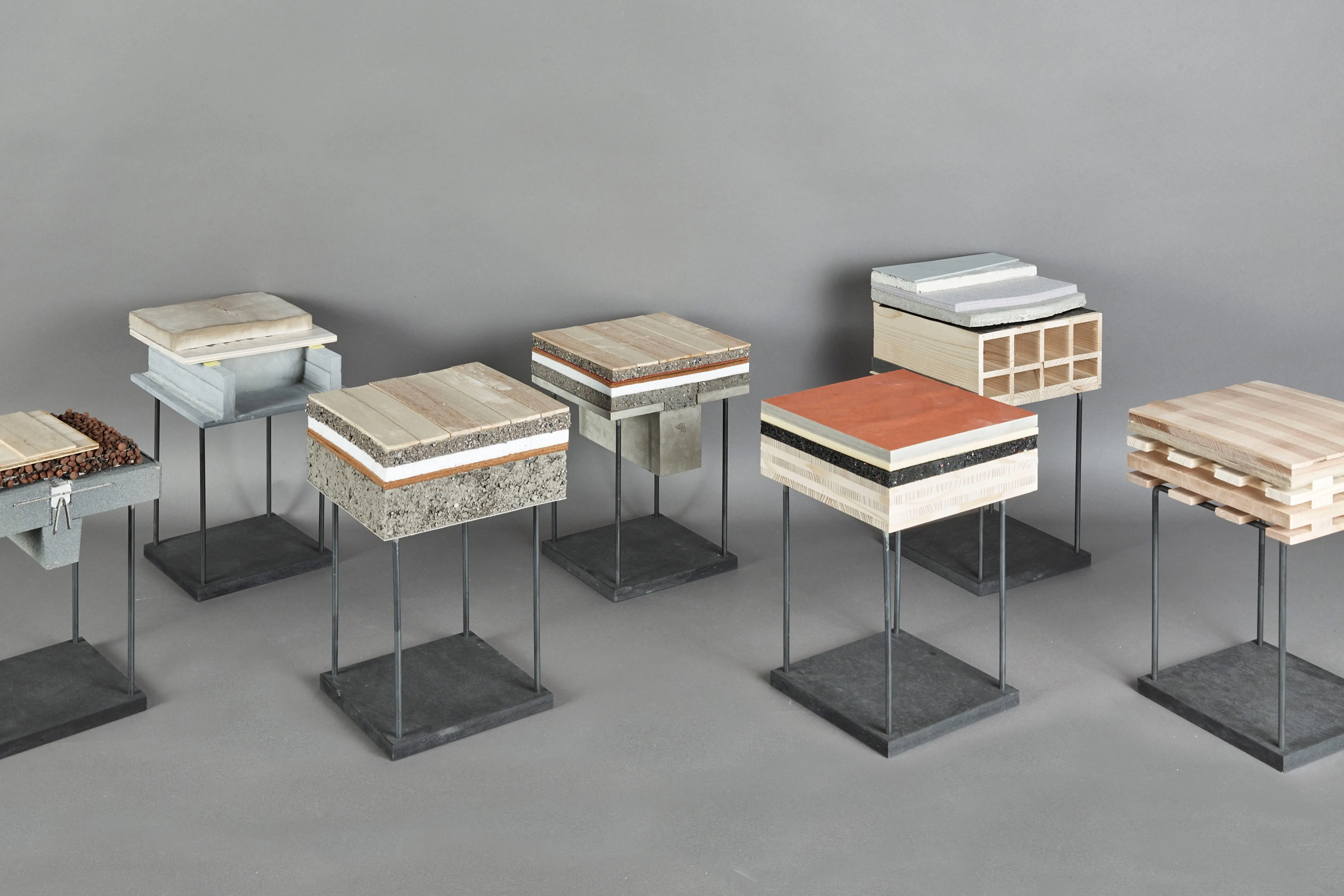
In order to achieve climate targets, the construction sector needs high-performance designs that are optimised in terms of materials and energy consumption. In building construction, floor slabs are the most voluminous and CO2-intensive components. As part of the Constructive Research module, Alexis Ringli, Stefanie Müller De Pedrini and Christian Meier led an analytical investigation of conventional and new systems with regard to specific properties and their life cycle assessment. A holistic view of building construction enables architects to design sustainable structures and thus assume ecological responsibility in building design.
Seed Library

The university libraries at the ZHAW offer seeds from rare plant species, organic vegetables and herbs for visitors to take away or exchange. With the seed library project, Lea Bobst and her team are raising awareness of biodiversity in (urban) living spaces, promoting responsible use of resources and supporting knowledge transfer through a tangible product. The seed library ties in with existing teaching and research topics at the ZHAW, but presents the content in an accessible way with a do-it-yourself brochure and based on the library's service principle - with seeds available to borrow and later return.
Living Lab for the Mechanical Engineering Project Track
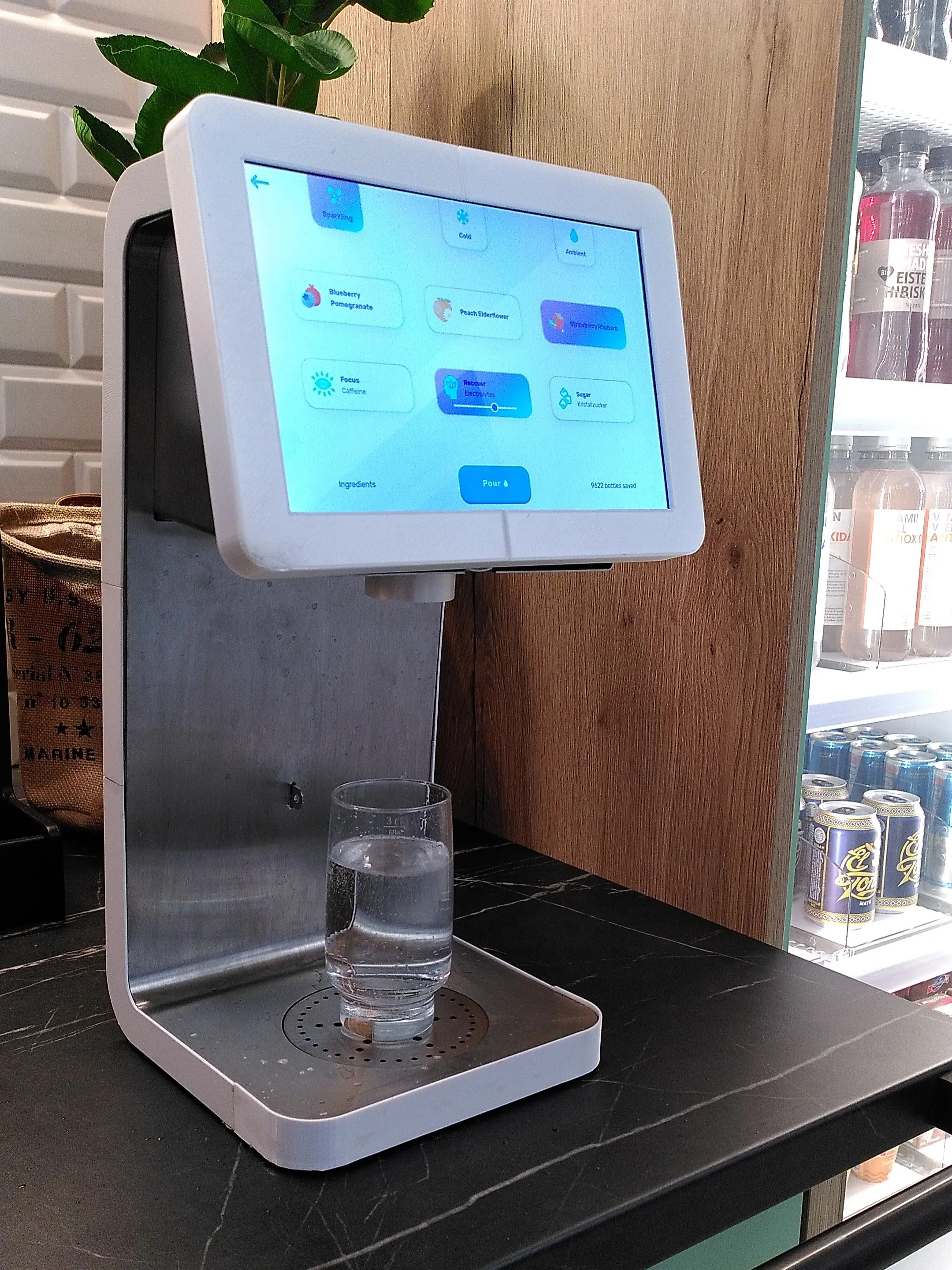
In the so-called ‘project track’ of the Mechanical Engineering programme, the topics of sustainability and circular economy are taught using a new learning programme and infrastructure. Project manager Adrian Fassbind is conducting a Living Lab with students that covers all essential aspects of sustainable mechatronic product development. To this end, the beverage dispenser from the start-up Wonderfill (previously fountain) was used as a case study, taking into account as many sustainability aspects as possible.
Honey as a Model of the Food System
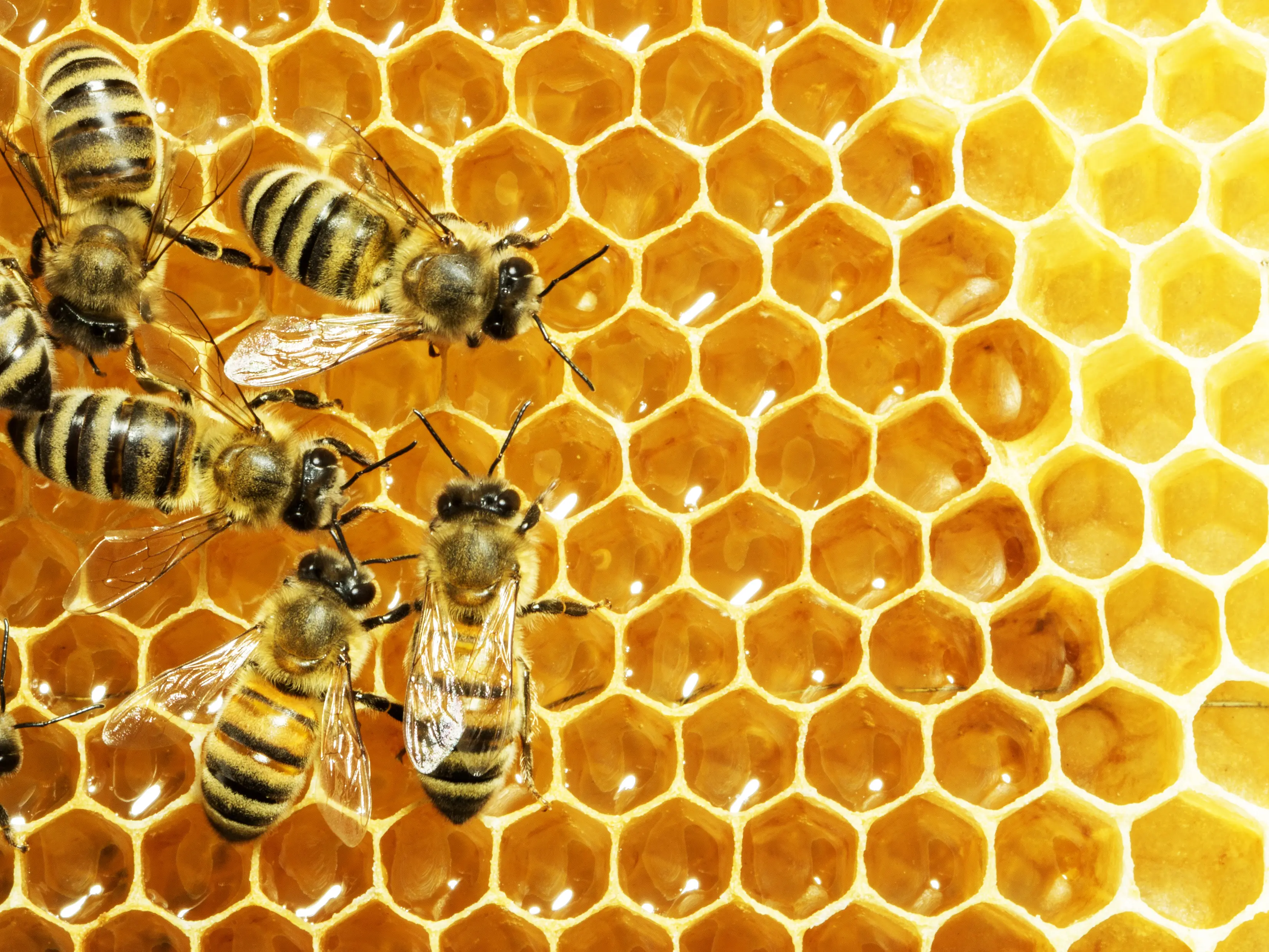
The EduBee project combines practical learning with sustainable challenges for students of Food Science. The focus is on honey production and the crucial role bees play in ecosystems, sustainability and health. Christine Brombach's project integrates science, health and sustainability education into a total of four modules. EduBee not only imparts knowledge about sustainable food production and biodiversity, but also makes an important contribution to the SDGs by highlighting the impact of education on the environment and health, the food system and agriculture.
Sustainacracy – Direct Democracy in Higher Education
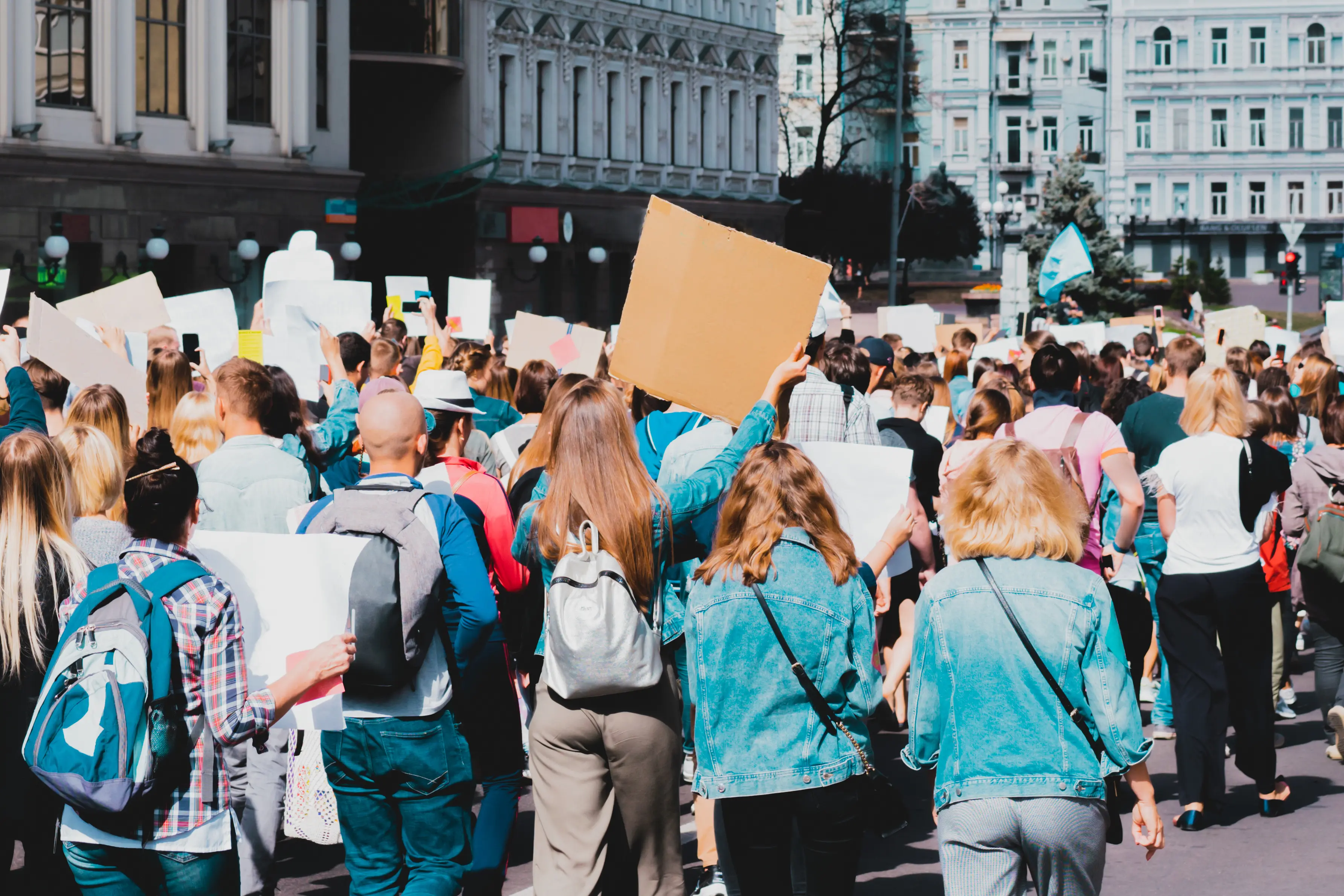
With this project, Isabelle Wrase and Zifei Wang-Speiser promote social sustainability in the MSc Real Estate & Facility Management (MSc REFM) programme by enabling students to actively participate in the model of direct democracy in Switzerland. To this end, students form a student government that represents their interests in the MSc REFM. In addition, all students can actively participate in shaping their studies through initiatives, votes and referendums. This active participation strengthens social cohesion, identification with the programme, equality and student engagement.
Sustainable Software Development
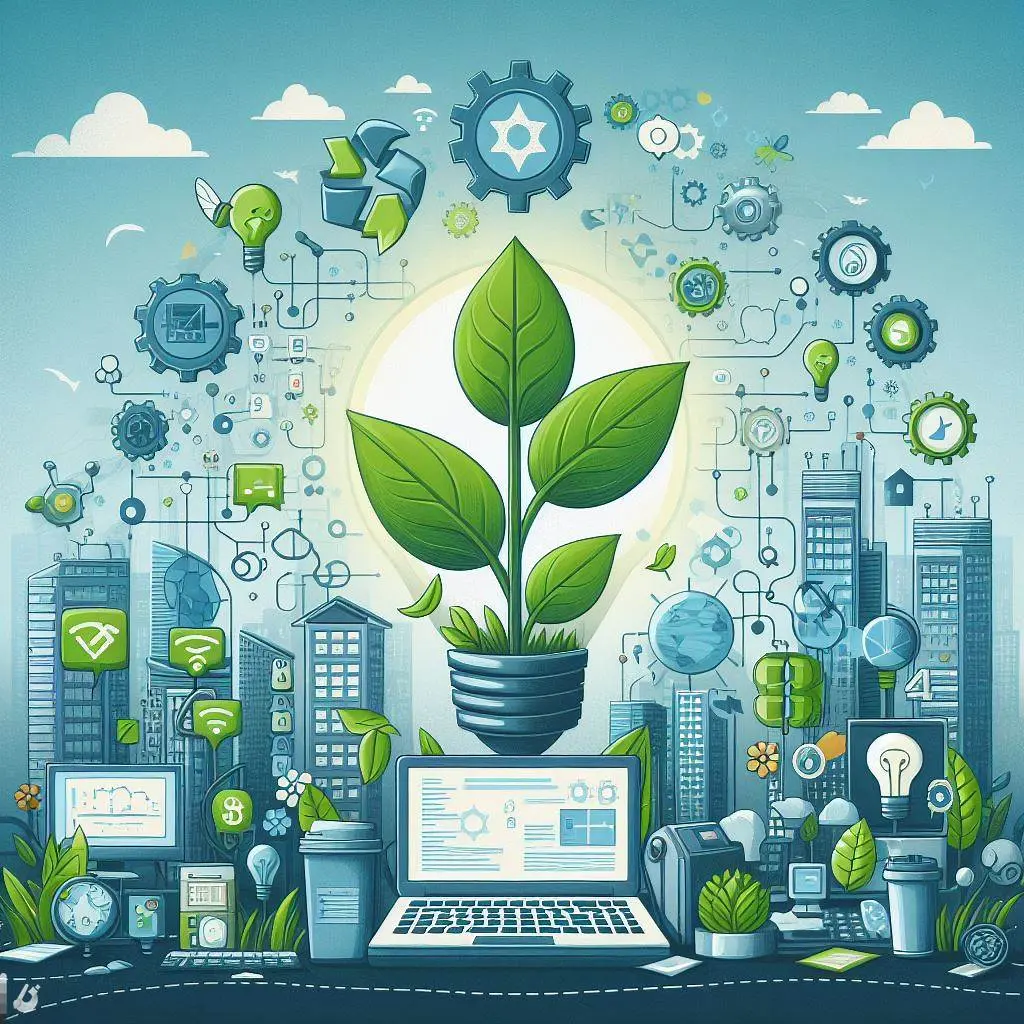
After graduating, computer science students often go on to develop digital products and services with a responsibility to ensure the sustainability of the softwares they develop. To support students in understanding the impact of their work, Michael Wahler is working with other lecturers to develop teaching content that raises students' awareness of sustainability in software development and provides them with the specific tools and methods to create sustainable solutions. This teaching content will be integrated into several modules of the Bachelor's programme in Computer Science.
→ More about the project: Outcomes, lessons learned and recommendations (PDF 563 kB)
Legumes from the Field to the Pot

In the gardens on the Campus Grüental, the ‘grassland’ will be expanded to include the topic of protein transition. New plants will be integrated to demonstrate the importance of legumes for sustainable nutrition and the reduction of animal products. The expansion is being developed by Rahel Skelteon, in collaboration with students from the Staged Natural Spaces (Inszenierte Naturräume) module, and will be used as a practical teaching element. In addition, the new content will be integrated into existing school tours and audio guides. This will make the protein transition tangible and promote a deeper understanding of sustainable nutrition.
Sustainability through Sharing and Co-creating as part of the Curriculum
In this cooperation project between Nils Ratnaweera's team from the Geoinformatics research group and the OER team from the university library, existing scripts and teaching materials are being further developed on GitHub together with students and published as OER Open Educational Resources. Students' projects on environmental sustainability topics will also be developed using open-source tools and made available as OER under open licences. Students become co-developers in the seminar, they are trained in dealing with open education and open source and play a significant role in the design of materials for teaching. This allows them to participate in the open exchange of knowledge on sustainability topics while they are still studying. In order to make the project scalable and stimulate exchange among lecturers, training courses are also organised on the effective use of open-source tools in teaching.
EcoUrbanism Elective

Liveable and sustainable cities require experts with empathy for all project participants. Interdisciplinary collaboration for sustainable urban development - this is the core of the joint module EcoUrbanism of the two departments of Architecture, Design & Civil Engineering and Life Sciences and Facility Management. In the search for synergies between the city and nature, planners repeatedly come up against boundaries, be they, e.g., disciplinary, linguistic or cultural. The aim of the module is therefore to teach students integral planning and to promote systemic and critical thinking. Joint excursions, exchange in mixed groups and interdisciplinary discussions are intended to strengthen dialogue and interdisciplinary exchange in the long term.
BioMat Summer School
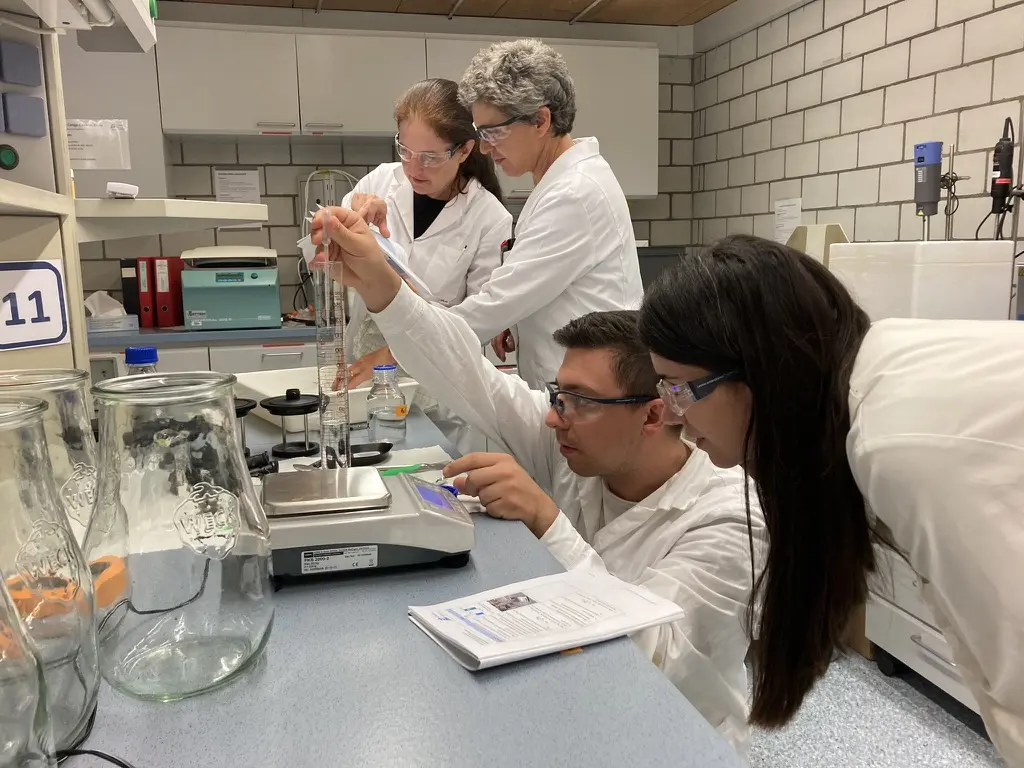
As part of the BioMat Summer School, Bachelor's and Master's students from various natural science courses have the opportunity to approach the topic of bio-based materials in a practical way for ten days. The entire life cycle of materials up to recycling is examined in seven practical courses and supplemented by inputs from experts from research and industry. In addition to an introduction to writing one's own research proposals, social activities are also planned to enable networking and a lively learning atmosphere at the Department of Life Sciences and Facility Management.
Sustainable investing training platform

Using a training platform, Martin Schnauss and Laura Archer aim to help their Banking and Finance students understand what sustainable investing means. The recent climate catastrophes demonstrate how important it is to financially support projects that preserve habitats and secure sustainable communities. For this, the team of the School of Management and Law is cooperating with the Swiss stock exchange SIX. Together, a concept is being developed for the didactic further development and use of the SIX teaching platform to enable optimal training in sustainable investing. The focus here will be on the selection and combination of sustainable financial investments.
Sustainability in Computer Science Studies

In computer science study programmes, the focus is usually on technical aspects. In his teaching project, Josef Spillner uses the example of a public transport trip planner to teach students how to create socially relevant software services that are both autonomous and resilient as well as computationally efficient. Integrated into an elective module, the students encounter topics such as 'Green IT' and service resilience. Furthermore, a trip to a regional application operator and several short guest lectures on the topic of 'SDGs 9 and 12 in the IT context' are also part of this project.
Tours against Food Waste
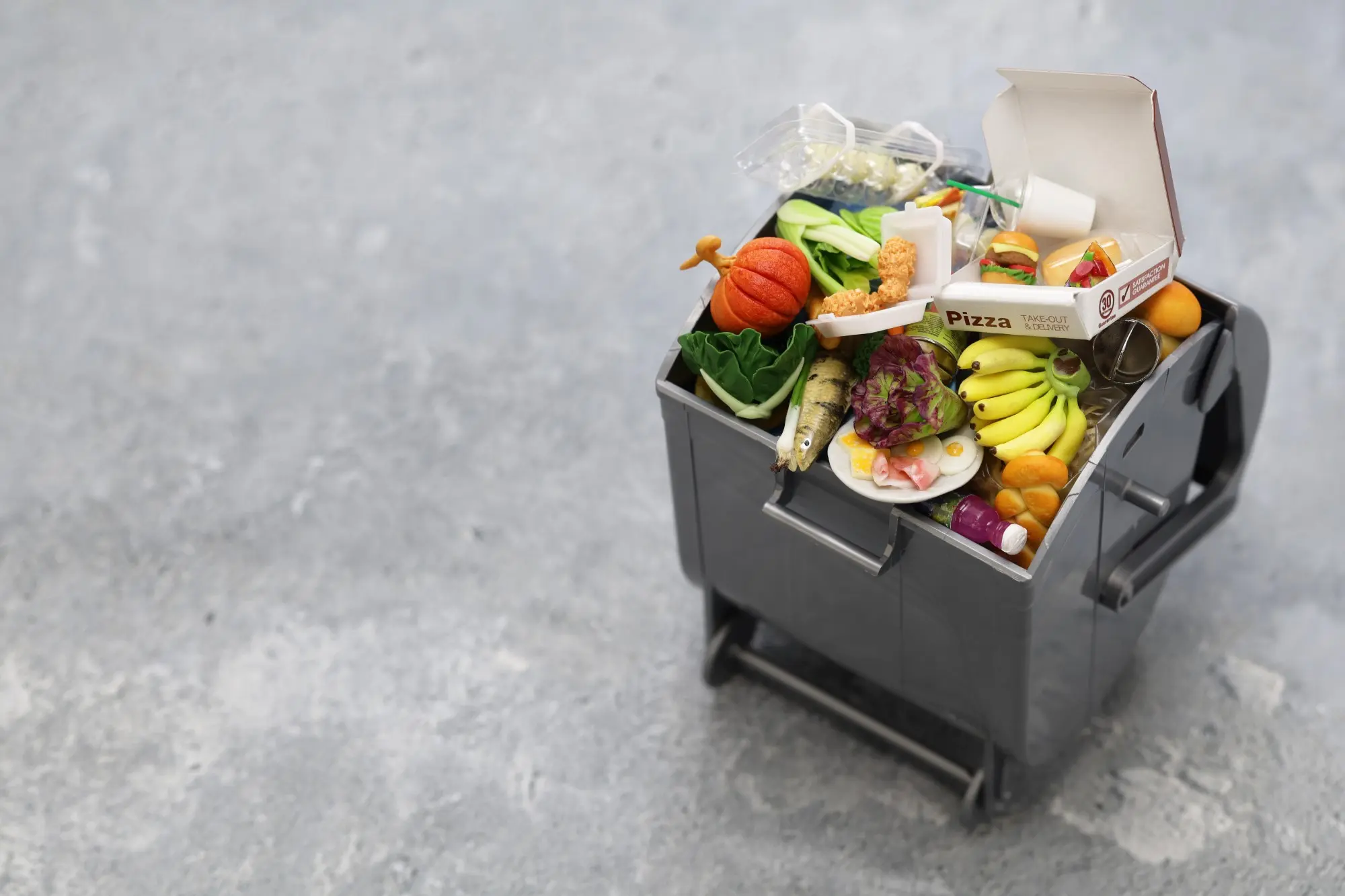
Claudio Beretta's project plans food waste tours with an interactive walk through the foodwaste.ch exhibition. Initially, they will be conducted on a mobile basis at schools, and starting at the end of 2023 they can also be visited on site in the new RD building at the ZHAW in Wädenswil. The tour provides pupils, students and other future decision-makers and consumers with awareness and know-how on how to avoid food waste. Participants also learn about practical food production from by-products. The project aims to reach around 20 school classes or groups, i.e. around 400 to 600 participants, by the beginning of 2024.
Circular Economy in Student Papers
In his teaching project, Jens Baier wants to introduce the students of the School of Engineering to ecological sustainability and in particular the topic of the circular economy. Every student project supervised at the Centre for Product and Process Development should also deal with the topic of the circular economy. The possibilities are many, but the effects are often unclear. Is a different material needed? Are eco-design principles taken into account? Is an alternative business model needed and how can the impacts actually be assessed? The project serves to develop a guideline to facilitate the discussion of the topic of circular economy in student work.
Making Sustainability Knowledge Accessible

The project "Students 4 OER" by Nicole Krüger and the OER team of the university library introduced students to the practice of publishing OER - Open Educational Resources. As motivation, prices for the creation of high-quality OER were announced with the requirement that the OER have a connection to the UN Sustainable Development Goals. By publishing OER on a sustainability topic, students have the chance to contribute to equal opportunities in education. In addition, they can become part of to the public dialogue with their perspective and how they prepare knowledge, thus increasing the diversity of existing teaching materials on their topic.
Strengthening Traditional Handicrafts in Europe and Beyond
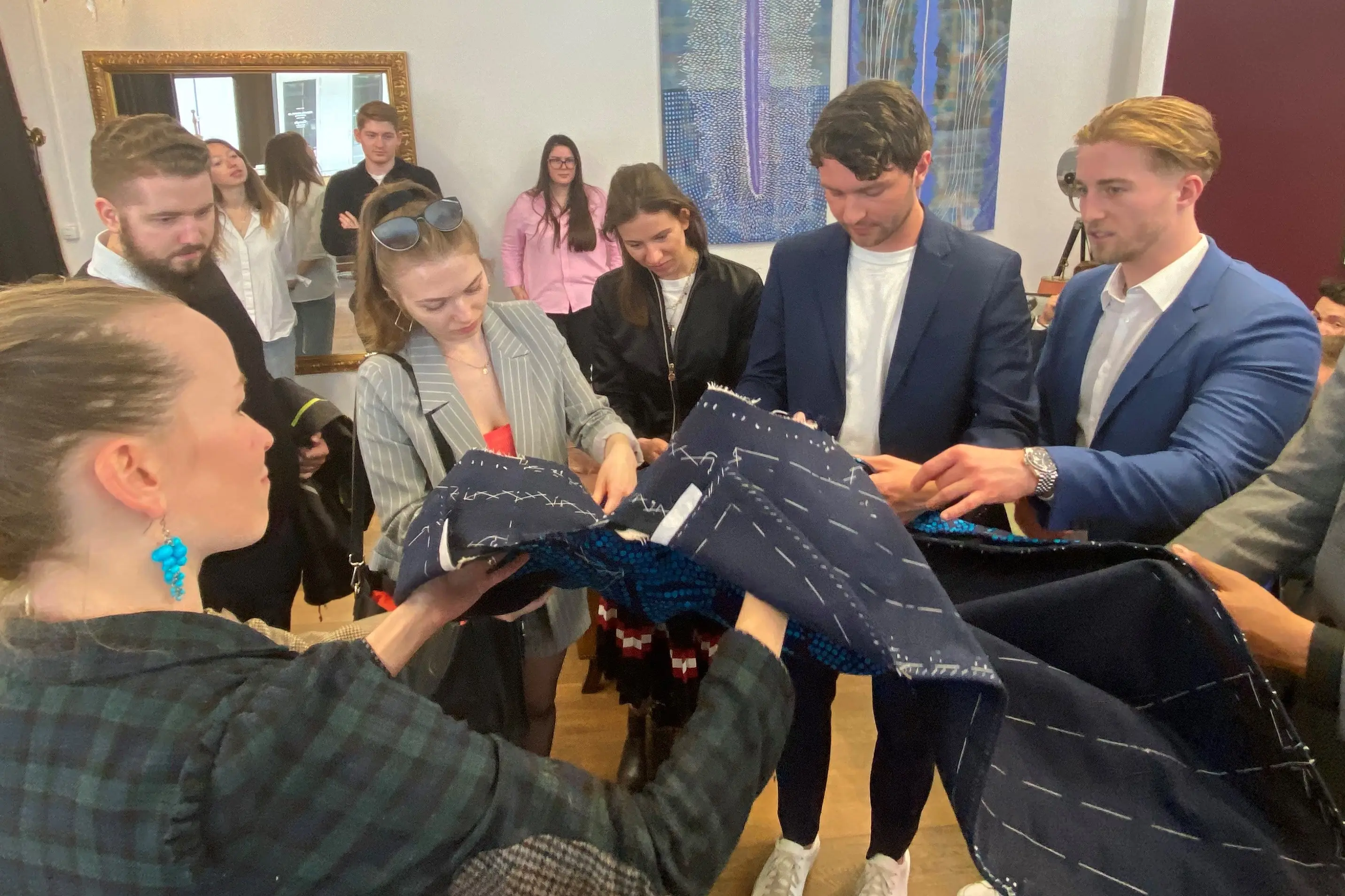
Whether it's haute couture in Paris, leather studios in Italy or watchmaking in Switzerland - craftsmanship is deeply rooted in Europe and provides a livelihood for many people even beyond the continent. But craft traditions do not have it easy in an increasingly fast-paced and technologised world. With the help of his teaching project, Fabio Duma wants to contribute to raising awareness and finding interdisciplinary solutions. As part of a module in the Master's programme in International Business, students learn about the current and future significance of handicrafts in an international market and, as potential future managers, deal with the challenges and opportunities of handicraft professionals.
Getting ready for International Climate Negotiations

In the International Virtual Course "Tackling Climate Change through Global Learning" with partners in Brazil, India and Kenya, project leader Claudia Veith and her team train students to become global change agents who contribute to sustainable development with their skills. With the support of the SIP, the course is being expanded to include the aspect of "Climate Negotiations". The aim is for the students to develop an understanding of the different negotiating positions by participating countries and to experience the challenges but also the opportunities of international climate negotiations. Each year, at least 50 students and ten coaches thus expand their expertise and build up sought-after methodological and social skills through this international practical experience.
Previously funded research projects
Diversity Climate Among Students

Aligned with SDGs 4, 5 and 8, this project focuses on how students perceive and experience diversity at the ZHAW and the associated resources and measures taken by the ZHAW in the area of diversity. To support the Diversity Commission, Grégoire Bollmann and his team are conducting a monitoring exercise covering at least five departments at the ZHAW. This survey aims to document the diversity of students and their subjective experiences of support and discrimination during their studies at the ZHAW.
(At Least) 31 days Without Using the Car

The cooperative “42hacks” and the city of Winterthur conducted an experiment in which they asked 1'000 city residents to give up their private cars for a month and instead try out public transport, e-bikes and car sharing free of charge. The aim was to convince participants to sell their cars at the end of the experiment. As part of this project, Nadine Klopfenstein and Julia Grundisch have evaluated the participants' motives, mobility behaviour and the everyday obstacles to sustainable mobility, communication and the decision-making process during the experiment.
Stronger Support for Families
The aim of Anja Pfister's project is to strengthen the mental health of parents and children in the long term and to promote an inclusive community. Support services for families experiencing mental health issues during the perinatal period in Winterthur are to be developed and networked. A participatory research approach was used to identify needs, develop a concept and implement it through a pilot project. An interdisciplinary team is cooperating with local organisations and affected families to develop innovative solutions.
School Communication with Foreign-Language Speaking Parents and Guardians
The basis for good cooperation between school and home is a functioning exchange. Language barriers, intercultural hurdles or a lack of media competence can make communication between schools and foreign-language parents and guardians difficult. The research project led by Nicole Rosenberger Staub and Caroline Lehr thus seeks to contribute to more equal opportunities in the school system: Based on guideline interviews with different stakeholder groups, fields of action shall be identified that are relevant for the further development of communication. For this purpose, the interdisciplinary project team from the departments of Applied Linguistics and Social Work is working closely with two QUIMs schools. This allows the findings to flow directly into practice.
Optimising Biological Fertiliser
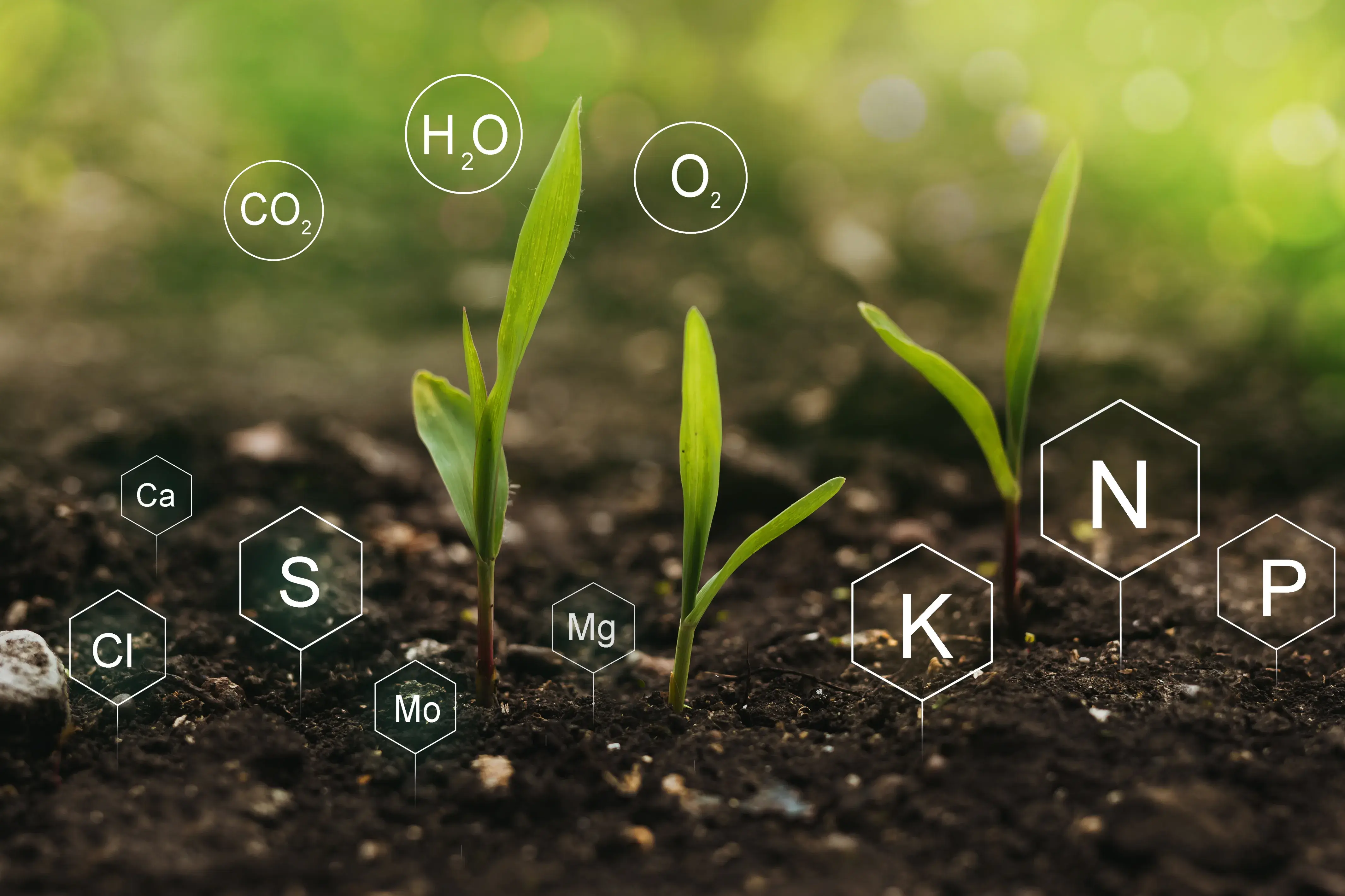
Nitrogen is a greenhouse gas and is often used in agriculture for fertilising. So far, synthetic fertilisers have often been the first choice, as biological fertilisers are not directly absorbed by the plants. The use of biological fertiliser leads to planning uncertainties, which in turn result in additional use of fertiliser and thus higher emissions. To optimise the use of organic fertiliser as a more environmentally friendly alternative, Martin Schüle and Adrian Rutzer, Institute for Computational Life Sciences (ICLS), are investigating complex plant-soil models to determine which nutrients are available to the plant and when. This is a first step towards the development of models with computational and data-driven methods that enable the estimation of the optimal nutrient content.
Social Entrepreneurship in Switzerland at a Glance
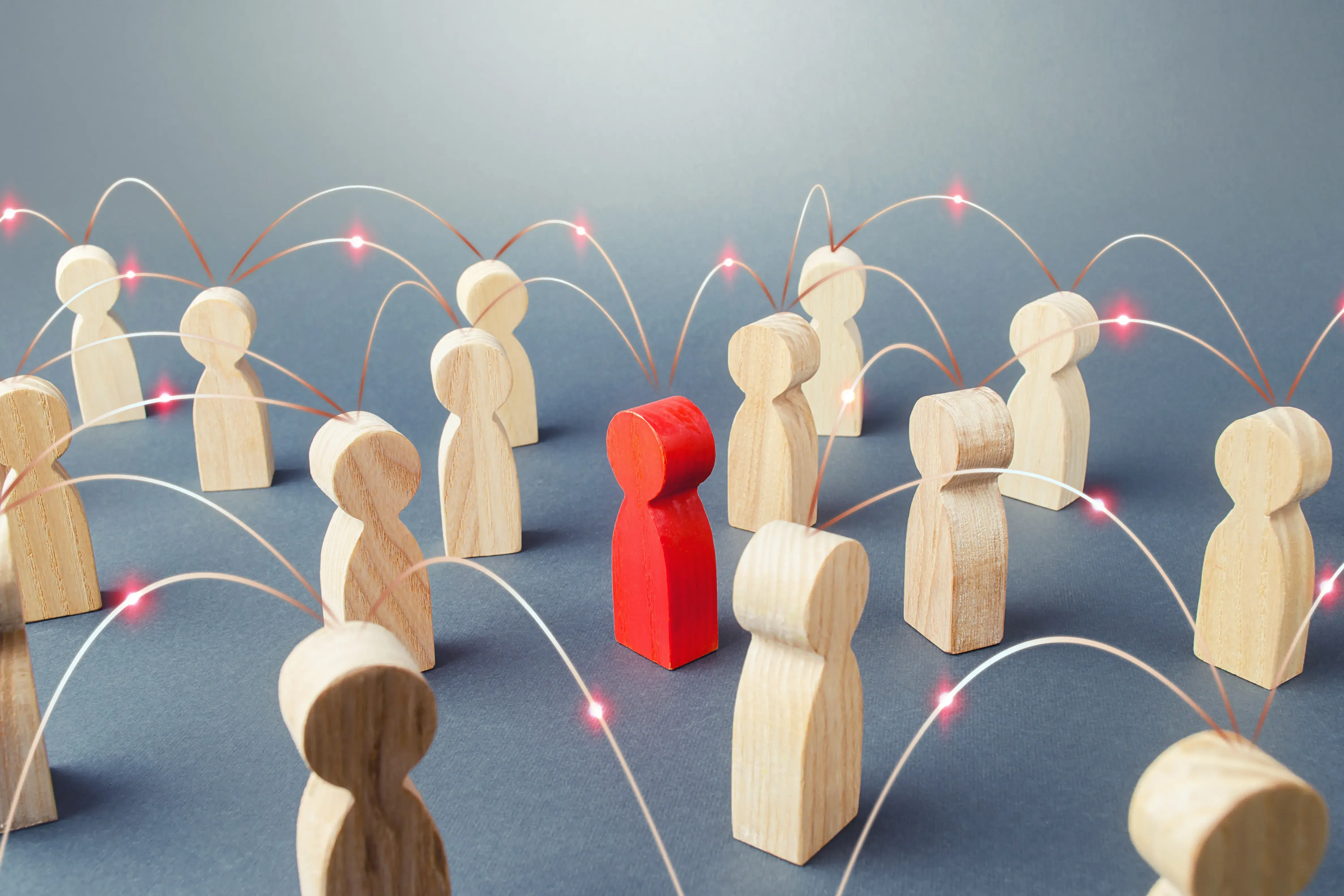
For social and impact entrepreneurs, access to networks and resources is crucial to realise their potential for innovative project ideas. This is the starting point for the new research project by Richard Bläse and Matthias Filser. With the help of a virtual map, the most important support services and key players in the field of social entrepreneurship in Switzerland are made visible. The methodical, two-stage approach aims to identify the core needs of social entrepreneurs and overcome barriers to innovation. This helps to sustainably anchor and promote social entrepreneurship at the ZHAW and in Switzerland.
Simultaneous Production of Tea and Electricity

Agrivoltaic (APV) is a method to produce both solar power and agricultural products on the same patch of land. So far, life cycle assessments to evaluate the environmental impact have only been based on existing APV installations. In his project "Green!Tea", Grégoire Meylan is conducting a prospective LCA to identify environmental hotspots and improvement potentials of APV for green tea production in Vietnam. Green tea is a promising crop for APV because it requires shading. APV can increase the quality of tea in an economically efficient way and improve the livelihoods of farming families.
Climate Duel 2.0
After the Department of Life Sciences & Facility Management competed in a climate duel with another university in 2021, Linda Burkhalter and David Koch and their project team are scaling the project to the entire ZHAW. The aim of the Climate Duel 2.0 competition is to motivate university members to adopt climate-friendly behaviour in a fun way. The pilot of the climate duel has shown that gamification is an effective approach to motivating university members to adopt sustainable behaviour. During the initial implementation, around 2.3 tonnes of CO2 were saved together with the "opponent" - the Eberswalde University of Applied Sciences. For the ZHAW-wide climate duel, the project team is developing corresponding challenges and will followingly examine their effectiveness
Machine Translation Assistance in Times of Crisis

In her project, Alice Delorme Benites explores how machine translation tools can be used to communicate with refugees. Providing services to newly arrived refugees is a linguistic challenge for public administrators, NGOs and educators. Interpreters are not always available for all languages. Although machine translation is free and efficient for European languages, it is not available or of lower quality for less common languages. In cooperation with native speakers, Benites is investigating which systems and device configurations are particularly suitable for written (email) and oral communication in different settings. The analysis includes criteria of quality, data protection and usability.
Developing Sustainable Packaging
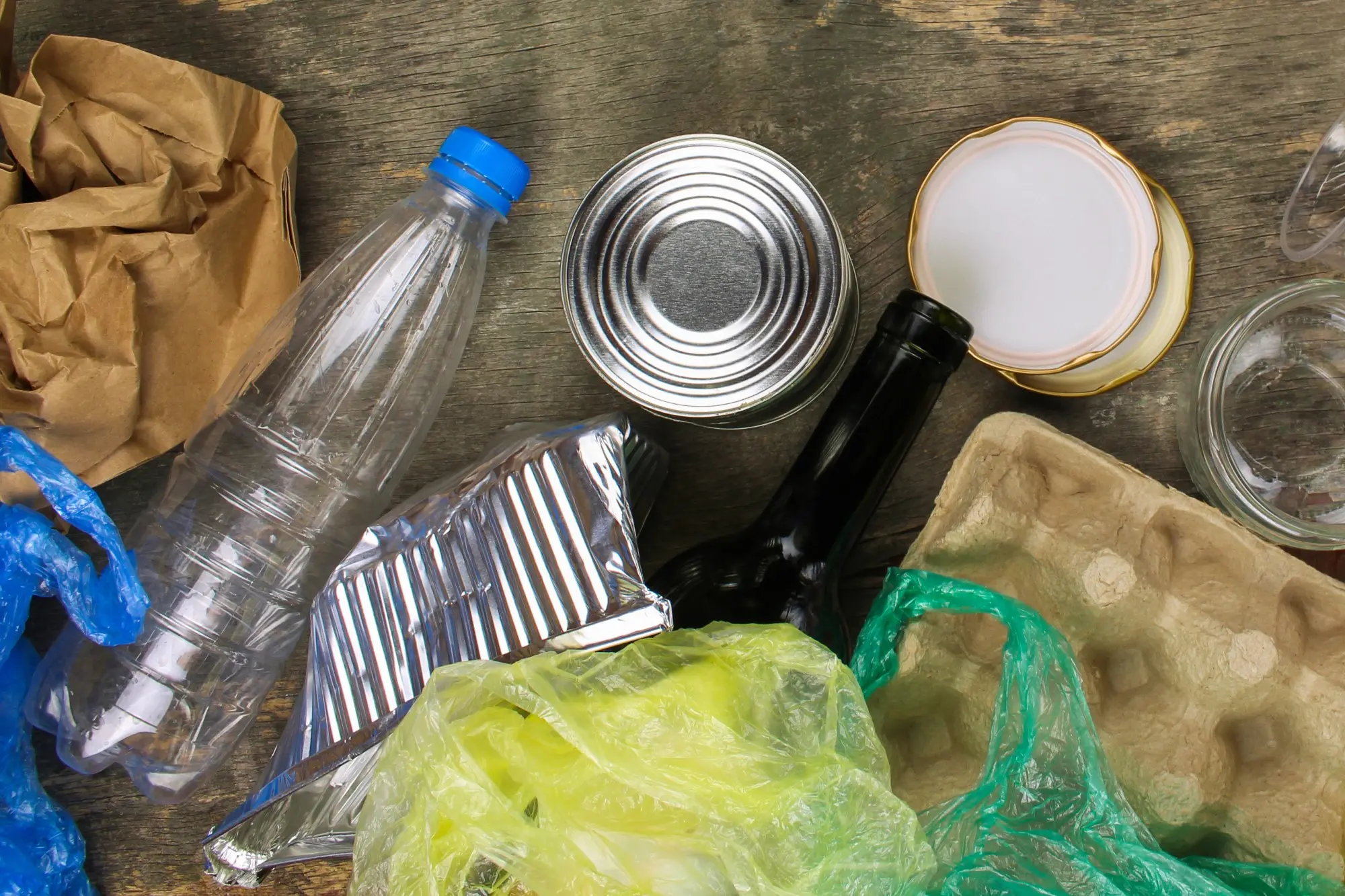
Packaging causes CO2 emissions and environmental pollution. Sustainable packaging should nevertheless fulfil all functions required for the product, be safe for people and the environment, but also sell the product in an appealing way. In order to meet all these expectations, an interdisciplinary approach is necessary. This is exactly what Selçuk Yildirim is pursuing with his project, which he is carrying out together with students. In the project, he combines sustainable packaging material and process development activities from his food packaging research group with the design expertise of the ZHdK and the communication expertise of the ZHAW's environmental psychology group.
High Protein Foods Database

In her project, Claudia Müller is developing a database that enables students and researchers to compare high-protein foods with respect to various sustainability aspects. This will help to identify which products can contribute to a more sustainable protein supply for the population and to what extent. The knowledge of a wide range of people can flow into the database and be made available to future generations of students and employees. The aim is to create a continuously growing collection of reference material that contains the latest findings on the topic of protein sources.
Nudging with Beekeeper Tool

Nadine Klopfenstein's project aims to promote sustainability in the work behaviour of employees at the ZHAW Department of Applied Linguistics. To achieve this, brief information, tips and surveys are to be communicated via the interactive, digital communication channel Beekeeper. Employees are thus encouraged to make their working lives more sustainable and to participate in building a community. The project will be scientifically evaluated to provide research-based evidence on whether this digital nudging leads to more sustainable employee behaviour. The evaluation will also provide new insights into possible scalability for the entire ZHAW.
Mobile Inclusion Lab (MobILe)
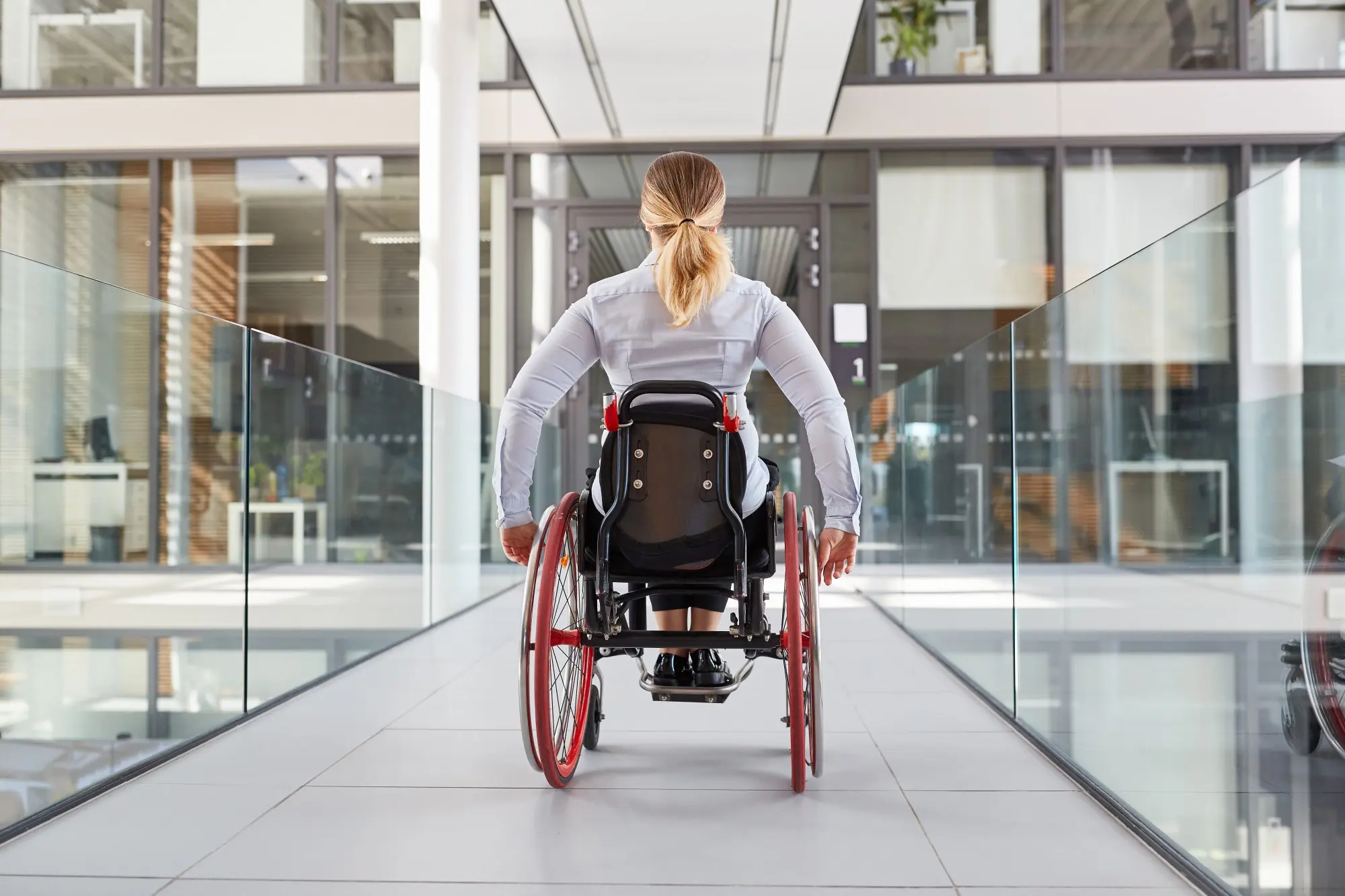
As part of the project funding, the Real-Lab MobILE is built. It aims to enable the experimental development of sustainable rehabilitation and assistive technologies for people with disabilities. The project team, led by Martina Spiess, provides a toolkit of hardware and software, including 3D printing, sensors, motors and human-computer interfaces. Furthermore, it offers teaching and technical support. Through joint interprofessional research and knowledge transfer with researchers and students, the project promotes a culture of developing sustainable, inclusive and human-centred solutions.
Promoting Sustainability Reporting for SMEs
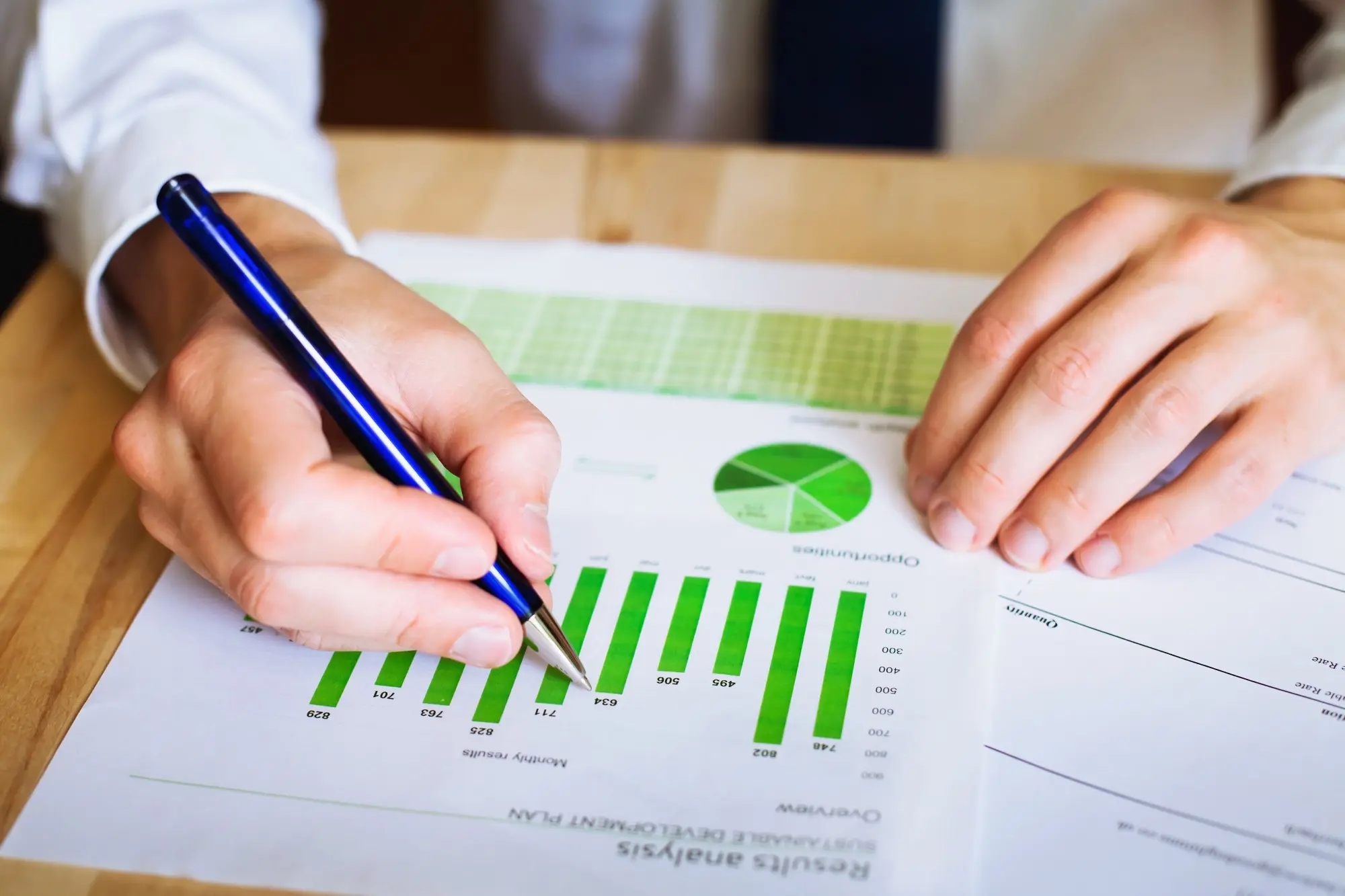
With the development of a "Swiss Non-Financial Reporting Standard" (SNFRS), the Institute for Financial Management under the direction of Gabriela Nagel wanted to create a concrete orientation framework, especially for SMEs, in order to create up-to-date, meaningful sustainability reports. The anticipated solution is based on existing international regulations, which are broken down as simply as possible to Swiss conditions. The criteria of measurability, comparability, upward and downward compatibility were to be observed.
«earth to earth» project

The construction industry generates a lot of waste and emissions. Digital fabrication methods in combination with the use of alternative building materials offer great potential for the development of more sustainable constructions. However, in order for industry to adopt these innovative systems, their technological maturity must be demonstrated through applied demonstration projects. David Jenny from the Centre for Building Technology and Processes is introducing a new hybrid research and teaching format with his "earth to earth" project. In cooperation with other universities and industry partners, workshops are held annually to apply current research findings on sustainable building methods to a real design and construction project, thus promoting the acceptance of industry and architectural practice for the implementation of new technologies.