Bridging the gap between innovative ideas and practice
The ZHAW’s Social Entrepreneurship Lab supports students, alumni and staff of the School of Social Work in turning their initiatives into practical initiatives.
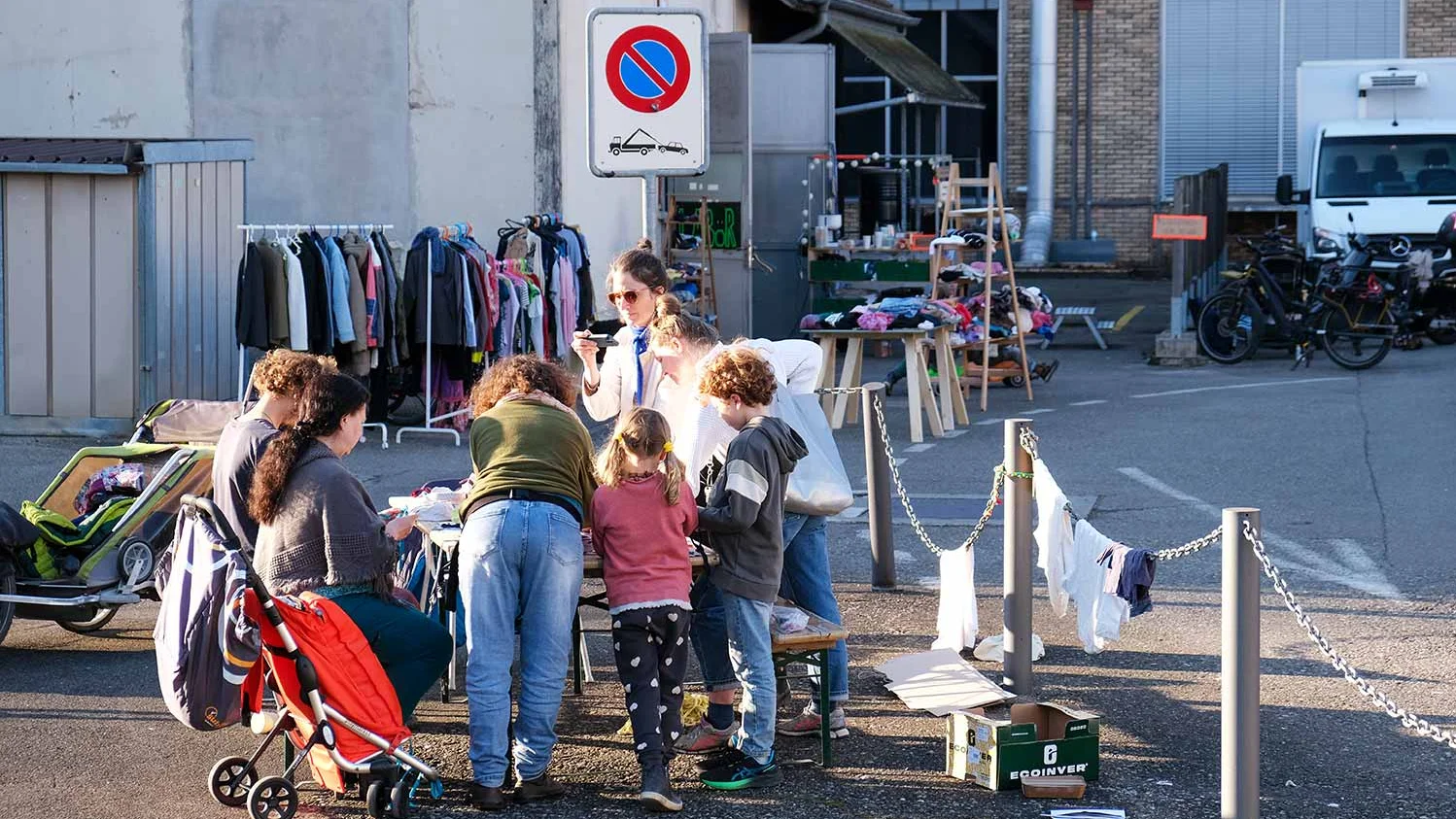
Since 2025, four initiatives supported by the Social Entrepreneurship Lab have been working to promote social participation. Three of these associations – Stereo, Kanzbi and Labör – create spaces where young people and local residents can meet and connect. The fourth, KulturBrücke Autismus, advises cultural institutions on organising and designing programmes for people on the autism spectrum. “The projects pursue core values we teach at the School of Social Work,” says Amanda Felber, head of the support programme. According to Felber, the initiatives aim to generate positive social or cultural impact. They seek to create lasting change while actively involving their target groups. Funding criteria also include project leader autonomy and a non-profit orientation.
Founded in 2022 and funded by a Zurich-based foundation (Förderstiftung für Soziale Arbeit Zürich), the Social Entrepreneurship Lab has already supported seven initiatives. All were initiated by students, alumni or lecturers at the ZHAW School of Social Work.
Connecting academia with practice
“The Social Entrepreneurship Lab helps people become active and pursue their vision,” says Felber. As a first step, she supports project teams in preparing funding applications. If a project is approved, she can bring in additional experts from the School of Social Work to provide advice and support. “An idea must fit into existing structures and also be economically viable,” the project manager emphasises. For this reason, a careful analysis of existing programmes is essential. Amanda Felber can imagine collaborating more intensively with colleagues from other ZHAW schools in the future. She would also welcome closer collaboration between different higher education institutions. “Regardless of location, we share the same goal. Our aim is to bridge the gap between academia and practice and to implement ideas that address a genuine need,” she says.