ZHAW Sustainability Day 2026
On 14 April 2026, the seventh edition of ZHAW Sustainability Day took place in Winterthur. The event focused on exploring the social implications of Net Zero, examined from various perspectives and formats.

The ZHAW Sustainability Day is an annual event that fosters exchange between students, faculty, and industry partners, placing current sustainability issues at the forefront.
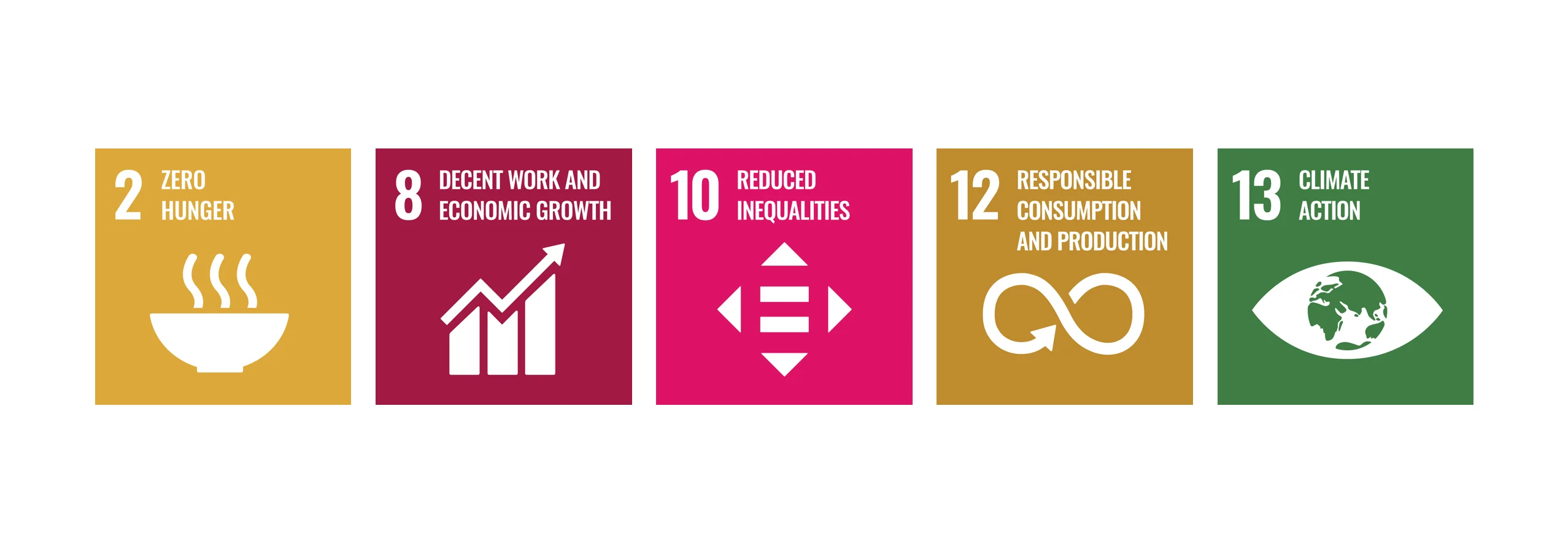
This edition centred on the guiding question "Net Zero, Fair Future?" which shaped the discussions, with particular reference to the following Sustainable Development Goals (SDGs):
Sustainability Day 2026 Team
The event was planned and organised by the following students: Vania da Cruz Pinto, Joana Frey, Sabrina Gschwend, Jeeviga Karunakaran, Manon Lankkamp, Merlinda Lloqanaj, Mansan Maniyamparayil, Sina Martinez, Livia Steinkellner, Samira Suter as part of the ‘Sustainability Mindset I’ module, and David Csanádi, Laura Feusi, Nadja Lautenschlager, Nina Pfister, Miles Pinel and Jennifer Zeller as part of the ‘Sustainability Mindset II’ module at the ZHAW School of Management and Law.
In addition, the organisation and running of the event were supported by a team of 14 volunteers.
→ Read the interview with some of the organising students (in German)
A programme with diverse perspectives
Opening Plenary
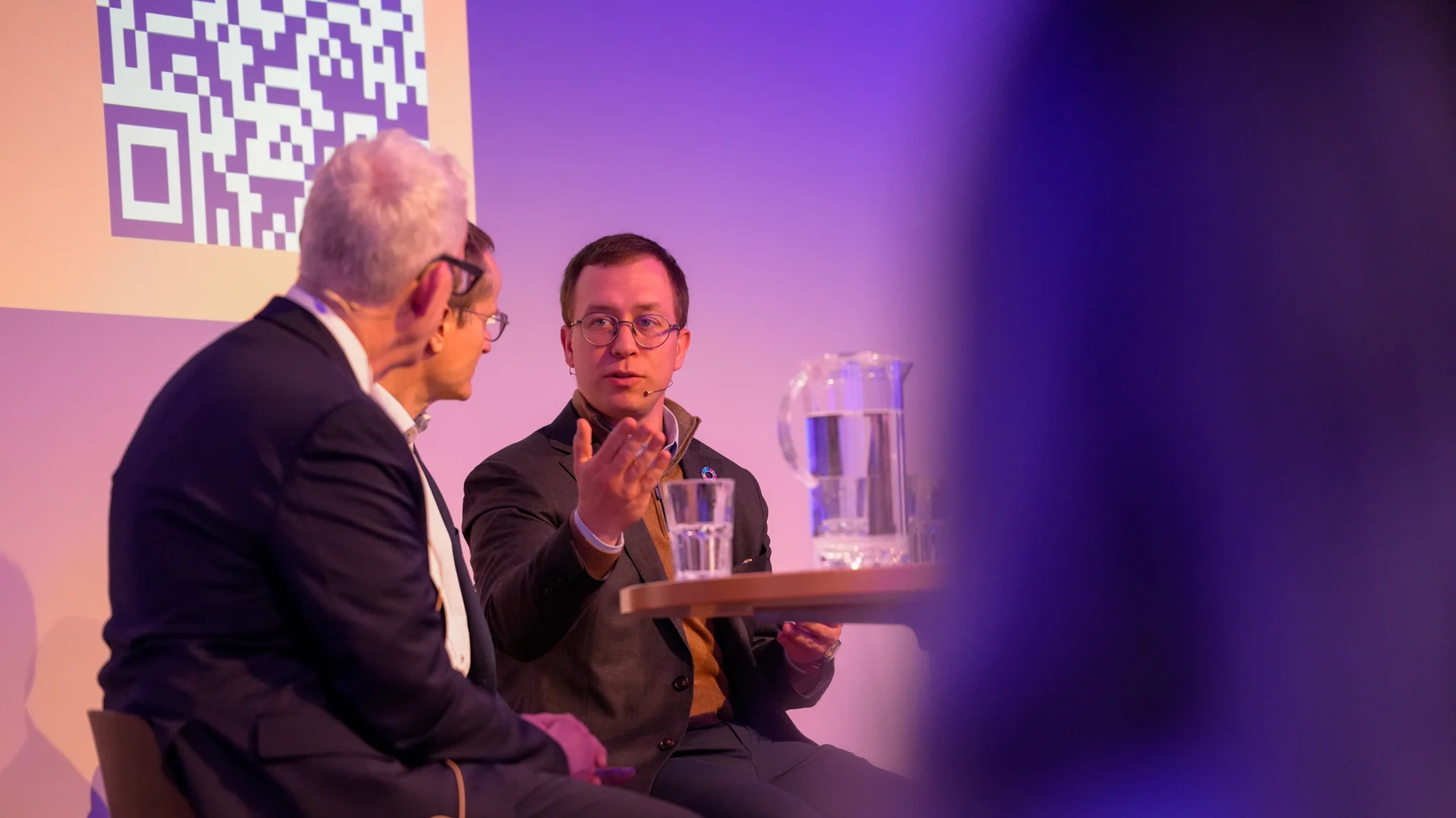
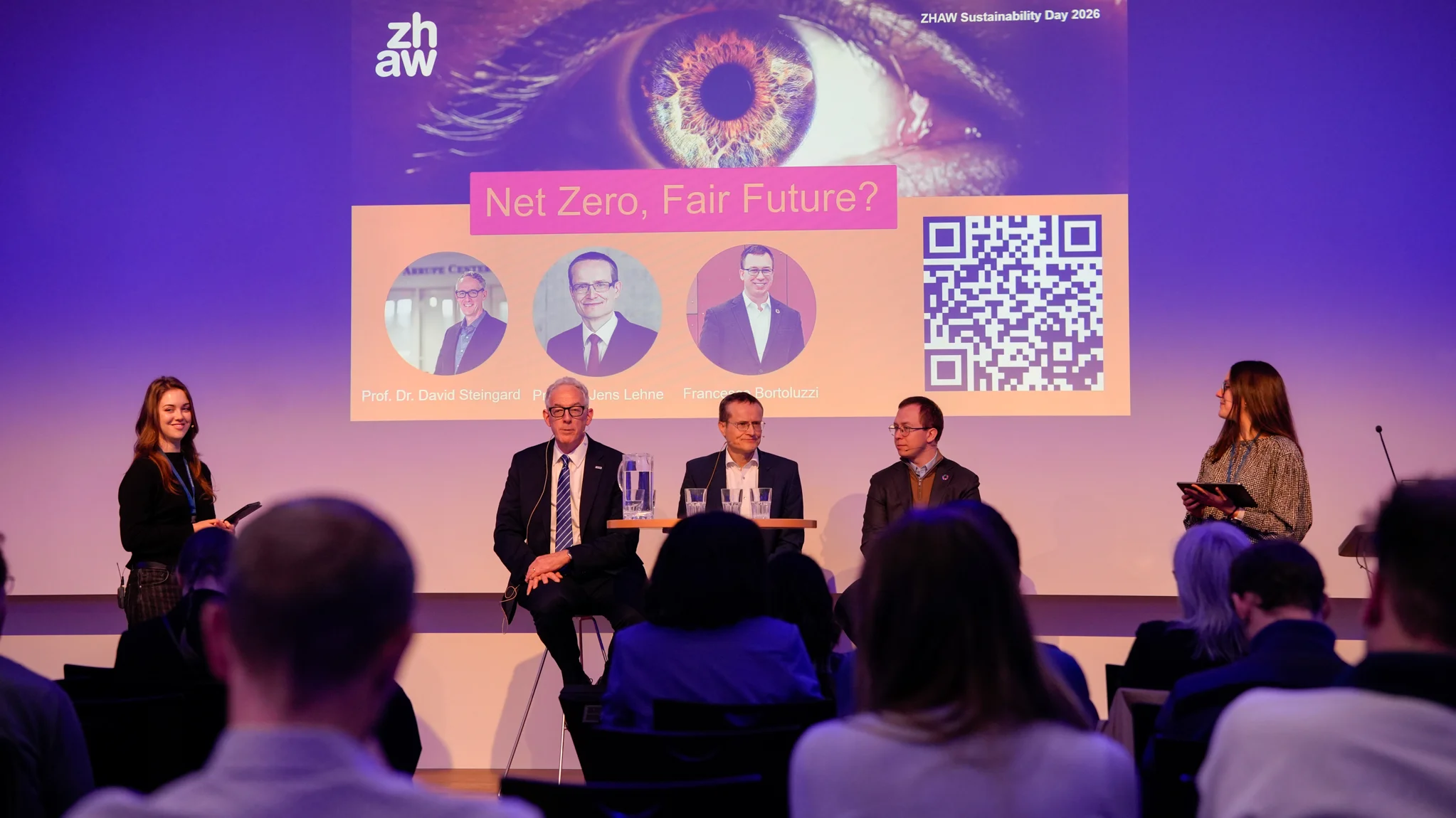
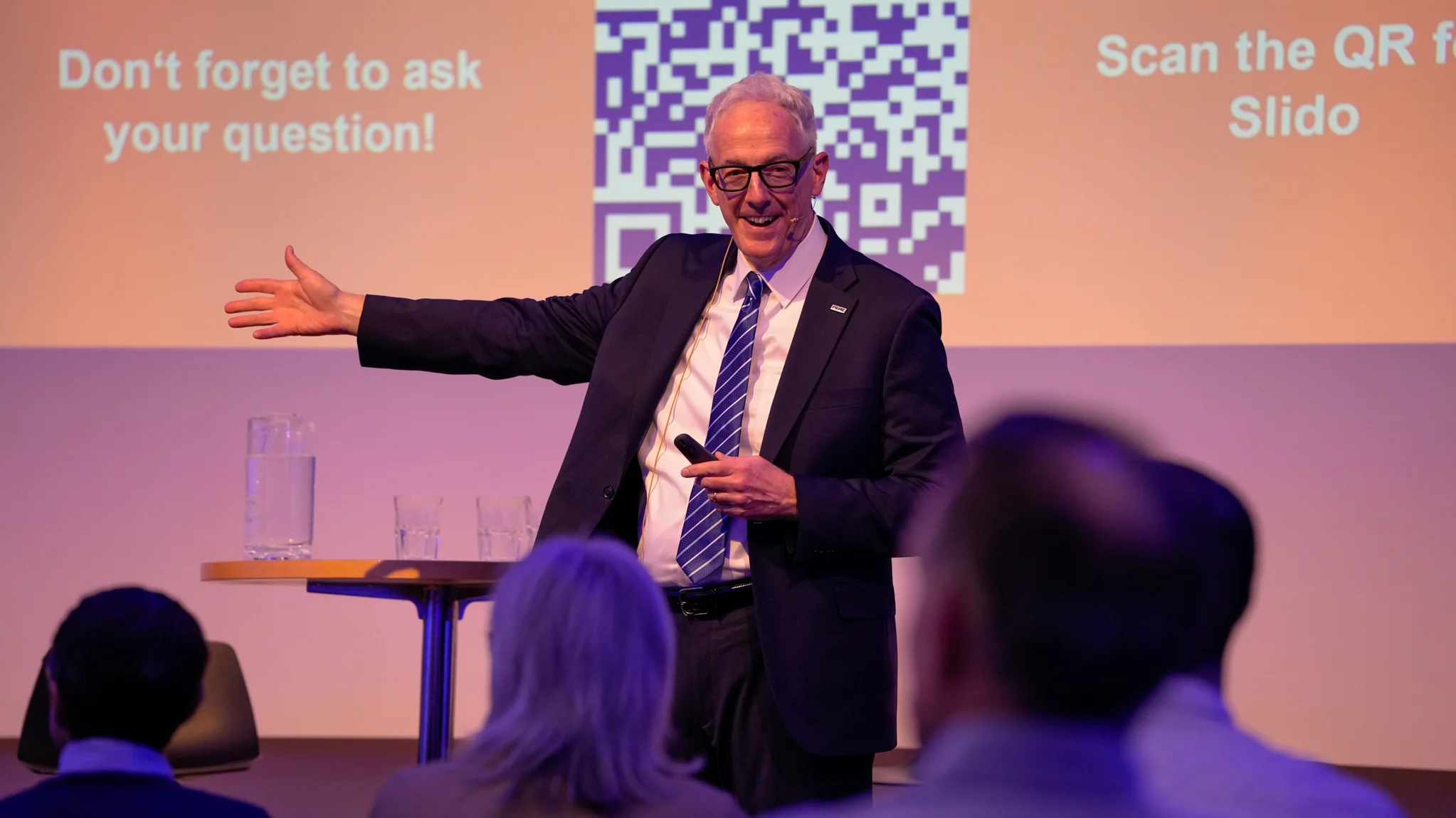
The morning began with an opening discussion between the Head of the UN Principles for Responsible Management Education (PRME) initiative, Professor David Steingard, the Head of the Sustainability Programme at ZHAW, Francesco Bortoluzzi, and the new Chair of the ZHAW SML PRME Committee, Professor Jens Lehne.
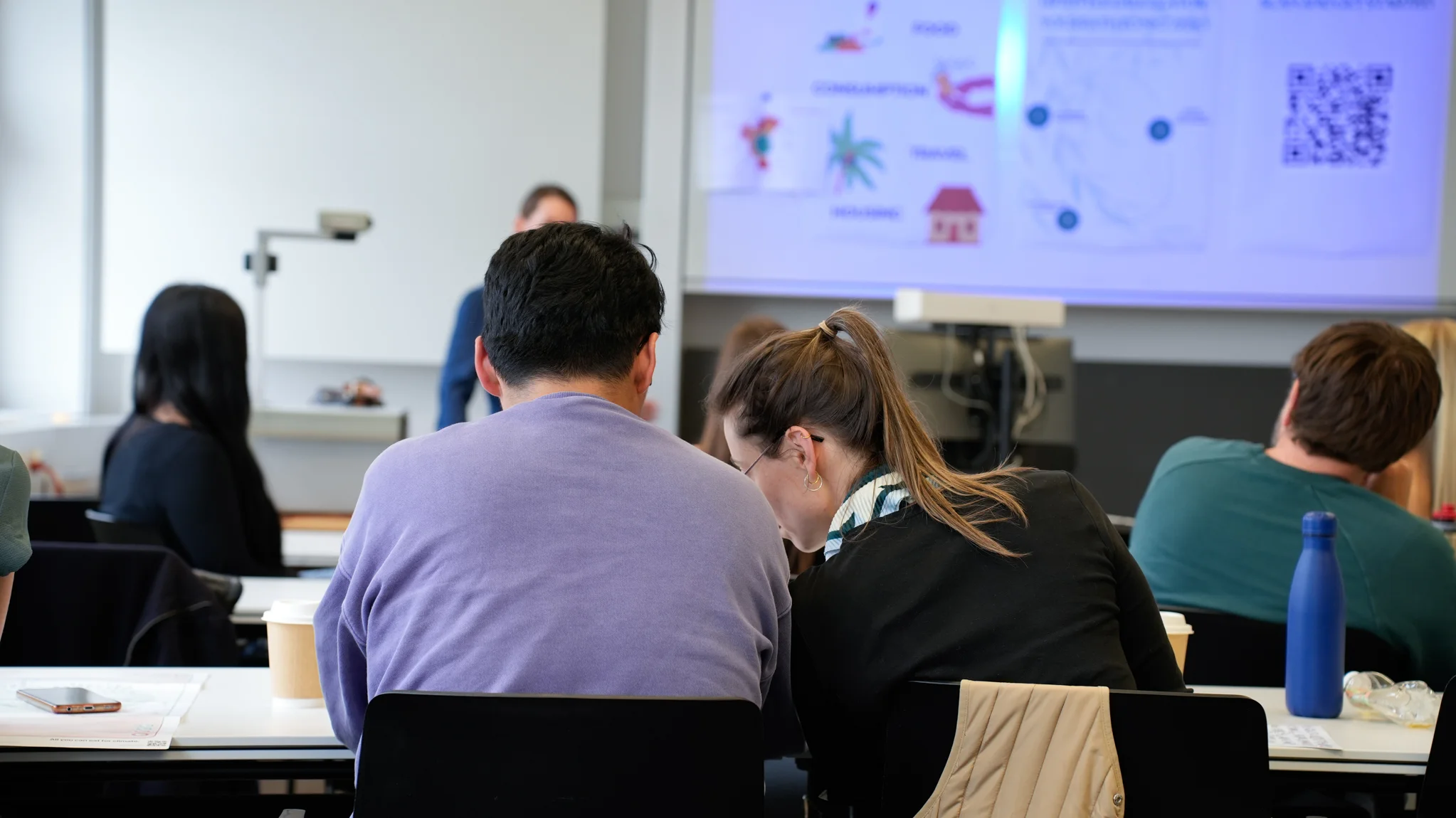
The plenary session started with an introduction to the new ONE Global Compact Strategy 2026–2030, focusing on the collaboration between PRME and the UN Global Compact. This was followed by a discussion on balancing different objectives from environmental, social and economic perspectives, which was enriched by a number of thought-provoking questions from the audience.
Workshops
During the afternoon of the event, participants had the opportunity to take part in various workshops:
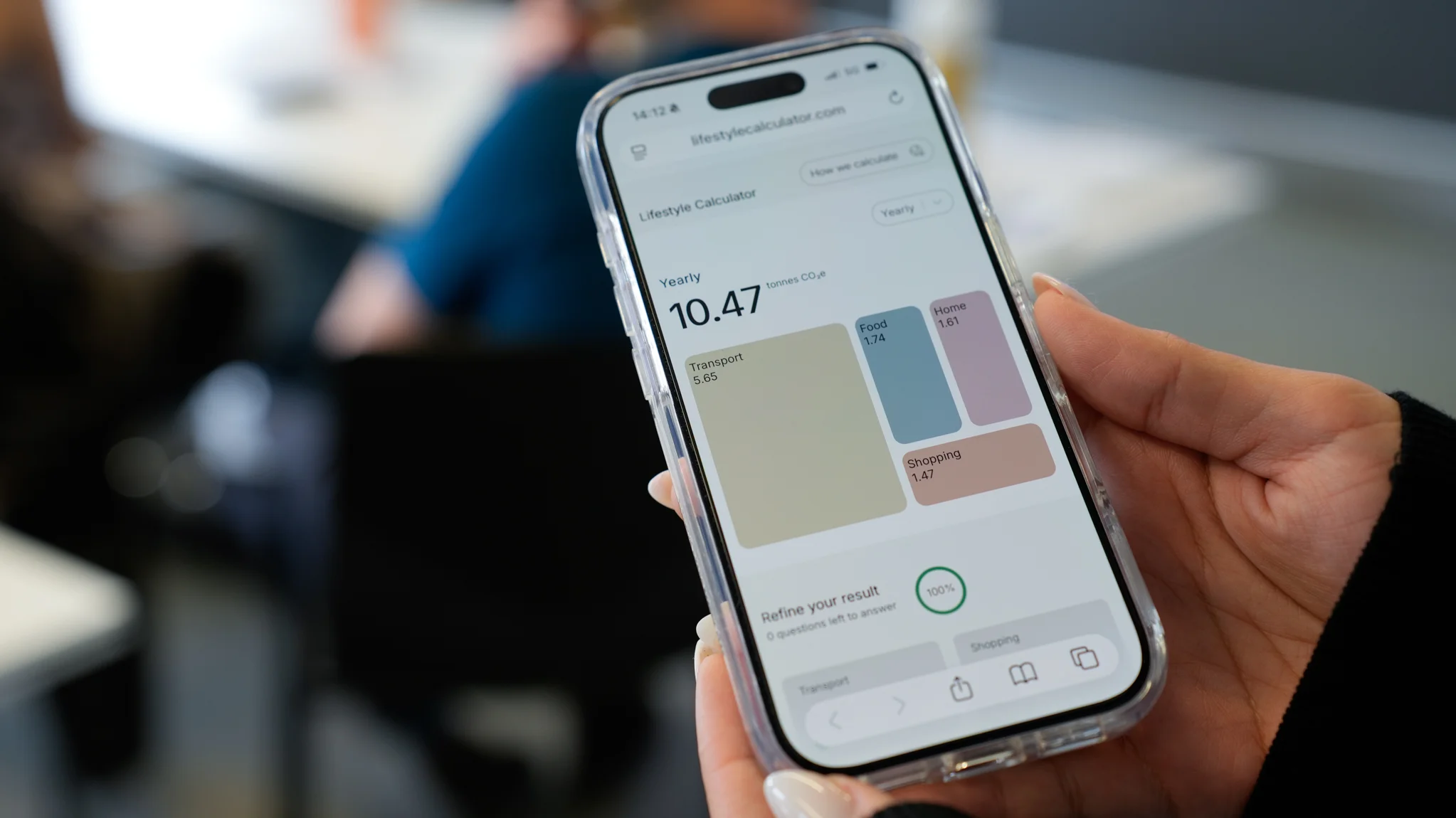
- Lifestyle Calculator: Together with myclimate and Eaternity, participants used an online lifestyle calculator to learn more about their own carbon footprint and how it relates to their daily lives.
- Fairness in the Global Supply Chain: In this workshop led by B Lab Switzerland, participants examined global production chains and explored topics such as labour standards, power imbalances, transparency and corporate responsibility.
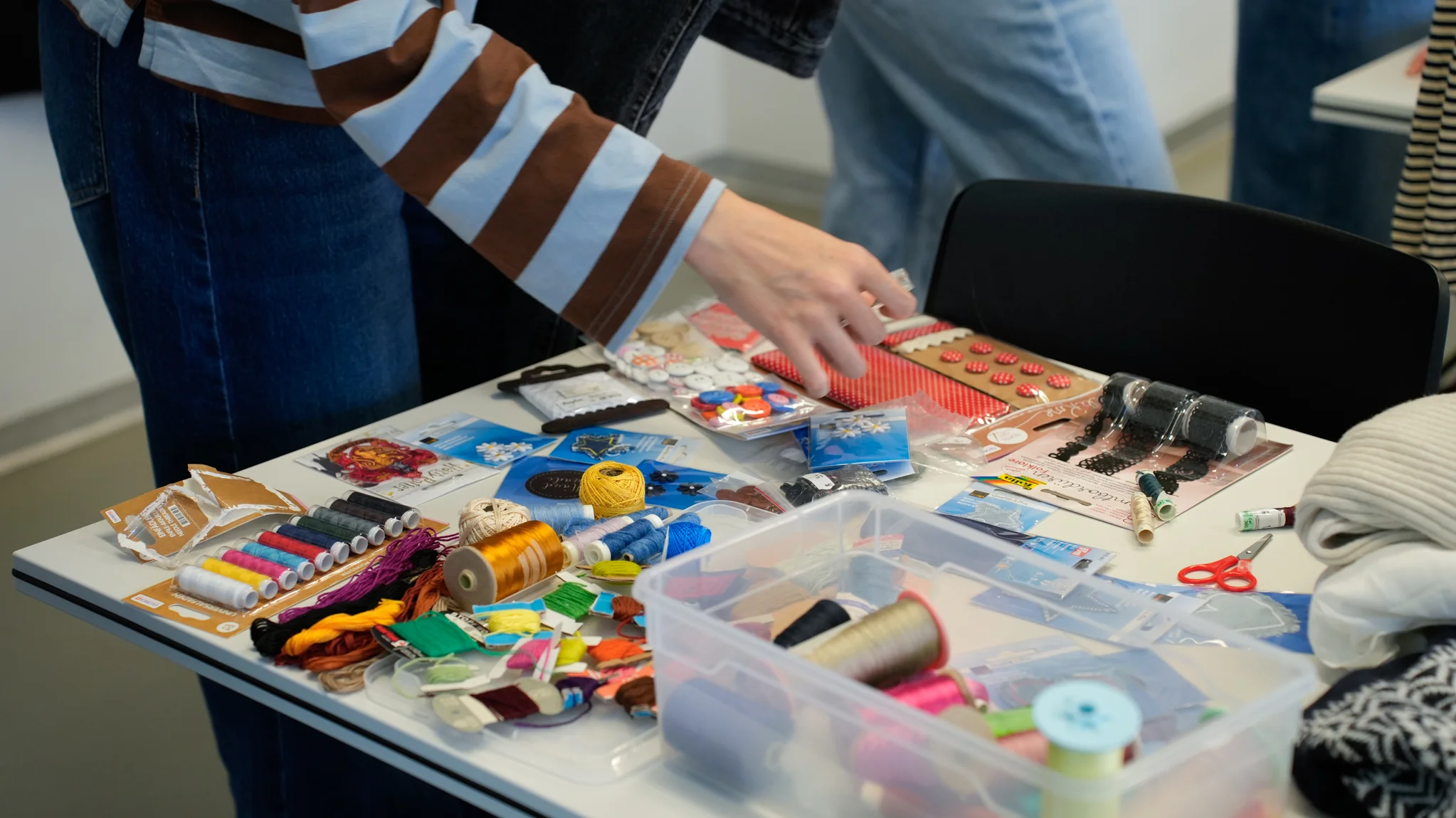
- Sustainable Fashion Challenge: Led by Rework, participants first received an introduction to the environmental and social impacts of the fast fashion industry. They then put sustainability concepts into practice through a hands-on upcycling activity.
Dialog, Panel und Keynote
The programme concluded with three dialogue sessions:
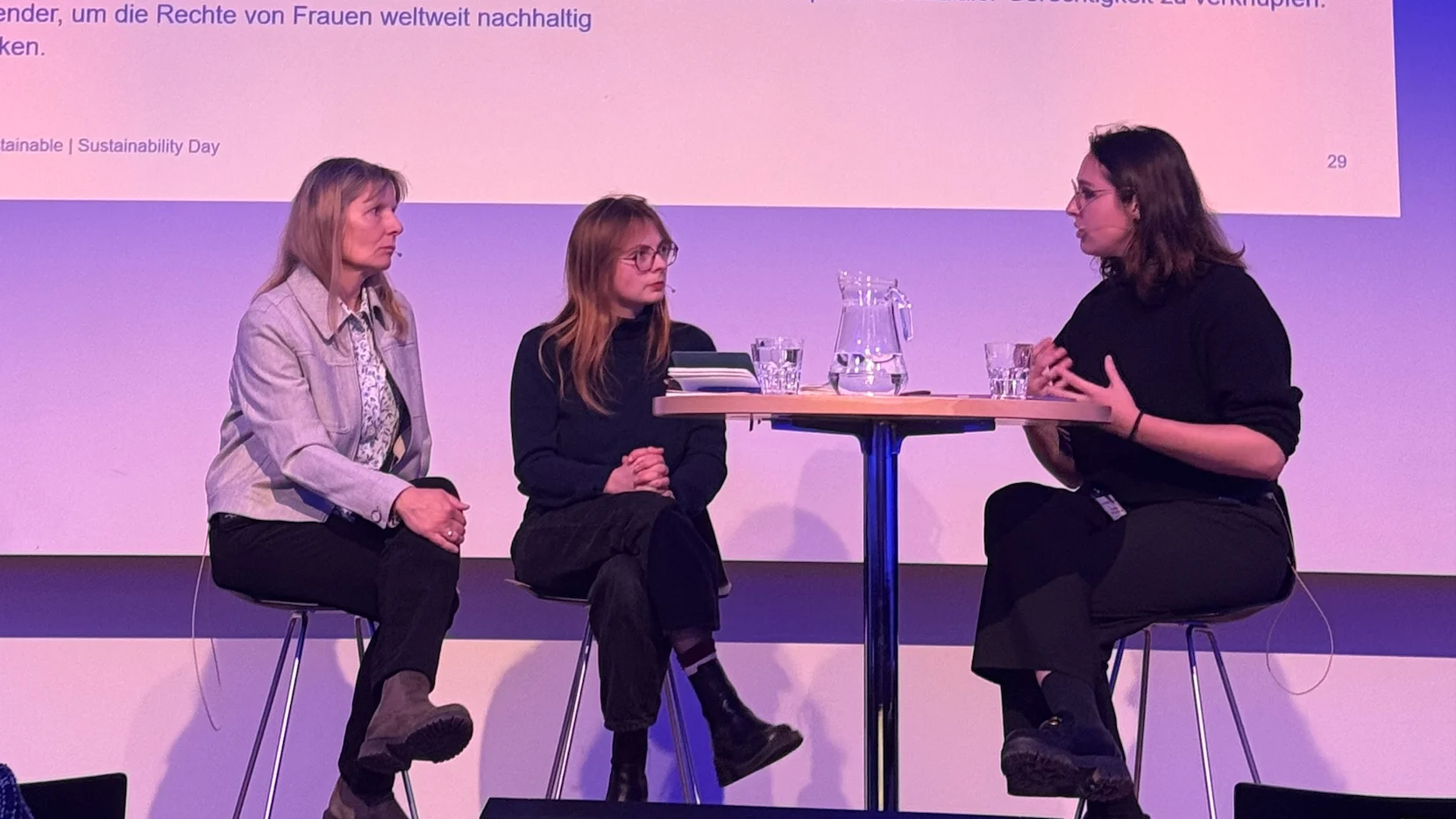
- Topic dialogue “Women’s leadership and climate education”: a discussion with Mirjam Hostetmann (Juso Switzerland) and Valentina Maggiulli (Swissaid), who explored in depth the links between climate change and social inequality and highlighted the importance of education and women’s leadership skills on the path to a net-zero emissions economy.
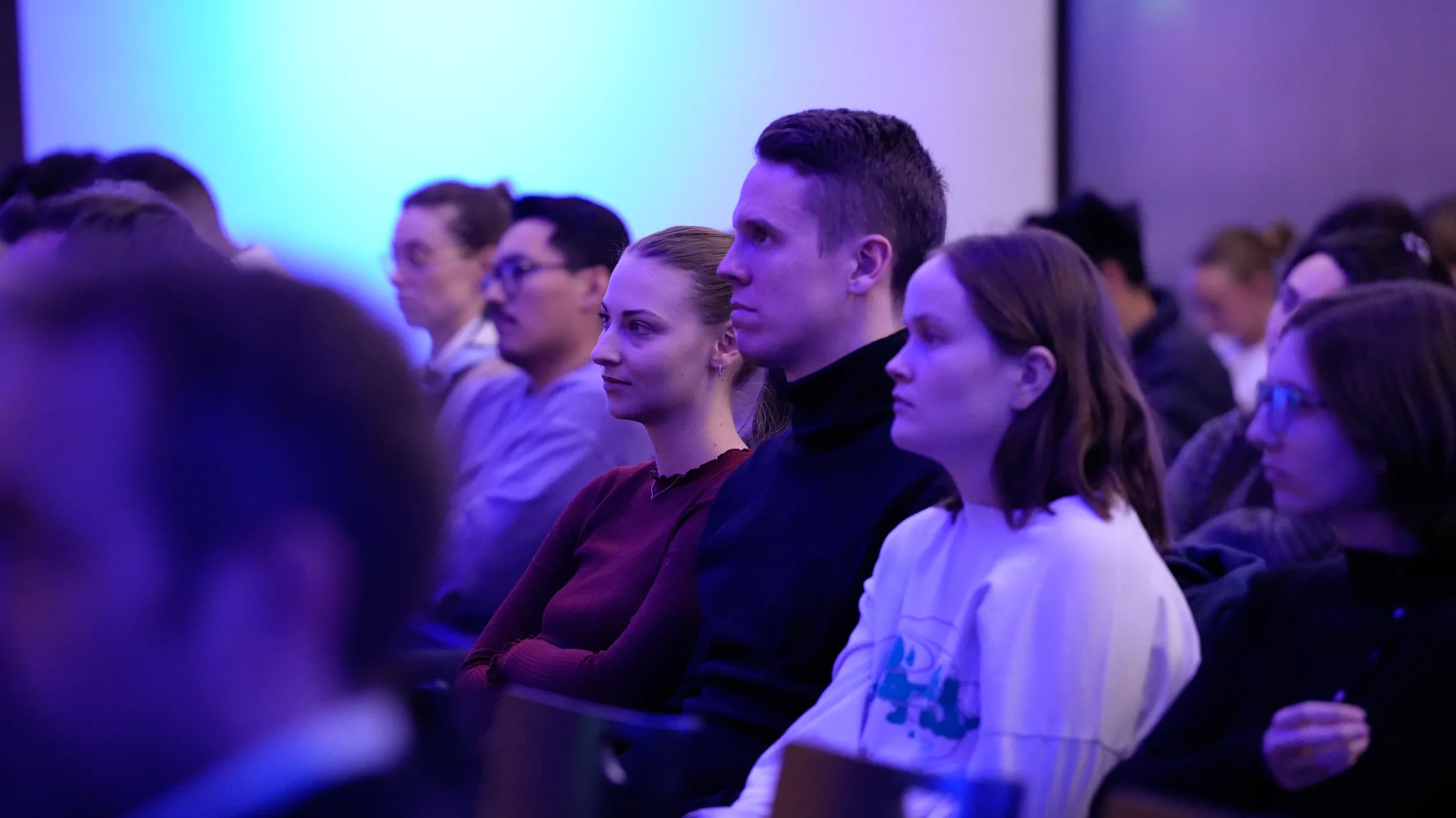
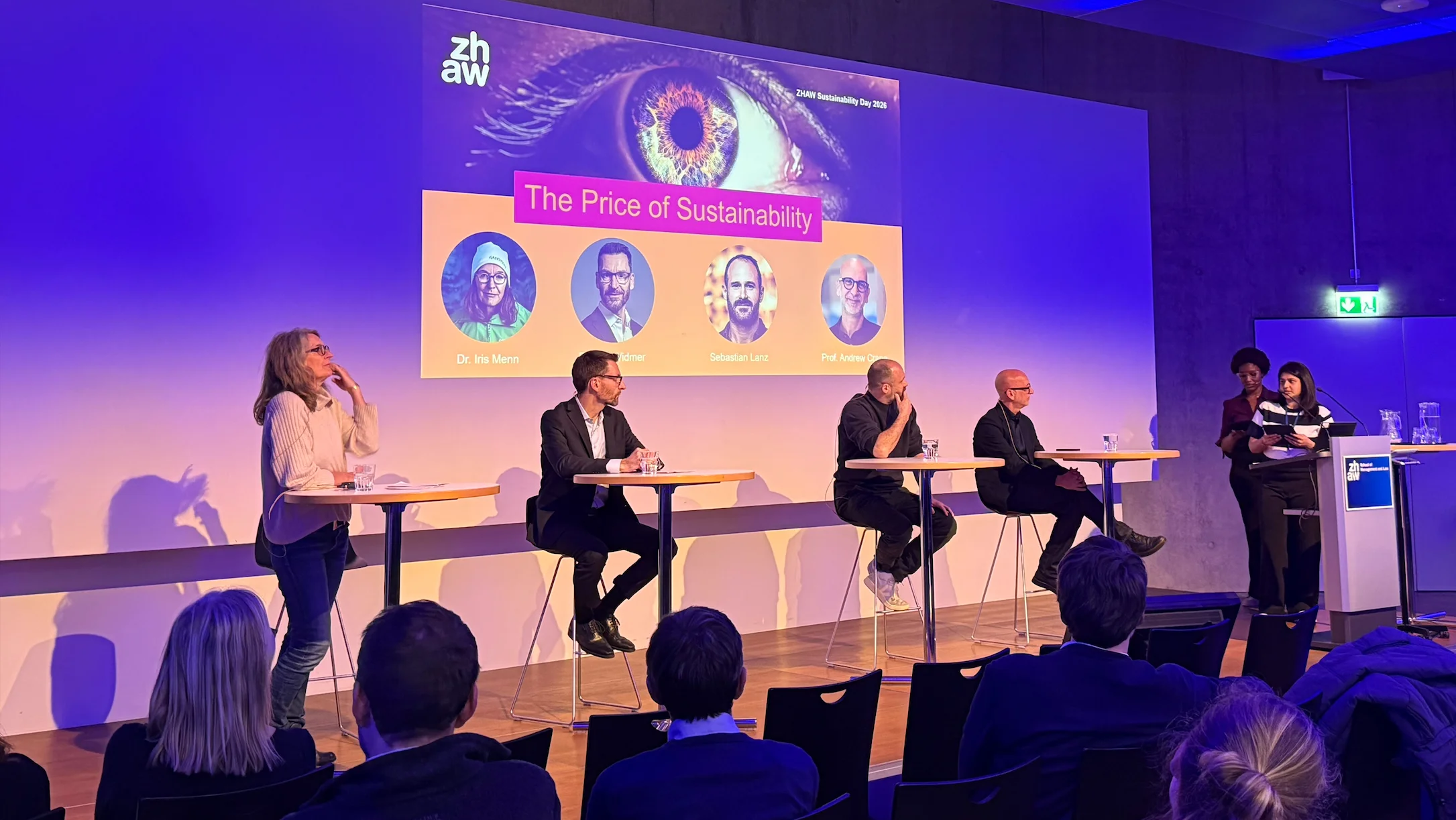
- Panel Discussion “The price of sustainability”: A discussion from various perspectives with Prof. Andrew Crane (University of Bath), Sebastian Lanz (RRREVOLVE), Dr Iris Menn (Greenpeace Switzerland) and Roland Widmer (Swiss Agency for Development and Cooperation) on the central question “Who actually pays for sustainability?” as well as the debates surrounding ecological transition and the associated economic and social challenges.
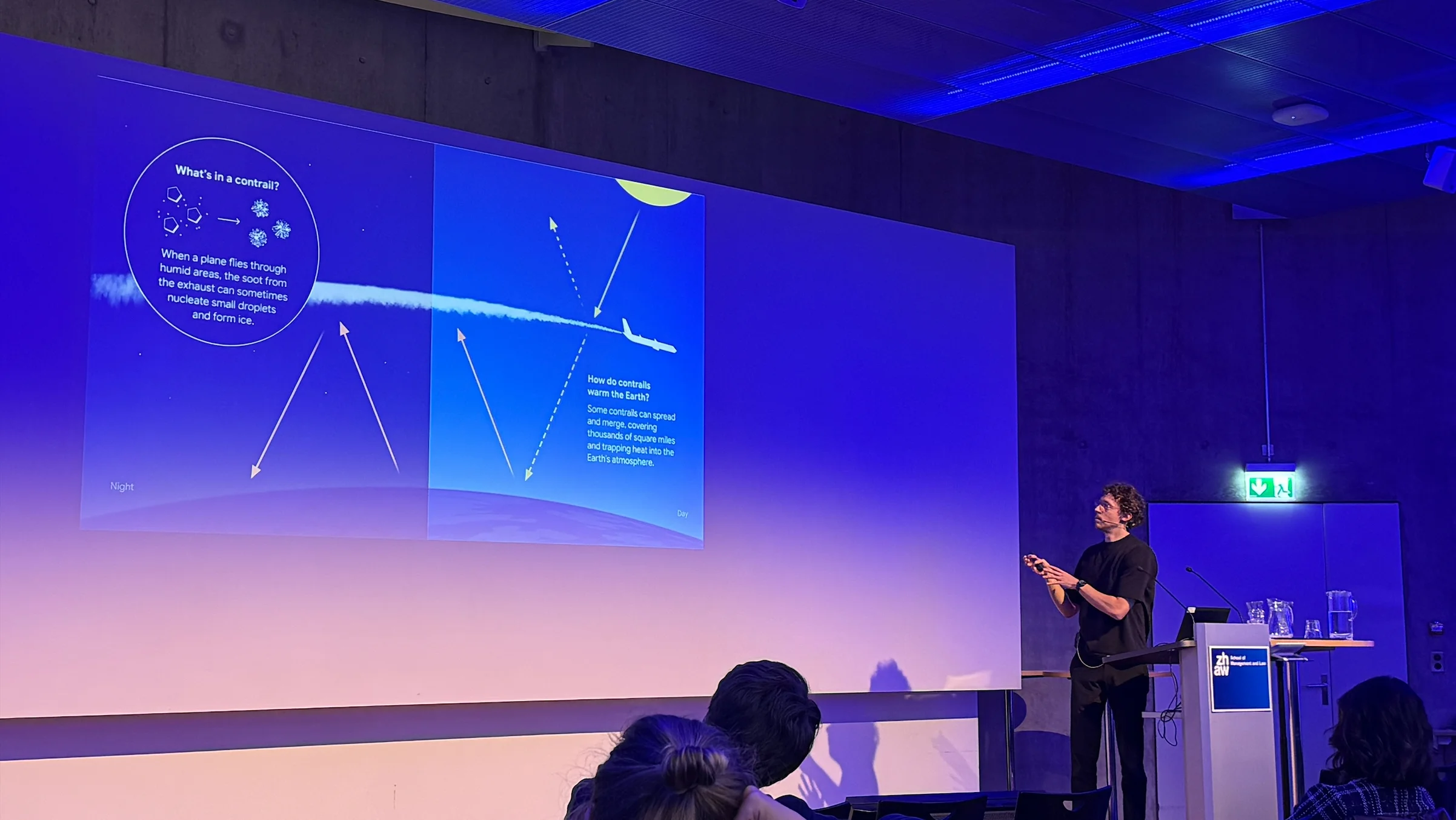
- Keynote Google Project Contrail: Participants heard from Google expert Max Vogler about Project Contrails and how artificial intelligence can help reduce the impact of air travel.
In short
Now in its seventh year, the ZHAW Sustainability Day 2026 once again brought together students, faculty and industry partners, this time to examine the social impacts of the net-zero transition from a variety of perspectives.
The programme, designed by students, featured a wide range of content, including workshops and dialogue sessions, and provided a space for critical debate and interdisciplinary exchange on key issues relating to sustainable development.