Participatory Transfer of an Innovative Teaching-Learning Concept within the EELISA Network
Our frame: Gardens as participatory spaces for learning and teaching. Our approach: Gardening as a means of transferring and implementing a transdisciplinary EELISA Micro-Credential in an international higher education context and through practical co-creation with society. Our goal: To foster future competencies for health and sustainability.
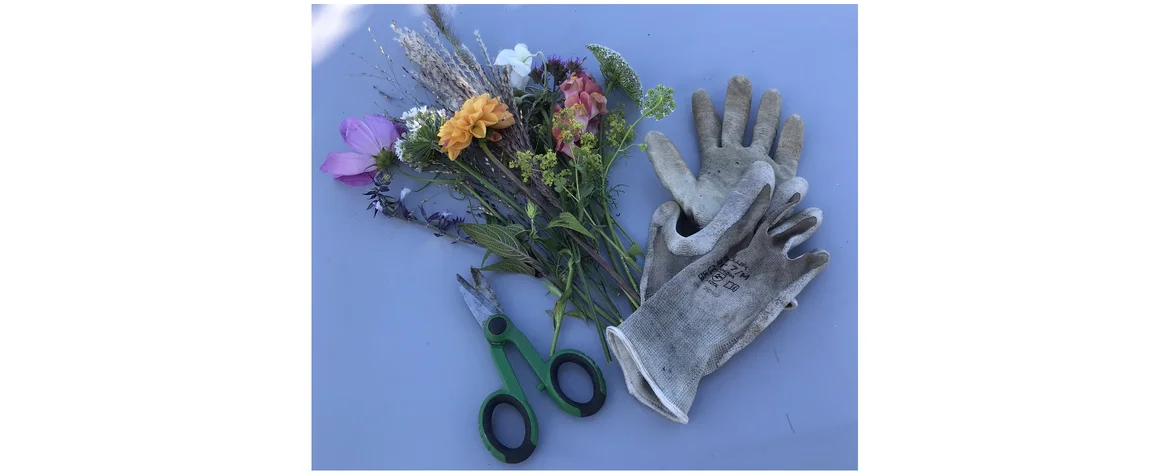
Description
In 2025, an innovative teaching and learning concept was developed at the ZHAW as part of a collaborative project between the School of Health Sciences and the School of Life Sciences and Facility Management. The concept brings together students from different disciplines and older adults in a shared gardening project. At its core is the idea of reciprocal learning: while students contribute their disciplinary knowledge and perspectives, older adults share their life experiences and practical expertise. Through gardening together, a practice-oriented learning and interaction space is created that fosters exchange between higher education and society while making topics such as health, sustainability, and social connectedness tangible and meaningful.
Building on these experiences, the present EELISA project aims to further develop the existing module concept methodologically, adapt it for different higher education and societal contexts, and implement it jointly with international partners. In collaboration with Friedrich-Alexander-Universität Erlangen-Nürnberg (FAU) in Germany and École nationale des ponts et chaussées (ENPC) in France, the concept will be adapted to the respective institutional frameworks, objectives, and societal needs. In addition to older adults, other population groups may also be involved as community partners and participants.
The project focuses on the participatory and research-oriented further development of a transdisciplinary EELISA Micro-Credential. Rather than simply transferring an existing model, the project follows a collaborative co-creation approach. Students, educators, and representatives of the respective target groups will be actively involved in the further development of the concept from the outset. Together, they will identify needs, develop appropriate learning and engagement formats, and explore implementation strategies suited to different national and institutional contexts.
The project pursues both educational and societal objectives. On the one hand, it seeks to support students in developing and strengthening disciplinary, methodological, and social competencies in the fields of health, sustainability, nature-based education, participation, and interdisciplinary collaboration. On the other hand, the active involvement of societal stakeholders is intended to strengthen knowledge exchange between higher education institutions and society and to enable new forms of collaborative knowledge creation. The practice-oriented learning environments foster dialogue and perspective-sharing among different disciplines and social groups, thereby contributing to the development of future-oriented competencies. Furthermore, the project promotes international collaboration between ZHAW, FAU, and ENPC.
The project can therefore be understood as a methodological transfer and development initiative that explores how participatory, community-oriented teaching and learning concepts can be adapted, implemented, and sustainably embedded within the European higher education context. Through international collaboration within the EELISA network, the project aims to generate insights into the transferability, further development, and impact of such formats and to make these findings available for the future design of transdisciplinary higher education.
Key data
Co-Projectlead
Project team
Project partners
Friedrich-Alexander-Universität Erlangen-Nürnberg; École des Ponts ParisTech
Project status
ongoing, started 09/2026
Institute/Centre
Institute of Natural Resource Sciences (IUNR); Institute of Public Health (IPH)
Funding partner
EELISA Joint Academic Call
Project budget
10'000 EUR
Further documents and links

School of Life Sciences and Facility Management
Grüentalstrasse 14
8820 Wädenswil