ZHAW researchers enrich legumes with vitamin B12
Yellow peas have traditionally been used as animal feed but could also offer significant benefits for human nutrition. Fermentation can make the legume more nutritious and easier to digest.
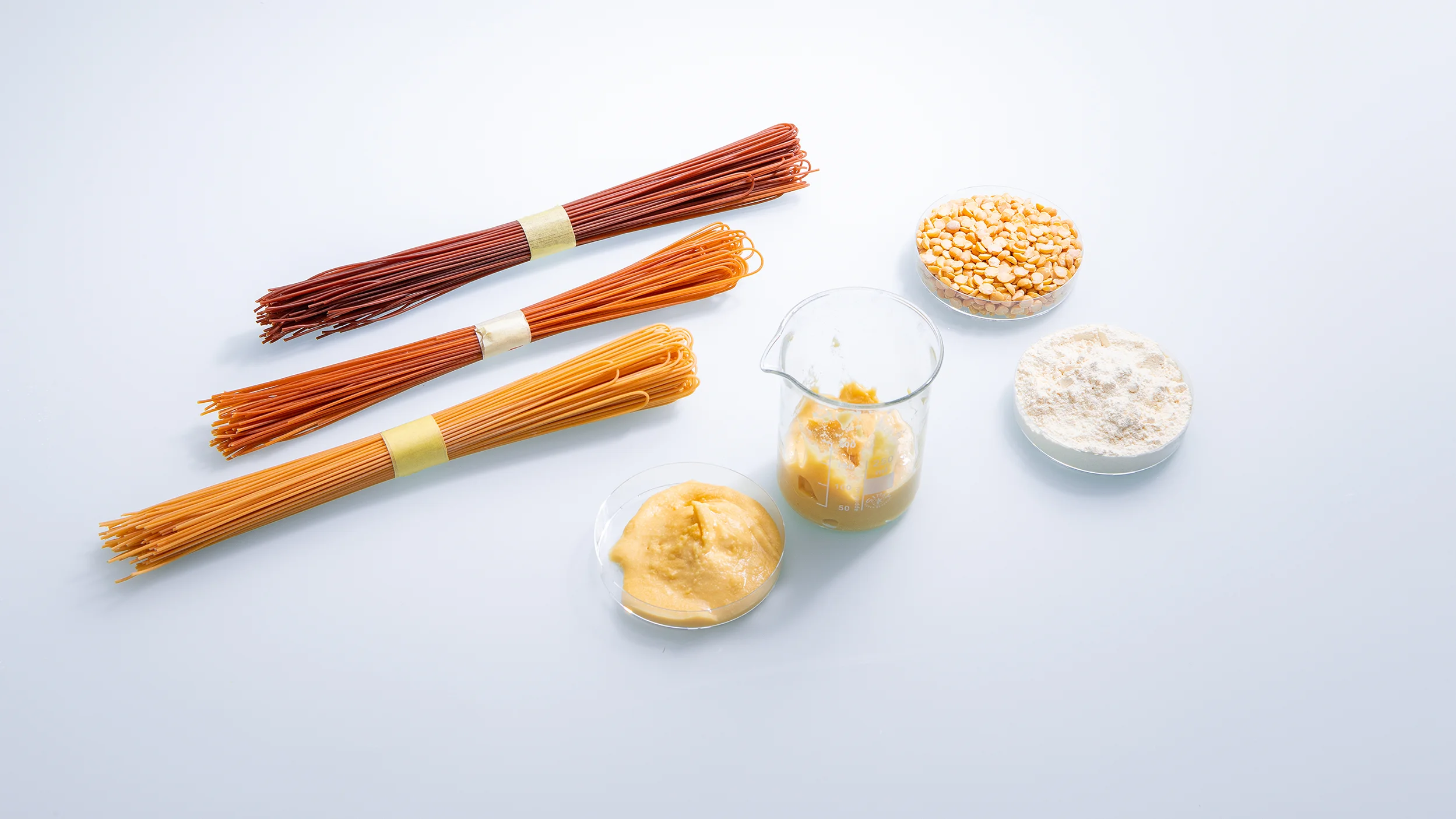
Obtaining enough vitamin B12 from a plant-based diet is difficult, which is why people following a vegetarian or vegan diet often need to take supplements to meet their vitamin B12 requirements. Legumes are therefore often an important source of protein in their diets.
An interdisciplinary team at the Institute for Food and Beverage Innovation has succeeded in enriching yellow pea flour with vitamin B12 and folic acid, while reducing compounds that can cause digestive problems. Folic acid is another B vitamin whose metabolism is closely linked to that of vitamin B12. During the project, the first cultivation trials of yellow pea varieties for human consumption were also conducted in Switzerland. Until now, the yellow pea has mainly been used as animal feed.
Pasta or snacks
The researchers used microorganisms to ferment yellow pea flour, a natural process commonly used to extend the shelf life of food. “Of the roughly 14,000 bacteria and fungi stored in our freezer, we tested around 500 and ultimately found three that produced the desired results,” says research group leader Susanne Miescher Schwenninger. Co-project leader Nadina Müller adds: “Fermented yellow pea flour has considerable potential for use in products such as pasta and snacks.” However, it will be some time before such products become available in shops.