The Low-Tech Water Project
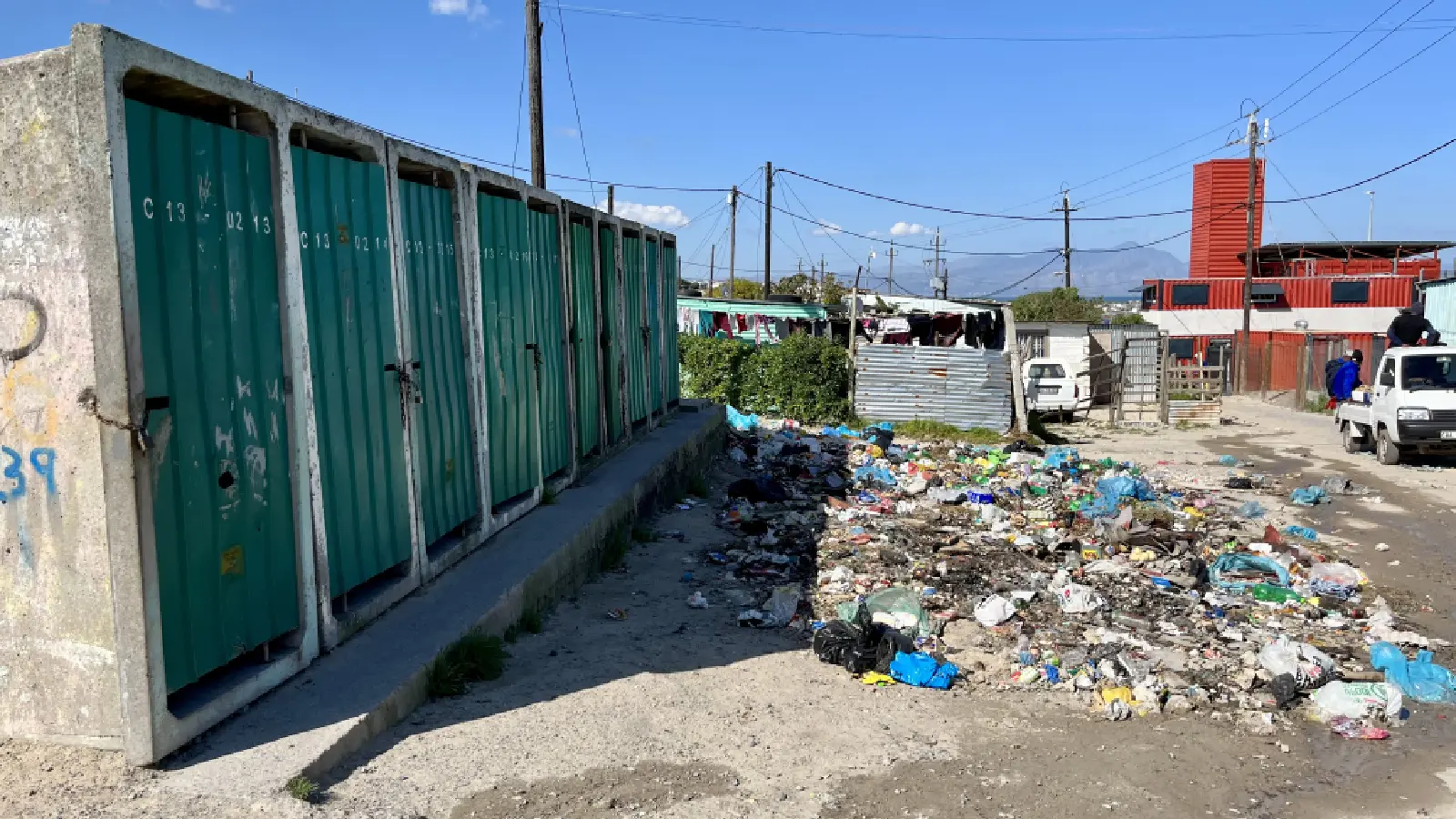
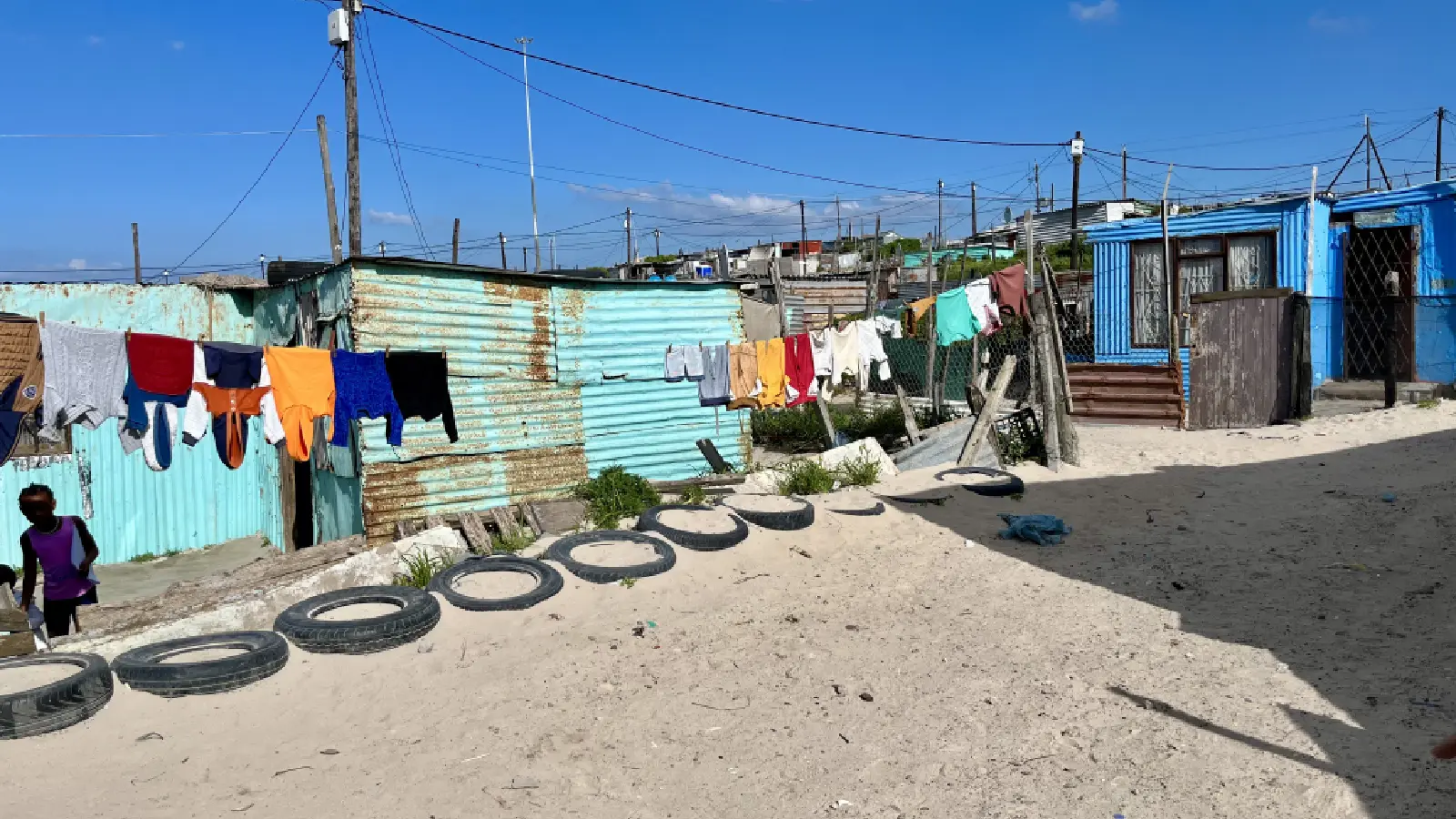
Water scarcity and inadequate sanitation are part of everyday life in many informal settlements in South Africa. Simple, decentralized technologies for treating and reusing wastewater can help close local water cycles and gradually increase supply autonomy.
Result
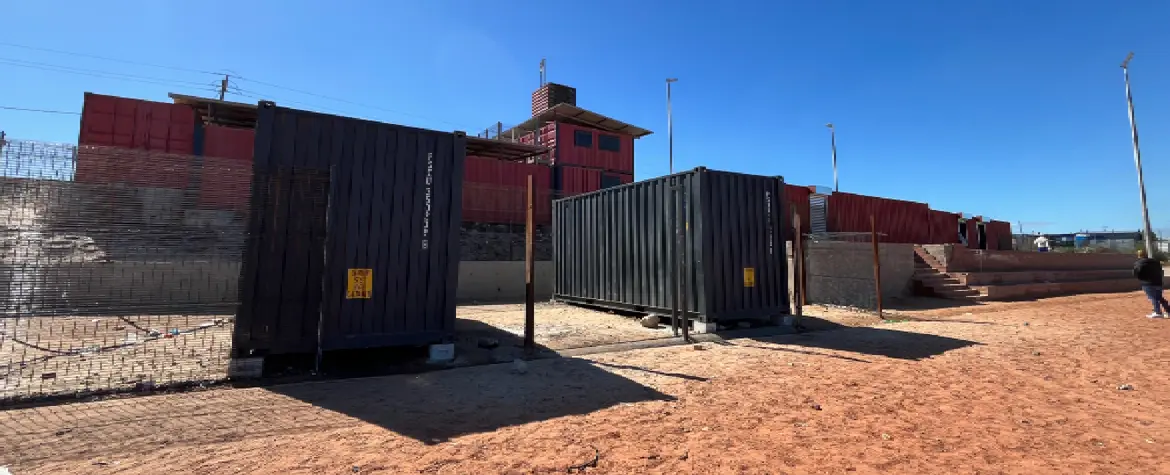
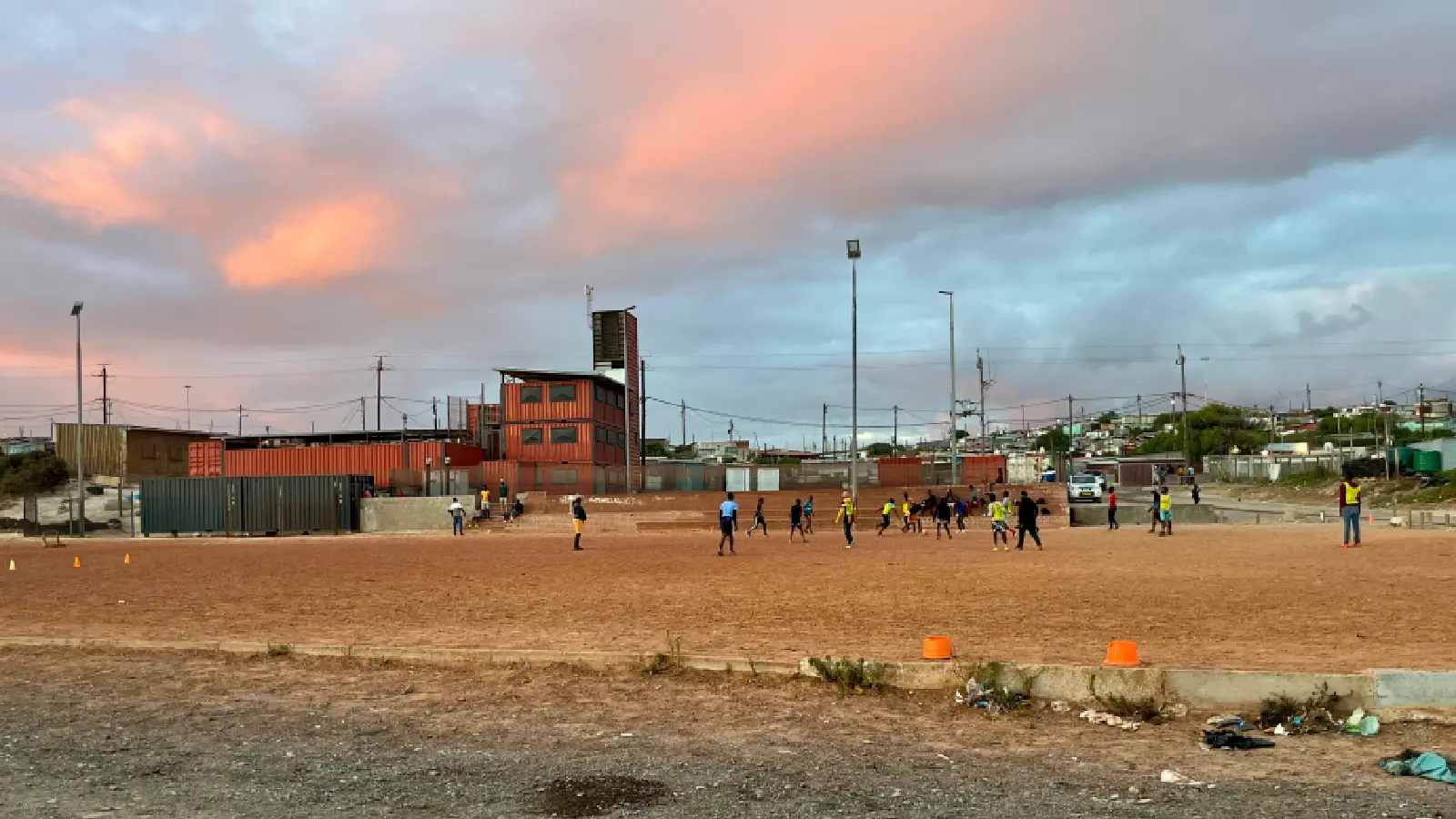
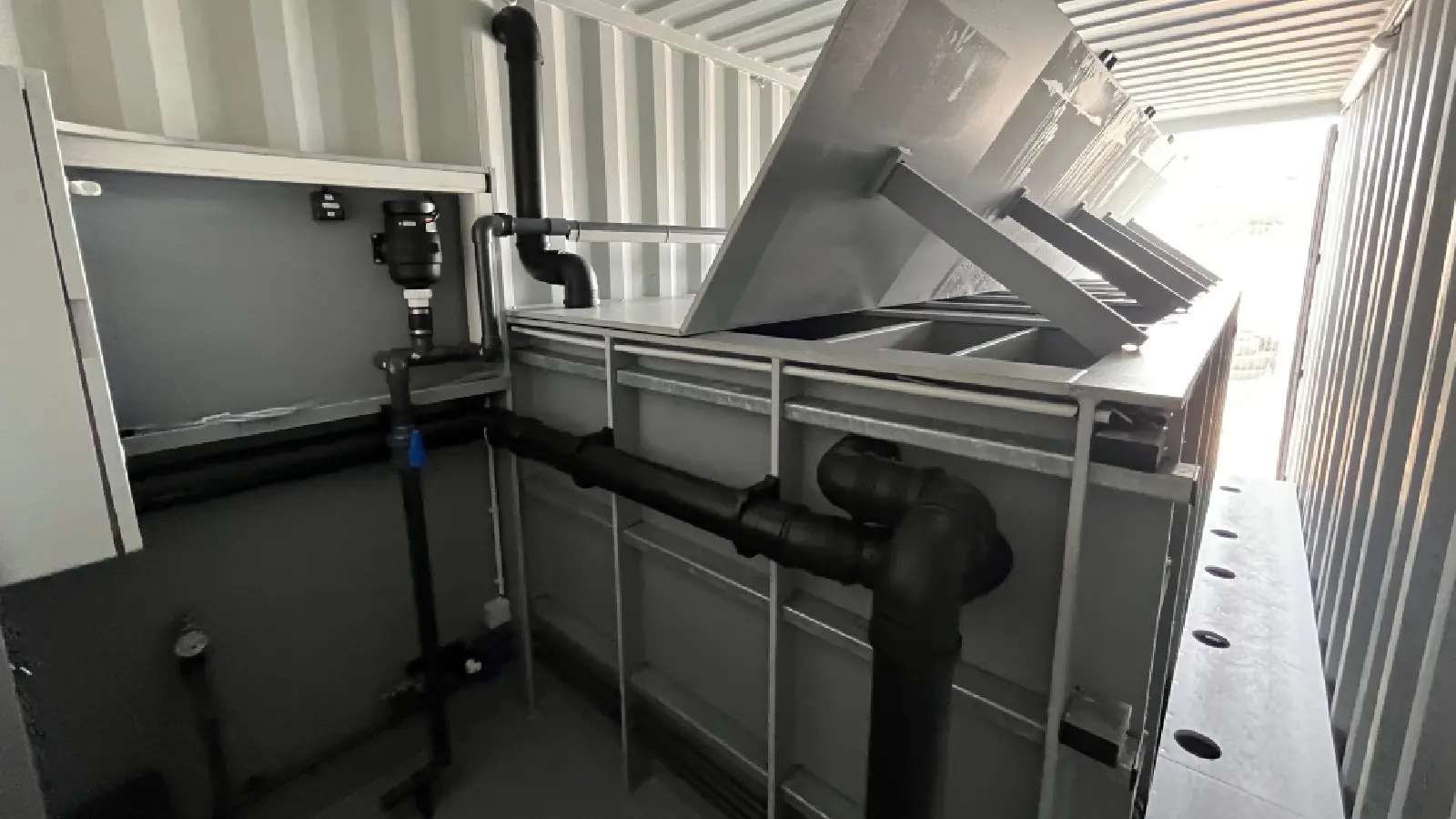
As part of the project, the pilot plant was installed at the site in Cape Town. However, the project could not be completed at this location and is now continuing in Benoni, South Africa.
Further information about the project’s continuation in Benoni: www.zhaw.ch/en/research/project/76315.
Description
Access to clean water and proper sanitation is a fundamental human right, yet millions of people worldwide still lack access to these essentials. This collaborative project between ZHAW, the University of Stellenbosch, and the Public Benefit Organisation VPUU aims to tackle this challenge by developing and testing low-tech water treatment and sanitation solutions for off-grid communities.
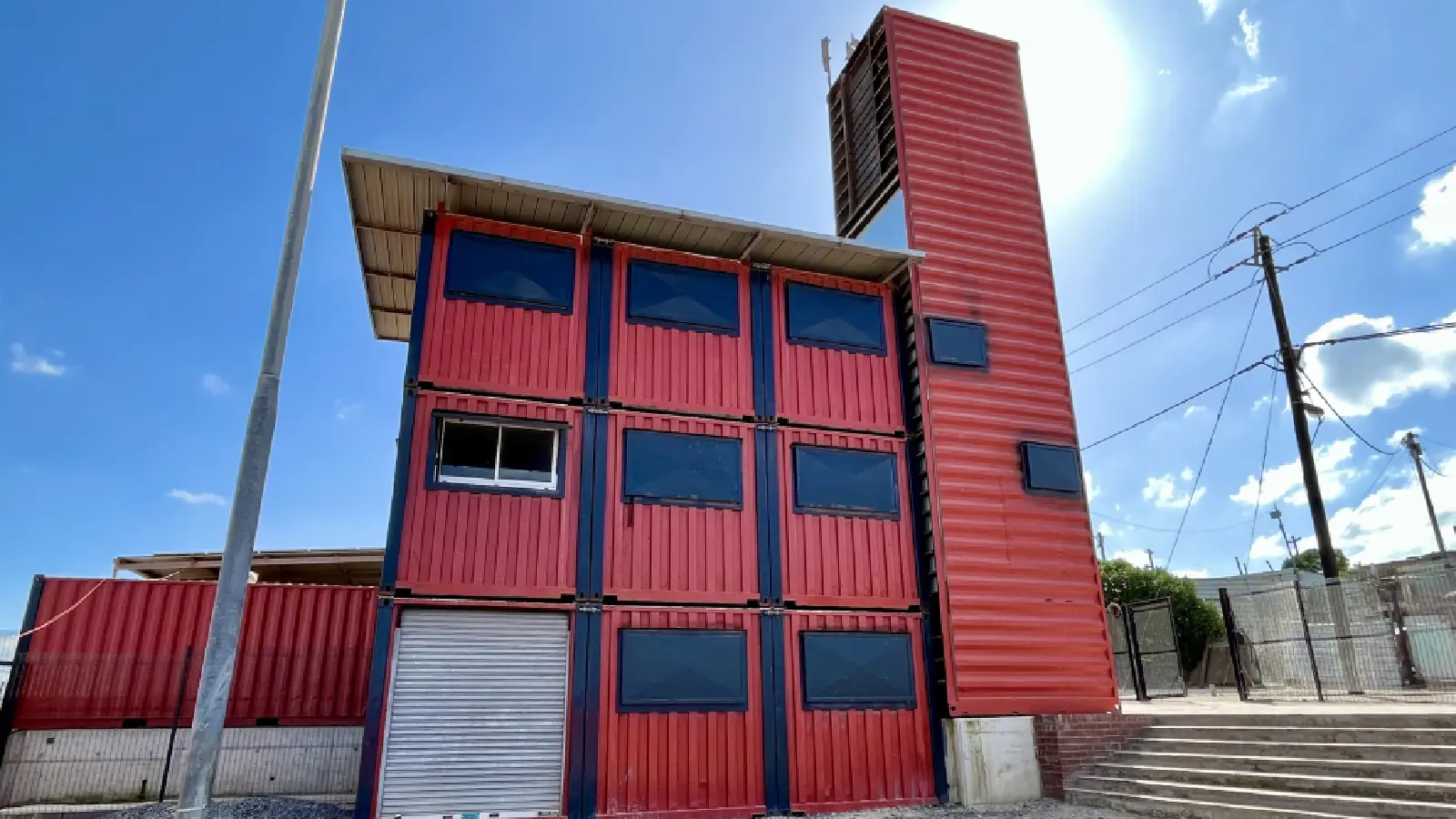
As part of the project, two separate systems for treating greywater (wastewater from bathroom and kitchen) and blackwater (wastewater from toilets) will be implemented and tested under real-life conditions. Based on a low-tech approach that leverages natural processes in biofilters, the technology builds on earlier developments at ZHAW. The system will be installed at the "Monwabisi Park" community center, located in the informal settlement of Khayelitsha on the outskirts of Cape Town. This center serves over 3500 households and employs more than 100 staff members.
The treated water will be reused on-site as much as possible for applications such as toilet flushing and washing. By closing the water cycle, the center could potentially operate entirely water self-sufficiently, serving as a model for future initiatives. A participatory and community-driven approach actively involves local stakeholders to ensure that the solutions are tailored to the community’s needs, while also building capacities and facilitating knowledge transfer.
Key data
Projectlead
Deputy Projectlead
Project partners
Stellenbosch University; Violence Prevention through Urban Upgrading (VPUU)
Project status
completed, 08/2024 - 06/2026
Institute/Centre
Institute of Natural Resource Sciences (IUNR)
Funding partner
Limmat Stiftung; REPIC
Further documents and links
Publications

School of Life Sciences and Facility Management
Grüentalstrasse 14
8820 Wädenswil