The Low-Tech Water Project – Benoni
Treating wastewater on site, reusing water and strengthening local skills: together with South African partners, ZHAW is developing and testing a simple, solar-powered water treatment system at Manger Care Centre in Benoni.
Description
The Low-Tech Water Project investigates how decentralised wastewater treatment can contribute to more reliable and affordable water and sanitation services. It combines technology development with practical training and active participation by the people who use and operate the system. The blackwater component funded by REPIC is conducted under the name “The Blackwater Project”.
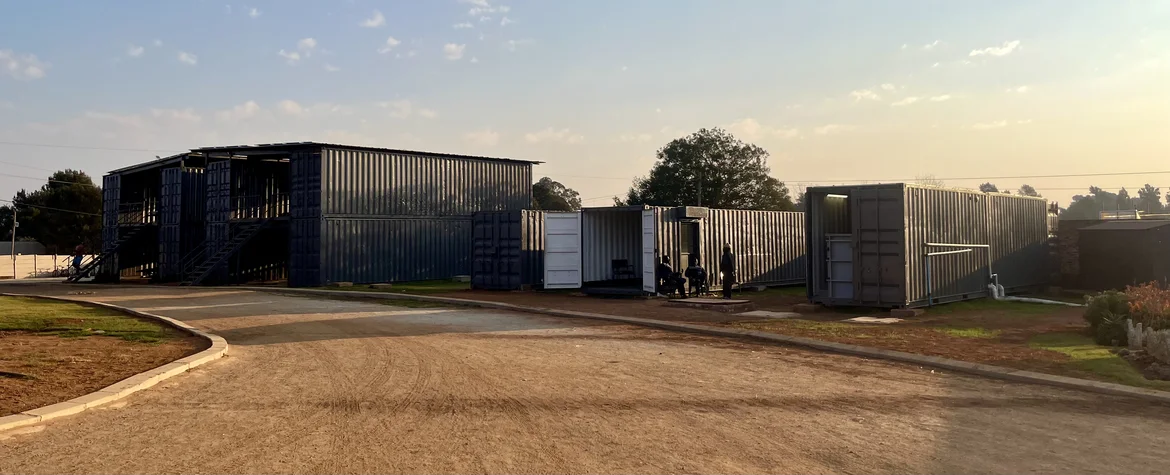
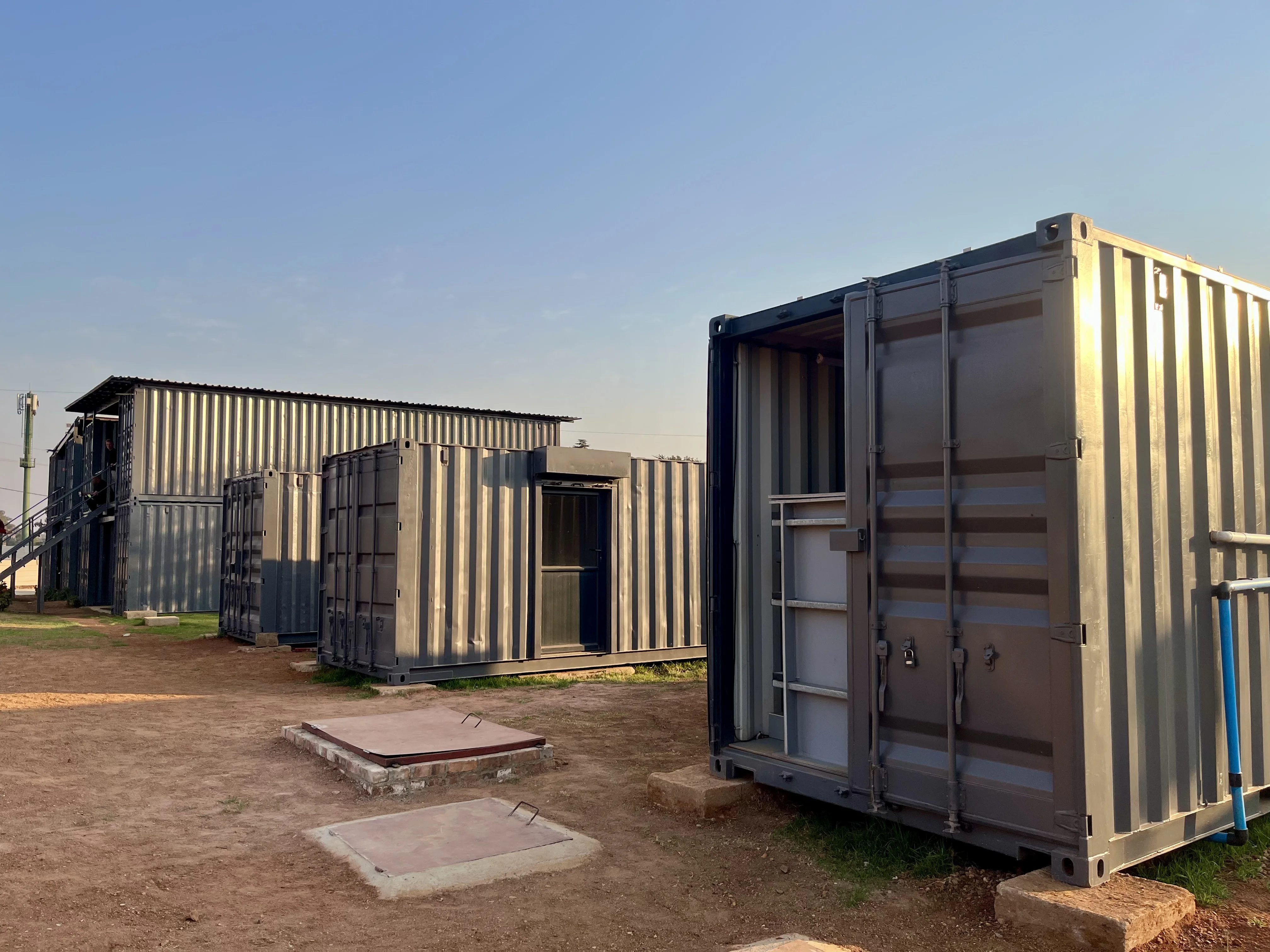
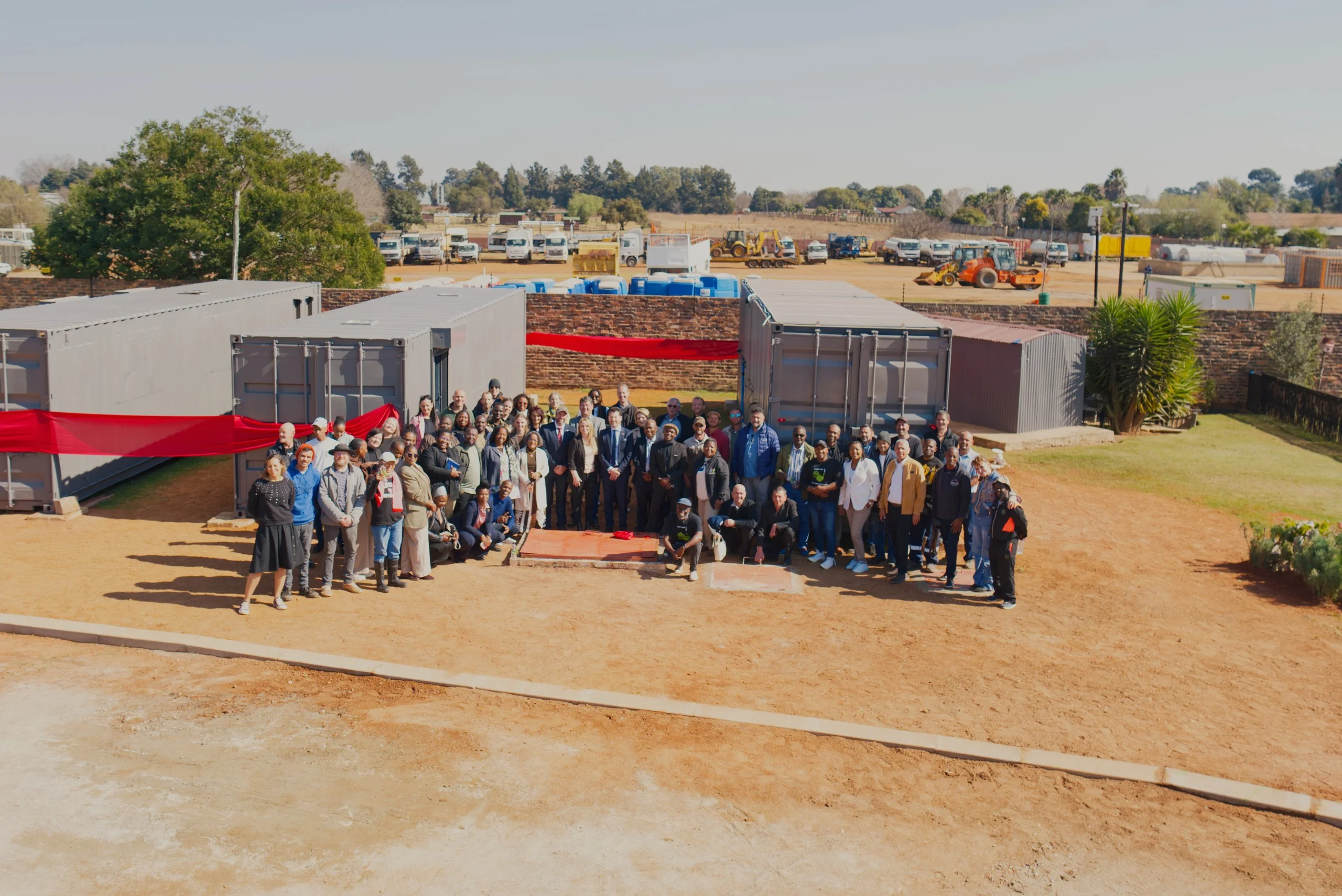
The pilot installation is located at Manger Care Centre’s Eden Centre in Benoni, east of Johannesburg. The non-profit organisation supports people who have experienced homelessness and social exclusion. Its programmes combine accommodation and personal support with skills development and practical work experience. The pilot system treats wastewater from a housing unit for 60 residents.
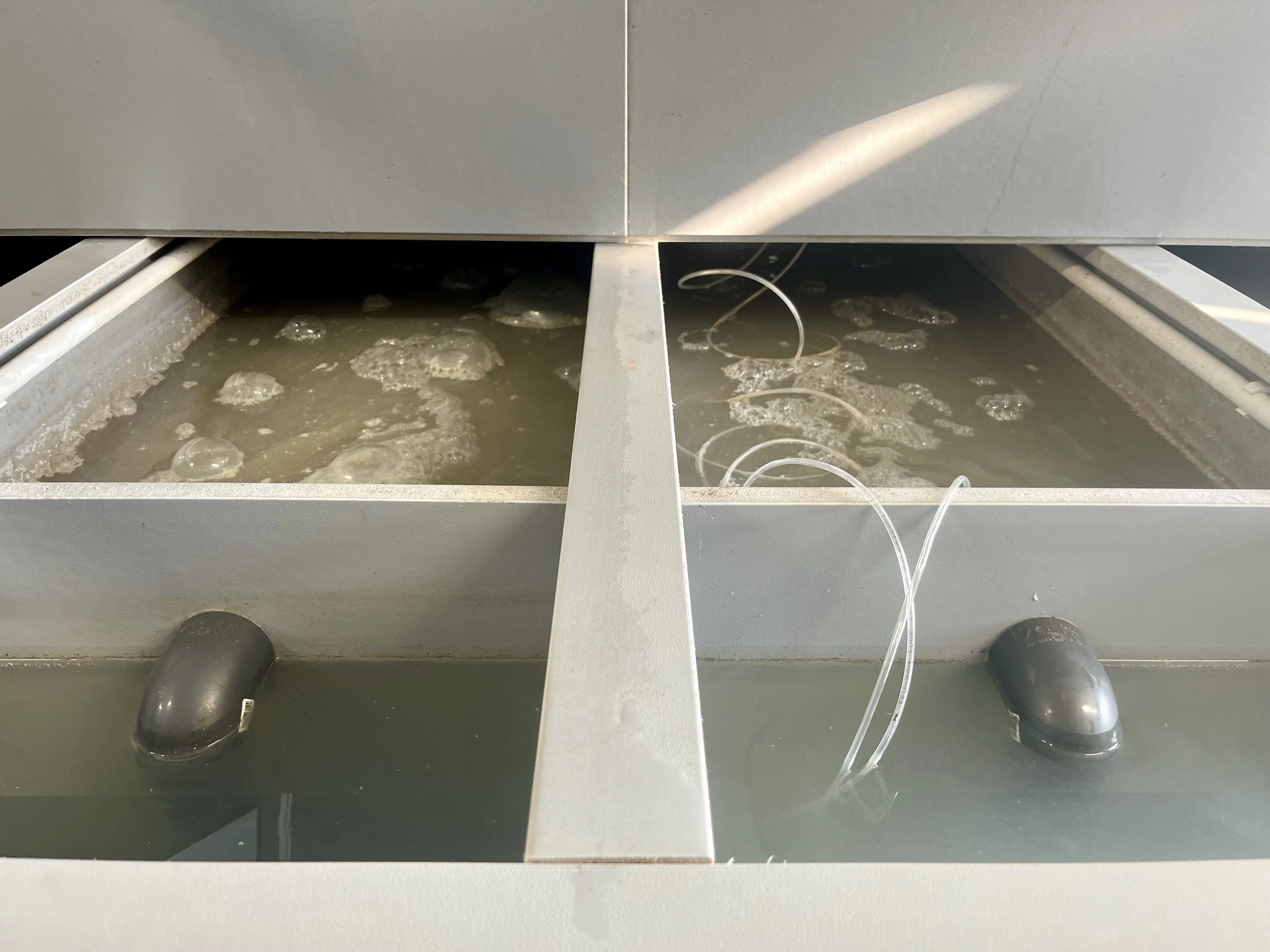
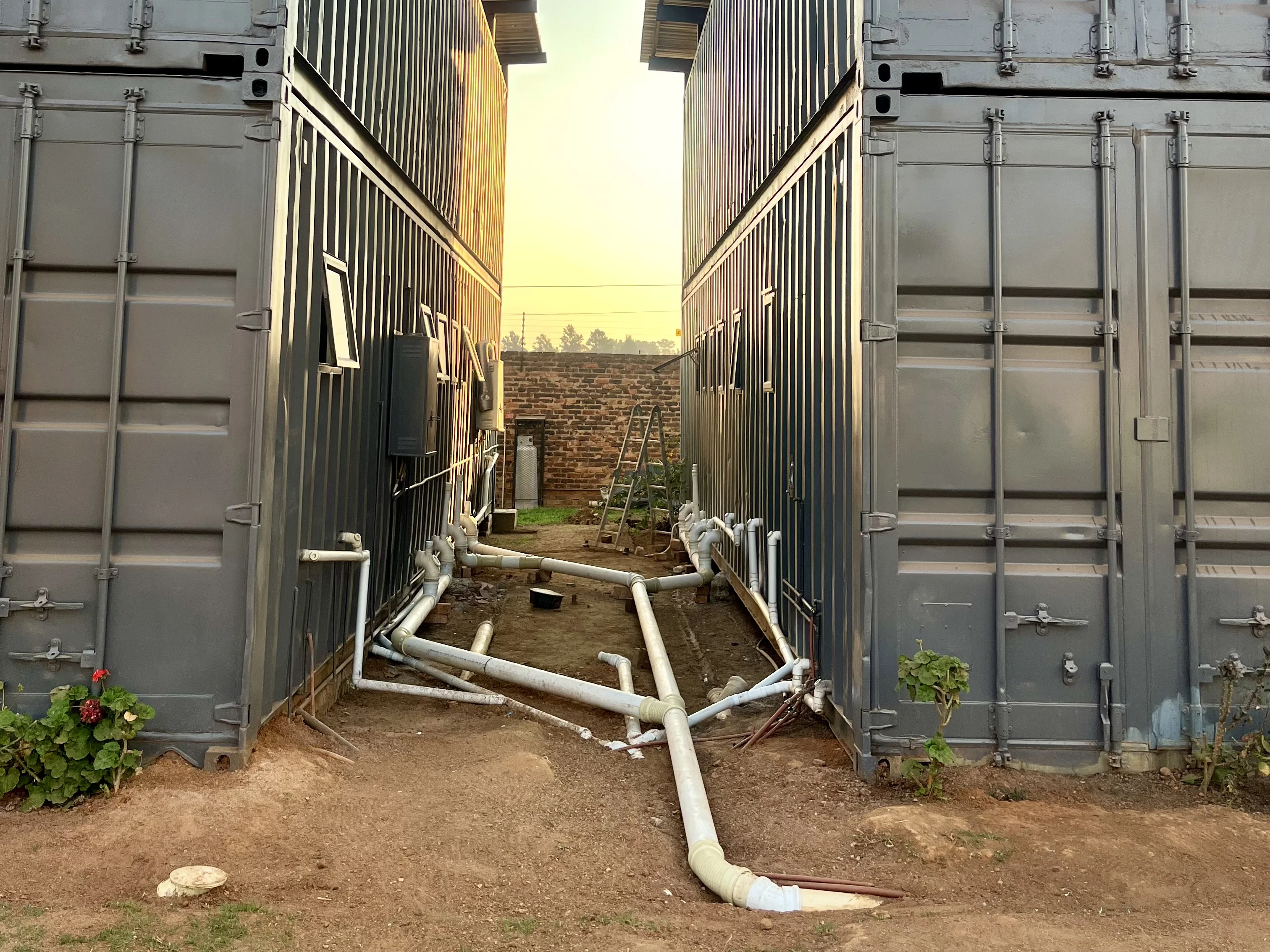
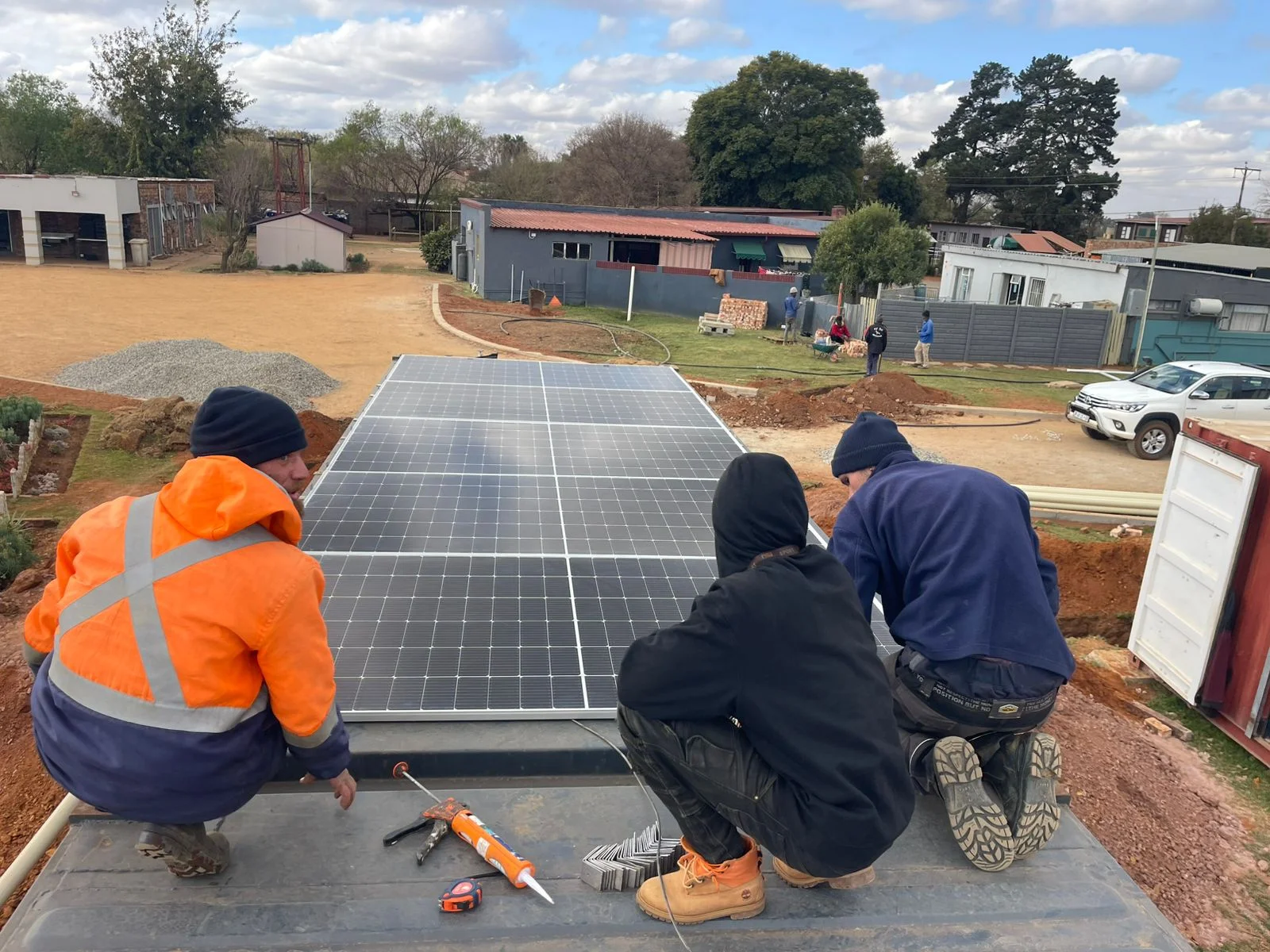
The system treats greywater and blackwater separately. Greywater comes from showers, washbasins and other household activities, while blackwater comes from toilets. Two modular treatment units housed in containers are designed to treat 2,000 litres of greywater and 500 litres of blackwater per day. After solids settle in septic tanks, microorganisms in biological filters break down pollutants. UV treatment and electrochlorination are being assessed as options for subsequent disinfection. Solar panels and battery storage supply the energy required to operate the installation. The design prioritises robust operation, low energy consumption and straightforward maintenance.
The research evaluates treatment performance and determines which applications the treated water can support. Online sensors and regular laboratory analyses monitor operating conditions and water quality. The researchers also assess water flows, energy consumption, maintenance requirements and performance under different wastewater loads. Treated greywater is intended for toilet flushing, irrigation and laundry once the required water quality has been demonstrated. Potential reuse applications for treated blackwater are assessed separately.
ZHAW leads the project and coordinates technology development, technical evaluation and knowledge transfer. Stellenbosch University contributes expertise in water quality monitoring and is developing an affordable online sensor that measures carbon dioxide as an indicator of biological activity. Manger Care Centre manages daily operation and maintenance and integrates the project into its training and reintegration programmes. Khulisa Social Solutions supports the participatory process, risk assessment and evaluation of social impacts.
Key data
Projectlead
Deputy Projectlead
Project partners
Stellenbosch University; Manger Care Centre
Project status
ongoing, started 09/2024
Institute/Centre
Institute of Natural Resource Sciences (IUNR)
Funding partner
Third party
Further documents and links
Publications

School of Life Sciences and Facility Management
Grüentalstrasse 14
8820 Wädenswil