InnoTreat: Towards Personalized Treatment Decisions with Digital Twins
Description
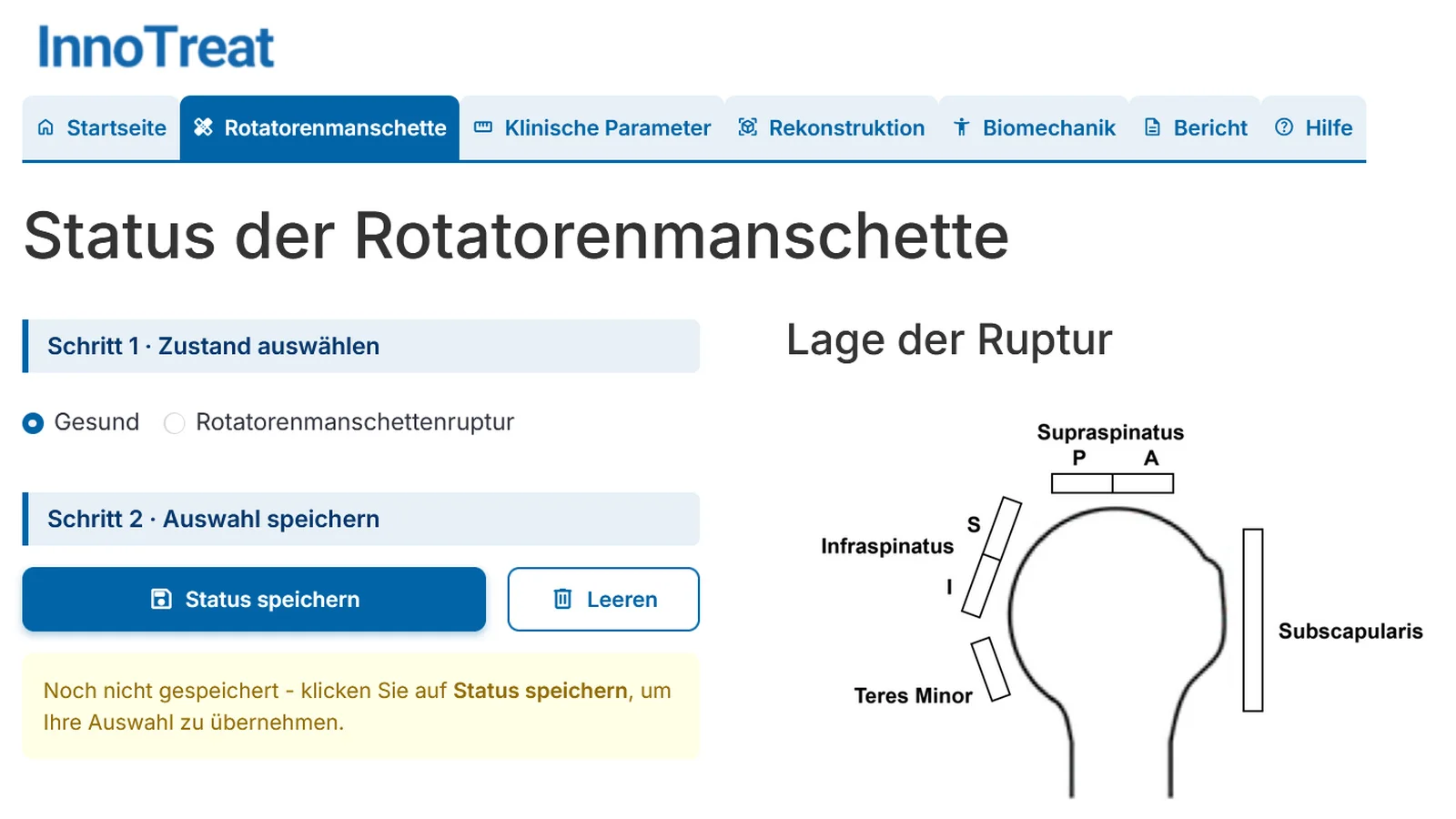
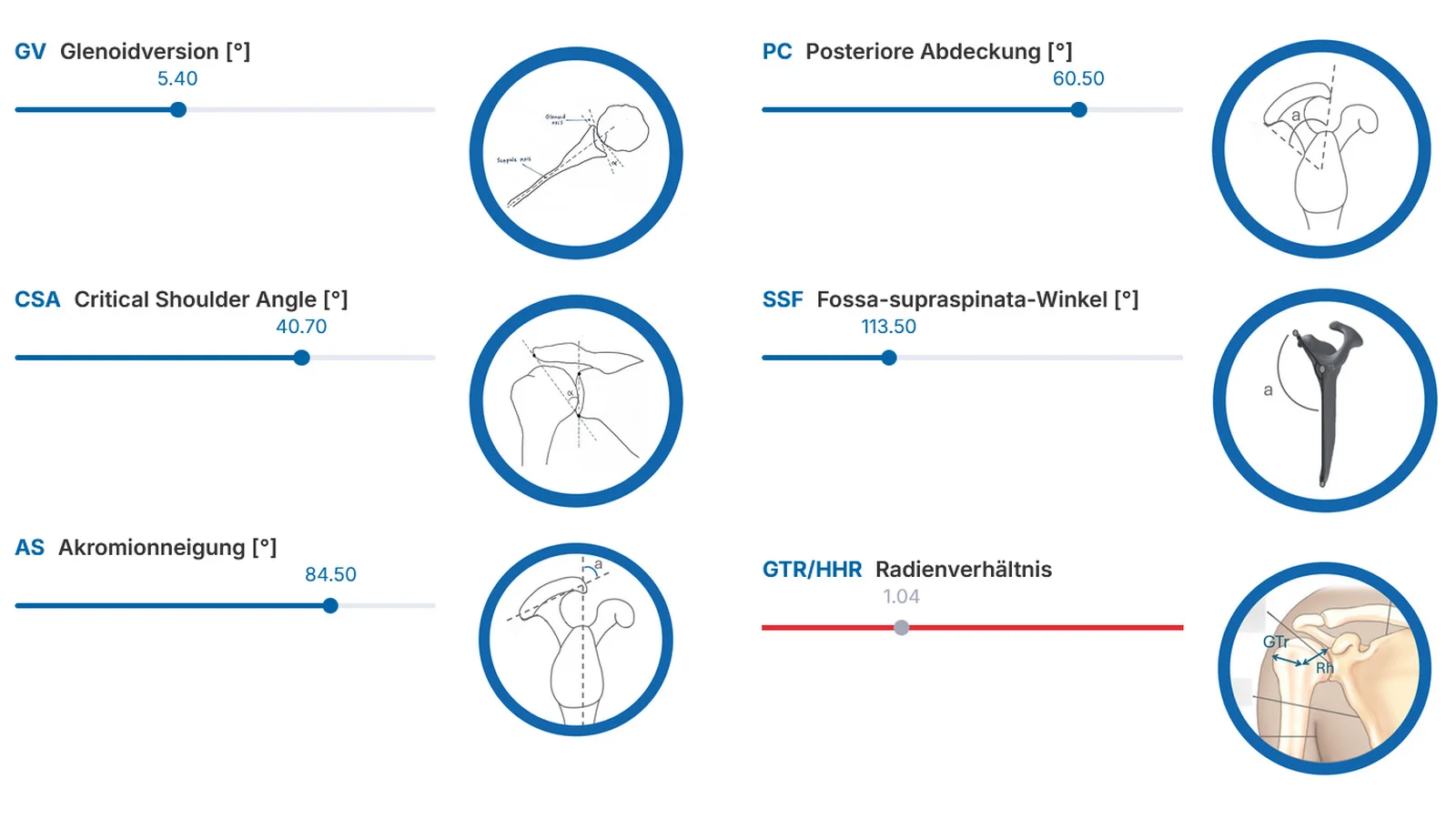
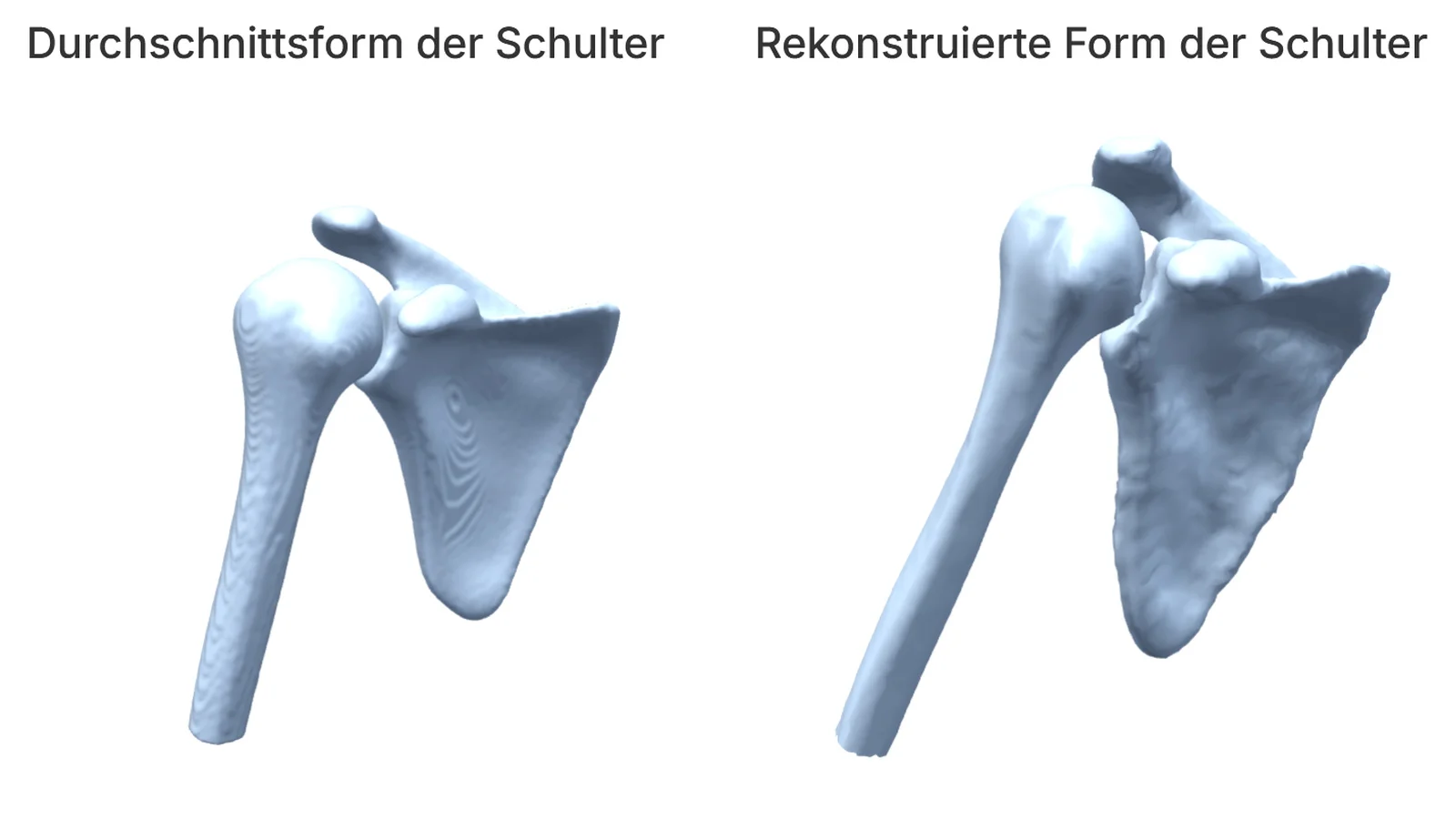
The "InnoTreat: Towards Personalized Treatment Decisions with Digital Twins", initiated by the Digitalization Initiative of the Universities of Zurich (DIZH), aims to personalize clinical diagnosis and treatment decisions for shoulder pathology. By integrating patient-specific anatomy into biomechanical simulations, the project aims to provide insight into the underlying mechanisms of shoulder pathology and thereby improve rehabilitation programs.
Focusing on rotator cuff tears, which affect a significant portion of the population, the project addresses the limitations of current treatment options by developing a digital twin application that visualizes patient-specific diagnoses and altered biomechanics. The multi-institutional collaboration leverages expertise in imaging (University of Zurich), biomechanics (ZHAW, TU Delft), and clinical practice (Universtiy Hopsital Basel) to ensure the success of the project
Key data
Projectlead
Jeremy Genter
Deputy Projectlead
Project team
Andrea Kilchenmann, Lisa Mareschal
Project partners
Universität Basel; Universitätsspital Basel; Universität Zürich UZH / Institut für Rechtsmedizin; Schulthess Klinik; Delft University of Technology; Inselspital Bern
Project status
completed, 11/2024 - 10/2026
Institute/Centre
Institute of Mechanical Systems (IMES)
Funding partner
Digitalisierungsinitiative der Zürcher Hochschulen DIZH
Project budget
310'000 CHF
Partner






Further documents and links

School of Engineering
Technikumstrasse 71
8400 Winterthur