Strategic Decisions and European Collaboration at the EELISA Grand Meeting in Madrid
From 18 to 22 May, representatives of the EELISA European University Alliance gathered at the Universidad Politécnica de Madrid for this EELISA Grand Meeting.
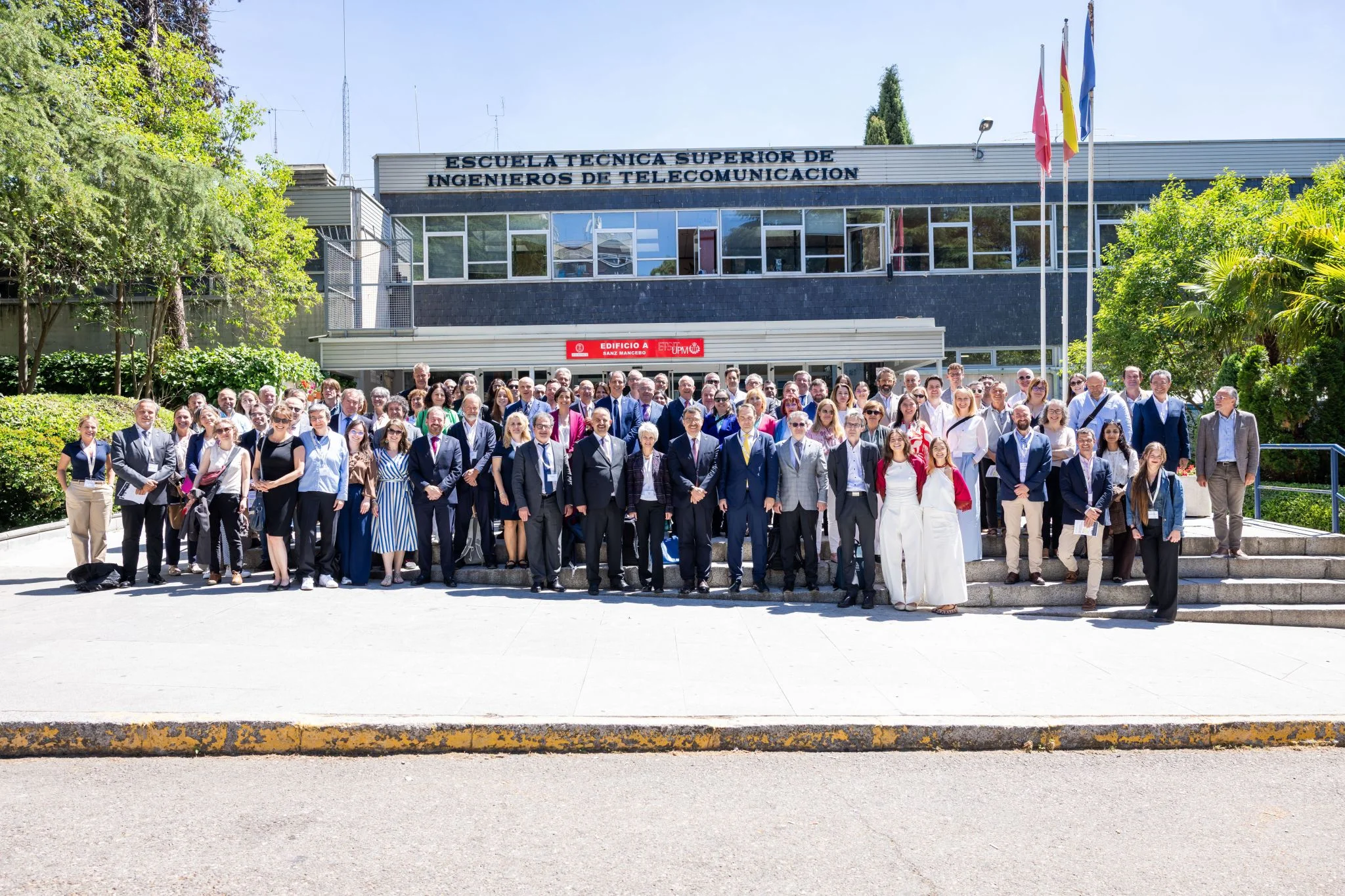
From 18 to 22 May, representatives of the EELISA European University Alliance gathered at the Universidad Politécnica de Madrid for this EELISA Grand Meeting. Over several days, university leadership teams, students, work packages, and communities worked together on the further development of the alliance, focusing on strategic governance, innovation, mobility, and research. Representing the ZHAW Zurich University of Applied Sciences was, among others, President Regula Jöhl.
The Grand Meeting opened with contributions from the host institution, Universidad Politécnica de Madrid, as well as representatives of the alliance. Central to the discussions was the question of how European university alliances can further strengthen their societal impact and foster innovative forms of collaboration in the future. The first-ever EELISA Communities Forum provided important impulses in this regard. Under the title “Communities as Innovation & Impact Labs,” experts from academia and practice discussed the role of interdisciplinary communities as drivers of innovation, social responsibility, and European knowledge exchange.
A key moment of the meeting was the ceremonial handover of the Governing Board chairmanship: President Hasan Mandal passed the chairmanship to President Óscar García Suárez. As a result, UPM will assume a central coordinating role within the alliance for the coming period.
Following this transition, the Governing Board convened under its new leadership and made far-reaching strategic decisions regarding the future direction of the alliance. In particular, the discussions focused on three shared commitments, which were co-signed on behalf of ZHAW.
First, by signing the “Declaration on Open Science,” the partner universities reaffirmed their joint commitment to systematically integrating open science into research, teaching, and institutional structures. This includes making research results openly accessible, establishing common standards for research data, and actively promoting competencies in the field of open science.
Second, the members of the Governing Board agreed to further strengthen the EELISA Communities as a central element of the alliance. In the future, these communities are intended to play an even stronger role as interfaces between academia, society, industry, and public institutions, thereby fostering interdisciplinary innovation and knowledge transfer. Read the Joint Statement here.
Third, the Governing Board supported the development of a joint European degree programme, the “Bachelor in Science and Engineering.”
These decisions mark important milestones on the path toward a stable and effective long-term European university alliance and underline the shared commitment to open science, innovative teaching formats, and stronger European networking in research and education.
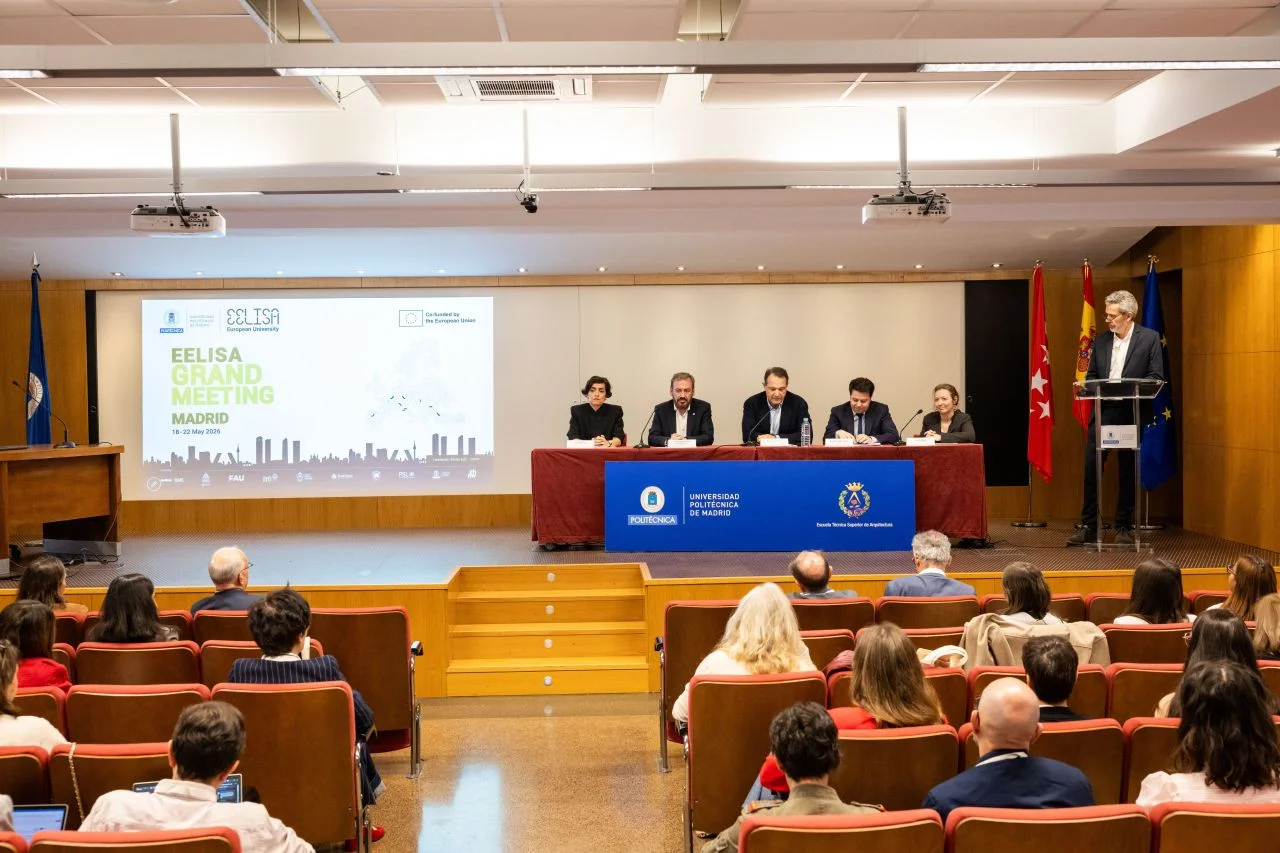
The Executive Board also devoted its two-day meeting to strategic questions surrounding the future of EELISA. Discussions focused on current expansion processes, upcoming funding calls, and initial planning for the next development phase, “EELISA 3.0.” For ZHAW, this opens up new opportunities for international collaboration, for example through joint teaching formats, research initiatives, and mobility programmes for students and staff.
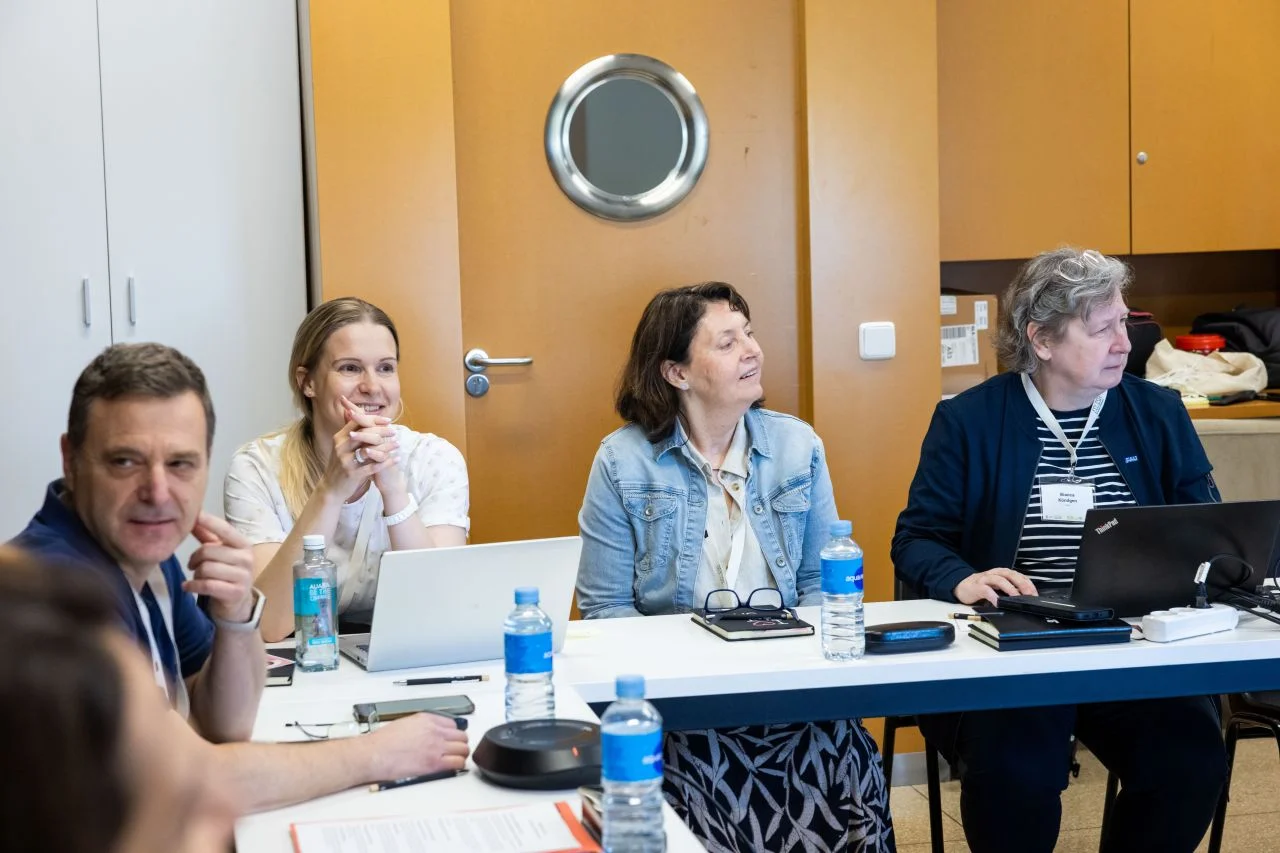
ZHAW contributes - from Architecture to Staff Representation
At the same time, numerous thematic working groups and communities worked on concrete projects and initiatives. The EELISA Communities Forum combined so-called “Targeted Skill Labs” with a “Networking & Impact Lab,” in which cooperation models between EELISA Communities and external organisations were discussed. The goal is to position the communities even more strongly as platforms for practice-oriented collaboration, knowledge transfer, and social innovation in the future.
The EELISA Student Council Elections further strengthened student participation within the alliance. Among those elected were new Co-Chairs, representatives for budget matters, and members of the Evaluation Committee. Student representatives from ALIAS also took part, contributing the perspectives and interests of ZHAW students to the European collaboration.
Additional working sessions focused on topics such as Entrepreneurship & Innovation, Joint BIP Calls, Staff Weeks, sustainable mobility, and Gender Equality & Diversity. A workshop on equality and diversity provided additional momentum for inclusive structures and programmes within the alliance. Preparations also began for the EELISA Mobility Symposium 2027.
ZHAW was also actively involved on a disciplinary level: the Department of Architecture participated in discussions within the EELISArch Community. The aim of this community is to strengthen collaboration between architecture schools within the network and to highlight architecture and spatial thinking as important contributions to interdisciplinary research. At the same time, EELISArch promotes exchange on social responsibility, creativity, and sustainable design in times of global challenges.
For ZHAW, the meeting in Madrid is also of particular significance in view of the coming months: the next EELISA Grand Meeting will take place at ZHAW in November.