AIT Nepal 2026/27: UrbanEcho
Meet Grace Kagho, one of the ten participants in the 2026/27 edition of the Academia-Industry Training Nepal program.
Interview with Grace Kagho
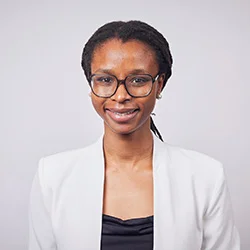
“UrbanEcho helps cities make better decisions by bringing together fragmented urban data into a clear, practical picture of how a city functions. We focus on rapidly growing regions where planners often lack the information needed to respond effectively to climate risks, infrastructure pressures, and changing communities.”
What problem does your startup solve, and why is it important to you personally?
UrbanEcho helps cities make better decisions by bringing together fragmented urban data into a clear, practical picture of how a city functions. We focus on rapidly growing regions where planners often lack the information needed to respond effectively to climate risks, infrastructure pressures, and changing communities. This matters to me personally because, growing up, I saw how the absence of good data and planning tools can limit opportunities for the people who need them most.
What inspired you to become a sciencepreneur, and what has been your biggest “aha!” moment so far?
I am motivated by the chance to turn scientific research into tools that people can use to make better decisions. My biggest “aha!” moment was realizing that developing better transport and urban planning models is only part of the challenge, models and simulations only make a difference if they are accessible, understandable, and fit naturally into the way decisions are made. Entrepreneurship is a way to help close that gap.
What unique perspective does your academic background bring to your startup?
My academic background taught me to navigate uncertainty, question assumptions, and above all view cities as living, dynamic, and interconnected systems. This shapes how we build at UrbanEcho. Instead of creating tools that just map isolated datasets, we build holistic and intuitive frameworks designed to help decision-makers understand the bigger picture and make more informed and impactful decisions about their cities.
What’s one surprising lesson you’ve learned since launching your startup?
One surprising lesson, even if obvious in hindsight, has been how differently research and business defines success. In academia, the goal is often to generate new knowledge; in a startup, it is to solve a real problem for users. There can be a significant overlap between the two goals, but it is frequently not the case. I have learned to focus first on the immediate problems people face rather than the bigger challenges we would eventually like to solve.
If you could host a dinner with three innovators (past or present), who would they be and why?
Richard Feynman, Senku Ishigami from Dr. Stone manga/anime, and Cyrus Smith from The Mysterious Island book. They have relentless curiosity, creativity and an ability to solve difficult problems with limited resources, especially the last two. I really admire how they combine scientific thinking with a practical action-oriented mindset and they persevere through uncertainty, working with others to turn ambitious ideas into reality.