AIT India 2025/26: Impact Build
Meet Kunaljit Chadha, one of the ten participants in the 2025/26 edition of the Academia-Industry Training India programme.
Interview with Kunaljit Chadha
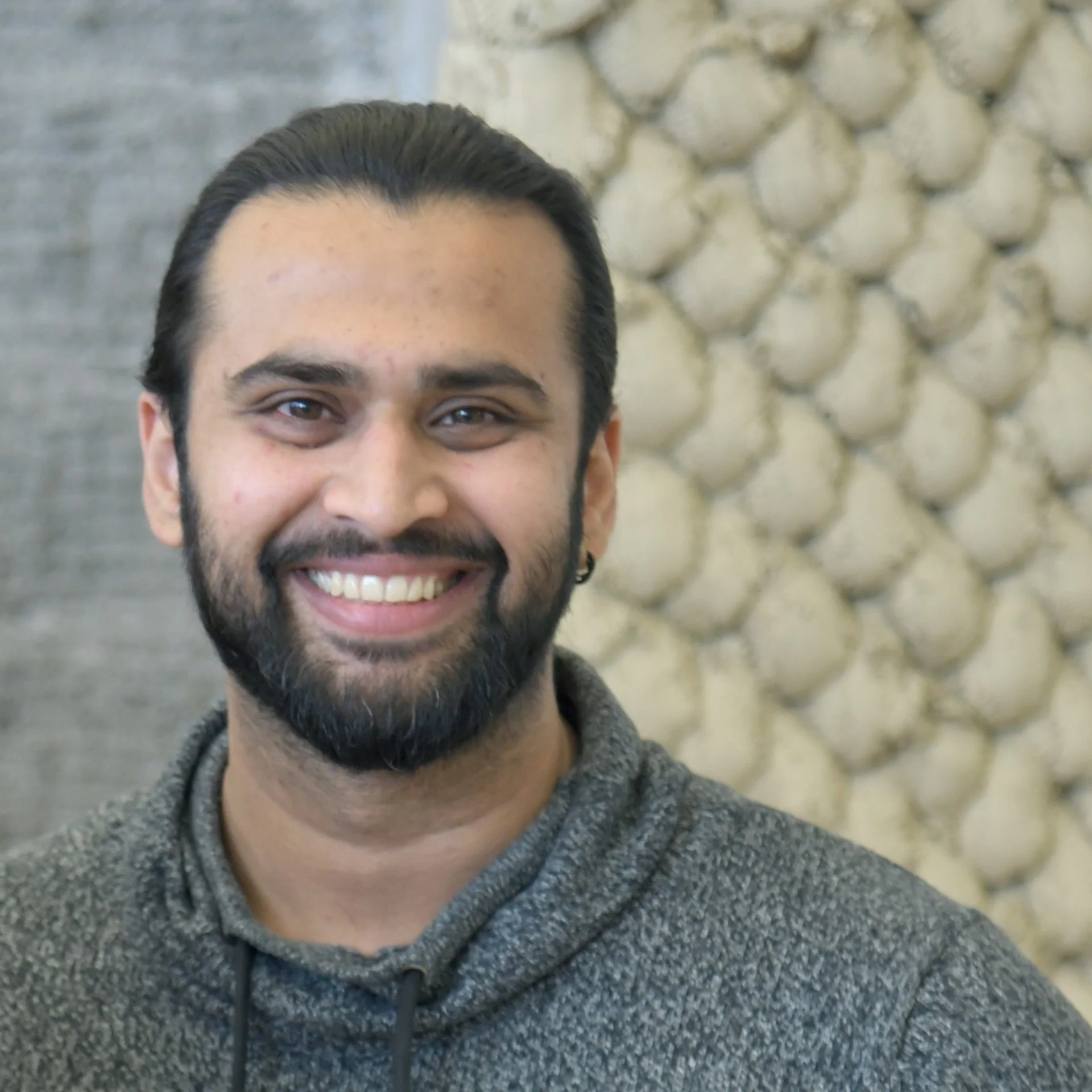
“Our startup tackles the building industry’s massive CO2 emissions, waste, and labor shortages by transforming excavated soil, normally landfilled, into low-carbon, cost-competitive building products with robotics.”
What problem does your startup solve, and why is it important to you personally?
Our startup tackles the building industry’s massive CO2 emissions, waste, and labor
shortages by transforming excavated soil, normally landfilled, into low-carbon,
cost-competitive building products with robotics. This matters to me personally because,
growing up in India and later researching at ETH Zurich, I saw both the urgent need for
affordable housing and the potential of technology to make construction truly sustainable
and efficient at scale.
What inspired you to become a sciencepreneur, and what has been your biggest “aha!” moment so far?
I’ve never believed in finding solutions in silos. Moving to Europe allowed me to pursue my Master’s and PhD in an interdisciplinary framework, where I learned to approach problems from multiple perspectives. My biggest “aha” moment came when we successfully printed a 2-meter-tall structure using our impact printing method with only construction by-product material mix, without chemicals. It wasn’t just a technological breakthrough; seeing waste material transformed into a durable, low-carbon building product made me realize this could scale beyond research into a business with real environmental and social impact.
What unique perspective does your academic background bring to your startup?
My academic path has never had a single “home”. I’ve worked at the intersection of design, mechatronics, robotics, and material science. This mix of skills allows me to move quickly from idea to implementation. While I’m still learning the business side, this interdisciplinary foundation gives me the agility to turn concepts into reality fast.
What’s one surprising lesson you’ve learned since launching your startup?
Test fast, fail fast, and move on to the next. In research, perfection is the goal, but in
startups, speed and iteration are what drive progress.
If you could host a dinner with three innovators (past or present), who would they be and why?
If I could host a dinner with three innovators, I’d invite Nikola Tesla for his visionary thinking and relentless pursuit of bold ideas far ahead of his time. Ratan Tata, for his ability to combine business leadership with deep social impact, especially in making technology accessible and meaningful in India. And Elon Musk, for his audacity in scaling high-risk technologies into industries that once seemed untouchable. Together, they represent vision, responsibility, and scale, the balance every sciencepreneur needs.