Developing a framework for certifying AI systems
Using AI to operate autonomous vehicles or generate medical diagnoses requires clear regulations. ZHAW researchers have developed a tool to assess AI safety and compliance.
Artificial intelligence (AI) is increasingly used in safety-relevant areas, including transport or medicine. As of August 2026, the EU will require such systems to be certified. The aim is to safeguard reliability, ensure the traceability of decision-making processes, establish appropriate human oversight and prevent undesirable outcomes such as algorithmic discrimination.
To assess these systems, the Centre for Artificial Intelligence (CAI) and the Institute of Applied Mathematics and Physics (IAMP) at the ZHAW School of Engineering have developed a certification framework called certAInty. The framework was systematically evaluated using real-world examples, such as the AI-based detection of construction vehicles in various weather conditions. The project also involved CertX, a cybersecurity company that is already using the framework as the basis for assessing AI solutions.
Using AI responsibly
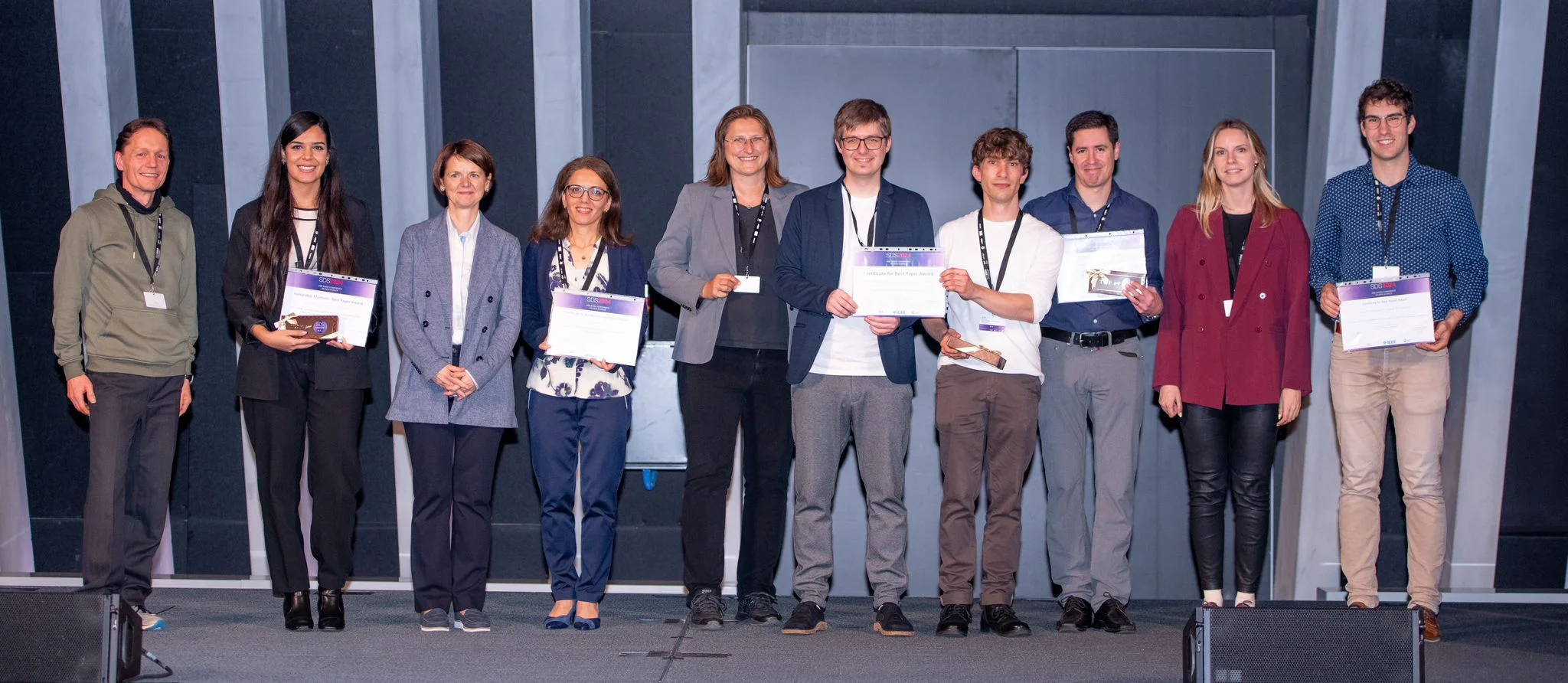
“The tool offers companies and regulatory authorities a practical framework for the responsible use of AI technologies,” says co-project leader Joanna Weng. Her colleague Ricardo Chavarriaga adds: “Certification by an accredited body increases trust in AI, accelerates its acceptance and enables its use in safety-critical applications.” The team won the Best Paper Award at the 2024 Swiss Conference on Data Science for this innovation.