ZHAW summer schools combine learning and real-world experience
From discussing the future of energy in the Alps and designing with wood and stone to developing digital health solutions, the ZHAW’s summer schools offered a wide range of learning experiences.
For two weeks last summer, the small village of Falera in the Swiss Alps turned into an open-air lecture room. For the roughly 30 participants of the Alpine Summer University, discussions about renewable energy took place not only in the seminar room but also in the surrounding Alpine landscape. While mornings were reserved for specialised lectures, the afternoons were filled with excursions to solar and hydroelectric power stations. This allowed participants to connect theoretical concepts with real-world application.
The topics ranged from technical basics and industrial manufacturing processes to policy frameworks for the energy transition. The Alpine Summer University is a joint project of the ZHAW, the ISUres association and the EELISA network, which connects ten universities in eight countries.
Integrating local material in modern architecture
In its third edition, the Wood and the City summer school at the ZHAW School of Architecture, Design and Civil Engineering focused on the relationship between wood and other materials – particularly stone.
By designing and building wood-stone hybrid structures on a model scale, participants gained hands-on experience and a deeper understanding of the impact and potential applications of these materials. They also explored the diversity of wood and stone resources found in different regions.
A core pillar of the summer school is the collaboration between architectural practice, research and industry: the programme also included visits to wood and stone producers in their factories and quarries. The revival of traditional methods and the integration of local resources contribute significantly to the shift towards sustainable building practices.
Analysing market needs and developing product strategies
The fourth edition of the HealthTech summer school focused on identifying market needs and opportunities, developing innovative, digital health solutions, designing medical products and creating early-stage business plans. The Stanford Biodesign methodology served as the basis for the interdepartmental programme run by the ZHAW School of Management and Law and ZHAW entrepreneurship.
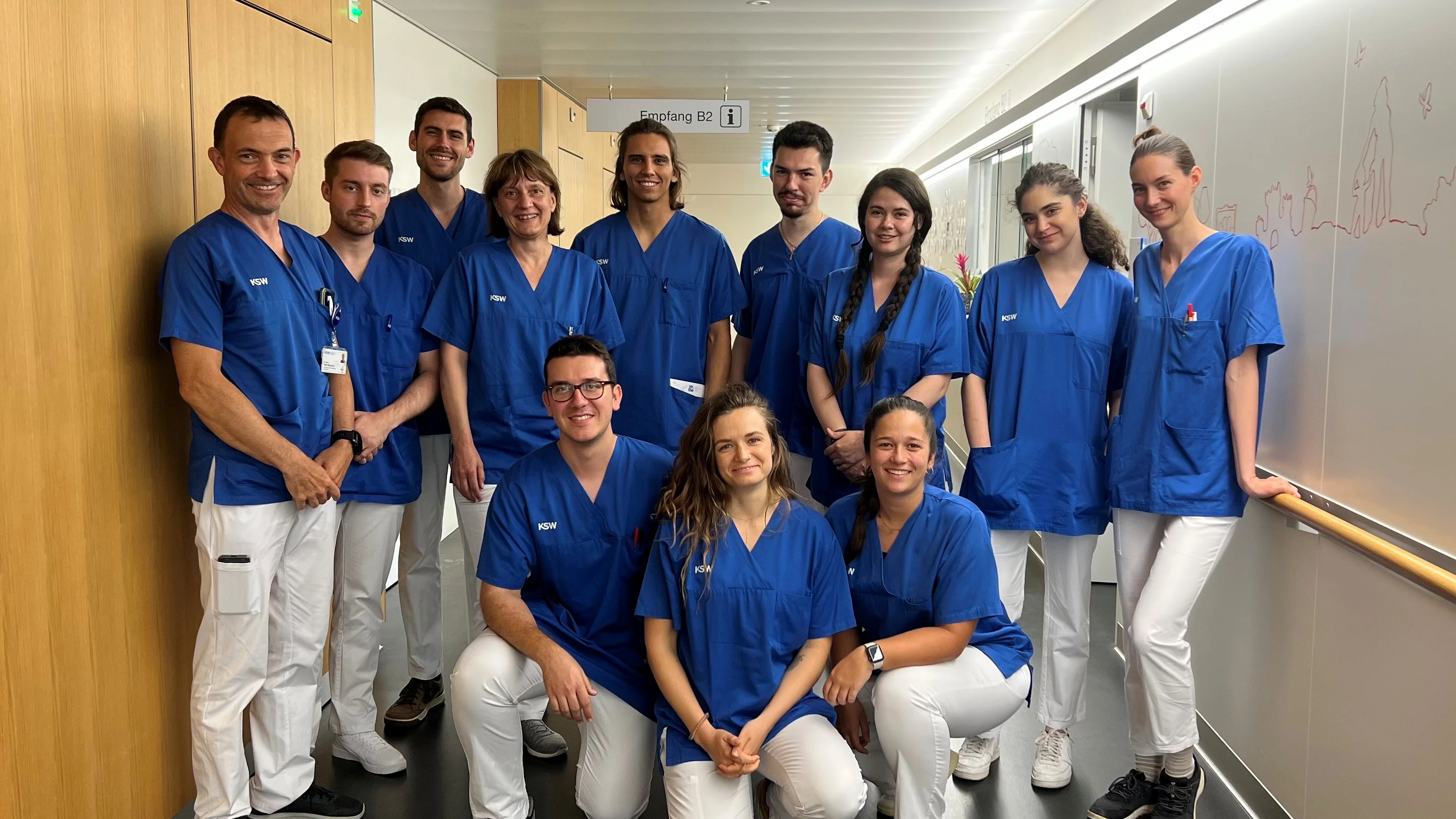
Participants not only benefited from working in interdisciplinary teams consisting of professionals from the fields of engineering, data analysis, health sciences and economics but also from intensive coaching by industry experts. Additionally, the programme included visits to the Department of Neuroradiology at University Hospital Zurich (USZ), the Diabetes Center Berne as well as the neonatology department at Kantonsspital Winterthur and the USZ diabetology team.