Programme helps people with osteoarthritis maintain a good quality of life
The GLA:D programme brings international guidelines for the treatment of osteoarthritis into practice in Switzerland. The aim is to promote self-management and a better quality of life for people with osteoarthritis.
In Switzerland, more than one-third of people over 75 have knee osteoarthritis. Both knee and hip osteoarthritis are widespread. A combination of counselling, patient education, exercise and, where necessary, weight management has been shown to reduce pain. According to international clinical guidelines, targeted training and therapeutic exercises are the recommended first-line treatment for hip and knee osteoarthritis.
However, these conservative treatment methods remain underutilised in Switzerland. This gap between clinical guidelines and practice is reflected in the high number of joint replacement procedures: according to the OECD, Switzerland has the highest rate of such procedures in the world, with 323 hip replacements and 273 knee replacements in 2021.
Promoting self-reliance and a better quality of life
The Institute of Physiotherapy at the ZHAW School of Health Sciences founded the GLA:D Switzerland interest group with multiple partners in 2019 to launch the GLA:D osteoarthritis programme in Switzerland. It was originally developed in Denmark and implements the recommendations of international clinical guidelines.
The project includes a standardised training and exercise programme as well as systematic data collection throughout the treatment process. It promotes self-management for people with osteoarthritis and thereby enables a self-directed and healthy lifestyle.
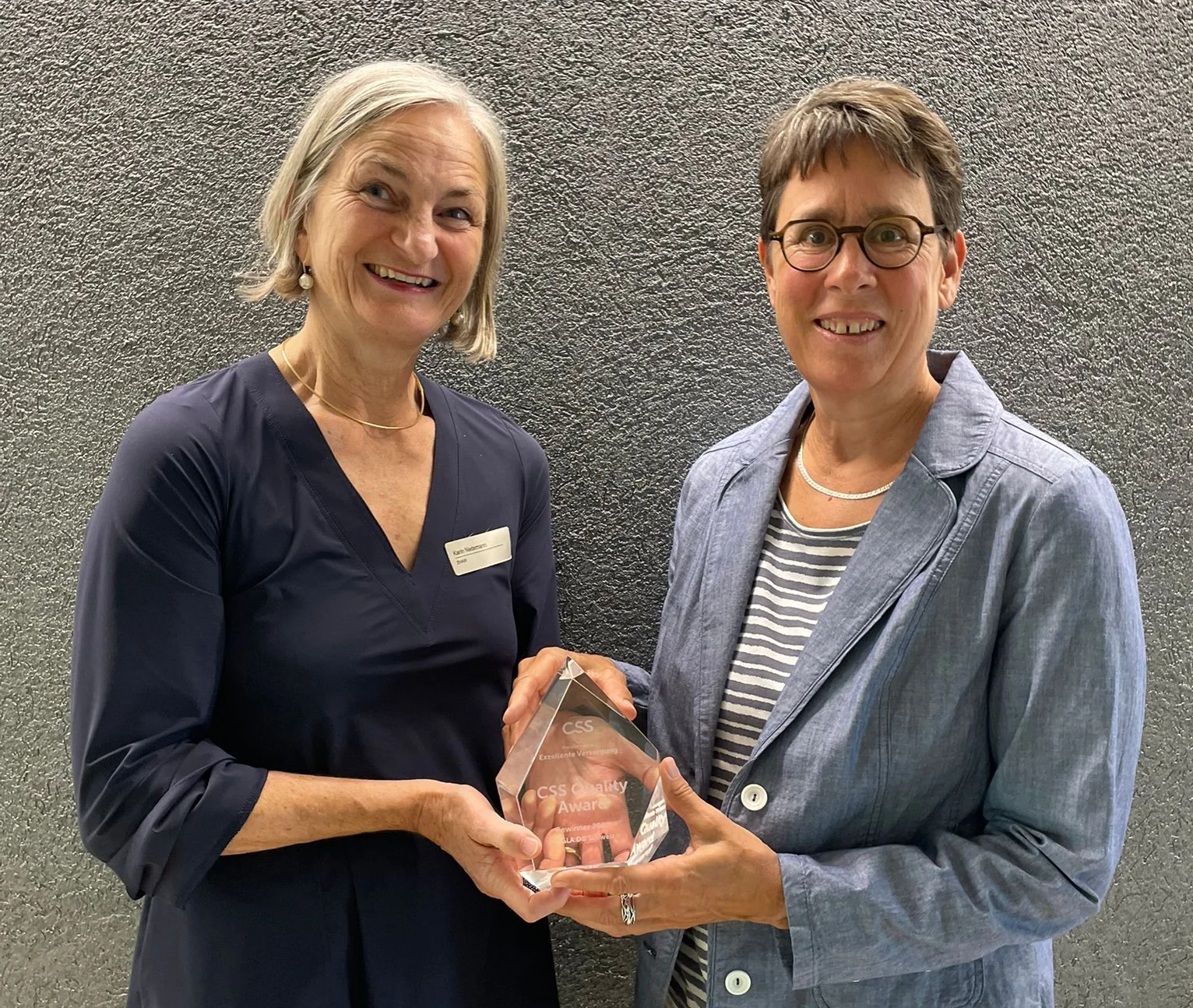
After four years, funding from the Swiss Health Promotion Foundation (Gesundheitsförderung Schweiz) is coming to an end. However, the GLA:D interest group has secured a follow-up funding and has also received the CSS Quality Award.
More information about the project (in German)