10 years ZHAW Datalab
“Interdisciplinary” is a word that everyone uses, when asked how science projects should ideally take place. The ZHAW Datalab, one of the first Data Science labs in Europe, embodies exactly this notion. The 2023 symposium not only showcased successful examples, but it also highlighted the goals of the Datalab: it connects potential teammates, fosters ideas and enables applied research, education and innovation in the field of data science.
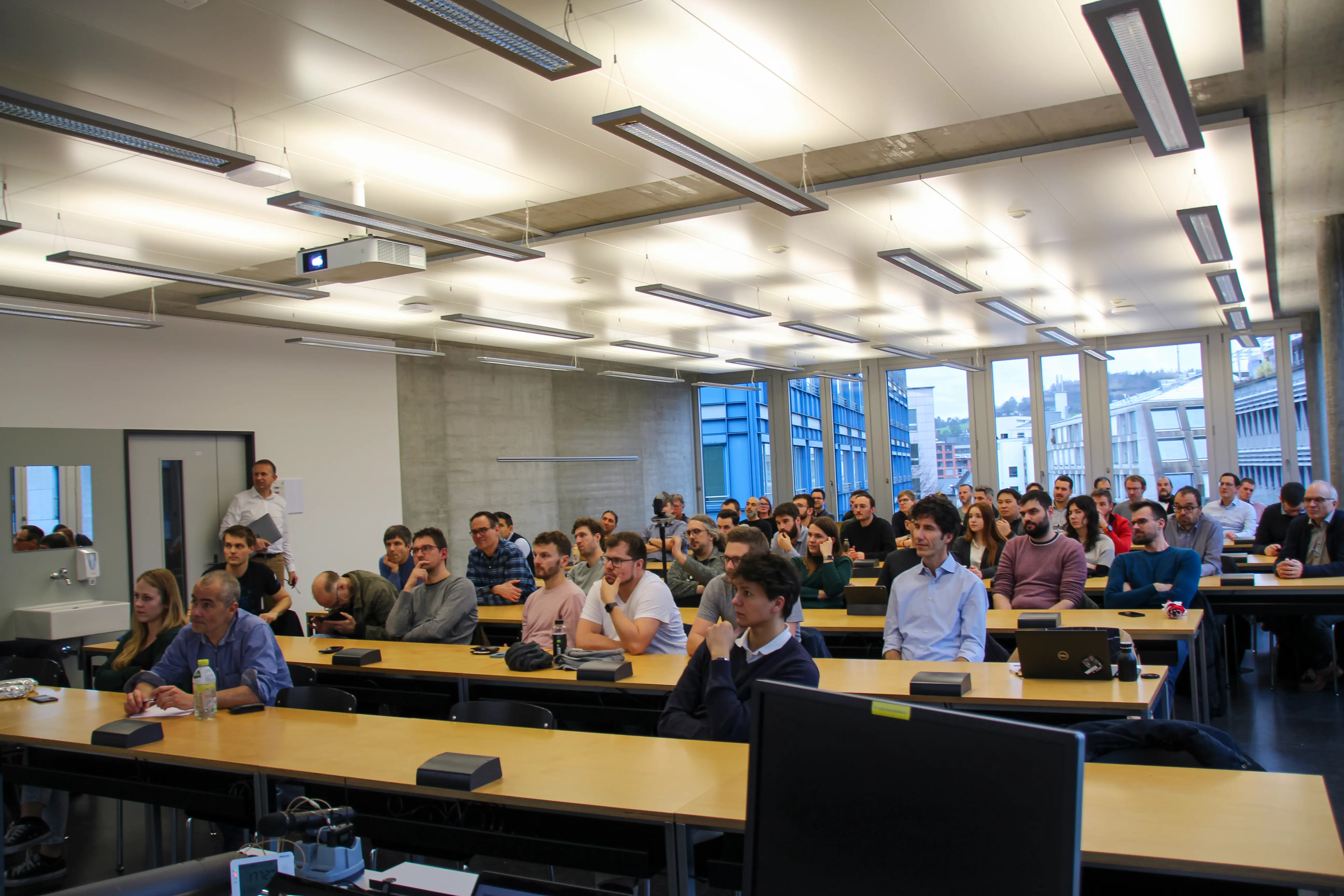
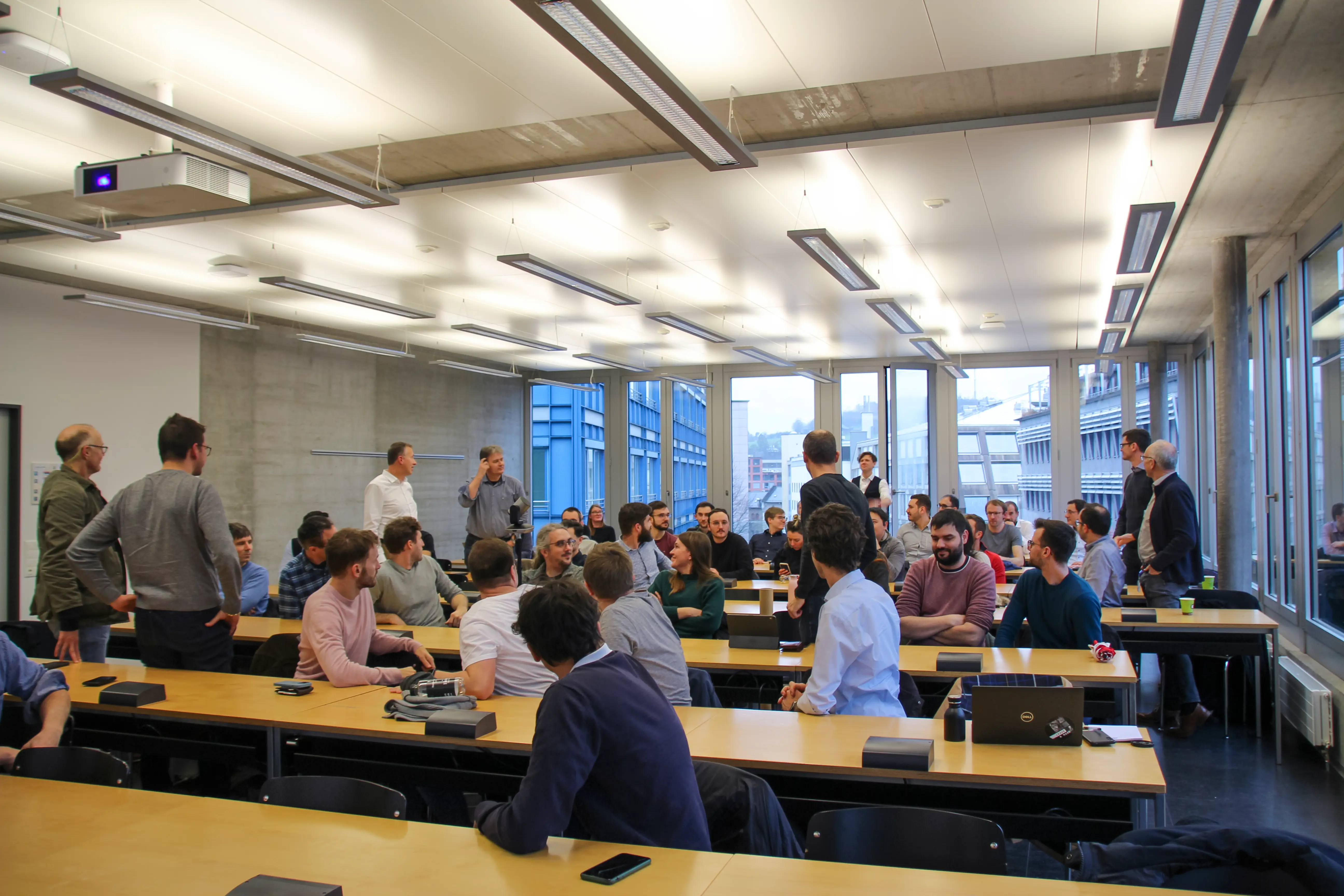
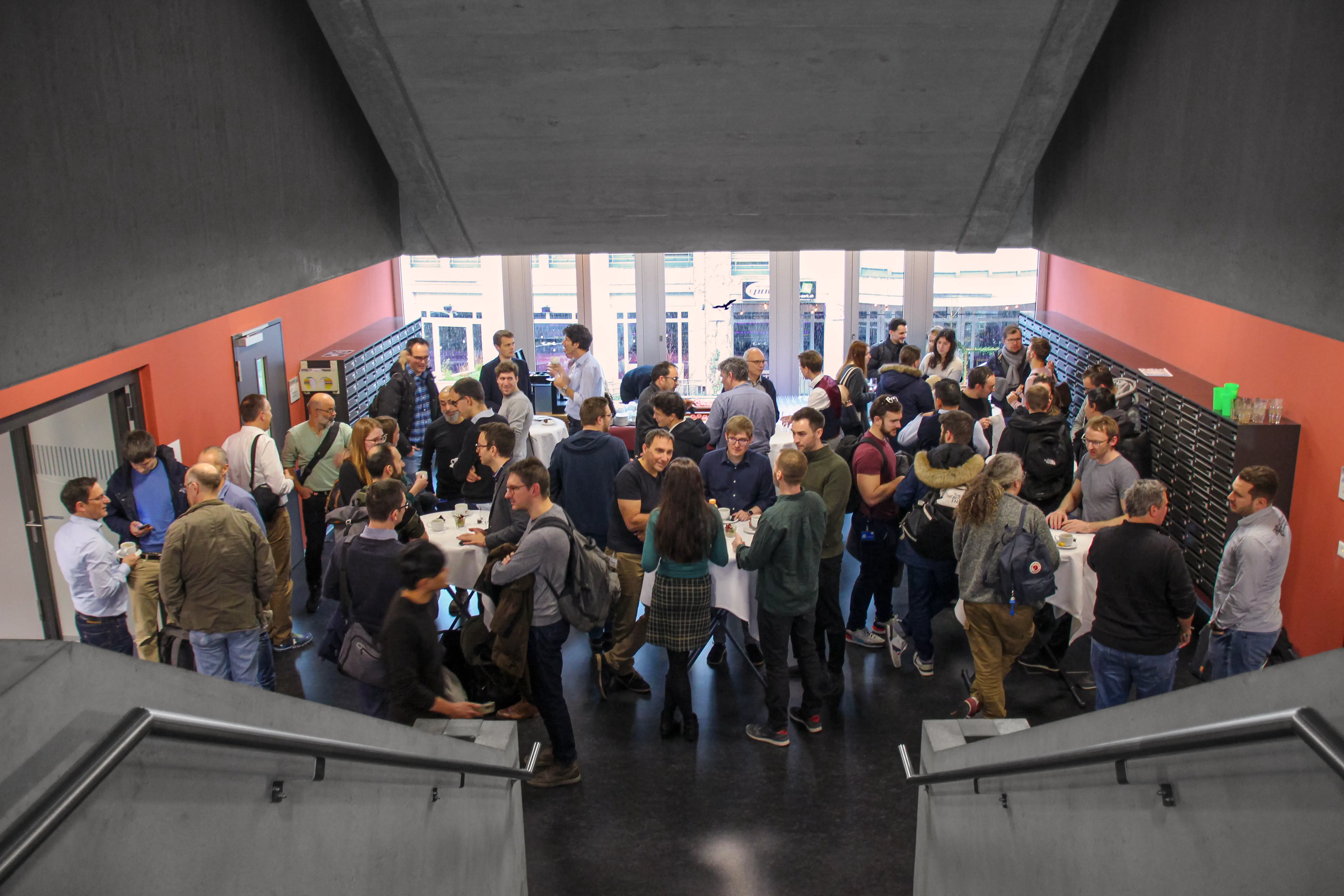
Scanning the room full of people, Kurt Stockinger, co-head of the ZHAW Datalab, makes a memorable statement: “You don’t have to solve everything alone. Data science is a team sport.” For ten years, the Datalab has been providing the playfield and coaches for this discipline. One such “coach” is Céline Reinbold, the program director of Applied Digital Life Sciences. As key contact for the various data-centric teaching programs across the departments she supports education efforts and collaborations among lecturers and program directors.
Interdisciplinary and Applied Research
Next to education, research is a key element of the Datalab. Two long-term projects started this year that provide space for participation and experiments. They are both funded by the Digitalization Initiative of the Zurich Higher Education Institutions (DIZH). The first one is the innovation structure “Digital Health Zurich”. It brings together clinics, industry partners and university experts from fields like health and computer sciences. The second project “LINA” is an infrastructure for the development and safe testing of autonomous systems. “Centrally located at Dübendorf airport, it will connect researchers, partners from industry and politics and the public”, emphasizes Peter Lenhart from the Center for Aviation at ZHAW.
Mix and Match
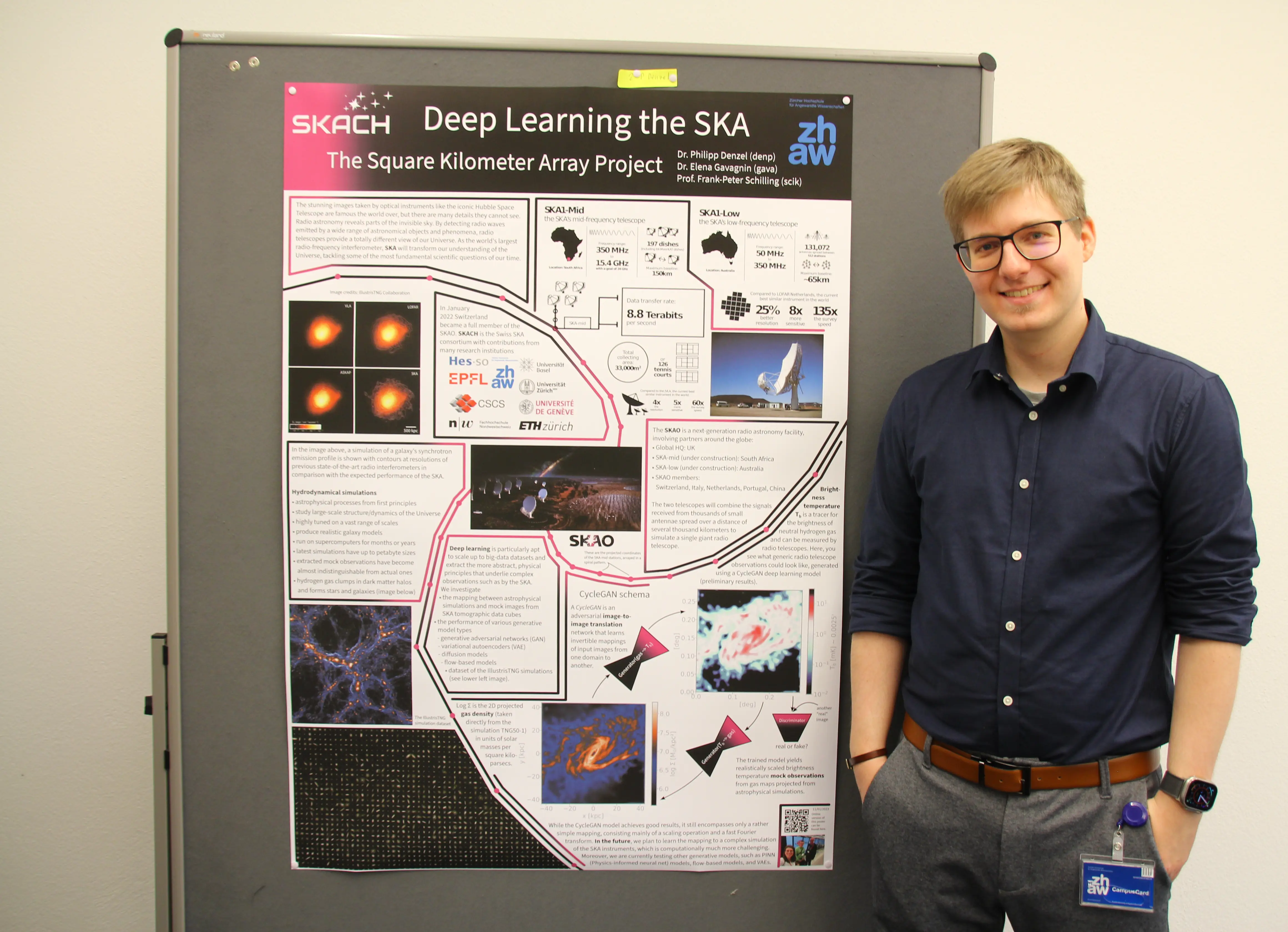
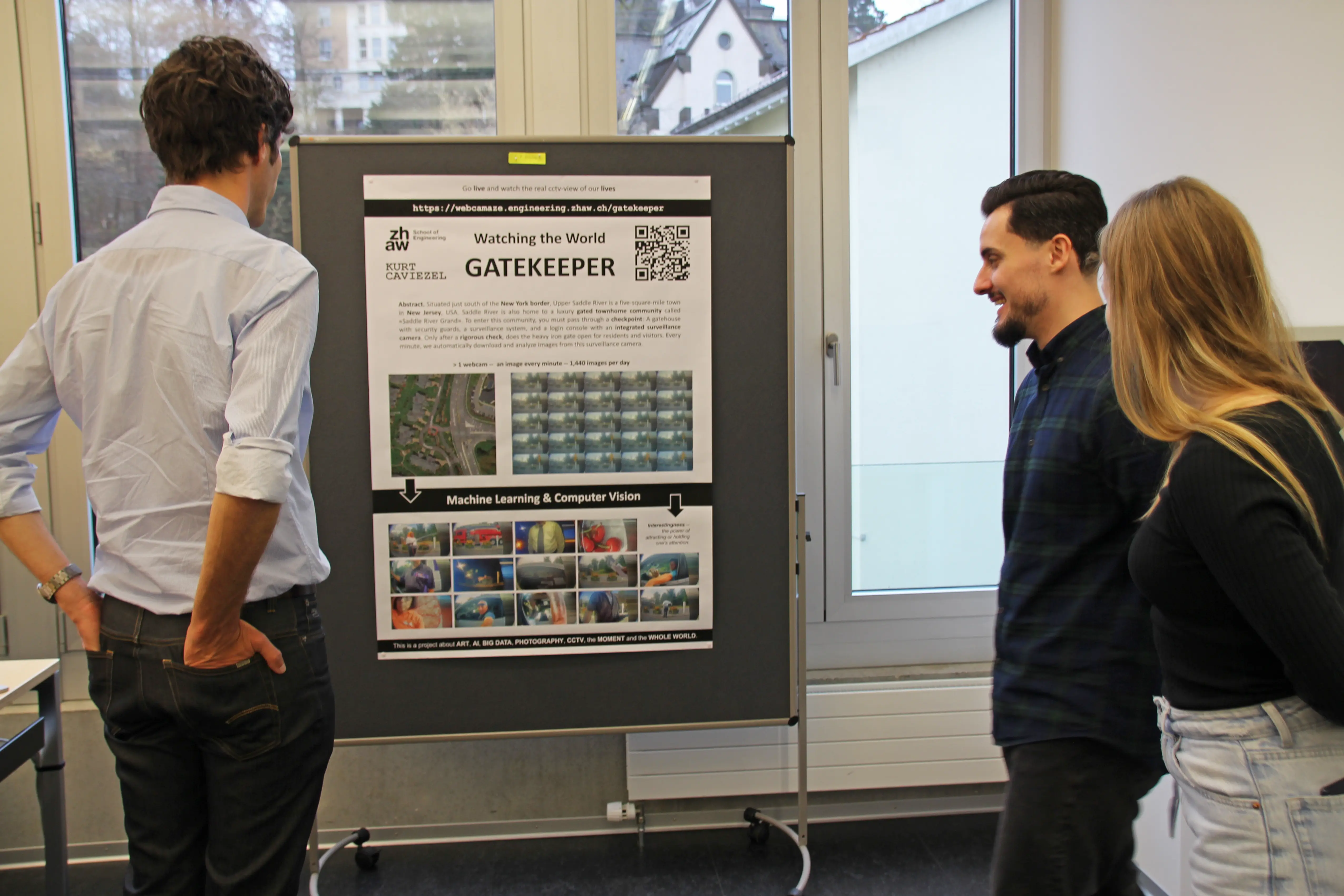
A raise of hands shows that next to the founding members of the Datalab many attendees of the symposium are newcomers. “Each of you has specialized skills”, points out Kurt Stockinger. “Do not be shy to find people that can help you in your projects”, he encourages. During the poster session, teams from different institutes present their projects and network. For instance, Philipp Benedikt Denzel uses deep learning methods on astrophysical data from the SKA project, Fitim Abdullahu shows the art project “Watching the World 2.0” and Catherine Kosten and team use AI to query the football world cup databases in natural language (photos above). Interested parties that could not attend the symposium can contact the Datalab. “We can help you apply for funding, connect you to partners in academia and industry and hope to facilitate new ideas by organizing conferences and meetings such as this one”, says Manuel Dömer, co-head Datalab and program director Data Science.
What is the ZHAW Datalab?
The Datalab was founded in 2013 as one of the first Data Science labs in Europe. It currently comprises 12 institutes and centers from 4 different departments (School of Engineering, Life Sciences and Facility Management, School of Management and Law and Applied Linguistics). The members have a background in research and teaching, established a network of data scientists and have connections to partners from industry.
The research agenda covers areas such as database and big data technology, data mining, statistics and predictive modelling, machine learning, privacy, security and ethics and much more.
Datalab - The ZHAW Data Science Laboratory