Self-powered sensors detect water leaks
A team of engineers from the ZHAW and Eawag have developed a smart-sensor system to monitor drinking-water mains. The system has an independent power supply and transmits data wirelessly.
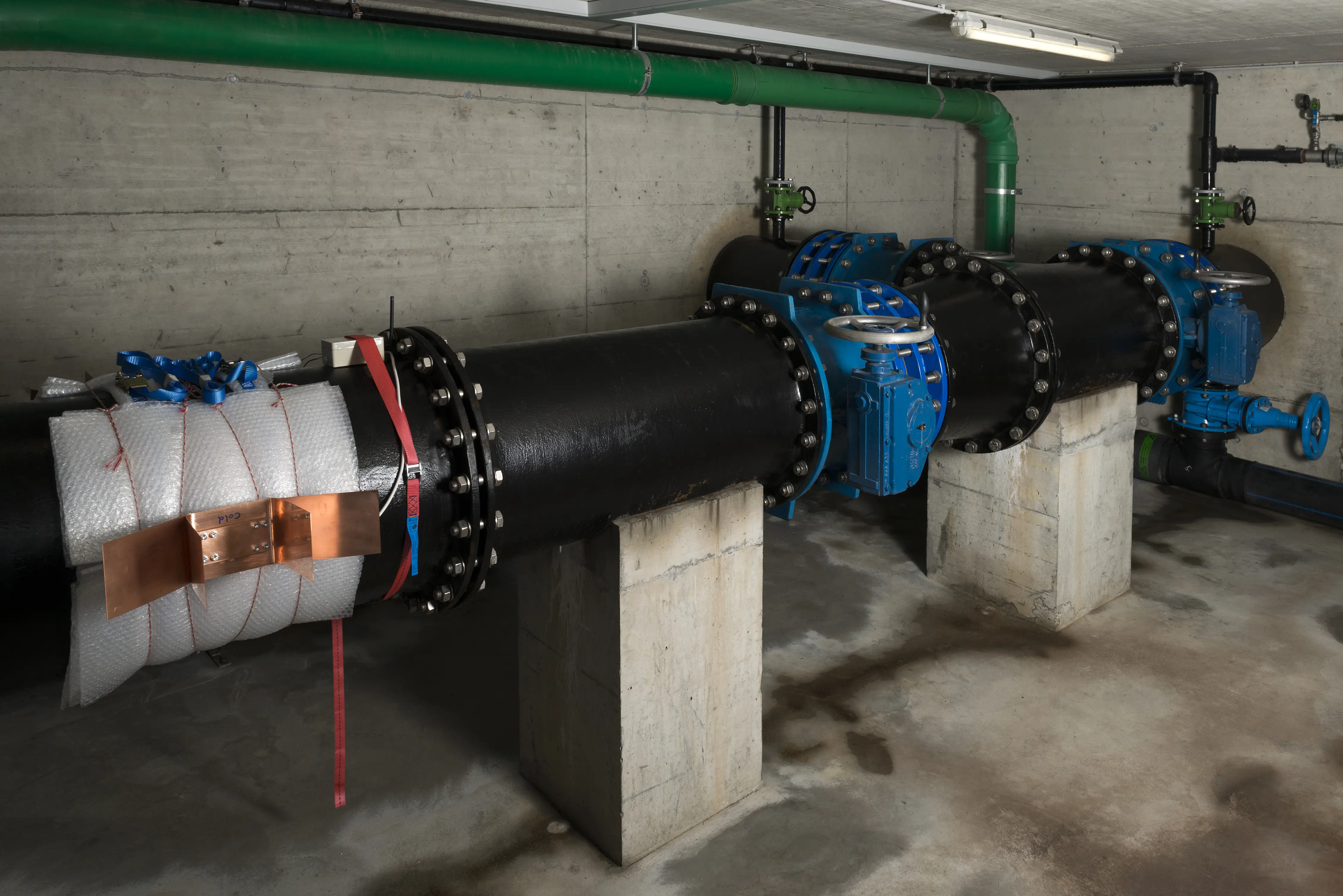
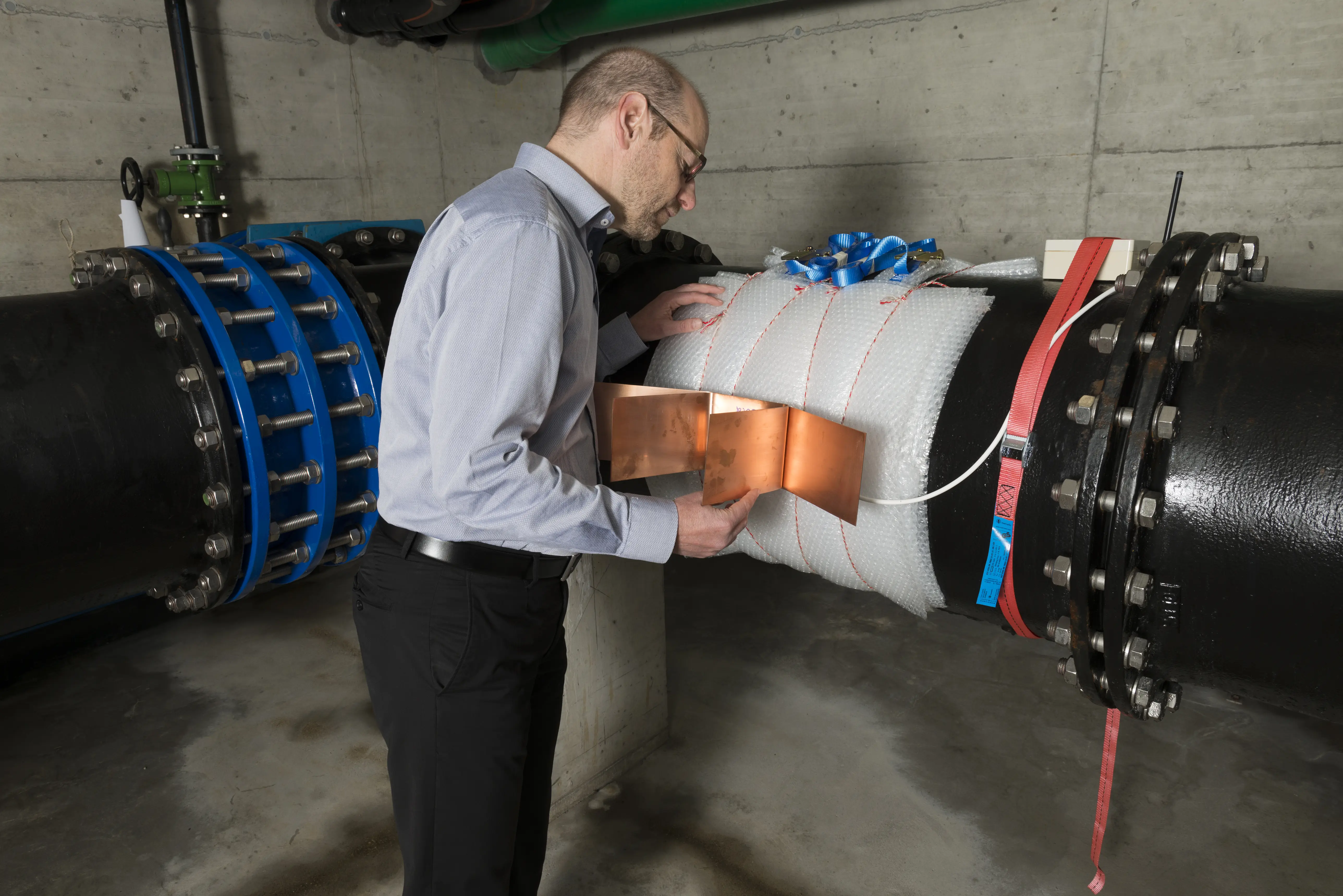
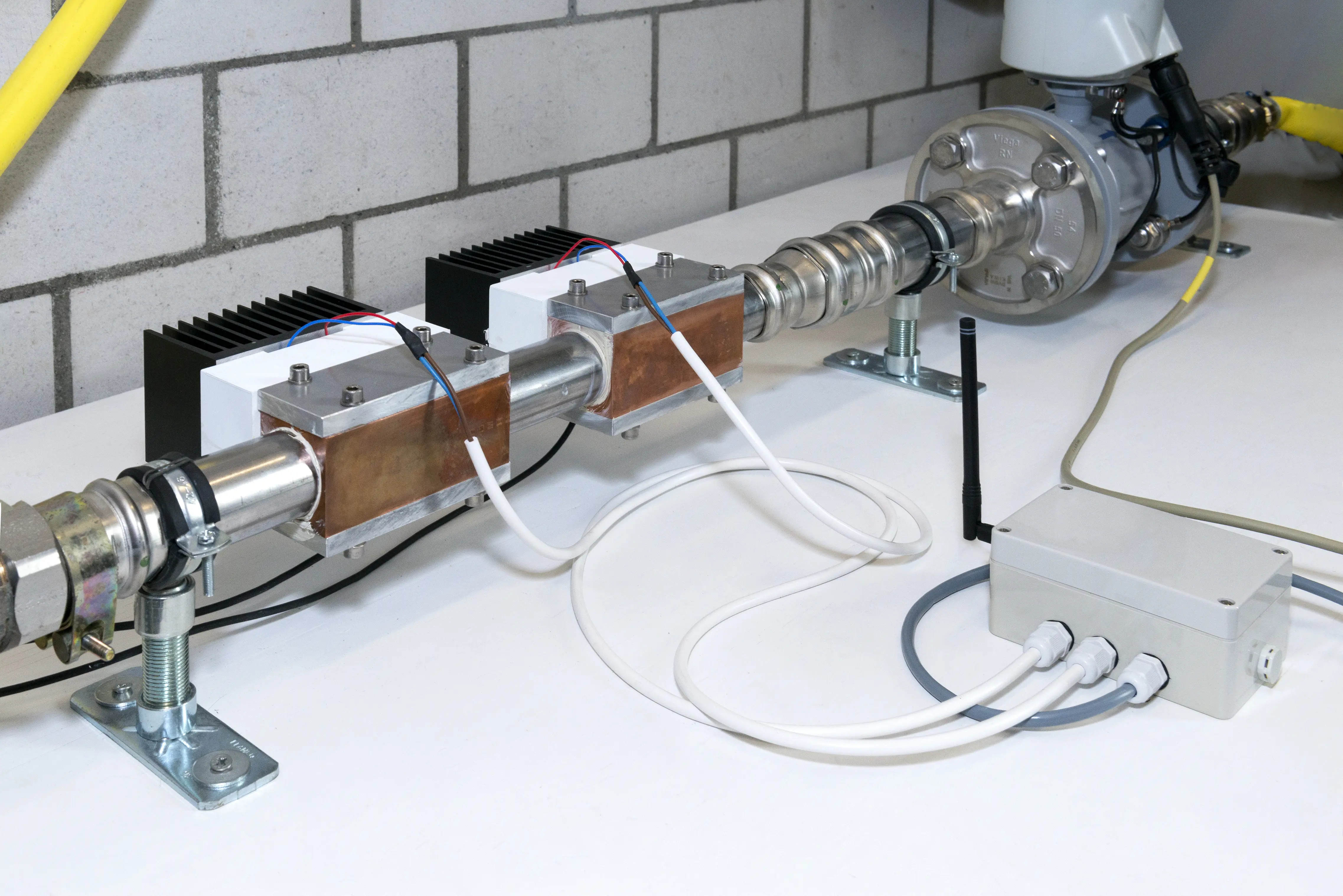
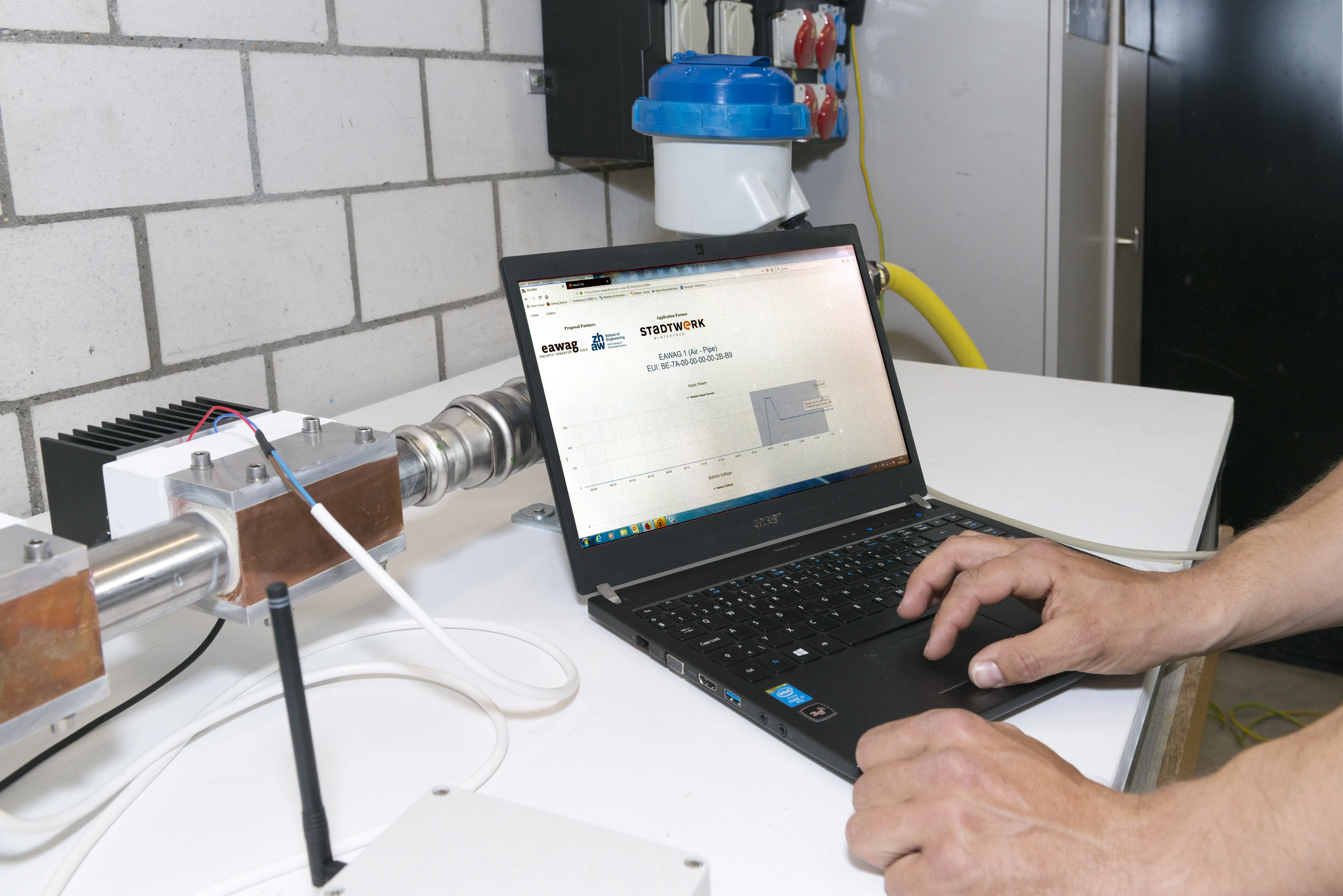
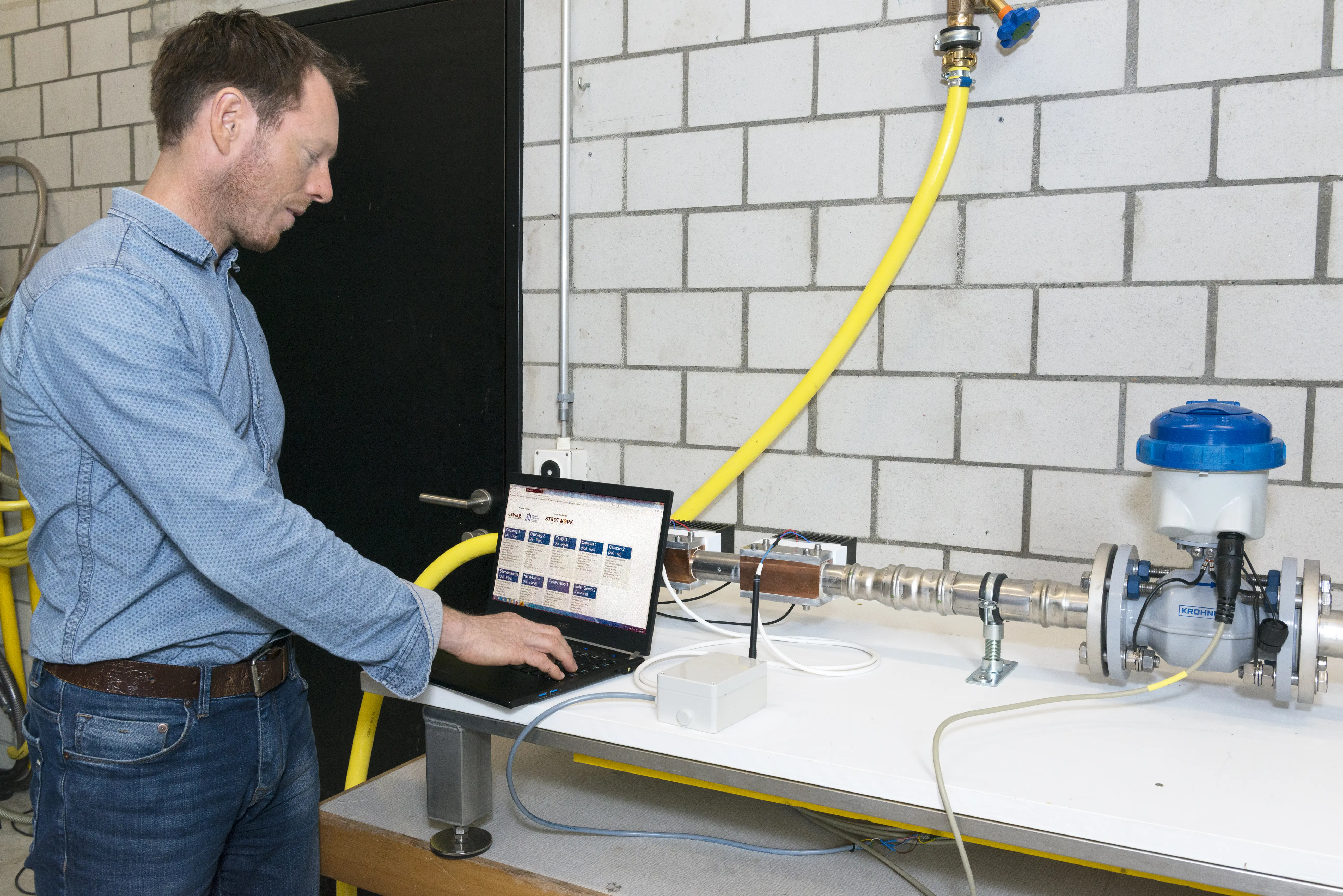
A great deal of water is lost worldwide every year due to problems in water infrastructure. Research is therefore being conducted on efficient monitoring of water supply networks. The ZHAW School of Engineering, in collaboration with the Eawag aquatic research institute, has developed a battery-free system that monitors water resources in real time. ADAWIM stands for “Autonomous and Distributed Architecture for Water Infrastructure Monitoring” and is based on wireless smart-sensor technology which is capable of supplying itself with energy.
Autonomous power supply
The system does not come into contact with the water but rather gains the energy it needs mainly from temperature differences, for example between a water or sewage pipe and the soil, in its environment. One variant of the system also uses highly efficient solar cells. This way of energy harvesting enables the employment of above-ground and underground devices and sensors to monitor the water infrastructure.
“Energy harvesting by means of temperature differences may be less efficient than using solar energy, but it can be used almost everywhere,” explains project manager Marcel Meli of the ZHAW Institute of Embedded Systems. “A combination of several different heat sources, depending on the location and the time of year, ensures a steady energy supply.” With this method, the system is able to gain the necessary energy, even deep underground.
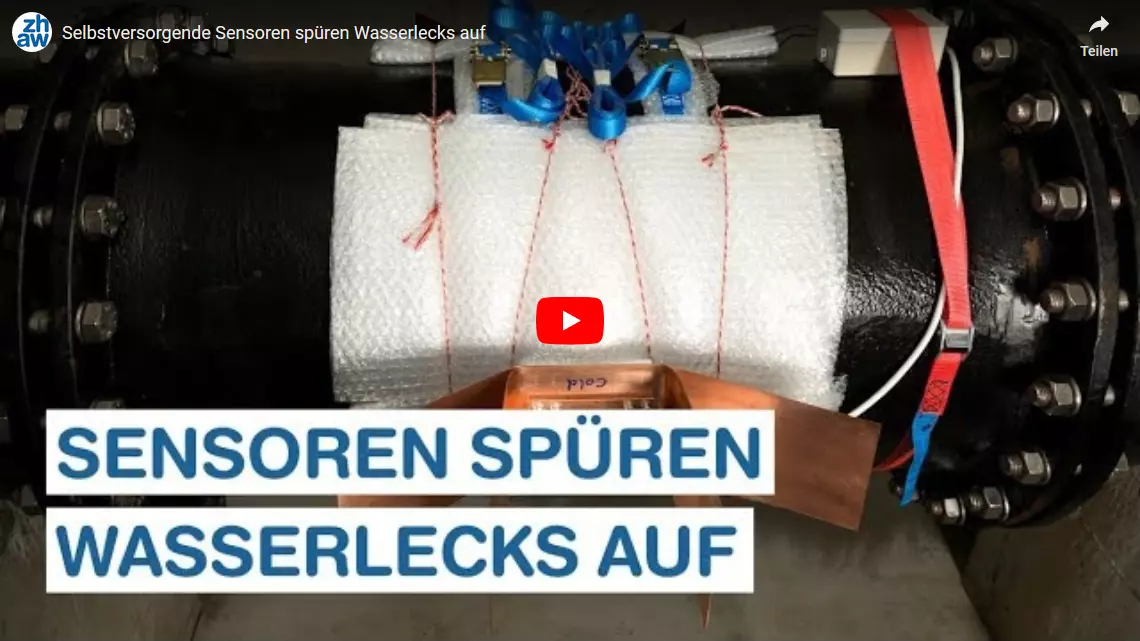
Successful field trials
The system has already been used both at Eawag’s demonstration site and on the infrastructure provided by Stadtwerk Winterthur. The research team has shown on both sites that ADAWIM is able to gain sufficient energy within the water infrastructure to measure parameters like water flow and soil humidity. The data collected is pre-processed locally and then transmitted wirelessly to a gateway. The gateway forwards the information, in real time or at a later point, to a server for further processing and visualisation.
Invitation to Brussels
Marcel Meli and his team were invited to present the ADAWIM system in Brussels at the “Zero Power Water Prize” competition of the Horizon 2020 EU research programme as one of its five finalists. Since the demonstration of their prototype system within an operating environment has been so successful, the researchers are now trying to find a business partner to further develop their smart-sensor solution into a marketable product.
Downloads
- Press release «Selbstversorgende Sensoren spüren Wasserlecks auf» (german)
(PDF 121 kB) - Image ADAWIM (JPG 7.45 MB)
- Image ADAWIM with researchers
(JPG 9.14 MB) - Image ADAWIM sensors
(JPG 8.90 MB) - Image ADAWIM laptop (JPG 10.82 MB)
- Image ADAWIM researcher with laptop (JPG 12.51 MB)
- Bild ADAWIM high resolution
(JPG 10.46 MB) - Image ADAWIM sensors high resolution (JPG 13.42 MB)
Contact
- Prof. Marcel Meli, ZHAW Institute of Embedded Systems (InES), phone 058 934 72 47, email marcel.meli@zhaw.ch
- Dr. Frank Blumensaat, Eawag Department of Urban Water Management, phone 058 765 56 26, email frank.blumensaat@eawag.ch
- Matthias Kleefoot, Public Relations, ZHAW School of Engineering, phone 058 934 70 85, email medien.engineering@zhaw.ch