AI and Death
As part of a Swissnex program, Mirella Moser, a research assistant at the ZHAW School of Management and Law (SML), spent two weeks traveling through Japan and exploring the topic of “AI Afterlife.” During her trip, she made valuable connections and gained fascinating insights into different perspectives on death and digital immortality.
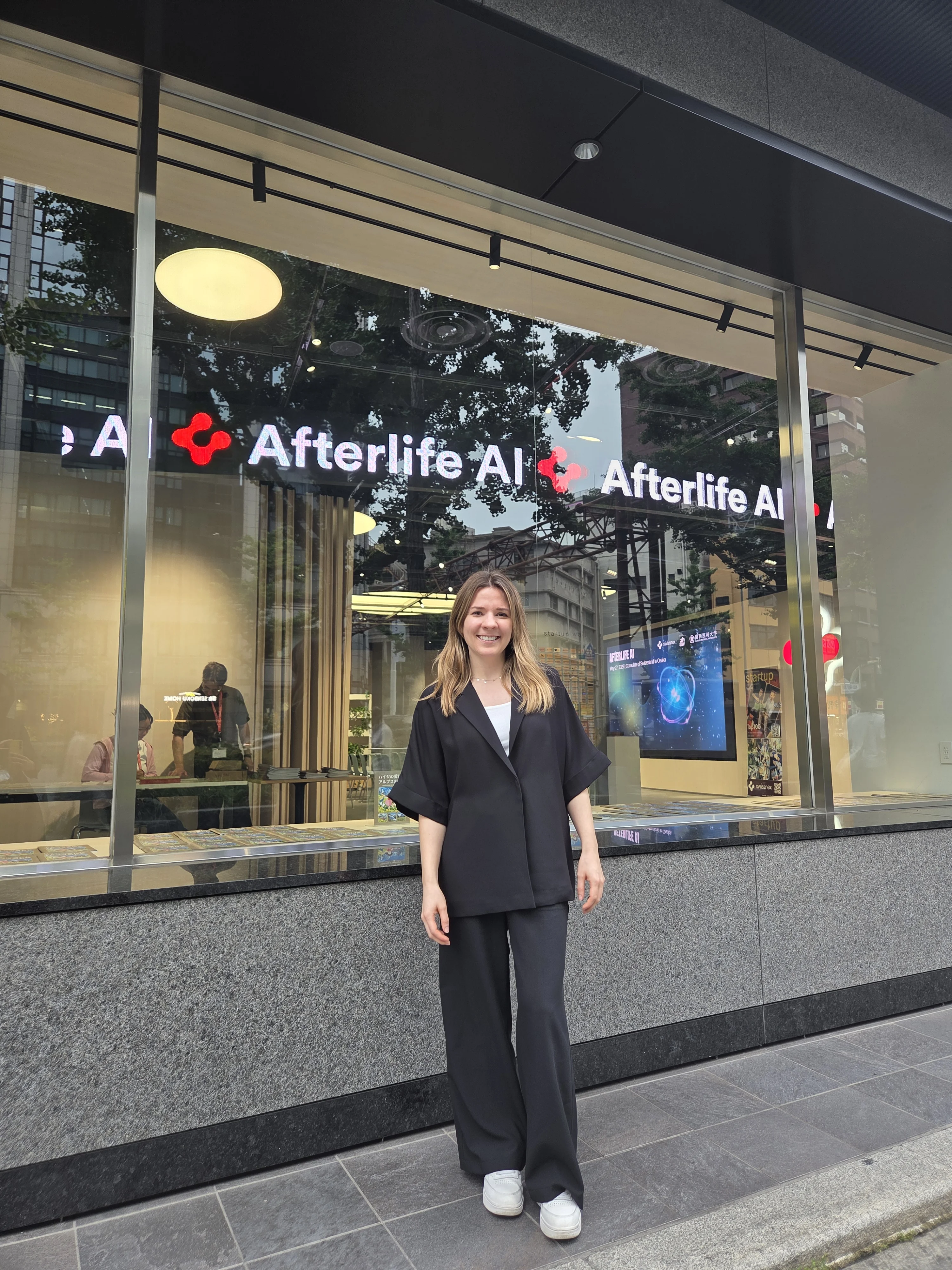
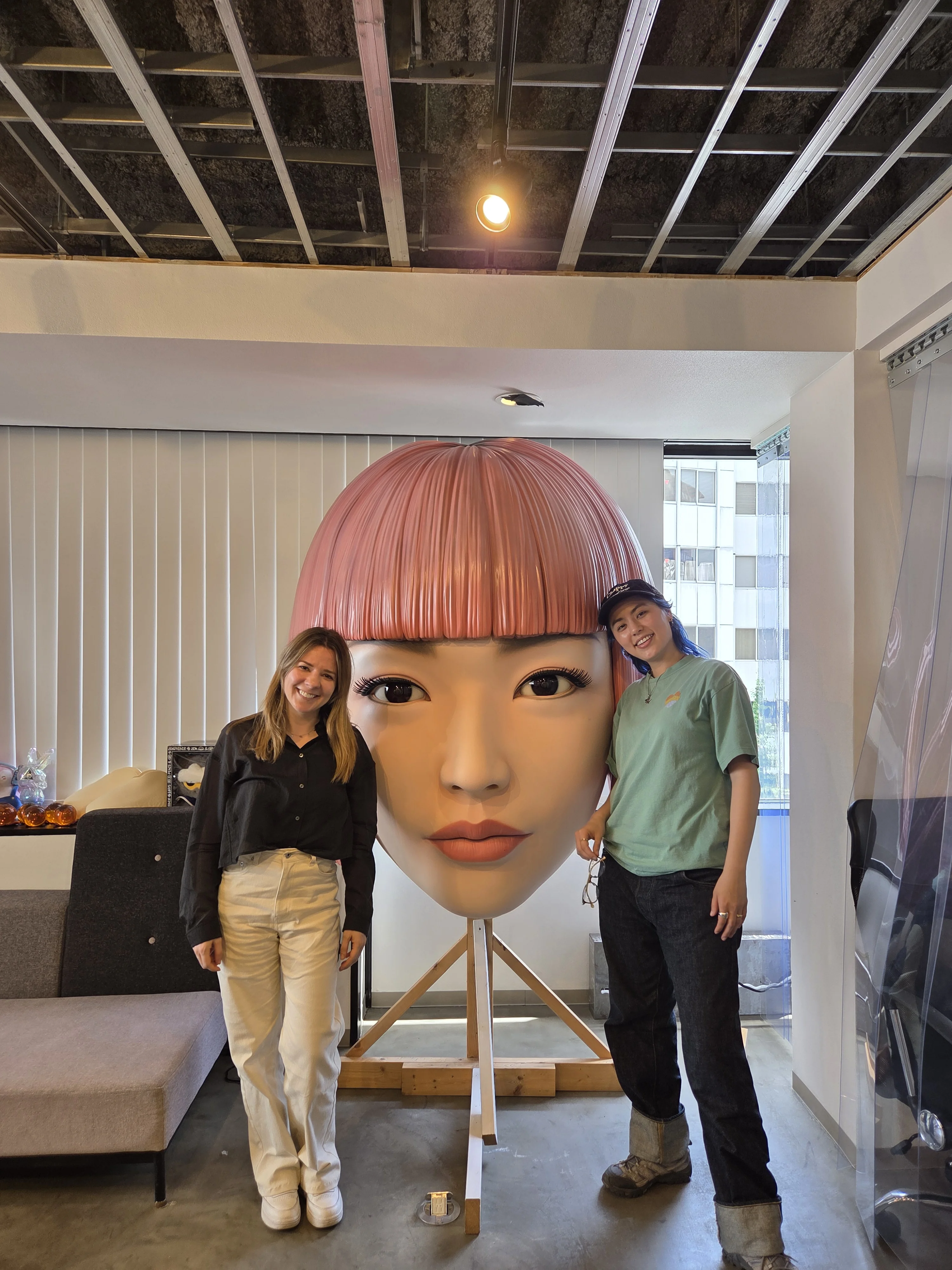
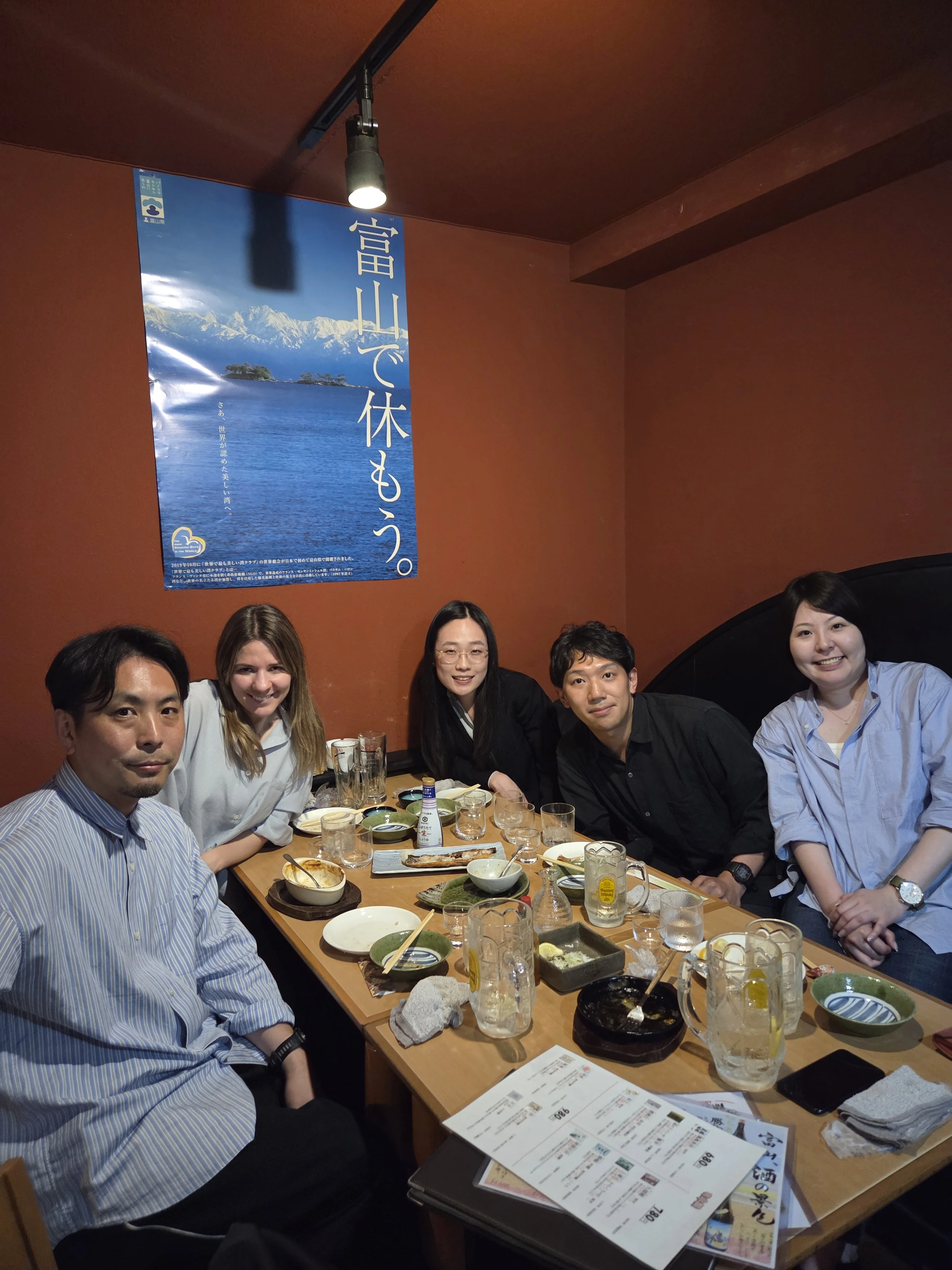
Can artificial intelligence simulate a person after their death based on the data they leave behind? Can a humanoid robot actually offer comfort to those who are grieving? Mirella Moser has been exploring these questions as part of her doctoral research at the SML’s Institute of Information Systems (IWI). To this end, she traveled to Japan with Swissnex to exchange ideas with researchers working on similar issues. Moser spent two weeks in the land of cherry blossoms, traveling from Tokyo to Kyoto and then to Osaka, where Swissnex has its main office in Japan. The highlight of the visit was a panel discussion at the Swissnex Office: As a speaker, Moser joined other researchers to discuss ideas and innovations related to AI Afterlife.
Can AI breathe new life into the dead?
Moser is in the early stages of her PhD program, and her thesis topic is still relatively broad. “There is a research gap in the area of the authenticity of a simulated person,” she notes. So, how can a person be realistically created using AI? In many cases, there is considerable doubt that a simulation could authentically represent the deceased person. And what factors contribute to a simulation being perceived as authentic? Moser says there are still many unanswered questions on this subject, and that people in Japan, as well as in other parts of the world, view the issue with considerable skepticism. Nevertheless, there is some demand, and chatbots already exist for this very purpose.
Moser is keen to emphasize that death is a very sensitive and personal topic, and the psychological effects of being exposed to an AI Afterlife agent are not yet known. “Access to AI Afterlife may be restricted in the future,” says Moser. Among other things, dependency on AI Afterlife must be avoided.
A different view of death in Japan
Moser decided to make the trip to Japan because its culture is unlike that of Switzerland. However, Japan is comparable to Switzerland in terms of innovation levels. “Japan has a very different culture from Switzerland, especially when it comes to dealing with death,” explains Moser. While in Japan, she met with a palliative care physician and even a Buddhist monk. “It became clear from our conversations that ancestor worship is an important topic in Japan and that their view of death is completely different to ours.”
During her trip, the doctoral student made numerous contacts and, thanks to Swissnex, gained access to universities and organizations. Mirella Moser returned to Switzerland with a backpack full of inspiration and ideas for her future research and highly recommends a stay abroad with Swissnex to anyone interested.