ZHAW strengthens Swiss-Indian research cooperation
From 5 to 8 October, ZHAW President Regula Jöhl joined a high-level Swiss scientific delegation to New Delhi during the State Visit of Swiss Federal President Guy Parmelin to India. The visit marked 20 years of Swiss-Indian research cooperation and included the signing of a new bilateral agreement involving the Swiss Leading House South Asia, which is hosted by ZHAW.
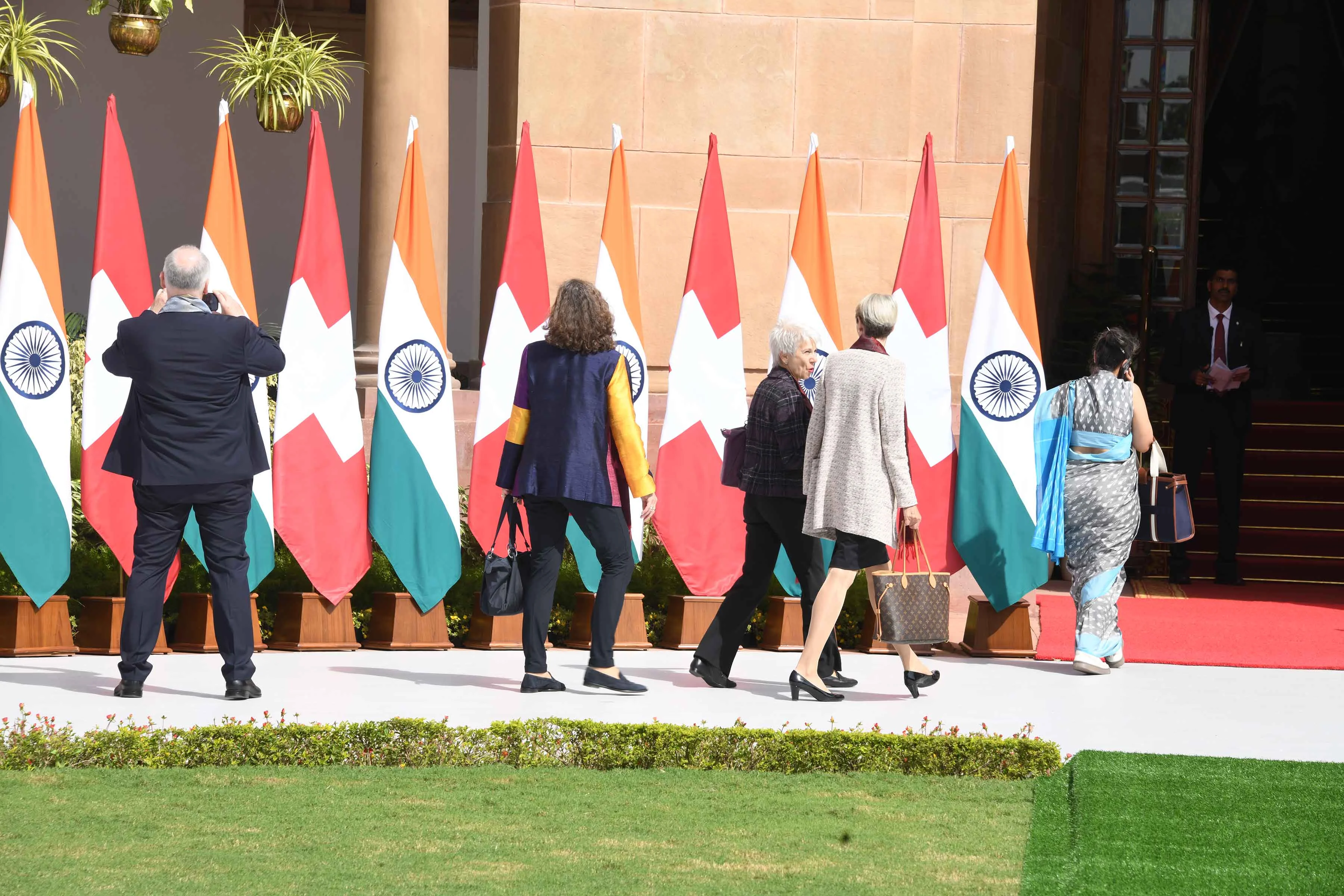

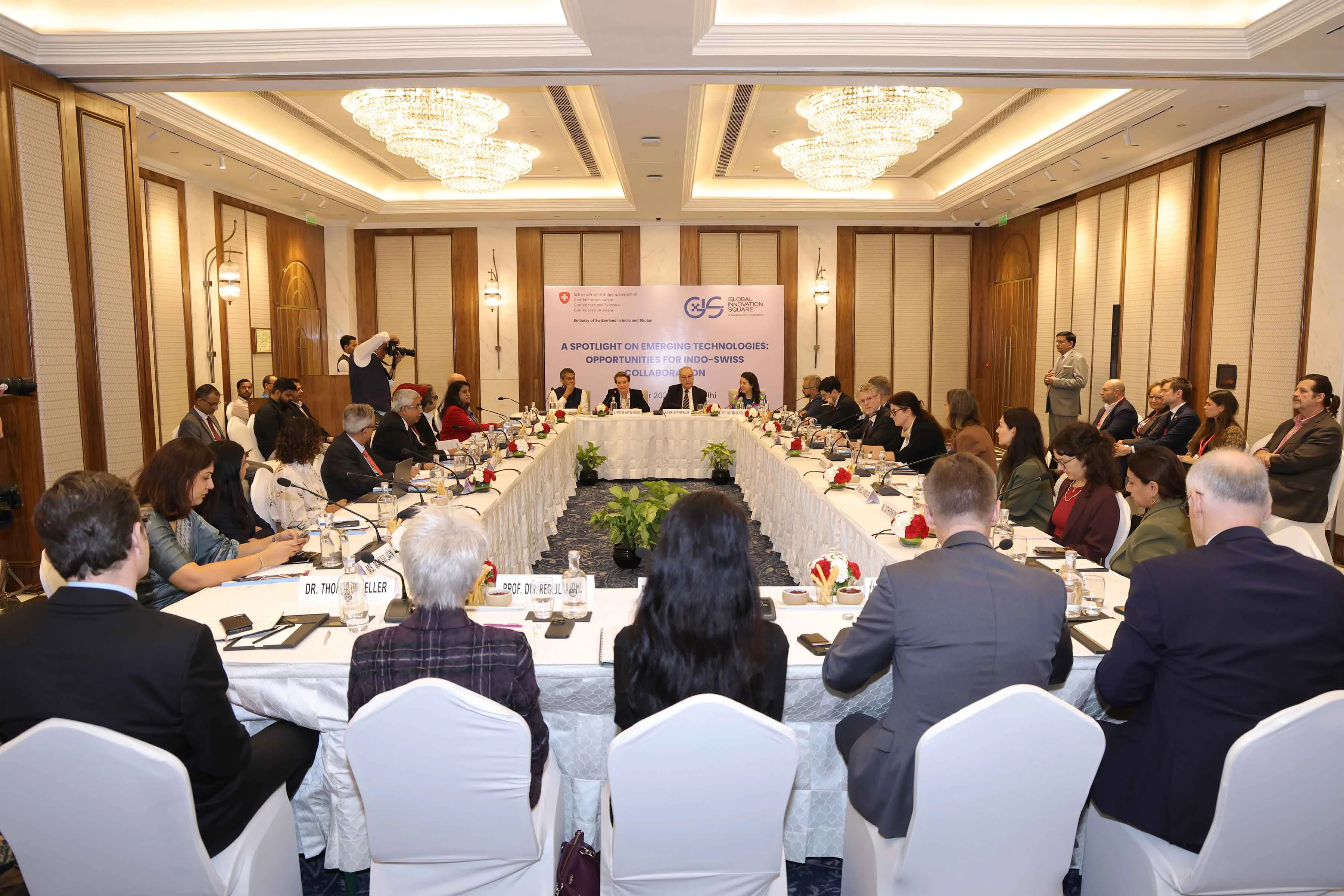
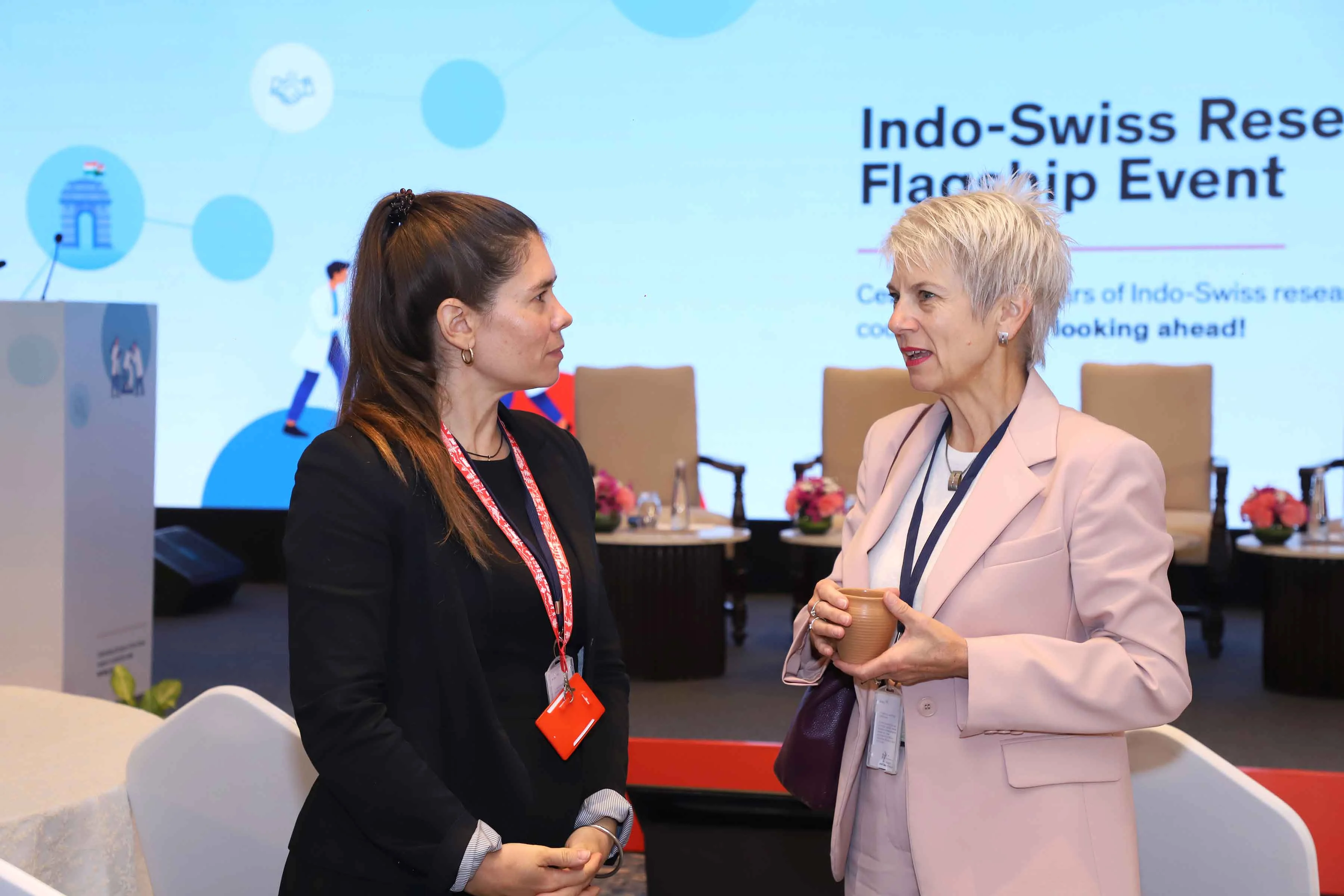
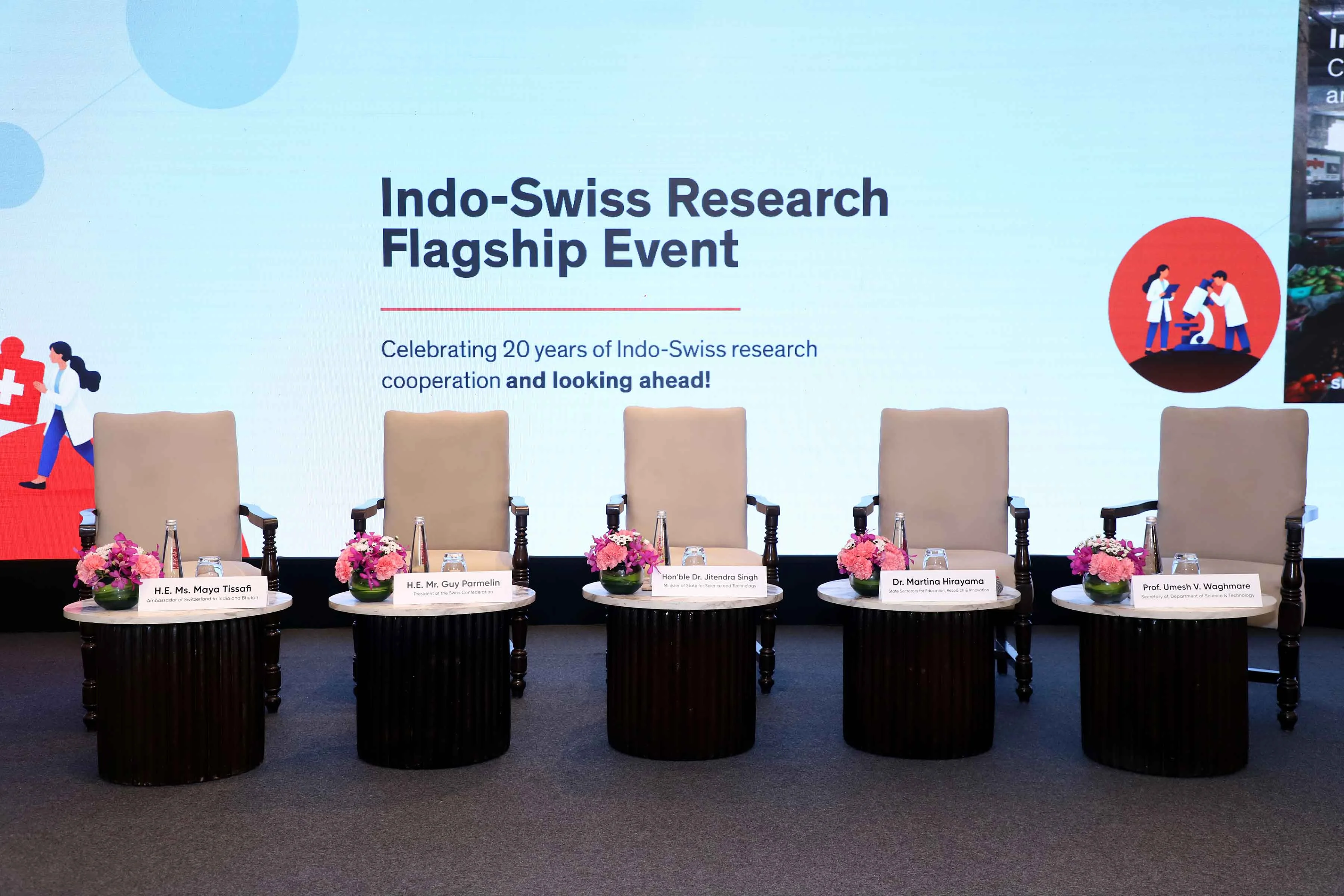
Led by State Secretary Martina Hirayama, the three-day programme brought together representatives from government, research, higher education and innovation. The focus was on future areas of cooperation and on how research can translate into tangible benefits for society.
Highlights of the scientific programme
Academia-Industry Training becomes bilateral: For more than a decade, the Academia-Industry Training (AIT) India programme has supported researchers from Switzerland and India in developing scientific ideas and building networks across both innovation ecosystems. With a new Implementation Agreement between India’s Department of Science and Technology (DST) and the Swiss Leading House South Asia, the programme is now being taken forward on a bilateral basis. The agreement was officially exchanged in the presence of Swiss Federal President Guy Parmelin and Indian Prime Minister Narendra Modi
20 years of Indo-Swiss research cooperation: Key achievements of the past two decades were highlighted through concrete examples, including the “AI for Public Good – Sustainable and Resilient Supply Chains” project and the Swiss deep-tech company “Perovskia Solar». Both illustrate how early-stage funding and networking can lay the foundations for long-term research and innovation collaborations. Building on these achievements, the focus now turns to future bilateral funding and cooperation opportunities.
Emerging technologies and societal impact: A high-level roundtable on emerging technologies focused on developments in artificial intelligence, quantum technologies, space and defence, and health technologies. A common theme was the need to consider technological progress alongside its implications for society. The exchange also highlighted the importance of collaboration across disciplines, institutions and sectors.
Looking ahead to quantum: The Swiss Leading House South Asia presented the Indo-Swiss Quantum Dialogues, planned for Bengaluru in 2027 and Switzerland in 2028.
Shaping the next phase of cooperation
The Indo-Swiss Research Flagship Event brought together representatives from government, research funding organisations, universities and the wider research and innovation ecosystem. Amanda Strub, Head of the Swiss Leading House South Asia and member of the Indo-Swiss Joint Scientific Board, highlighted the importance of flexible early-stage support. Small-scale funding enables researchers to test ideas, build networks and lay the groundwork for larger collaborations. She also stressed the value of formats that connect researchers with science-based innovators and policymakers and create space to address shared challenges across institutional and disciplinary boundaries.
Advancing Indo-Swiss research cooperation
The visit also outlined concrete next steps. The Indo-Swiss Quantum Dialogues are planned for Bengaluru in 2027 and Switzerland in 2028. Through the Swiss Leading House South Asia, ZHAW will continue to strengthen research and science-based innovation cooperation between India and Switzerland and to create the conditions for collaborations that combine scientific excellence with meaningful societal impact.