360 Winterthur Symposium: Giving patients a voice
Patients should be listened to more and involved more closely in their treatment. Around 90 experts from Switzerland and abroad discussed how this can be achieved in practice at the ‘360° Winterthur Symposium’ organised by the Institute of Public Health at the ZHAW Department of Health. Those affected also shared their experiences of healthcare.
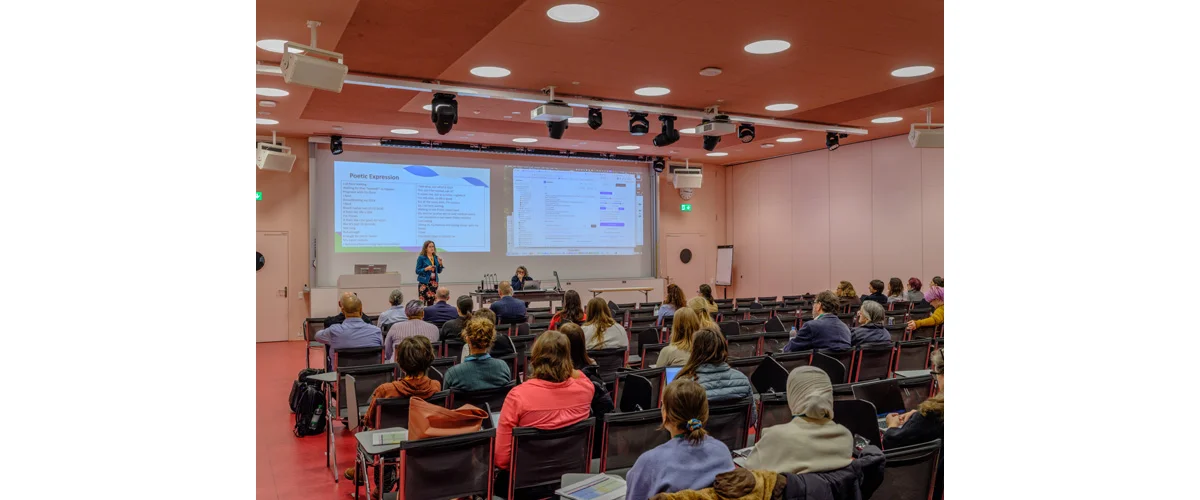
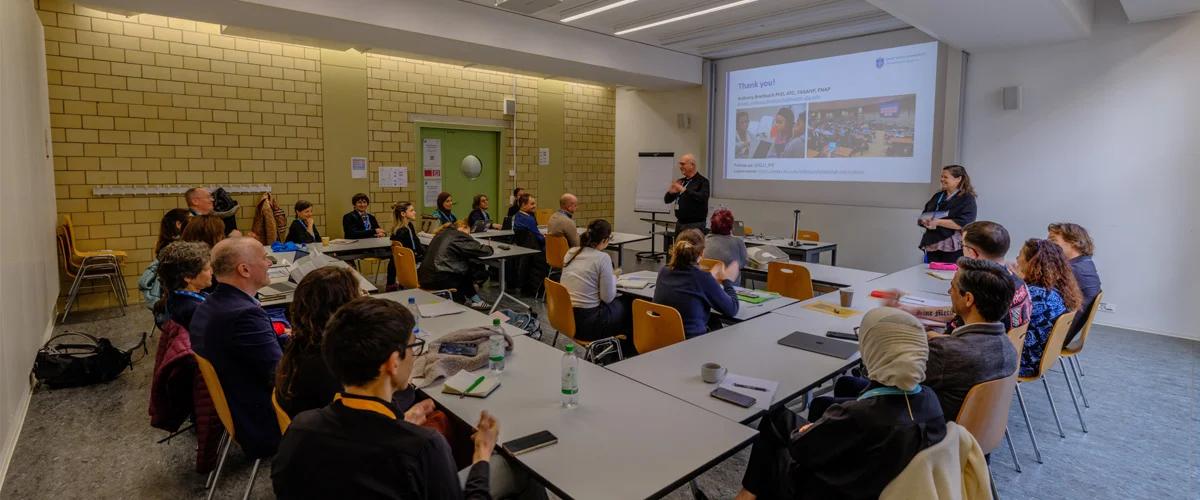
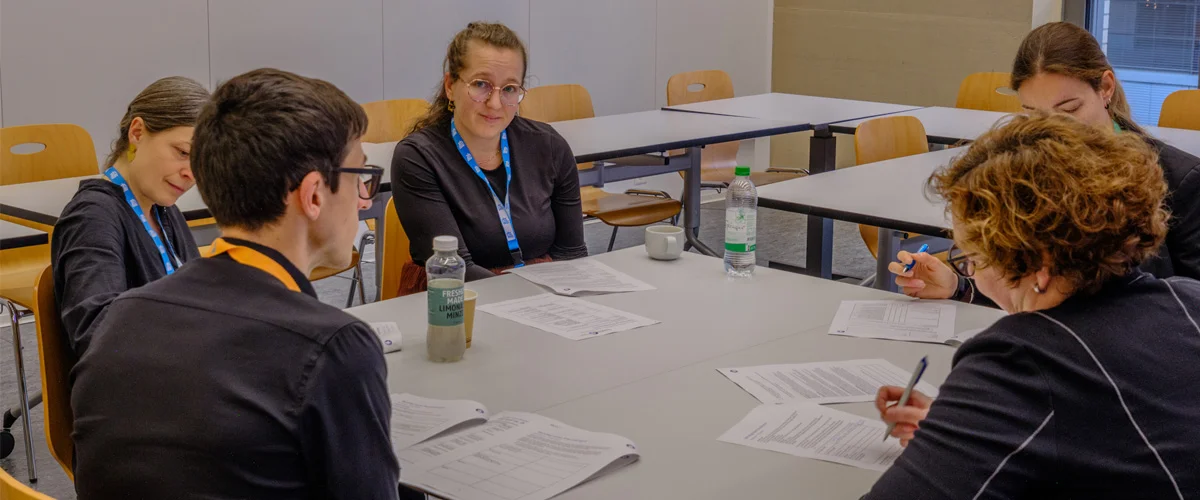
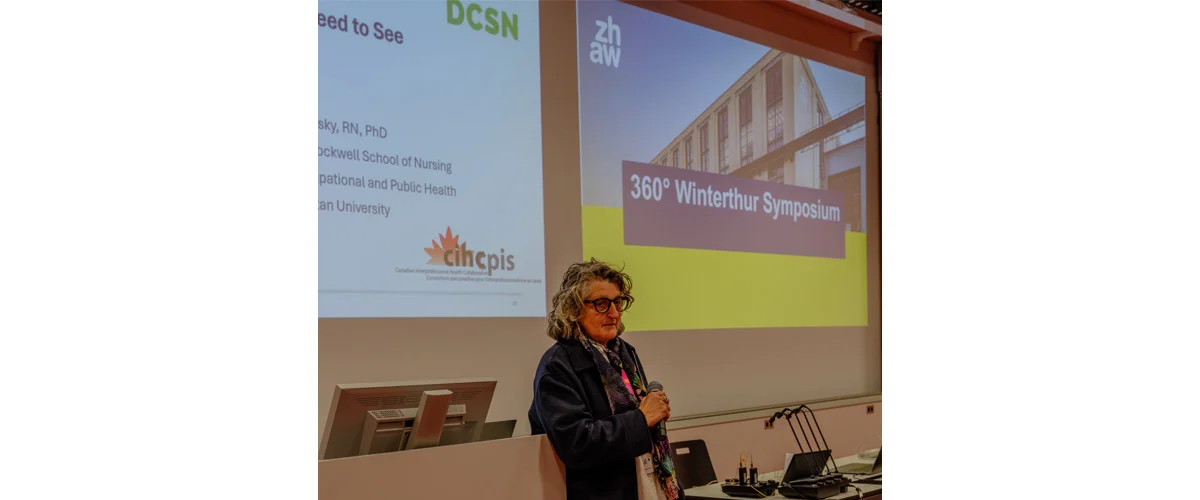
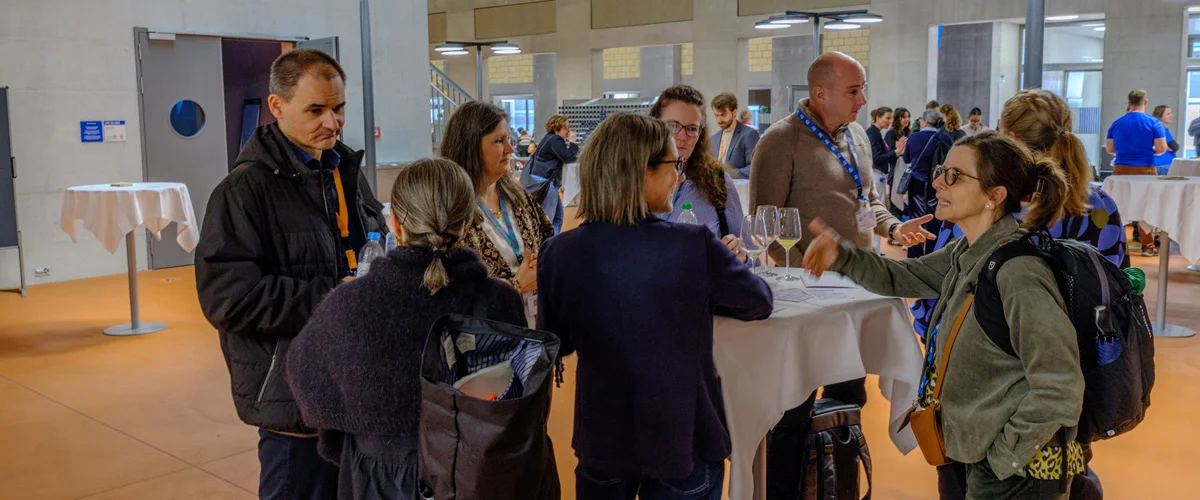
There is a great deal of talk about patients in the healthcare sector. But how often do they actually have their say? And to what extent can they have a say when it comes to their own treatment? These questions were the focus of this year’s «360° Winterthur Symposium» organised by the Institute of Public Health at the ZHAW on 13–14 November 2026. Under the motto «Nothing about us without us!», around 90 national and international experts from the fields of research, practice and education exchanged views on how those affected can be more closely involved in healthcare provision. «The voices of patients are often missing from the Swiss healthcare system,» said Marion Huber, Head of the Centre for Interprofessional Education and Practice at the Institute of Public Health, who organised the event together with her team. «With this symposium, we want to give those affected a stronger voice. In doing so, we can also learn from other countries that are already further ahead in this area.»
More than just a diagnosis
One of the highlights of the symposium was the keynote address by Kateryna Metersky, Professor of Nursing Science and interim Head of the School of Occupational and Public Health in Toronto. She began by reading a personal poem describing what it feels like, as a patient, to be reduced to symptoms and diagnoses. «I am a human being, not simply a collection of medical data,» was her message. «Patients bring with them experiences, needs and knowledge that are just as important for treatment as medical expertise.» However, their perspective is still not taken sufficiently into account within the healthcare system. Patient participation must be embedded within the structures of the healthcare system, Metersky emphasised. «Even during their training, future healthcare professionals should learn to involve patients as equal members of the team.»
Insights into practice
Between the various keynote speeches, numerous short presentations and workshops took place on both days. Patients also shared their experiences. One such person was a man affected by a rare condition known as cardiac sarcoidosis. His condition went undetected for a long time until, one day, his heart stopped and he had to be resuscitated. Throughout his treatment, he repeatedly found that healthcare professionals made decisions over his head and did not take his concerns seriously enough. His wish is that professionals should listen more carefully and involve those affected more closely in decision-making. «Patients know their own bodies and often have a good sense of what is good for them and what isn’t,» he said.
A project run by the ZHAW in occupational therapy also highlighted just how important mutual understanding is. Together with members of Alcoholics Anonymous, students developed a film and a podcast to break down prejudices against addiction. The Careum Education Centre in Zurich is taking a different approach. There, trainee surgical technicians teach medical students and explain to them what matters in the operating theatre. Other best-practice models focused, amongst other things, on communicating with people with dementia, collaboration between different healthcare professions in outpatient rehabilitation, and addressing gender diversity in nursing education.
The climate crisis is also a health crisis
In another keynote speech, Bea Albermann, a doctor and climate activist, and Pia Hollenstein, a former National Councillor and founder of Klimaseniorinnen Schweiz, highlighted the health consequences of climate change. Rising temperatures and an increase in extreme weather events also pose major challenges for the healthcare system, according to Albermann. That is why changes are needed at various levels. «It is not enough simply to change our personal behaviour. We must also take action in politics and within the healthcare system.» Healthcare professionals in particular could make a significant difference here, as they enjoy a high level of trust amongst the public.
Using the example of Klimaseniorinnen, Hollenstein highlighted what collective action can achieve. The organisation had lodged a complaint with the European Court of Human Rights over Switzerland’s inadequate climate protection measures and was vindicated in April 2024. The court ruled that Switzerland had breached its human rights obligations regarding climate protection. «We have a right to have our health protected,» said Hollenstein. «This also means that the state must take sufficient action against climate change.»
At the close of the symposium, conference organiser Marion Huber gave a positive assessment. «I am very satisfied; the feedback from participants has been very good.» It is particularly important to her that collaboration with patients is put into practice. «We must involve them in decisions and plan together with them. Because when they are behind a course of treatment, their motivation is also greater.»