Using AI to improve grid stability: The LACISE project in the Baltic energy sector
This year, the Baltic states disconnected from the Russian power grid and connected to the continental European grid instead. To increase grid stability, the Swiss-Latvian research program LACISE is developing predictive grid control models as well as new battery materials and technologies for hydrogen production. Researchers at ZHAW are creating a dynamic power grid model that uses AI to enable preventive measures to ensure grid resilience.
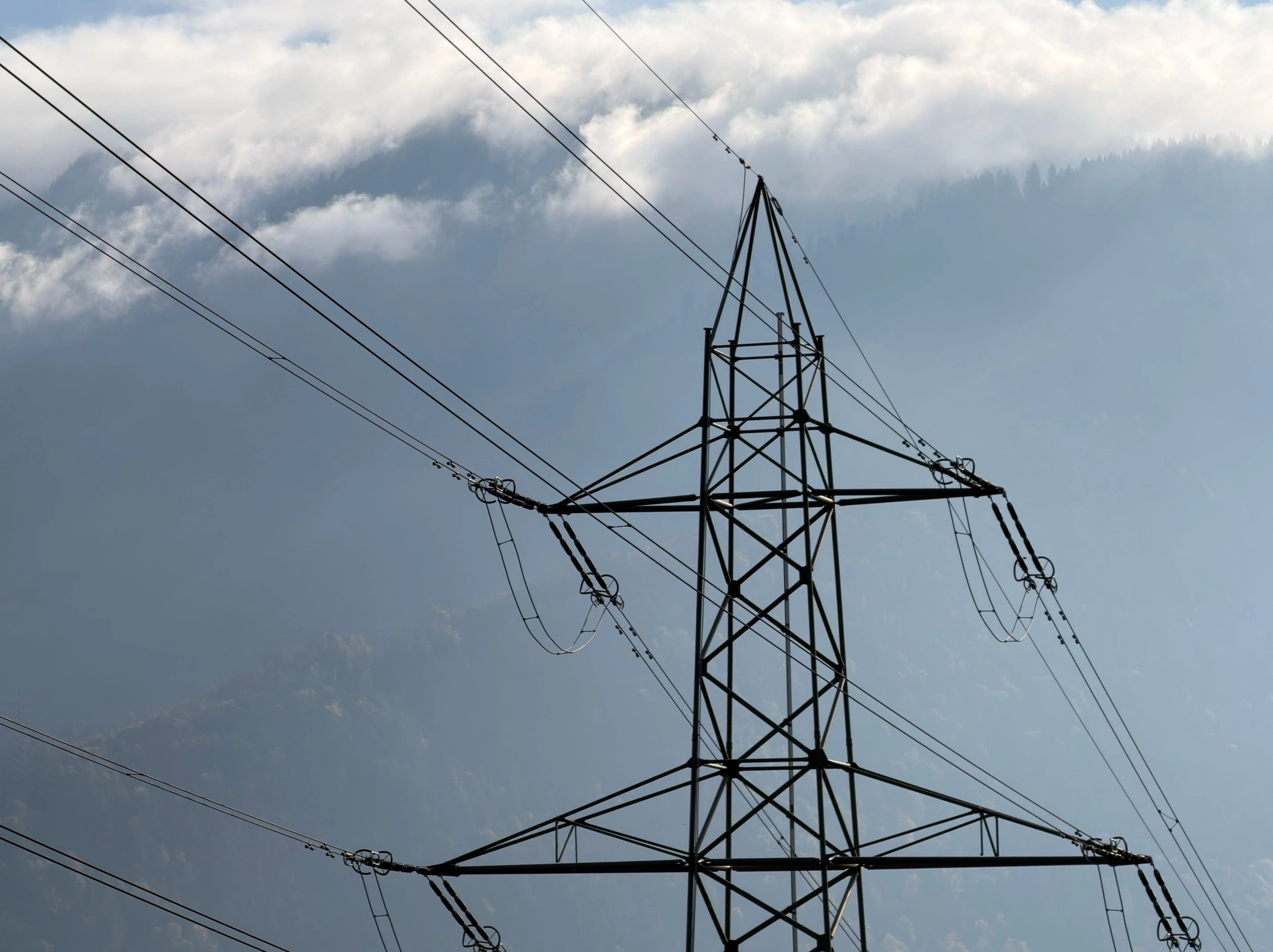
In 2025, the Baltic states disconnected from the Russian electricity grid and instead connected to the continental European grid via Poland. However, there is still a lack of sufficient power plant capacity, energy storage facilities and flexible reserve options. In addition, the expansion of renewable energies makes electricity generation dependent on the weather. At the same time, connections to Western Europe are still limited, which means that electricity cannot be exchanged quickly in the event of bottlenecks. Cyber attacks also threaten grid stability, in whose security the Baltic states are investing heavily.
The Swiss-Latvian research program LACISE in the field of ICT and smart energy aims to increase grid stability, resilience and efficiency in the energy sector in the Baltic states. To this end, solutions are being developed and implemented that will enable greater grid stability. In addition, novel battery materials for electricity storage are being researched and innovative technologies for hydrogen production are being investigated. The program comprises a total of five work packages. It is led by the University of Latvia (Riga). In addition to the ZHAW School of Engineering, the Paul Scherrer Institute (PSI), the Centre Suisse d'Electronique et de Microtechnique (CSEM), Riga Technical University (RTU) and the Institute of Electronics and Computer Science (EDI) are also involved.
Researchers at the Institute of Energy Systems and Fluid Engineering (IEFE) at ZHAW are overseeing the work package for the development of a dynamic power grid model for the Baltic region as part of LACISE. Among other things, this model should enable the integration of decentralized renewable energy sources in the future. By creating a comprehensive data set from dynamic stability simulations and various time series, the dynamics of the power grid will be mapped under different scenarios using artificial intelligence, enabling the identification of weak points and the derivation of appropriate preventive or control measures. The result should be concrete recommendations for actions to achieve greater grid stability and resilience.
The ZHAW's work package includes numerous simulations based on existing power system models, such as ENTSO-E for Central Europe, which was developed using the PowerFactory and PSSE simulation tools, and then implemented on the OPAL-RT real-time platform.
A key focus of the research is the development of an AI-based method that allows quick and accurate conclusions to be drawn about the dynamic stability of the grid. Traditional methods for dynamic stability assessment are based on physical-numerical models that are very computationally intensive and time-consuming. With the help of the AI approach, the researchers expect significantly faster and more accurate results. The new ‘early warning system’ will provide transmission system operators with a tool that will enable them to proactively control grid stability in the future.
Project name:
LACISE - Swiss-Latvian Partnership in Applied Research in the areas of ICT and Smart Energy
Participants:
Project leader work package “Dynamic Power Grid Model”: Prof. Dr. Petr Korba, ZHAW
Project team: Dr. Artjoms Obusevs, ZHAW; Dr. Miguel Ramirez Gonzalez, ZHAW
Funding Partner: Kooperationsprogramm Schweiz−Lettland: LACISE (SECO)
Project Partners: Paul Scherrer Institut PSI; University of Latvia / Institute of Solid State Physics; CSEM Centre Suisse d'Electronique et de Microtechnique SA; Riga Technical University, Institute of Electronics and Computer Science (EDI)
Project duration:
August 2025 till December 2029