Digital transformation at the School of Applied Linguistics
Digitisation is a key topic at the School of Applied Linguistics. On this page, you can find information about events as well as research and academic programmes on the digital transformation.
The digital transformation is changing academic programmes and research in the discipline of applied linguistics. Machine translation, robot journalism and digital language learning are just three examples of changes within the professional fields of language and communication.
However, new digital possibilities are also increasingly making their presence felt in the teaching of subject areas covered by applied linguistics. This is opening up opportunities for flexible and tailored learning and teaching.
Within our School, we not only make use of such new digital possibilities, but also investigate their application in academic programmes. We also conduct research projects to examine the impact of digital methods on language and communication, thus allowing us to anticipate changes in professional practice and within society. This forms the basis for training students to become "reflective practitioners" who are prepared for the future.
A summary of the activities of the School of Applied Linguistics in connection with the digital transformation, including events, news, and publications, can be found on the German-language website.
Digital transformation on the blog "Language matters"
-
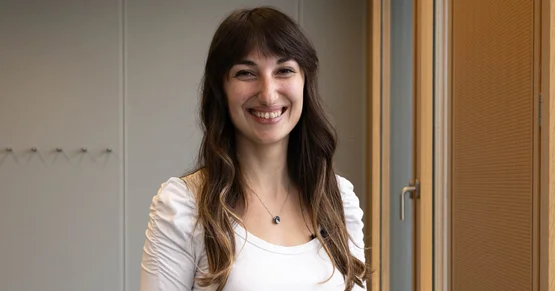
Augmented Translation bringt neue Möglichkeiten. Ein Alumniportrait
Jessica Selinger ist Übersetzerin beim Bund und Expertin für KI beim Übersetzen. Die Absolventin des Masters Language and Communication hat schon im Studium angefangen, mit Maschineller Übersetzung zu ...
-
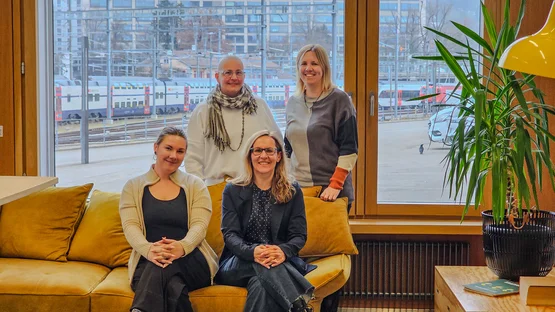
“Passt!” – Forscherinnnen entwickeln Matching-Tool für Schulen und Lehrpersonen
Wie finden Schulen die passenden Lehrpersonen? Und wie erkennen Lehrpersonen, welche Schule zu ihnen passt? Mit ihrem digitalen Tool «Passt!» setzen die Forscherinnen Colette Schneider, Angelica ...
-
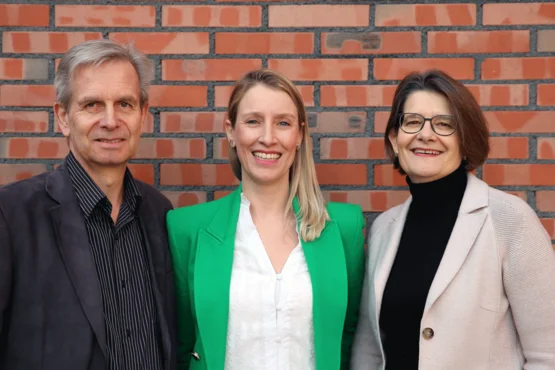
Neue Technologien und rasanter Wandel fordern die Kommunikation heraus
Die digitale Transformation und der Einsatz von Generativer KI werden die Unternehmenskommunikation stark verändern – sowohl als Abteilung als auch in ihrer Rolle im Unternehmen. Dies zeigt die ...
-

Augmented Reality in Online-Meetings. Ein Forschungsversuch
Kann der Einsatz von Augmented Reality die Zoom Fatigue bei Videokonferenzen verringern? Das will Anne Catherine Gieshoff herausfinden. Bis sie mit ihrem Projekt aber richtig starten konnte, hatte sie ...
-
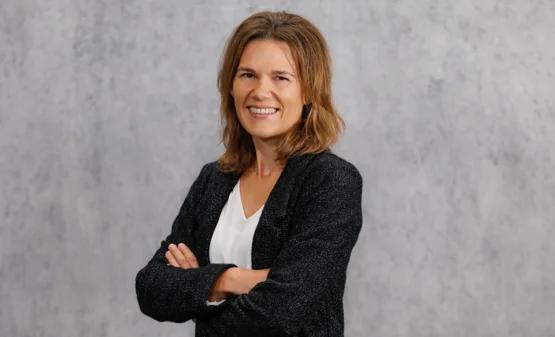
Shaping change: the role of lifelong learning in the language industry
Why sit back and let change happen when you can actively shape it? Laura Subirats Kärkkäinen, Head of Continuing Education at the ZHAW Institute of Translation and Interpreting, emphasises the ...
-
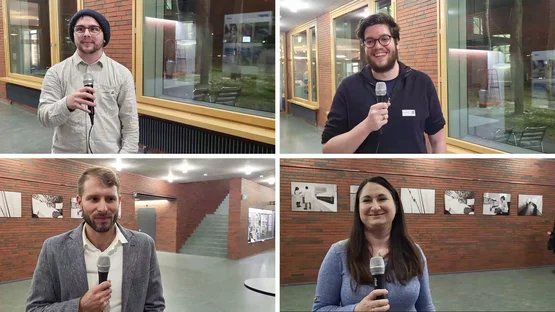
KI in der Sprachindustrie – Absolvent:innen berichten aus der Berufspraxis
ChatGPT, LanguageTool, DeepL usw. – die künstliche Intelligenz entwickelt sich rasant. Der technische Boom wirft in der Sprachbranche die Frage auf, wie Berufe in der Language Industry jetzt und in ...