Focus topics
What issues does the Institute of Diversity and Social Integration address?


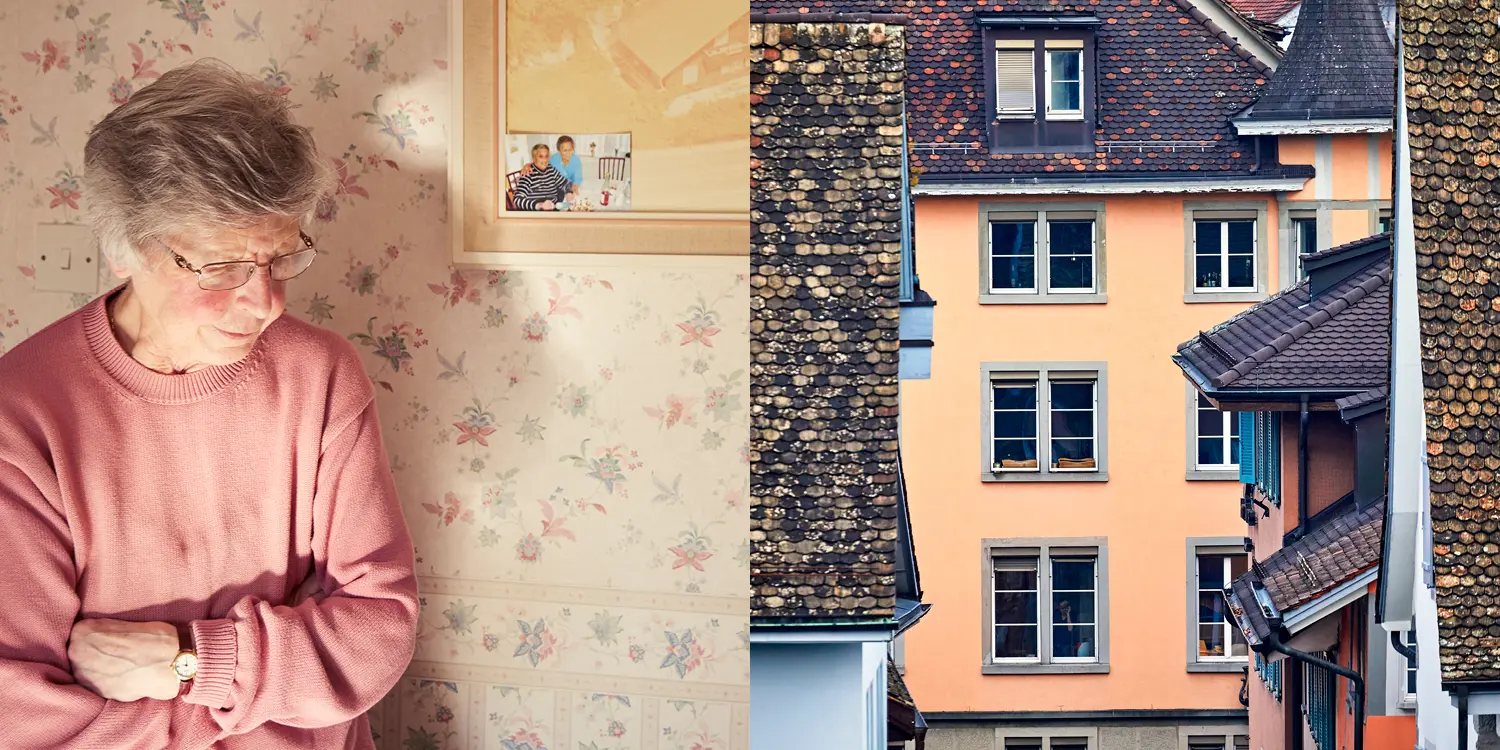
Socio-geographical areas, community development and social sustainability
Population growth, climate change and ongoing urbanisation are shaping the development of communities and cities. Socio-geographical tensions also arise due to segregation and gentrification. In-depth knowledge and professional, transdisciplinary and participatory knowledge are required to meet these challenges.
The focus topic of community development combines the theoretical and methodological traditions of community work, socio-cultural animation and social urban, community and neighbourhood development with a particular focus on social sustainability and participatory approaches. Attention is placed on social areas as a whole and on the categories of people from politics, business and civil society acting within them. Their potential must be stimulated, supported in a preventive manner and actively promoted.
Inclusion and social inequality
The diversity of life situations, the increasingly widening gap between rich and poor, migration, gender inequalities, physical and mental impairments – our society is constantly facing new challenges when it comes to integrating different population groups and creating opportunities for participation in society. The aim of social work is to initiate inclusion processes and reduce social inequality. The services made available should meet the resources and needs of both the people concerned and the host society alike. This focus topic concentrates on how social work and educational institutions influence the necessary participation and integration processes, and the associated effects on the participants and their integration opportunities.
Social security and ageing
Soon, older people will represent the largest population group in Switzerland. The way in which we as a society deal with this demographic trend is a rapidly growing field of activity for social work, in close collaboration with professionals from other disciplines such as health, psychology, medicine, law, economics and technology. The focus is on older people, their environmental conditions and their relatives, as well as on the support system itself. The main aim is to develop and safeguard differentiated care and integration opportunities that are adapted to the resources and needs of older people. The previous logic behind health services must be replaced, or at least supplemented, with new, research-based services. This requires in-depth knowledge of the older population, different life paths and the associated range of resources and needs, together with social security issues that contribute to securing livelihoods in old age.