Coffee Science and Education Summit
The Coffee Science and Education Summit 2026 is an event for all coffee professionals. Attendees can explores the latest research and participate in hands-on workshops and tastings.
Coffee Summit in Switzerland
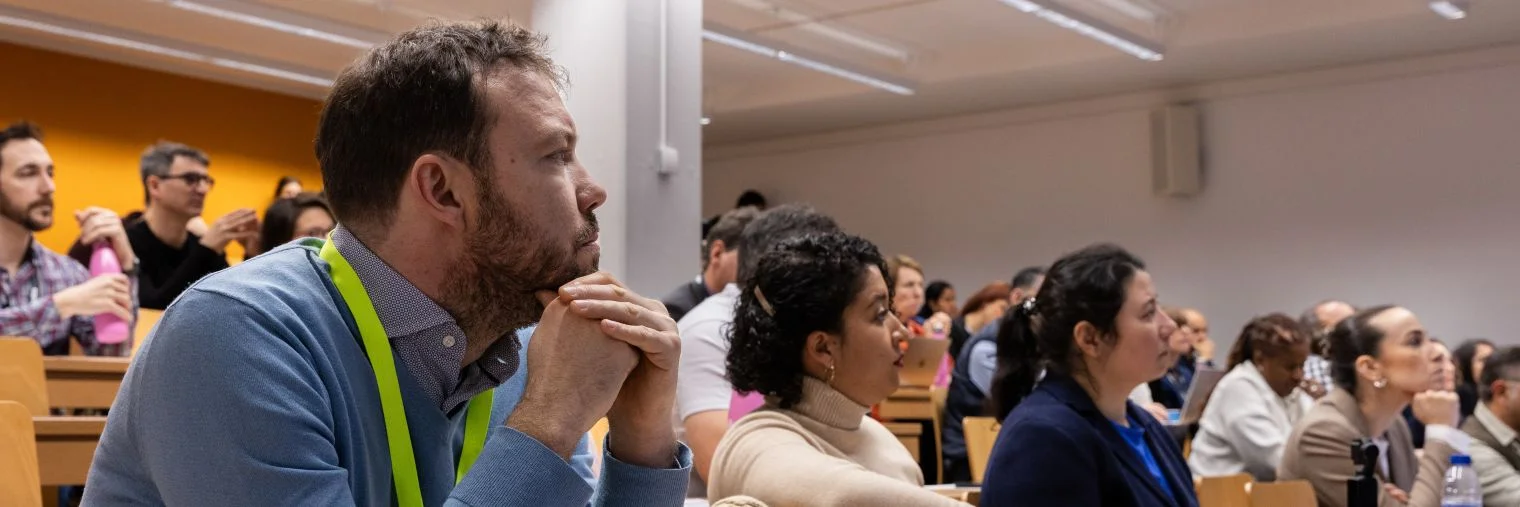
The Coffee Science and Education Summit brings together people from all parts of the coffee world, including roasters, farmers, scientists, consultants, educators, and innovators.
Attendees can explore the latest research and participate in hands-on workshops discussion and curated tastings.
Event Details
Date: Thursday and Friday 5 – 6 February 2026
Conference time: Thu 5-Feb 8:30 - 17:30 and Fri 6-Feb 8:30 - 17:30
Location: ZHAW Zurich University of Applied Sciences, Campus Reidbach, Einsiedlerstrasse 31, 8820 Wädenswil, Switzerland
Find travel information and hotel tips on the location page.
Topic: Turning Research into Action for a Sustainable Coffee Future
Target Group: International Coffee Professionals, Scientists, Educators, Leaders in the Industry.
Tickets: 120 Seats available, 2-Day Ticket CHF 850,-
Alumni discount 20% - CHF 680,-
Highlights
- Lectures
Dive into research, innovation, and sensory experience with top experts. - Workshops
Learn from experts through hands-on guided sessions that exploring coffee research, sensory science, and applied chemistry. - Coffee Village
Local roasters will showcase their coffee during the coffee breaks, offering an engaging Coffee Village experience. - Coffee Lab Tour
Join the ZHAW Coffee Excellence Center at Campus Reidbach for a glimpse into our labs. The tour will be followed by a small reception. Details will be announced later. - Evening Reception
The first year's reception was a standout moment for connecting with fellow participants. Details for this year’s event will be announced soon. - Award Ceremony
CAS in Coffee Excellence Award Ceremony. Graduates attending the conference will receive their diplomas during the closing session (day 1) of the summit. - Short Talks
We invite you to learn about innovative research, and impactful projects in a series of 15-minute short talks.
Programme 2026
The schedule is subject to change.
Keynote Lectures
- Dr Aaron Davis, Senior Research Leader - Crops & Global Change, The Royal Botanic Gardens, Kew: “Beyond Arabica; beyond Robusta”
Coffea arabica (Arabica) and C. canephora (robusta) have satisfied the requirements of the coffee sector for the last 125 years. In the face of myriad challenges, most notably climate change, the coffee species crop portfolio requires diversification to ensure the long-term sustainability of coffee production. In addition, the specialty coffee sector relies on continual diversification and creativity to satisfy the requirements of its adherents, including the enrichment and diversification of the sensory experience. In this contribution, a review is presented on the status of ‘other’ coffee species to supplement Arabica and robusta, based on research and first-hand experience.
- Dr. Sebastian Opitz, Scientific Associate and Lecturer, ZHAW CEC:
“Physical Defects in Green Coffee Revisited - A Sensory and Chemistry Perspective”
Lectures
- Pedro Manga, MS, Global Prosperity & Impact Leader, Caravela Coffee: “Deforestation Risks & Producer Livelihoods: Ground Truths from Caravela’s Coffee Supply Chain”
This lecture shares key insights from Caravela Coffee’s journey to map, measure, and mitigate deforestation risks within its Latin American supply chain. Grounded in the context of the EU Deforestation Regulation (EUDR), it explores the practical challenges of compliance at the smallholder level, the technological and collaborative opportunities in traceability, and the socioeconomic realities of coffee producers. By integrating spatial, economic, and environmental data, the session will present findings on the relationship between land-use change and farmer income—highlighting what it takes to make deforestation-free coffee not just traceable, but truly prosperous and equitable.
- Dr. Fabiana Mesquita de Carvalho, Collaborating researcher, University of Campinas, Brazil: “Message on a bag: The influence of coffee label information on consumers’ expectations and experience on tasting specialty coffee”
Packaging and labelling are the primary interface for consumers before purchase. As consumers become more focused on quality and more aware of the production processes and ethical implications of their food, there is a rising demand for products with informative labelling. In the case of specialty coffee, most of the information about green coffee — such as origin, processing methods, altitude, variety, and certifications — is included on retail coffee labels. This practice indicates that roasters are committed to ensuring traceability within their supply chains as a process of coffee decommoditisation. However, information overload as well as new information can create consumer confusion and lead to sub-optimal decisions. The lecture will present findings from a series of consumer studies that explored the relative importance of label information on coffee choice, as well as the impact of label information on consumers' sensory expectation and perception of coffee.
- Filip Bartelak, Chief Executive Officer, Grange Specialty: “Headhunting the Beans: Using Talent Acquisition Strategies to Assess Coffee Quality”
What if you could apply the same principles used to recruit top talent to selecting the best coffee beans? This presentation challenges traditional cupping methods and introduces a novel approach inspired by modern HR practices.
We'll explore the newly introduced Coffee Value Assessment (CVA) system through the lens of a headhunter, uncovering surprising similarities between evaluating job candidates and assessing coffee quality. Discover how contemporary HR knowledge used in specialized recruitment can revolutionize your cupping process and enhance your understanding of the SCA's new system.
This presentation will stimulate your perception and showcase how a structured approach to strategic decisions, like those used in recruitment, can be applied to selecting the perfect coffee for your roastery. Gain valuable insights into this innovative framework and discover how it can help you elevate your coffee evaluation skills and make more informed purchasing decisions.
Short Talks
- Dr. Ingrid Fromm, Research Associate & Lecturer, Bern University of Applied Sciences (BFH): “Strategies to Close the Living Income Gap of Coffee Producers”
- Alberto Polojac, Coffee Trader and Quality Manager, Imperator srl: “Digitalization of Sensory Evaluation”
- Ennio Cantergiani, Owner and Managing Director, l'Académie du Café: “Flavoured Green Coffees”
Workshops
- Ben Helt, Technical Training Director, US, BWT water + more International,
“Function to Fit: Applying Water Treatment Technologies” - Mike Strumpf, MSEE, Senior Director of Coffee, Swiss Water Decaffeinated Coffee Inc.,
“Practical Roasting and Espresso Extraction Application of Research on Swiss Water Decaffeinated Coffee” - Samo Smrke, Deputy Head of the ZHAW Coffee Excellence Center,
“Modulation of Acidity by Roasting” - Peter Giuliano, Senior Advisor of Science Communication and Engagement Strategy, SCA, “Using ‘Preference Mapping‘, a New Tool to Understand Coffee Quality”
- You can look forward to 3 more workshops in next few days
Workshops registration will be open soon.

Dr Aaron Davis is Senior Research Leader of Crops and Global Change at the Royal Botanic Gardens, Kew, in the United Kingdom. His research is focused on coffee, as documented in a broad range of scientific publications, including those on the naming and classification of coffee species, DNA studies, conservation, climate change, agroecology, and sustainable development. He is the leading authority on coffee species and has travelled widely in Africa, Madagascar, and Asia to study coffee plants in the wild and in cultivation. Over the course of his career, he has published over 140 peer reviewed research articles, authored 295 plant taxa, and over 150 new species, including 31 new species of Coffea. His ongoing work includes the use and development of wild and underutilized coffee species as a means of providing farmers with workable and scalable options for climate change adaptation.

Sebastian Opitz has been working at the ZHAW CEC for 13 years, where he has built up research on green coffee. His research focuses on the effects of post-harvest processing and the impact of coffee species on the aroma composition of roasted coffee. In particular, the relationship between the precursors in green coffee and their role in roasting the coffee is an important topic. The analytical methods used to quantify precursors and aroma compounds are also used in more technical processes, such as the effects of the decaffeination process on roasting and in the new field of coffee cell cultures.
Sebastian's educational background includes graduate studies in biology and chemistry and a PhD in chemical ecology with a strong expertise in analytical chemistry. His interdisciplinary expertise helps him to understand the plant seed and the microbial processes during fermentation, as well as the organic chemistry during roasting.

Pedro Manga: With dual degrees in Chemical Engineering and Biology, and a Master’s in Environmental Sciences, Pedro specialises in designing environmental and social impact assessment methodologies that support better decision-making. He has developed learning programs that promote the responsible use of natural resources across diverse communities. As Leader of Impact & Prosperity at Caravela Coffee, Pedro leads comprehensive impact assessments in Latin American coffee communities, identifying Environmental, Social, and Governance (ESG) gaps in coffee production. He also designs communication and reporting strategies that inspire stakeholders throughout the coffee supply chain. His work is dedicated to fostering responsible practices and showcasing their value within the global specialty coffee industry.

Dr. Fabiana Mesquita de Carvalho is a neuroscientist who received her MSc in Biochemistry and her PhD in Psychobiology studying neural processes of perception and memory. She has also worked as a postdoctoral researcher on a project investigating sensory perception as an anticipatory and constructive process instead of a mere passive and reactive process. She is currently a collaborating researcher at the University of Campinas, Brazil. Her research project “The Coffee Sensorium” focuses on understanding multisensory flavour perception applied to the coffee consumption experience. She is particularly interested in examining how extrinsic factors influence expectation and perception of flavour in specialty coffee.

Ben Helt has worked in specialty coffee for more than 20 years, with experience spanning roasting, café ownership, and global coffee education. He is known for making technical and sensory concepts approachable. He previously led the Authorized SCA Trainer Program, supporting a worldwide network of educators. Today, Ben has entered the water quality part of his coffee journey and serves as the Technical Training Director for BWT water & more US, helping coffee professionals optimise one of coffee’s most essential ingredients.

Mike Strumpf has an impressive list of coffee credentials – a Licensed Q Grader, past Education Coordinator for the Canadian Chapter of the SCA, Authorized SCA Trainer (AST) in Green Coffee and Sensory, member of the Coffee Skills Program (CSP) Green Coffee Creators Group, SCA Barista Competitions Group Past Chair, and Head Judge for the World Barista Championship to name a few. A right handed native of California, Mike immerses himself in Canadian pop music and British blues when not walking his dog.

Peter Giuliano is the Senior Advisor of Science Communication and Engagement Strategy for the SCA. Over the course of more than 35 years in the coffee trade, Peter has worked as a barista, coffee roaster, retail manager, coffee taster, coffee buyer, and educator. He co-owned Counter Culture Coffee, where he served as Director of Coffee, and during that time developed an innovative model which included direct communication with coffee producers and an education-based national network. Peter has served as chair of the Coffee Roasters Guild, an organization he helped found, and was president of the Specialty Coffee Association in 2011-2012. In 2013, he joined the staff of the SCA where he focused on developing new educational and scientific resources for the industry. In 2016, Peter turned his focus towards academic research, building a research agenda for the trade association, and founding the Coffee Science Foundation. Today, Peter focuses on supporting, promoting, and communicating scientific and economic research that benefits the entire coffee industry.

Samo Smrke is acting head of the ZHAW Coffee Excellence Center. He is an analytical chemist, studying coffee since 13 years by using tools of chemical analysis. His research focus is on coffee composition, roasting, acidity, freshness, aroma, grinding and extraction as a multidisciplinary research based on chemistry, physics, and engineering. He is teaching in the CAS in Coffee Excellence continuing education course and other educational programs with partners of ZHAW. Samo has published handbooks, scientific papers and book chapters about coffee and has a passion for sharing popular coffee science at coffee festivals, by social media and magazine articles.
Summit Objectives
Our event brings together a diverse community of coffee professionals, researchers, and educators, to drive collaboration, innovation, and knowledge-sharing. Here’s what we aim to achieve:
- Provide a platform for researchers, coffee professionals, educators, coffee enthusiasts, and industry leaders to share insights and promote networking across disciplines and countries.
- Bridge the gap between academia, industry professionals, and the craft of coffee by fostering interdisciplinary collaboration among plant scientists, food scientists, chemists, and others to develop holistic solutions for the future of coffee.
- Offer education through validated scientific knowledge in lectures, workshops, seminars, and hands-on training sessions.
- Present research across the entire coffee value chain, from specialty coffee to commercial markets, ensuring insights that benefit all sectors of the coffee industry.
- Provide opportunities for young scientists and industry experts to present their findings and perspectives on key coffee topics.
- Serve as an incubator for future research and educational projects in the coffee industry.
Event Partners
At ZHAW Coffee Excellence Center, we are grateful for our partnerships with the Coffee Quality Institute, and the Specialty Coffee Association for the Coffee Science and Education Summit 2026. Together, we strive to bring the newest research to the community while bridging the gap between science and the craft of coffee. These collaborations reflect our commitment to advancing education and sustainability in the coffee industry, ultimately making a meaningful impact on the future of coffee.
Sponsorship Opportunities
As a sponsor, you will have the opportunity to showcase your company and connect with participants during the event.
From Diamond to In-Kind, our sponsorship packages are designed to suit different needs and levels of involvement. If you are interested in supporting this event, please contact coffee.lsfm@zhaw.ch.
Recordings from CSES 2025
Watch the lectures from Coffee Science and Education Summit 2025 available on Coffee Knowledge Hub
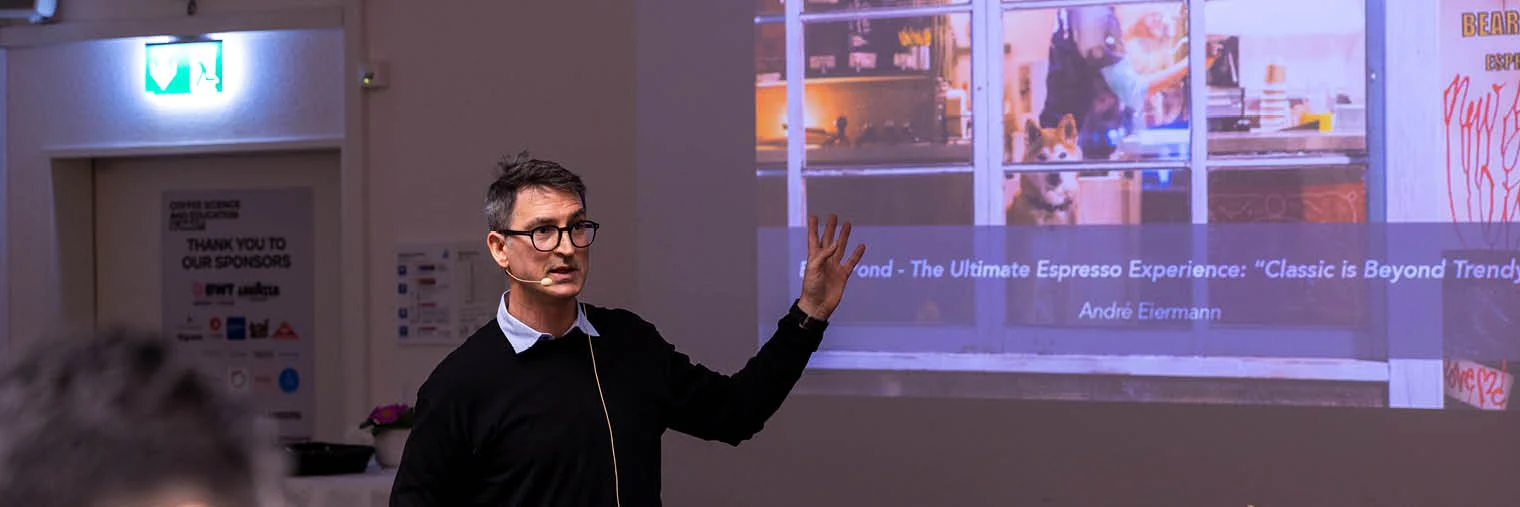
- Andre Eiermann
From science to cup: A global journey through modern espresso evolution - Dr. Veronica Belchior, World Coffee Research
Breeding for improved quality - Dr. Raphael Studer, Algrano
Managing Business Risks for Producers and Roasters - Dr. Sabine Parrish, University of Aberdeen
Including Social Sciences in Coffee Research - Gloria Pedroza, Neumann Kaffee Gruppe, and Dr. Sebastian Opitz, ZHAW
Flavour Profile Changes After Fermentation of Canephora Coffee - Prof. Dr. Selçuk Yildirim, ZHAW
Brewing a Sustainable Future: Tackling Packaging Challenges and Embracing EU's PPWR Regulations